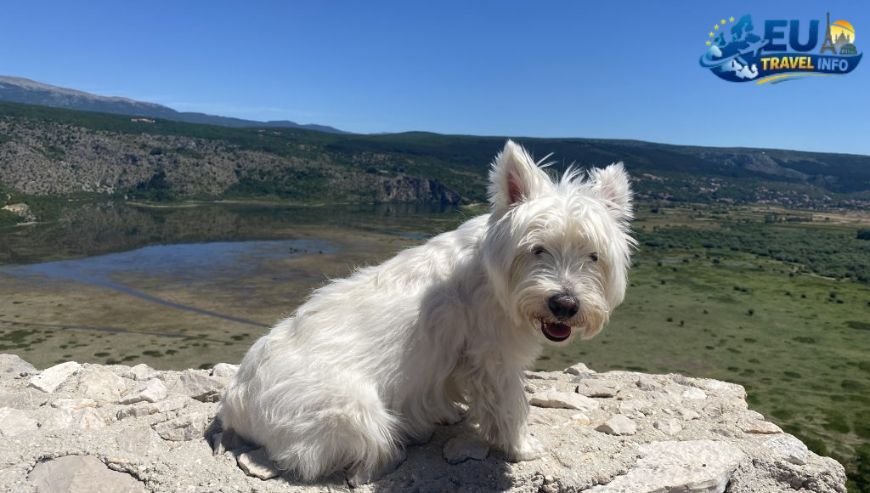
I am a traveler who spent weeks exploring the Balkans with my furry best friend, and I am here to share every detail of our Road Trip Through Bosnia and Montenegro with Your Dog. This journey was a mix of rugged mountains, clear blue water, and ancient stone towns. Every twist and turn of the road left me in total awe. Pure magic. I started this adventure because I wanted to see the hidden gems of Eastern Europe while keeping my pet by my side.
The Essential Paperwork and Veterinary Rules
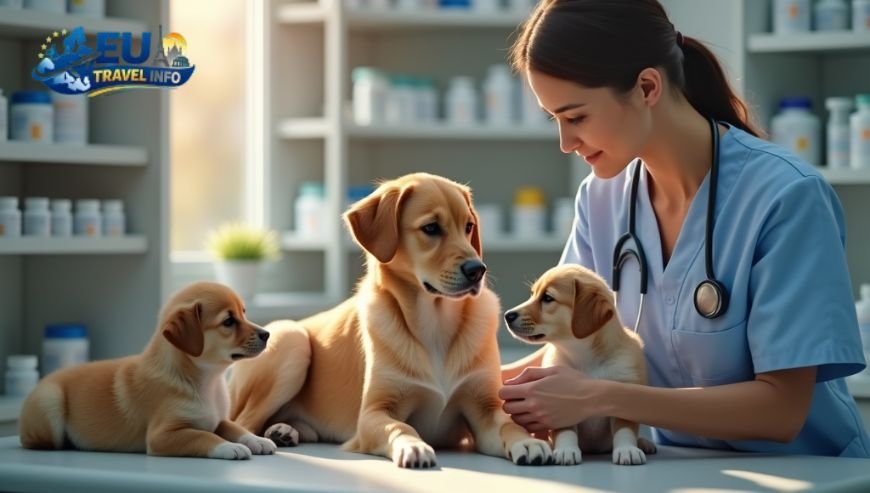
First of all, you must understand that travel between these countries requires serious planning regarding paperwork. Bosnia and Montenegro are not part of the European Union (EU) or the Schengen area. Therefore, you need specific documents to enter and, more importantly, to return to the EU.
Your pet must have a microchip for identification. This microchip should have 15 digits and meet ISO Standard 11784. You must ensure the chip is implanted before the rabies vaccine is given. This order is vital. Additionally, your dog needs a valid rabies vaccination. Most countries require the pet to be at least three months old before they get this shot. You must wait at least 21 days after the first vaccination before you travel.
A rabies titer test is the most important document for your return journey. Montenegro is considered a high-rabies country by the EU. Similarly, Serbia and Albania are on that high-risk list. This blood test measures the antibodies in your pet’s blood to prove they are immune to rabies. You must wait at least 30 days after the rabies shot to take the blood sample. Later, you must wait three calendar months from the date of a successful blood test before you can re-enter the EU or the UK. Gradually, you will see that planning this four months in advance is the only way to avoid stress.
You will also need an Animal Health Certificate (AHC) or a pet passport. If you are from the UK, an official state vet must issue this certificate no more than 10 days before you arrive in the EU. Official Veterinarians must sign and stamp these documents in any ink color other than black. This is a very specific rule. Plus, you must keep copies of all certificates for at least two years.
Starting the Journey: Croatia to Bosnia
I began my road trip bosnia herzegovina from the city of Split in Croatia. I hired a Renault Clio for two weeks at a price of €659.35. At that time, prices for car rentals changed often, so I checked back frequently and rebooked when the price dropped. I drove south along the Dalmatian Coast to Makarska. The views of the ocean were stunning. Absolute bliss. I took my dog for a walk in the Osejava Forest Park. We walked for about one hour each way to reach Nugal Beach. You should wear sturdy shoes for this trail because the ground has loose rubble and can be slippery.
Later, I drove to the town of Imotski to see the Red and Blue Lakes. The Blue Lake is very deep and beautiful. I paid 40 kuna to enter, but my dog was free. The walk down to the water took about 40 minutes. Though it was hot, the path was well-defined but rocky.
I then headed to the border for my first bosnia border crossing. You might wonder, can you drive from Croatia to Montenegro or Bosnia easily? The answer is yes. The drive from Imotski to the Bosnian border took only 15 minutes. I expected long queues, but there was no wait at all. The guards checked my passport but did not even ask for the dog’s papers. Easy peasy.
Exploring the Heart of Bosnia

My first stop in Bosnia was the town of Stolac. I found a wonderful restaurant called The Old Mill which sits right on a river with a waterfall. I was happy to find that my dog could sit right at the table with me. Bosnia felt very welcoming to us. On top of that, I stayed in an old renovated farmhouse that cost €80 for the night.
Gradually, I moved toward Hutovo Blato National Park. I took a private boat tour of the mangroves for 60 Bosnian Mark, which is about €30. It lasted one hour. It was a lovely way to float through nature with my dog. Finally, I reached Trebinje, which is a small town near the border with Dubrovnik. I spent time by the Bileca Lake, which is one of many stunning lakes in this region.
Therefore, if you are planning a road trip bosnia, do not miss these smaller towns. They offer peace and quiet away from the crowds. However, I did visit Sarajevo, the capital city. The city is a beautiful mix of cultures with mosques, churches, and synagogues side by side. I found that Sarajevo was less dog-friendly in the center because of the large crowds and many stray dogs. I chose to let my dog rest in our penthouse apartment while I explored the traditional markets and ate cevapi.
Also, I stopped in Jajce to see the famous waterfall in the middle of the town. You can see the falls for free from the city streets. Additionally, I visited Banja Luka. I found a great restaurant called Bona Fides that overlooks the river. They serve food on a pizza base with fries and meat, which was very interesting. Most places in Banja Luka were happy to have my dog along.
Entering Montenegro: The Scenic Routes
Many travelers ask how to travel to Montenegro from Bosnia. There are five main border crossing points you can use. I chose the crossing at Hum to Scepan Polje. This is often called the main road between Sarajevo and Podgorica. However, the road from Foca to the border felt very remote and narrow. At times, the road was just dirt and gravel. It took about 42 minutes to drive the 25.4 km from Foca to Hum.
I reached the border and saw a single cubicle. The guards were friendly and processed our passports in seconds. I then drove across a small wood and steel bridge over the Tara River. This bridge has a 12-tonne weight limit. Once I entered Montenegro, the road improved immediately. The drive through the tunnels along the Piva River was spectacular. One tip: some tunnels have no lights, so your eyes need time to adjust.
Another option for your road trip bosnia montenegro is the Sitnica crossing from Trebinje to Herceg Novi. This is the most common route if you are going from Mostar to Kotor. If you prefer a very quiet crossing, try Metaljka. It passes through pine forests and abandoned mountain villages. I found that border officials at Metaljka were very polite.
Is Montenegro Dog Friendly?
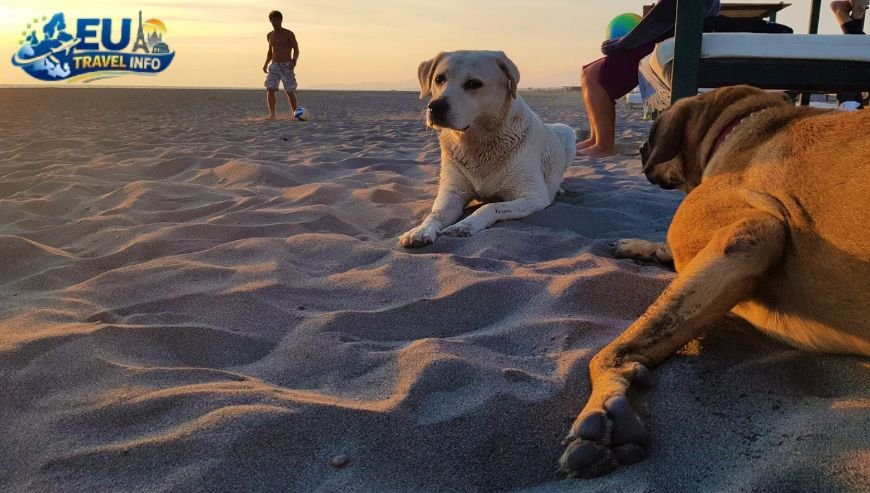
You might ask, is montenegro dog friendly? Overall, the country is very welcoming, but you must plan for the heat. I visited in the summer, and the car showed a temperature of 46 degrees at one point. This is too hot for most dogs. I recommend visiting in May, June, or September to avoid the extreme heat and the crowds.
Montenegro has seven official pet-friendly beaches. In Herceg Novi, there is a spot on the “Pet Danica” promenade. Kotor has the Benovo beach, and Tivat has Kukoljina beach. If you are in Budva, you can visit part of Slovenska beach or Buljarica beach. Ulcinj has the Mojito beach on the famous Long Beach.
Additionally, there are many outdoor restaurants where dogs are allowed. In Kotor, the Old Town is full of stone streets and little cafes. I ate delicious mussels while my dog rested at my feet. I also took a boat trip on Lake Skadar starting from Virpazar. I paid €90 for a private three-hour tour that included wine and fruit. My dog loved watching the birds from the boat. Later, I visited the Masanovic Winery for a tasting. It cost €25 to €30 per person and included local cheese and ham. They even welcomed my dog to join us.
The Crown Jewel: Durmitor National Park
The absolute highlight of my Road Trip Through Bosnia and Montenegro with Your Dog was Durmitor National Park. This park is a UNESCO World Heritage site. It has 48 peaks that are higher than 2,000 meters. The highest is Bobotov Kuk at 2,523 meters.
I stayed in a wooden cottage in Savin Kuk, which is very close to the town of Zabljak. I could walk straight from my door to the Black Lake (Crno Jezero). The lake is surrounded by deep green pine forests and high grey mountains. It reminded me of the Alps. I walked the path that loops around the entire lake. My dog spent the whole time exploring new scents and splashing in the shallow water.
On top of that, you must drive the Durmitor Ring. It is an 85 km circular drive that takes about two hours if you do not stop. However, I spent six hours doing it because the views were so beautiful. I saw deep canyons, green meadows, and cows roaming free. I also visited the Tara Bridge. This bridge crosses the Tara River Canyon, which is the deepest gorge in Europe at 1,300 meters deep.
If you are a hiker, you can try the trail to Zminje Lake. The path starts behind the Black Lake. I found the trail markings a bit hard to follow, so I kept the river on my left to stay on track. For a bigger challenge, you can hike to the summit of Bobotov Kuk. It is a demanding climb but offers the best views in the country.
Practical Tips for the Road
When you think about how to travel to Montenegro, you might consider flying. You can how to fly to montenegro by landing at Podgorica Airport or Tivat. Pets must travel in IATA-approved crates if they are in the hold. However, driving is often easier because it gives you more freedom to visit remote areas.
One thing to keep in mind is the presence of stray dogs. In Bosnia and Montenegro, you will see dogs wandering in many towns. Most of them are very calm and will not bother you. They are often just looking for food or a quiet place to sleep. However, they can become territorial if they are in a large pack. If you see a group of dogs barking, just turn around and walk away calmly. I found that carrying a small repellent or a stick gave me peace of mind, though I never had to use them.
Plus, you should know that Montenegro uses the Euro, even though it is not in the EU. Bosnia uses the Bosnian Mark (BAM). I found that credit cards were accepted in big cities, but I needed cash for small mountain guesthouses and local markets.
Finally, check the local water situation. During my visit, there were some water issues, and I was told not to drink the tap water. I bought large water canisters for myself and my dog. This is important for your pet’s health too.
FAQ
Can you take your dog to Montenegro?
Yes, you can take your dog to Montenegro, provided they meet specific health requirements including being microchipped, vaccinated against rabies (at least 21 to 30 days before entry), and accompanied by a health certificate issued within 10 days of arrival. Montenegro is considered a high-rabies country by the EU, so if you plan to return to the European Union, your dog must have a rabies titer test performed at an approved laboratory.
Can I take my dog to Bosnia?
Yes, dogs can enter Bosnia and Herzegovina with a microchip, proof of rabies vaccination, and a health certificate issued by a veterinarian within 48 hours of travel. For pets coming from “unlisted” (high-risk) countries, a rabies titer test administered at least 30 days after vaccination is required, and the pet must wait three months after the blood sample before entering.
Can I take my dog on a road trip through Europe?
Yes, it is possible to travel through Europe by car with a dog, whether starting from the UK or moving between EU and non-EU countries like Montenegro and Bosnia. Proper documentation, such as an EU Pet Passport or an Animal Health Certificate, is essential for border crossings.
Which is nicer, Croatia or Montenegro?
This is a matter of preference, but some travellers identified Montenegro as the highlight of their Balkan trip, specifically citing the “jaw-dropping” mountain trails of Durmitor National Park. Others found the Dalmatian Coast in Croatia to be exceptionally beautiful.
Can I travel to Serbia with my dog?
Yes, you can travel to Serbia with your dog. For residents of Serbia travelling into the EU, requirements include a pet passport, microchip, rabies vaccination, titer test results (done at least three months before the trip), and a veterinary health certificate.
How to travel to Europe with a dog?
To travel to Europe, your dog must have an ISO-compliant microchip and a valid rabies vaccination. Depending on your country of origin, you will need either an EU Pet Passport or an Animal Health Certificate (AHC) issued by an official veterinarian. If entering the EU from a high-risk country like Montenegro, a rabies titer test is also mandatory.
Concluding words
A road trip through Bosnia and Montenegro offers a mix of stunning coastal views and dramatic mountain landscapes, such as Durmitor National Park. While both countries are generally dog-friendly, successful travel requires careful preparation of health documents, including microchips, rabies vaccinations, and titer tests for crossing back into the EU. Travellers should be mindful of the high summer temperatures, the presence of stray dogs, and the need to bring supplies like safe drinking water and warm clothing for mountain regions.