The sun felt warm on my face as I sat on the terrace of a beautiful south of france villa. My loyal companion, a golden retriever named Max, lay at my feet. He was fast asleep after a morning spent running through the tall grass. I realized then that a holiday is only perfect when every family member is there. The South of France is not just a place for wine and old buildings. It is a fantastic destination for pet owners.
I have spent many months exploring this region with my dog. I learned that finding the right South of France Villas for Dogs is the key to a stress-free trip. You need a place with a secure fence and space to roam. You also want a private pool where you can relax while your pet rests in the shade. Many people worry about the rules, but I found that France is very welcoming to our four-legged friends.
The Hunt for a South of France Villa Dog Friendly and Secure
First of all, I had to decide where to stay. The options are endless. I looked at the Cote d’Azur, Provence, and the Languedoc. Each area has its own charm. Gradually, I found that some villas offer more than just a room. They offer “pet perks.”
I stayed at a place called Coastal Dream in Marseillan. It is a luxury villa with five bedrooms and five bathrooms. The house was recently renovated for 2025. It has a heated private swimming pool which was perfect for my morning swims. The best part? It is in a quiet spot but only a five-minute walk from the town center and the port area. I took Max there for evening strolls to see the boats. The sandy beaches of Marseillan are just a 15-minute drive away.
Additionally, I visited La Villa des Lauriers in Mougins. This villa overlooks the bay of Cannes. It has a boules court and a table tennis table. Max loved the large outdoor space. The villa is child-friendly too, so it is great for big families. I noticed that the owners require a four-night minimum stay. During the high season, you must book from Saturday to Saturday.
Later, I moved to the mountains. I found a retreat called Le Sanglier near Bédarieux. It sits on two hectares of land. Total privacy. Breathtaking views. There is a private heated saltwater infinity pool with a waterfall. The grounds include olive orchards and cherry trees. Max spent hours sniffing every inch of that land. It felt like our own private park.
Exploring South of France Villas Pet Friendly in the Alpilles
I also spent time in the Alpilles region of Provence. This area is famous for its olive trees and rocky hills. I found a selection of stunning villas here. One of my favorites was Mas de Claurélie in Saint-Rémy-de-Provence. It can hold ten people in five spacious bedrooms. The garden is huge. It measures 3,000 square meters. That is a lot of space for a dog to explore.
However, I also liked Villa Alma. It is only a ten-minute walk from the center of Saint-Rémy. The garden is fully enclosed. This gave me peace of mind. I did not have to worry about Max wandering off while I was reading by the pool. The villa also has a pétanque court for fun games in the sun.
Another great option is Mas Luna. It is a farmhouse that blends old charm with modern luxury. It has five air-conditioned bedrooms. The garden is fully enclosed and landscaped. Max loved the freedom to roam while I enjoyed a meal on the shaded terrace.
On top of that, I checked out Mas du Figuier. It sits on a 4,700 square meter plot. It has seven bedrooms spread across the main house and annexes. The garden is enclosed, which makes it safe for pets. It is located just minutes from the popular village of Saint-Rémy-de-Provence.
Luxury Castle Stays and Pet Perks
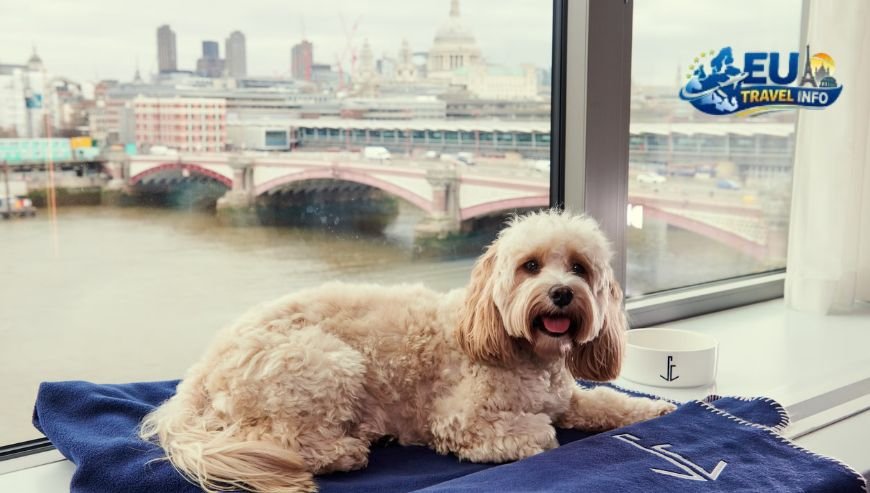
Sometimes, I want to feel like royalty. Therefore, I looked at castle stays. France has many dog-friendly castles. I visited Château de Fonscolombe in Aix-en-Provence. It is an 18th-century building with beautiful botanic gardens and a vineyard. It is now a five-star boutique hotel. They have 50 rooms and suites. The restaurant, L’Orangerie, serves delicious Provençal food. Max was allowed to wander the gardens with me.
Similarly, Château de Tourreau is one of the finest properties in Provence. It was built in the 17th century. It sits on 17 acres of parkland. It has a large swimming pool and tennis courts. The interior covers at least 800 square meters. It is a dream come true for both humans and dogs.
Finally, I must mention Château de Berne. This five-star hotel is a slice of heaven for lovers of nature and wine. The estate covers 1,235 acres. Most of it is wild and beautiful. They have a Michelin-starred restaurant called Jardin de Benjamin. They also produce their own rosé wine. Max and I walked through the vineyards for miles.
Dog Friendly Beaches South of France: Where to Splash
Many people think beaches in France are closed to dogs. On the contrary, I found many spots where Max could play in the sand. You just have to know where to look. In the summer, the heat can be intense, so early morning or late evening walks are best.
In the Alpes-Maritimes region, there are 37 dog-friendly beaches. That is a lot of choice! Nice has two beaches created especially for dogs at Lenval and La Lanterne. On these beaches, dogs can be free and have a bath. Menton also has two designated areas for dogs. One is near the Garavan port and the other is at Casino Beach.
The Var region has 15 dog-friendly spots. Saint-Aygulf has Esclamandes Beach. Ramatuelle is the undisputed winner with eight dog-friendly beaches in total. However, they do enforce strict leash laws there. I also visited Dogs Beach in La Londe. The name says it all.
I should warn you that most of these beaches are not white sand. They are often rocky or have small pebbles. Max did not mind. He just wanted to splash in the waves. I always brought plenty of fresh water for him to drink. The salt and heat can make a dog very thirsty.
Dog Friendly Hotels South of France and Travel Tips
Sometimes, a villa is too big if I am traveling alone. Plus, I like the service at a hotel. I found that dog friendly hotels south of france are becoming more common. Many hotels en-route to the south will accept dogs.
When I traveled by train, I used the SNCF service. Most trains in France allow dogs, but there are rules. Max had to be on a lead and muzzled. Small pets in a container that is 45 cm x 30 cm x 25 cm or smaller are also allowed. I had to pay a small fee for Max. For most long-distance trains like the TGV, the price for a dog on a lead is €20. For a small pet in a container, it is €10.
Gradually, I learned that French cafes and restaurants are very open to dogs. Many times, the waiter brought a bowl of water for Max before he even brought my coffee. I usually chose a table with outside seating. It is more comfortable for a large dog. However, I always asked before I sat down. It is the polite thing to do.
The Practical Side: Paperwork and Health
I cannot talk about a dog holiday without mentioning the paperwork. Since Brexit, things have changed for travelers from the UK. You now need an Animal Health Certificate (AHC). You must get this from your vet no more than ten days before you travel. I paid about £200 for mine. The certificate is valid for four months of travel within the EU.
Your dog must also have a microchip. It must be ISO-compliant. Additionally, the rabies vaccine is mandatory. You must wait at least 21 days after the primary vaccine before you can travel. If your dog was vaccinated before being microchipped, you must do it again after the chip is inserted.
Gradually, I realized that the return trip to Great Britain also requires one more step. Your dog needs a tapeworm treatment. A vet in France must give this to your dog. It must be done between 24 and 120 hours before you enter Great Britain. The vet must sign your AHC to prove it was done.
I also recommend getting pet insurance that covers travel to France. You never know when your pet might need a vet. I found that French veterinary care is generally cheaper than in the UK or the US.
Safety in the Sun: Heat and Pests
The South of France gets very hot in the summer. Temperatures can reach 37 or 38 degrees. This can be life-threatening for a dog. I always kept Max in the shade during the hottest part of the day. I walked him very early in the morning and late in the evening.
I also used a cooling gel base for his bed. It helped him stay cool while he slept. I put sun cream on his nose too. Max did not like it, but it kept him safe from the sun.
On top of that, you must protect your dog against diseases like Leishmaniasis. This disease is spread by sandflies. These flies are most active at dawn and dusk. I used a Scalibor collar to protect Max. My vet told me that standard flea treatments are not enough for this. It is a serious disease that can be fatal.
Finally, I always picked up after Max. France used to be bad at this, but things have improved. There are now hefty fines if you do not scoop the poop. Many towns provide public waste bags and bins. I always carried my own little black bags just in case.
Journey to the South: How We Got There
The journey is part of the adventure. I chose to drive because it gave me the most freedom. I used the Eurotunnel LeShuttle. It only takes 35 minutes to cross from Folkestone to Calais. Max stayed in the car with me, which made him feel safe. They even have dedicated pet exercise areas at the terminals.
However, I also looked at ferries. Different companies have different rules. P&O Ferries offer a pet lounge. This is great because you do not have to leave your dog in the car. DFDS only have kennels, and Irish Ferries have a “pet den”. I found that dogs are not allowed to travel with foot passengers on Dover-Calais routes, except for guide dogs.
If you drive, you will see many service areas called aires in France. Most of these have plenty of grass for your dog to stretch his legs. I made sure to stop every two hours to give Max some water and a short walk.
Life at the Villa: Games and Relaxation
Living in a south of france villa is a wonderful experience. I spent one week at a property with 26 acres of grassland and forest. It even had two lakes. I took a rowing boat out on the lake, and Max sat at the front like a captain.
Many of these villas have amazing games rooms. I played pool and table tennis while Max napped nearby. One villa had a three-meter wide cinema. We all cuddled up to watch a movie in the evening.
Additionally, I loved the outdoor kitchens. One place had a two-meter wide barbecue and a rotisserie. I cooked fresh lamb while the sun went down. The acoustics in the old barn conversions are beautiful. I played my guitar and the sound echoed through the high ceilings.
Some villa owners do not like dogs being left alone in the house. I brought Max’s travel crate from home. It gave him a familiar place to sleep and kept the villa owners happy. I also checked if there were extra fees for bringing a pet. Some places charge a small daily or weekly fee.
Dining with Max: The Pet-Friendly Culture
France really is a paradise for dog lovers. I went to a bistro in Paris called Café de l’Industrie. They have outdoor tables that are very dog-friendly. I had a croissant and coffee while Max watched the people go by.
In the Aubrac region, I visited Auberge du Moulin. They welcomed Max with open arms. I had a dish called aligot, which is mashed potatoes blended with cheese and garlic. It was delicious.
Gradually, I noticed that even some pharmacies and shops allow dogs inside. It is the norm for many French people to run errands with their pets. I always looked for a sign that said “chiens interdits“. This means “no dogs allowed”. If I did not see that sign, Max and I went right in.
I also enjoyed having picnics. I would go to a bakery for fresh bread and a cheese shop for some local treats. Then, Max and I would find a nice spot by a river or in the countryside. In Paris, we sat along the River Seine. It is the ultimate French dining experience.
Why You Should Bring Your Dog
I used to leave Max at home when I traveled. I paid for expensive kennels or house sitters. However, I realize now that he adds so much joy to the trip. Seeing him explore the Lavender fields of Provence or splash in the Mediterranean Sea is a memory I will never forget.
The South of France has a “dog-friendly culture”. You are not just a tourist; you are a pet parent. People often stopped me to pet Max and ask about his breed. It was a great way to meet locals and practice my French.
** لذلك**, if you are planning a trip, do not leave your furry friend behind. Look for those south of france villas for dogs. Check the beach rules. Get your AHC ready. You and your dog will have a “paw-some” time.
A Quick Checklist for Your Trip
To make things easy, here is what I always bring:
- Max’s regular food and a few treats.
- Water bowls and plenty of fresh water.
- His favorite toys and a lead.
- The Animal Health Certificate and proof of rabies vaccine.
- A travel crate if required by the villa.
- Scalibor collar for sandfly protection.
- Little black bags for cleanup.
Traveling with a dog requires more planning. However, the rewards are worth it. The South of France is a dream destination for anyone who loves their pet. The villas are beautiful. The pools are refreshing. The beaches are waiting.
Finally, I want to say “Bon Voyage!” to you and your pup. I hope your stay in a south of france villa is as magical as mine was.
Max and I sitting on the beach at Nice. The water is blue. His tail is wagging. Life is good.
Villas like Farmhouse d’Eygalières provide a private estate of 30 hectares to stroll. This is like having a small national park all to yourself. Or consider the Moroccan Paradise in Puissalicon, which has huge living spaces filled with natural light. It is perfect for two families holidaying together.
Gradually, you will find the perfect spot. Whether it is a luxury villa with a heated pool or a cozy cottage near the Canal du Midi. The South of France has it all. Plus, your dog will love you for it.
The bond between a man and his dog is like a sturdy bridge. It carries you through every adventure, across every border, and into the sun-soaked heart of Provence.
FAQ
Is the south of France dog friendly?
Yes, the South of France is a pet-friendly place on the whole. You can take your furry friend to cafes, on trains, and through beautiful vineyards.
Where is the most dog friendly place in France?
Paris is a city where dogs are treated like royalty in many eateries. Additionally, Ramatuelle is a top winner for beach lovers because it has eight dog-friendly beaches.
Where to stay in France with a dog?
I suggest you look for villas with enclosed gardens to keep your pet safe. You can choose a luxury home like Mas Luna or a five-star hotel like Château de Berne.
Is Cote d’Azur dog friendly?
The French Riviera is very welcoming to pets. You will find many dog-friendly villas near glamorous spots like St. Tropez.
What is the most dog friendly country?
France has an ultra dog-friendly culture and one of the highest ratios of dogs per person in the world. It is a dream come true for dog parents who love to travel.
Can I take my dog to live in France?
You can certainly move to France with your pet. Therefore, you should check the specific health and documentation rules for a permanent move.
Which European country loves dogs the most?
France has a long history of animal companionship and even maintains historic pet cemeteries. The French just love to take their dogs everywhere.
Can dogs go on beaches in France?
Dogs can go on many beaches, but you must check the signs for rules. Some spots like Saint-Aygulf have designated areas created especially for pets.
What is the best place to vacation with dogs?
The South of France offers a perfect mix of luxury villas, warm weather, and special pet perks. It provides the freedom to enjoy your holiday without leaving your furry friends behind.
Are dogs allowed in restaurants in France?
Most French restaurants and cafes allow dogs, especially if they have outdoor tables. Waiters often happily bring a dog bowl to your table.
Can I take my dog on vacation to France?
You can absolutely take your dog on a family break to France. However, you must follow the health rules like microchipping and rabies vaccines.
Concluding words
The South of France is a dream destination for pet owners. You can enjoy luxury villas with private pools and secure, enclosed gardens. Beaches and restaurants across the region welcome your dog with open arms. Finally, plan your trip today to create happy memories with every member of your family. Total peace of mind. Pure luxury for paws. A true paradise.