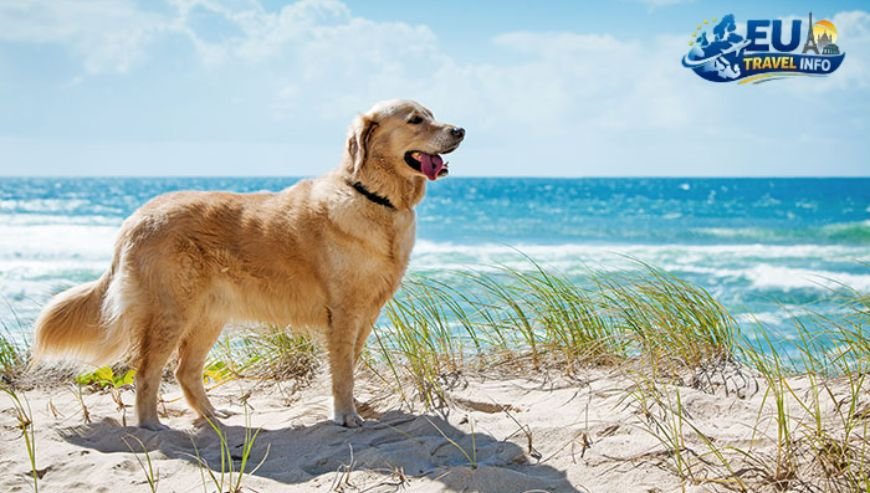
I just returned from the most incredible road trip with my furry best friend, and I must tell you all about it. France is truly a paradise for travelers who do not want to leave their four-legged family members behind. Is France dog friendly? The answer is a giant yes. Statistics show that France has one of the highest ratios of dogs to people in the entire world. There are about 17 dogs for every 100 people, and the total dog population is around 10 million. Additionally, a study revealed that 40% of French dog owners think their pets are the most important thing in their lives. This love for canines means you will find a dog friendly place to stay in France almost anywhere you go, from small “poodle-parlours” in every town to restaurants that welcome pups with open arms.
First of all, you need to know about the best spots to hit the sand. I have explored everything from the windy shores of the north to the sun-soaked Mediterranean. Gradually, I realized that the coastline is a haven for canines. There are over 250 dog friendly beaches in France, so you will be spoilt for choice. Therefore, I have put together this guide to help you find the best dog friendly beaches in France for your next adventure.
Getting There: The Paw-some Journey

To start my trip, I used the LeShuttle train service. It is a quick way to travel between the UK and France. The journey takes only 35 minutes from Folkestone to Calais. My dog stayed with me in the car the whole time, which made everything so much easier. On top of that, they have dedicated exercise areas for dogs at the terminals. However, you must make sure your paperwork is perfect before you go.
Your pet must have a working microchip. The vet must scan the chip before giving any rabies vaccinations. Also, the first rabies shot your pet gets after getting the chip is considered a “primary” shot, and it is only valid for one year under European Union rules. Therefore, you must get a booster within 12 months. My advice is to simplify the paperwork by getting a one-year rabies shot at least 21 days before you travel. Plus, you need a health certificate issued by an accredited vet and endorsed by the USDA within specific timeframes.
The North Coast: Calais and Beyond
The adventure began as soon as we drove off the shuttle in Calais. Best dog friendly beaches France map fans should start right here. First of all, we visited Berck-sur-Mer. It is less than an hour’s drive from Calais. Families love this spot, but you must keep your dog on a lead near the swimming areas. Every April, the sky turns into a rainbow for the International Kite Festival. Similarly, Le Touquet-Paris-Plage is about 55 minutes from the port. The beach there is very wide, and dogs can go on the sand and in the water if they are on a lead. We also enjoyed the long walks in the dunes and on the promenade.
Later, we explored Escalles Beach. It is just a pebble’s throw from Calais. Green hills and tall cliffs surround this flat, large beach. It is perfect for running around, but you must keep your dog on a leash at all times. Gradually, we made our way to Wissant. This small town is only 25 minutes from Calais. The local government permits dogs all year round on Plage Dune d’Aval. It is a great place to stretch your legs after the train ride. On the contrary, some beaches are seasonal, so always check the signs.
Normandy: History and Sandy Paws

Normandy is arguably the region with the most dog-friendly beaches in the country. The Channel department alone has more than 40 accessible beaches. Additionally, it is where we found the famous Omaha Beach in Vierville-sur-mer. This white sand stretch is 2.5 kilometers long and allows dogs on a leash. I felt so much history under my feet while my pup enjoyed the breeze. We also walked to the monuments commemorating the Allied landing on June 6, 1944.
Though many people only think of history here, the natural beauty is top-notch. Le Tilleul is home to Plage d’Antifer, which many people call one of the most beautiful beaches in Haute-Normandy. You must use a leash here, too. Gradually, we visited Cricquebœuf beach near Honfleur. This spot is a local secret and never gets too busy. At low tide, it becomes a mix of pebbles and sand. We felt so relaxed because it is away from the usual tourist crowds.
On top of that, we stopped at Quiberville-sur-Mer in the Terroir de Caux region. This area is one of the most dog-friendly parts of Normandy. The central beach is tucked under the breathtaking cliffs of the Alabaster Coast. Dogs can go on both the sand and the pebbles, but the beach gets busy in summer, so keep the leash ready. Therefore, the best times to go are early morning or evening when it is quiet.
Brittany: Crystal Waters and Hidden Coves
Moving west into Brittany, the scenery changes to rugged cliffs and crystal-clear blue water. First of all, we checked out Santec. All the beaches in this region are now dog-friendly. We chose a quiet stretch of coast to let the dog explore. Similarly, Laber beach in Roscoff is a fantastic place for a walk all year round. You will need a leash, but the bays stay relatively peaceful even during the high season.
However, the real treasure was Théven Braz Cove in Finistère. It is almost hidden. You have to park in the hamlet of Kerfiat and look for a concealed passageway down to the sea. The effort is worth it. It is a mix of sand and pebbles that my dog absolutely loved. Gradually, we also found Hirel Beach near Mont Saint-Michel. This beach is wide and sandy. You can let your dog off the leash at low tide here. Also, keep an eye out for sand yachts that race across the sand. It is a sight to see!
The Atlantic Coast and Gironde
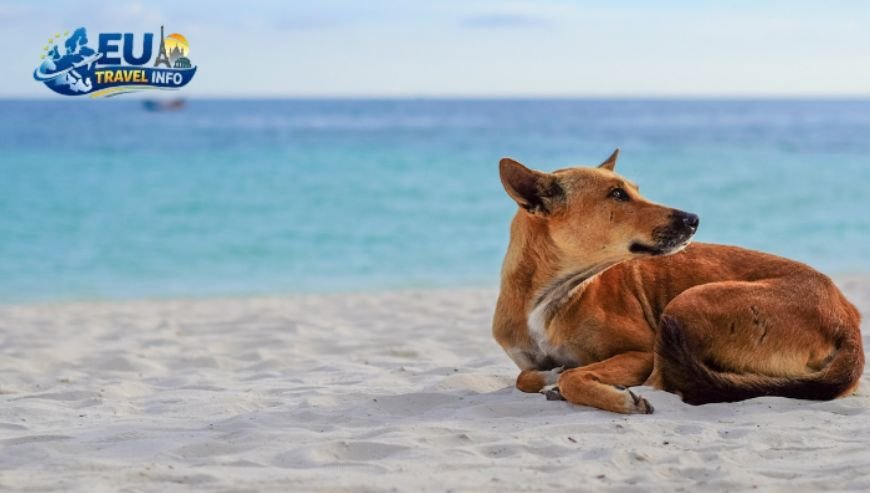
If you are looking for the absolute best dog beaches France offers, you have to go to the Gironde region. First of all, let us talk about Plage de la Salie in La Teste-de-Buch. This beach actually took first place in a study of Europe’s most dog-friendly beaches for 2025, with an incredible score of 90.33 out of 100. The flat sand is vast and perfect for “the zoomies”. My dog ran for miles before we both took a dip in the clear waters of the Bay of Biscay.
Additionally, Mimizan has some great options like Garluche beach and Goélands beach. After playing in the waves, we took a flowery walk near Lake Aureilhan to see 400 different species of flowers. Gradually, we moved further south. However, the Atlantic can be rough. La Coubre beach in Charente Maritime is huge and bordered by giant dunes and a forest. It is famous for strong waves, so it is perfect for canisurfing, but be very careful when swimming.
The South Coast: Montpellier and the Riviera
The south of France is where the real summer vibes are. Montpellier was recently voted the number one most dog-friendly city in France. The city provides free canisacs and even allows dogs to ride for free on public transport. First of all, we visited Grand Travers beach in La Grande Motte. At access number 60, dogs are allowed all year round. It is a beautiful stretch of clean sand where we saw many families with their pups.
Similarly, Sète has the Vassal Estate Beach, which accepts dogs all day and all year. However, if you want something smaller, Anau Cove is superb, though you should go early to beat the crowds. On top of that, Bandol in the Var department has a dedicated pebble beach called Dog Beach. It is narrow but the water is transparent and it is very close to the port.
Gradually, we reached Nice. The only dog-friendly beach in the city is Site de la Lanterne. It is small but gives your pup a safe space to run and swim right below the pétanque court. Look for the quirky dog sculptures by artist Stéphane Bolongaro to find the pet-friendly zone. Also, remember that only category 3 dogs are usually permitted to run free in the ocean there. Therefore, check the restrictions for other breeds.
The Hidden Gems: Dog-Friendly Islands
Plus, I have a secret for you. If your dog does not get seasick, take a boat trip from Golfe-Juan or Cannes to the Lérins Islands. Both Ile Ste Marguerite and Ile St Honorat allow dogs to explore their secluded rocky coves and beaches. Gradually, we found some of the most peaceful spots on the whole trip there. Just make sure to keep them on a lead when you are on land. Additionally, many private beaches in the south, like Plage Royale in Antibes, allow dogs if you book a sun mattress. It is always worth calling ahead to check.
Corsica: Crystal Waters in the South
We even made it to Corsica. The best dog friendly beaches south of france lists often overlook this island, but it is a mistake. Porto-Vecchio is the perfect destination. The beaches are heavenly. First of all, we went to Santa Giulia beach. The water is extraordinarily clear. My dog played with his balls in the water while I enjoyed the view of the seabed. Similarly, Palombaggia beach and Tamaricciu beach are beautiful spots that allow dogs as long as they are on a leash. Gradually, we realized that North Corsica has even more choices, as pets are allowed on most beaches there.
Rules of the Road: Tips for a Happy Trip
France is welcoming, but there are rules you must follow. First of all, always keep your dog on a leash unless the sign says otherwise. Rule number one on any beach is to keep your dog tied up to avoid fights or nuisance barking. Gradually, I learned that being a respectful owner helps change mentalities so more beaches stay open.
However, you must pick up after your pet. Failure to pick up dog droppings can lead to a fine of 35 euros. Additionally, this amount can climb depending on the town. In Paris, it is 68 euros, but in Cannes, it is a massive 450 euros! Therefore, always carry plenty of bags. Gradually, we also realized that “categorized” dogs (dangerous breeds) have stricter rules. They must be muzzled in any public place, including the beach, or you risk a 150-euro fine.
On top of that, think about the health of your pup. The sun can be dangerous. Dogs can get sunstroke and sunburn just like humans. First of all, avoid the beach during the hottest hours. Also, make sure they do not drink salt water, as it causes serious stomach problems. I always carried a collapsible water bowl and a large bottle of fresh water. Gradually, I made it a habit to shower my dog after every swim. Salt dries out the skin and can cause infections. Similarly, check their ears and eyes for sand to avoid irritation or conjunctivitis.
Finding the Best Dog Friendly Places to Stay in France
Finding a place to sleep was easier than I expected. Many hotels and resorts carry the QUALIDOG label, which means dogs are truly welcome. First of all, we stayed in some great Appart’City locations in Montpellier. Similarly, many campsites along the coast are pet-friendly. Flower Camping Altéa in Vic-la-Gardiole and Camping Les Oyats in Seignosse are both excellent choices. However, always check the specific rules of the hotel before you book to ensure your specific dog size or breed is accepted.
Plus, if you lose your pet, do not panic. France has a national file called I-CAD for tattooed or chipped animals. You should contact the local veterinarians and the Police Municipale immediately. Additionally, social media and apps like Filalapat or Pet-alert are very helpful. Gradually, I realized that having a medal on the collar with my phone number was the best peace of mind.
Summary of the Top 10 Beaches to Try
To make it easy for you, here is my personal list of the top 10 beaches in France to visit with your dog:
- Plage de la Salie (Gironde) – The king of dog beaches with the highest score for fun.
- Omaha Beach (Normandy) – Wide, sandy, and full of history.
- Grand Travers (La Grande Motte) – Large sandy beach open all year.
- Santec (Brittany) – A region where every single beach welcomes dogs.
- Bandol Dog Beach (Var) – A rare Mediterranean gem dedicated to pups.
- Site de la Lanterne (Nice) – The only city beach in Nice for dogs.
- Santa Giulia (Corsica) – Crystal clear water and sandy shores.
- Théven Braz Cove (Brittany) – A hidden, secluded paradise for quiet walks.
- Donville-les-Bains (Normandy) – Renowned for beautiful colors and year-round access.
- Cricquebœuf (Normandy) – A peaceful, wild escape near Honfleur.
Finally, I want to say that traveling with my dog was the best decision I ever made. The bond we built while exploring the dog friendly beaches south of france and the rocky coves of Brittany is something I will never forget. France is not just a place for food and art. It is a place where your dog can truly be part of the family. Gradually, you will find that a little planning goes a long way. Therefore, pack your bags, grab the leash, and get ready for a “Wou’f” trip!
Traveling with a dog is like having a compass that only points toward joy; every wagging tail on a sandy shore tells you that you are exactly where you need to be.
Frequently Asked Questions
- Are beaches in France dog friendly?
- Yes, France offers over 250 dog-friendly beaches, though many have seasonal restrictions. While some are strictly prohibited in the summer, others remain open to pets year-round or during specific hours.
- Where is the most dog-friendly place in France?
- Montpellier has been voted the most dog-friendly city in France for three consecutive years due to its inclusive public transport, canine equipment, and accessible green spaces. Normandy is also highly rated for having the largest number of dog-friendly beaches in the country.
- What beach is the most dog-friendly?
- Plage de la Salie in La Teste-de-Buch is currently ranked as the most dog-friendly beach in Europe for 2025. It features vast stretches of flat sand ideal for dogs to run freely.
- Which beach is best for dogs?
- Plage de la Salie is statistically the best due to its high scores for terrain and pet safety. For year-round access near Calais, Plage Dune d’Aval is a top choice as dogs are permitted in all seasons.
- Is Cote d’Azur dog-friendly?
- Yes, the French Riviera is very welcoming, particularly the Alpes-Maritimes region, which boasts 37 dog-friendly spots from Menton to Villeneuve-Loubet.
- Where to stay with a dog in France?
- Travelers should look for QUALIDOG-certified accommodations, including hotels, campsites, and gîtes, which specifically welcome pets. Cities like Biarritz also have many hotels where dogs are welcome everywhere.
- Which country in Europe is the most dog-friendly?
- France is frequently cited as one of the most dog-friendly countries, with approximately 17 dogs for every 100 people and widespread acceptance of pets in restaurants and hotels.
- Can I bring my dog on vacation to France?
- Yes, it is very easy to travel with a dog to France, especially using LeShuttle, which allows pets to stay with their owners in the car for the 35-minute crossing.
- What is the best place to vacation with dogs?
- Montpellier is excellent for urban activities, while Normandy and Brittany are ideal for those seeking expansive, wild beaches and nature walks.
- Which beach dogs are allowed?
- Dogs are allowed on specific stretches of sand such as Omaha Beach in Normandy, Laber Beach in Brittany, and Site de la Lanterne in Nice. Private beaches in areas like Antibes also often allow dogs if you book a sun mattress.
- Why are dogs not allowed on most beaches?
- Prohibitions are usually based on hygiene concerns, as animal waste can degrade water quality and harm shellfish farming. Additionally, dogs are often restricted to protect nesting shorebirds or to avoid conflict in crowded areas.
Concluding words
France is a premier destination for pet owners, offering over 250 dog-friendly beaches ranging from the windswept dunes of Normandy to the rocky coves of the French Riviera. From the top-ranked Plage de la Salie to the inclusive city of Montpellier, the country provides a wealth of QUALIDOG-certified stays and activities for every breed. While seasonal restrictions apply in peak summer, proactive planning and a respect for local wildlife ensure a “paw-some” holiday for both dogs and their humans.