I have spent a lot of time traveling through the winding streets and historic squares of Eastern Europe. It is a part of the world that feels like a secret garden. You will find ancient castles, hearty food, and people who have amazing stories to tell. If you are a mature traveler who loves to soak in culture without rushing, this 10-day guide for 2026 is for you.
Eastern Europe is not just one place. It is a mix of nations like Poland, the Czech Republic, Hungary, Slovakia, Romania, and Bulgaria. Many people think it is just gray buildings and cold weather. However, it is actually full of color and life. Plus, it is very easy on your wallet. You can often travel here for less than $40 a day for everything you need.
Why You Should Visit in 2026
The year 2026 is a perfect time to go. New train lines now connect the big cities better than ever before. Gradually, the region has become a favorite for those who want to avoid the massive crowds of Paris or London. The cities are compact. The history is deep. The beer is cheap. Therefore, it is the perfect spot for your next big adventure.
Day 1–2: Gdańsk, Poland – The Baltic Beauty
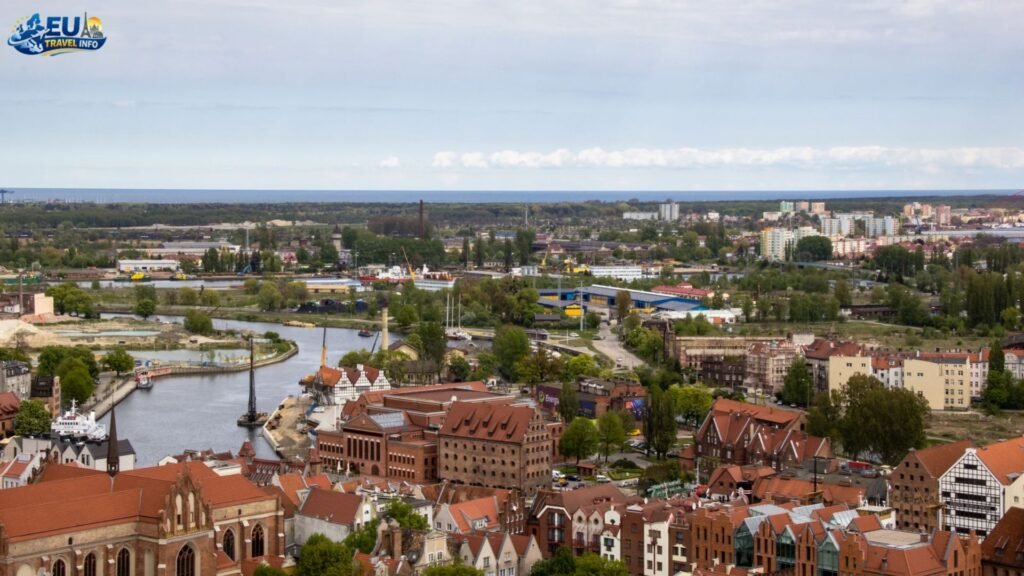
First of all, I recommend you start in the north of Poland. Gdańsk is a beautiful port city on the Baltic Sea. The Old Town looks like it came from a fairy tale. I walked past tall, narrow houses that reminded me of Amsterdam. The brickwork. Red and heavy. The streets. Cobbled and narrow.
I spent three hours inside the Museum of the Second World War. It is my favorite museum in the whole world. It tells the story of the war from a human side. Later, I walked to the European Solidarity Centre. This place shows how shipyard workers helped bring down communist rule in Poland. It is a moving experience.
Additionally, you must try the local food. I found a great spot for a food tour. I ate traditional pierogi and drank local beer. A liter of beer can cost as little as $3. On top of that, the city is very safe to walk in at night.
Day 3: Warsaw – A City of Resilience
I took a fast train from Gdańsk to Warsaw. It took less than three hours. Warsaw is different. It is a big city with modern glass towers next to old palaces. I visited the Warsaw Uprising Museum. It is an intense place that shows the 63-day fight for freedom in 1944. At that time, the city was almost totally destroyed.
Though the city was leveled in the war, the people rebuilt the Old Town perfectly. They used old paintings to make it look exactly like it did before. I walked through Łazienki Park. It is the largest park in the city, covering 76 hectares. I saw red squirrels and peacocks. It was a nice break from the busy streets.
Day 4–5: Kraków – The Soul of Poland
Kraków is the highlight for most visitors. I think it is easy to see why. The city was not destroyed in the war. Therefore, the medieval buildings are original. I spent an hour just people-watching in Rynek Główny. It is the largest medieval square in Europe. I heard a trumpeter play from the tower of St. Mary’s Church every hour. A lonely sound. A tradition. A piece of history.
I visited Wawel Castle on a hill over the river. It was the home of Polish kings for a long time. I also took a day trip to the Wieliczka Salt Mine. It is 120 meters underground. I saw a cathedral made entirely of salt. It felt like I was in another world.
However, I also visited Auschwitz-Birkenau. It is about 70 kilometers from the city. It is a heavy, sobering place. I think it is important to visit to understand the history of our world.
Day 6: Wrocław – The City of Gnomes
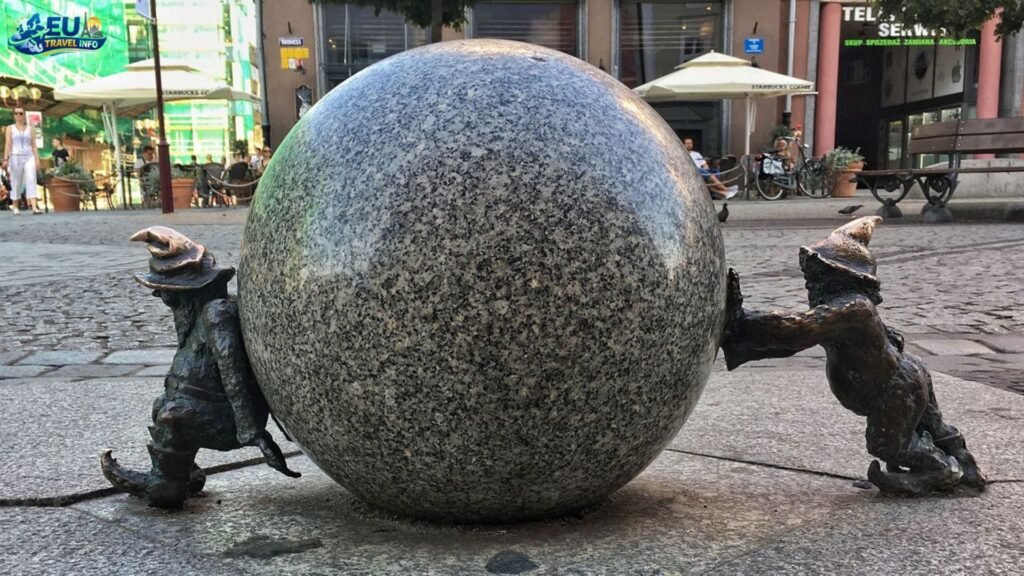
I hopped on a bus to Wrocław. This city is famous for its gnomes. There are more than 800 small bronze statues hidden everywhere. I felt like a kid trying to find them. I saw about 50 in one day. First of all, look near the town hall. Later, check the windowsills of the shops.
I visited Cathedral Island at sunset. I saw the lamplighter. He lights 103 lanterns by hand every evening. It is a magical sight. Similarly, the local food is great. I tried pajda chleba. This is a thick piece of bread with lard, sausage, and pickles. It is salty and delicious.
Day 7–8: Prague, Czech Republic – The Golden City
I took a bus from Wrocław to Prague. It took about 4.5 hours and cost me $35. Prague is a city of towers and bridges. I woke up at 7:30 a.m. to walk across the Charles Bridge before the crowds arrived. The statues looked eerie in the morning mist.
I climbed the Astronomical Clock Tower at 9 a.m. to look over the city. The view. Red roofs. Green domes. The river. On top of that, I visited the Prague Castle. Back in 2013, a prince actually gave my group a tour!. That does not happen now, but you can still walk the grounds for free.
Plus, you have to try the beer. The Czech Republic is famous for it. I visited the Pilsner Urquell Experience. I also ate plenty of duck and red sauerkraut. It is the perfect meal for a cold day.
Day 9: Bratislava, Slovakia – The Friendly Capital
I caught a bus to Bratislava. Be careful, because Prague has two bus stations! I went to the wrong one and had to buy a new ticket. The ride was about four hours. Bratislava is smaller than Prague. It feels like a big town.
I walked to the Main Square. I saw the Blue Church. It looks like a blue gingerbread house. Also, I took a photo with Čumil. He is a bronze statue of a man peeping out of a manhole. I spent my night at the Christmas markets. I ate langoš, which is fried dough with garlic and cheese.
Day 10: Budapest, Hungary – The Queen of the Danube
I ended my trip in Budapest. The city is split by the Danube River. One side is Buda and the other is Pest. I took a boat ride at night to see the Parliament Building. It glows with gold lights. I think it is the most beautiful building in Europe.
I soaked in the Széchenyi Spa. It was built in 1881. The water is hot and full of minerals. It is the best way to relax after ten days of walking. Finally, I visited a ruin pub in the Jewish Quarter. These are bars built in old, abandoned buildings. They are full of quirky art and fun people.
Alternative Choice: The Bulgaria and Romania Route
If you have already seen Poland and Prague, you might want to try Bulgaria and Romania in 2026. This route is even more off the beaten path. You can start in Sofia, Bulgaria. I recommend a tour of the Rila Monastery. It was founded in the 10th century. The walls look like a fortress.
Gradually, you can move north to Bucharest, Romania. They call it the “Paris of the East” because of the beautiful architecture. You must visit Bran Castle. People call it Dracula’s Castle. It was built in 1377 and sits on a high rock. It is spooky and fascinating.
Practical Tips for Your 2026 Adventure
Getting Around
The best way to travel between these cities is by train or bus. In 2025, a new direct train service started connecting Vilnius, Riga, and Tallinn. For the route I described, FlixBus is very cheap and reliable. I often booked my tickets just a few days in advance. However, you should book early for summer weekends to get the best price.
Money and Costs
Most of these countries use the Euro now. Croatia joined in 2023. Poland, the Czech Republic, and Romania still use their own money, but you can use your credit card almost everywhere. I found that Poland is about 30% to 50% cheaper than Western Europe.
Safety
I never felt unsafe during my travels. Poland is actually ranked as one of the safest countries in the world. Just use common sense in crowded areas like the Charles Bridge to avoid pickpockets.
When to Go
I love visiting in the fall. The leaves are changing and the weather is cool for walking. May and September are also great because there are fewer tourists. If you love Christmas, go in December. The markets in Wrocław and Bratislava are some of the best I have ever seen.
FAQ
Do I need a visa to visit these countries in 2026?
If you are from the USA, Canada, or Australia, you can stay for up to 90 days without a visa. You just need a valid passport with at least six months left on it.
Is it easy to find people who speak English?
Yes. Most young people and workers in hotels and restaurants speak good English. I used Google Translate for signs and menus, and it worked perfectly.
Should I rent a car for this trip?
I do not recommend it. Parking is very hard to find and expensive near the Old Towns. The trains and buses are so good that you do not need a car.
What should I pack?
You should pack in layers. The weather can change quickly. I always bring comfortable walking shoes because you will be on your feet a lot.
Are the trains and buses accessible for older travelers?
Most modern trains and buses are comfortable. However, be ready for some steep steps and high luggage racks. Many old towns have cobblestones, which can be hard on the knees.
Concluding Words
This Ultimate Eastern Europe Itinerary 10 Days is the perfect way to see the best of the region in 2026. You will experience the history of Poland, the beauty of Prague, and the warmth of Budapest. I think you will fall in love with the affordable prices and the friendly people. Pack your bags and get ready for a trip you will never forget.