I moved to Germany from the United States in 2020 and I brought my dog with me. This journey was not easy, but I was never going to leave my best friend behind. I managed the move and I have learned so much about Dog Friendly Rentals and Holidays in Germany since I arrived. I want to share my story and a complete guide for you today. My Boston Terrier had to take a special cargo plane because his breed sometimes has breathing problems. I researched the rules for months before my move date. Germany is actually a very dog friendly country. Though the process involves some paperwork, you will be happy that you brought your pet on your European adventure. Plus, your dog will have a great quality of life here.
Planning Your Big Trip to Germany
First of all, you must understand that bringing a pet from another country is complex. The rules vary based on where you come from and which airline you use. I checked the policy of Lufthansa before I booked my flight. They allow dogs smaller than eight kilograms to travel in the cabin as carry-on baggage. Larger dogs must go in the cargo hold as excess baggage. However, the law in Germany and the European Union is very strict about health. Your dog needs an ISO compliant 15-digit microchip. This chip must be in the dog before the rabies vaccine is given. Therefore, your vet must scan the chip every time they give a shot.
At that time, I made sure my dog had a valid rabies vaccination. This vaccine must be given at least 21 days before you enter Germany. You also need an EU health certificate. A USDA-accredited veterinarian must complete this within ten days of your departure. Additionally, the certificate needs a USDA endorsement. I used a pet cargo service to help me with the paperwork. It cost me about $2,000, but it made the coordination much easier. I cannot imagine doing all that transportation and communication alone. Later, I found that my dog made it through the border just fine because I prepared so well.
Finding a Place to Stay
Finding a dog friendly accommodation in germany is a major part of the puzzle. I read that more than 60% of landlords do not want dogs or cats in their apartments. This can make a long-term search difficult. You should only look at places that say they are pet friendly. I was lucky and I found a place in Berlin quickly. However, the rules for short-term stays are often much easier. Most hotels in Germany allow dogs to stay. I found that 71% of hotels in Munich and 64% of hotels in Berlin allow pets. Usually, you will pay a small fee starting from around €10 per night.
On top of that, many hotels give you a special door-hanger. It says “dog in the room” so the staff knows to be careful. You can even take your dog to the hotel restaurant or bar most of the time. I recommend the Vienna House Easy by Wyndham in Munich. It is a 4-star hotel and it has a laundry room and a sauna. Similarly, the 25hours Hotel Bikini Berlin is very hip and it welcomes dogs warmly. If you like historic towns, try Hotel Theophano in Quedlinburg. It is in a charming building on the main square. Also, the Mövenpick Hotel in Hamburg is in the middle of a park. This makes it so easy to walk your dog in the morning.
The Best Dog Friendly Holiday Companies and Rentals
If you prefer a house, there are many Dog Friendly Rentals and Holidays in Germany with fenced yards. I love the Black Forest for this reason. The Roth family has a “dream holiday home” in Enzklösterle. It has a large living area and a state-of-the-art kitchen. Many of these homes have fenced properties so your dog can run free in the garden. You do not have to worry about them running into the road. Some rentals even provide orthopedic dog mattresses and food bowls for free. This is helpful if you do not have space in your luggage. The Chalet Waldschatz in Alpirsbach-Reinerzau has a sauna and a fireplace. It is perfect for 7 people and their pets.
Additionally, the Wellness Holiday Home Fronwald is a spacious wooden house. It is 170 square meters and it can fit 14 people and 14 dogs. It has a whirlpool and a wood-burning stove. Finally, the Historic Gerberhaus is in the heart of Alpirsbach. It has a fenced garden and an authentic atmosphere. I also found the Dierhagen Cabins on the Baltic Sea. These are black-wood cabins right on the white-sand beaches. They are surrounded by pine trees and have modern interiors. Plus, the Müritz Water Tower has industrial-chic apartments at the water’s edge. Only the ground-floor apartment allows dogs, so book early.
Exploring the Baltic Sea Beaches
The coastline of Mecklenburg-Vorpommern is 2,000 kilometers long. You will find dog friendly places in germany all along this coast. My dog loved jumping into the waves and playing in the sand. First of all, you should visit the dog beach in Binz. It is at the Nordstrand between beach accesses 50 and 51. Dogs can run off the lead here all year round. There is a beach bar and a snack bar nearby for fish sandwiches. However, you must pay attention to the signs. Between May 1 and September 30, dogs are not allowed on the main beach in Binz. They must stay in the designated dog sections.
Gradually, I explored other spots like Prerow. This beach is five kilometers long and up to 80 meters wide. The sand is like fine powdered sugar. You can find it between accesses 22 and 23. There are cold showers and toilet containers behind the dunes. Note that dogs must be kept on a lead in the village and on the beach all year round here. Similarly, the Ahrenshoop dog beach at access 3 has an artists’ colony flair. It is very peaceful and smells like pine trees. Therefore, it is ideal for digging and splashing around. Plus, you can visit the viewing platform at Grenzweg for a great view.
Later, I visited Lubmin on the western edge of a 5 km sandy stretch. It has wide shallow water and sandbanks. This is very safe for dogs to refresh themselves. You can run your dog off-leash in the designated section during the main season. Also, there is a drinking water tap for dogs near the seaside bridge. Boltenhagen is another favorite spot near Tarnewitz. Accesses 21 and 22 have a wide carpet of light sand. There are poo bag dispensers at every dog beach sign to keep it clean. Additionally, you should walk to the marina for fresh fish from the cutter.
Finally, I want to mention Kühlungsborn and Warnemünde. Kühlungsborn is very central and near many restaurants. During the season, dogs can run free on sections 1, 12-13, and 25-28. Warnemünde is near the town center between accesses 8 and 10. It has clear rules for the high season. Dogs can only use that section between 9 pm and 9 am. However, the Diedrichshagen dog beach nearby allows off-leash fun all year. Similarly, Zierow has a natural beach with sweeping views. Rerik has a natural beach with cliffs at the “Devil’s Gorge”. You must use a steep staircase to get there. Lastly, Nienhagen has a “ghostly forest” with bizarrely shaped trees. It is very mystical at sunset.
Hiking in the Mountains and Forests
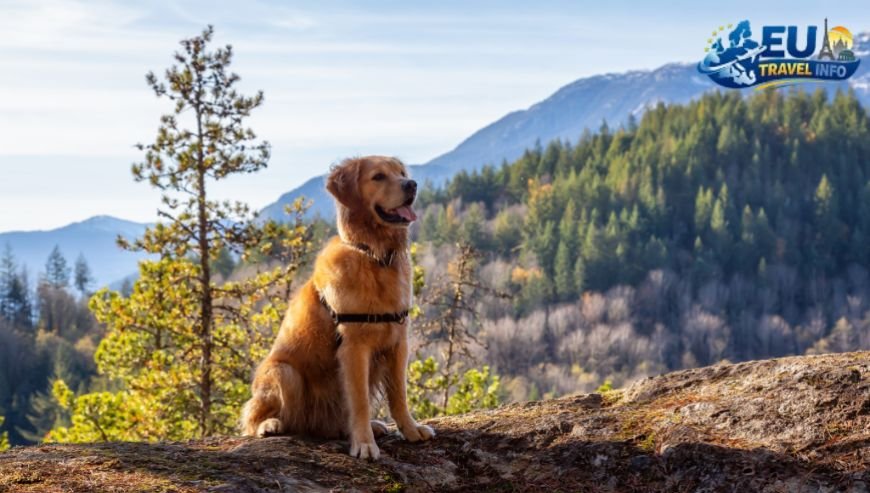
The dog friendly holidays germany offers are perfect for active people. The Black Forest is a wonderful destination for a hiking vacation. One of the best spots is the Feldberg. It is the highest mountain in the region. It has fantastic views and many trails. Though your dog can hike anywhere there, they cannot swim in the Feldsee lake. On the contrary, your dog can swim in the Schluchsee. It is one of the cleanest lakes in Germany. It has deep blue water and many spots for dogs to bathe. I also suggest the Titisee for a pedal boat ride with your furry friend.
Furthermore, there are famous long-distance trails. The Westweg leads through the entire Black Forest. It is great for dogs that like to run many kilometers. Additionally, the Walderlebnispfad is a forest adventure trail. It is fun for families and dogs because it is a sensory trail. The Schluchtensteig is a more difficult trail through ravines. Plus, you can try the Zweiseenblick hike. It gives you a view of both the Titisee and Schluchsee. You must always keep your dog on a lead in nature reserves. Also, follow the local signs about swimming in the lakes.
Bavaria is another premier hiking destination. The Bavarian Alps have well-maintained trails etched into the stone. I love the Partnachklamm Gorge in Garmisch-Partenkirchen. It is a misty oasis in the summer and a wonderland of icicles in the winter. You walk along a river and through tunnels. It is only a 20-minute walk from the Olympic Stadium. Similarly, the Wimbachklamm Gorge has waterfalls tumbling down mossy walls. You walk on an elevated wooden walkway. It feels like a magical world. Therefore, you should extend the hike to the Wimbachschloss hut for lunch.
Traveling within Germany with Your Dog
I have mentioned before that traveling from Germany to the rest of Europe is easy. Traveling with your pet is also very simple. You can bring your dog on all public transportation. This is not something I saw much in the U.S.. First of all, you should check if your dog needs a ticket. Small dogs that fit in a container or a bag travel for free. For larger dogs, you usually need to buy a child’s fare ticket. They must also wear a leash and a muzzle. However, if you have the Deutschland Ticket, you can bring your dog for free in many regions.
Later, I used the trains of Deutsche Bahn to explore the country. If you buy a regional or Germany-wide ticket, dogs not in a carrier count as an extra passenger. If two people and a dog travel, you buy a ticket for three people. You just write “Hund” instead of a name on the ticket. In Berlin, dogs not in a carrier need a reduced fare ticket. But if you buy a day ticket for yourself, your dog can often join you for free. I found that most ticket inspectors are very friendly. Plus, you can bring your dog on local trains, metros, trams, and buses. Just remember that they are not allowed on the seats.
Dining Out and Shopping
Most dog friendly hotels in germany also have dog friendly restaurants. By default, most restaurants and cafes allow dogs inside and outside. If they do not, they will usually have a sign at the door. I like to walk in like it is the most normal thing in the world. The staff might even ask if your dog wants some water. However, there are some exceptions. Many kebab shops and some burger restaurants do not allow dogs inside. Traditional brauhaus restaurants are usually a safe bet in the winter. I visited one in Wittenberg that was very welcoming.
On the contrary, German bakeries are usually off limits. They often have a sign saying “Wir müssen draußen bleiben” which means “We must stay outside”. This is because food is openly displayed there. Similarly, grocery stores, supermarkets, and farmers’ markets are off limits. Though, you can bring your dog into most other stores and shopping malls. Always check the entrance for any signs. I found that dogs in Germany are held to high standards of behavior. They are expected to be well-trained and stay quietly at their masters’ feet. Taking your dog to behavior classes is common here.
Sightseeing and Activities
Germany offers many sightseeing spots where your dog can join you. Most outdoor spaces and gardens are open to pets. This includes the gardens around palaces and castles. First of all, you should visit Sanssouci Park in Potsdam. It is often called the German Versailles. Dogs are not allowed inside the palaces, but they can wander the fine parks with you all day. Additionally, you can cruise along the Rhine River. KD Cruises allows dogs on scheduled trips for a small surcharge of €3.90. My dog loved curling up in his bag while we looked at the vineyards and castles.
Another great activity is exploring the street art in Berlin. The East Side Gallery is a 1.3 km long part of the Berlin Wall with paintings. Your dog will enjoy the long walk while you take photos. Similarly, you can visit Neuschwanstein Castle in Bavaria. Dogs cannot go inside for the guided tours. However, you can walk around the exterior and see the view from the Marienbrücke bridge. Later, I visited the medieval town of Quedlinburg. It has narrow streets and half-timbered houses. Dogs are very welcome to join you there.
Finally, you can even visit some zoos with your dog. Tierpark Hellabrunn in Munich and Zoo Augsburg are both dog-friendly. You must keep your dog on a short leash and they cannot go into the animal houses. Note that Zoo Berlin does not allow dogs. Also, Christmas markets are a great place for pets. Many locals bring their dogs to browse for decorations and eat hearty food. I suggest the quieter markets in smaller towns like Ulm. They are less crowded and better for your furry friend.
Important Rules and Bureaucracy
Owning a dog in Germany involves some bureaucratic tasks. First of all, you must register your dog at the local dog registry or “Hunderegister“. This can often be done online. In Berlin, this registration costs €17.50. Doing so also sets you up for the annual dog tax called “Hundesteuer“. This tax costs about €120 per year in Berlin. However, the tax can be as high as €1,000 per year in some regions. You will get a small metal tag for your dog’s collar.
Additionally, you must purchase dog liability insurance called “Hundehaftpflichtversicherung“. This is required by law in many regions. Luckily, it is not very expensive and costs around €5 per month. This insurance covers any damage your dog might cause to other people or property. Germany also has “quiet hours” or “Ruhezeit“. This is usually between 10 pm and 7 am daily, and all day on Sunday. Therefore, if your dog barks a lot during these times, it could be a problem with your neighbors.
Gradually, you will need to find a veterinarian or “Tierarzt“. Most vets in large cities speak English. The challenge is that their receptionists might not. I used Google Translate to help me speak with the gatekeepers. If you want to travel to other EU countries later, you need a Pet Passport from your vet. Finally, be aware of breed restrictions. Germany prohibits the import of certain breeds like Pit Bull Terriers and Bull Terriers. Neither can you bring crosses of these breeds. There are exceptions for tourists staying less than four weeks, but you must have the right documents.
Shopping for Supplies
Finding food and supplies for your dog is very easy. There are little boutique stores everywhere. Plus, there are two big chains in most cities: Das Futterhaus and Fressnapf. You will find everything you need there. I also suggest carrying your own cotton bag to the store. Stores are usually closed on Sundays, so buy your dog food on Saturday. If you run out on a Sunday, you might find some at a petrol station or a train station.
Transitioning to Life in Germany
Living here with a dog is rewarding. Watching them explore new surroundings is meditative. It reminds us to be present and appreciate the world. Germany has progressive animal welfare laws, and pets are considered part of the family. I found that most people are very friendly toward dogs. About 99% of people say “Aww he is a cutie, can I pet him?”. However, in big cities, people might be more frightened of large dogs. Always keep your dog under control and pick up their poop. Germany stays clean because owners are responsible.
I hope this guide helps you plan your Dog Friendly Rentals and Holidays in Germany. Germany is a wonderful place for an adventure with your four-legged companion. Whether you are at the Baltic Sea or in the Black Forest, you will make memories that you will never forget. Just remember to do your paperwork and follow the local rules. Enjoy your European adventure!
FAQ
- What is the most dog-friendly city in Germany?
- Berlin is highlighted as a top city for dogs, featuring social dog runs in places like Tiergarten and Grunewald. Additionally, Munich has a particularly high percentage of pet-friendly hotels at 71%.
- Where can my dog go while I’m on holiday?
- Dogs can accompany you to designated dog beaches on the Baltic Sea, various lakes like those in the Mecklenburg Lake District, and on all forms of public transport. They are also allowed in most outdoor spaces, including gardens surrounding many palaces and castles.
- Where to go in Germany with a dog?
- The Baltic Sea offers numerous fine sandy dog beaches in regions like Binz and Ahrenshoop. Other excellent destinations include the Black Forest for its extensive hiking networks and the Bavarian Alps for mountain exploration.
- Do apartments in Germany allow pets?
- Finding an apartment can be difficult as over 60% of landlords do not want dogs or cats in their properties. While landlords cannot generally forbid all pets, they maintain a veto right for larger animals like dogs.
- What is the best place to vacation with dogs?
- The Baltic Sea is considered an ideal vacation spot due to its 2,000 kilometers of coastline and specifically designated dog beaches. The Black Forest is also recommended for its picturesque, dog-friendly accommodations and lakes.
- Which shopping mall can bring dogs?
- Dogs are nearly always allowed in German shopping malls and many types of shops. However, they are strictly forbidden in supermarkets and other stores where food is openly displayed.
- Is Germany dog-friendly?
- Yes, Germany is described as one of the most dog-friendly countries in Europe, where dogs are considered a normal part of society and even taken to work.
- Can dogs fly in cabin Lufthansa?
- Small dogs weighing less than eight kilograms are permitted to fly in the cabin as carry-on baggage.
Concluding words
Germany is a premier destination for pet owners, offering a vast array of dog-friendly holiday rentals and exclusive holiday homes equipped with orthopedic mattresses and fenced gardens. Travelers can visit diverse locations such as the Baltic Sea dog beaches, the Bavarian mountains, and the Black Forest hiking trails.
The country supports a high quality of life for pets through inclusive public transport and high standards of veterinary care. Although the long-term rental market requires transparency due to landlord preferences, Germany remains a deeply welcoming society for four-legged companions.