Austrian Food in St. Pölten is a topic that will make your mouth water if you love travel and great meals. You arrive in this city and realize it is a place where history meets modern life.
This city is the capital of Lower Austria, and it has a population of about 59,767 people as of the year 2025. You walk through the streets and see beautiful Baroque buildings next to very modern ones. The air smells like fresh bread and roasted meat.
First of all, you need to understand that the food here is about more than just eating. It is about a long tradition that uses local and seasonal items. People in this region take great pride in what they grow. Austrian Food in St. Pölten offers a mix of old classics and new styles that will surprise you.
A Morning Start at the Markets
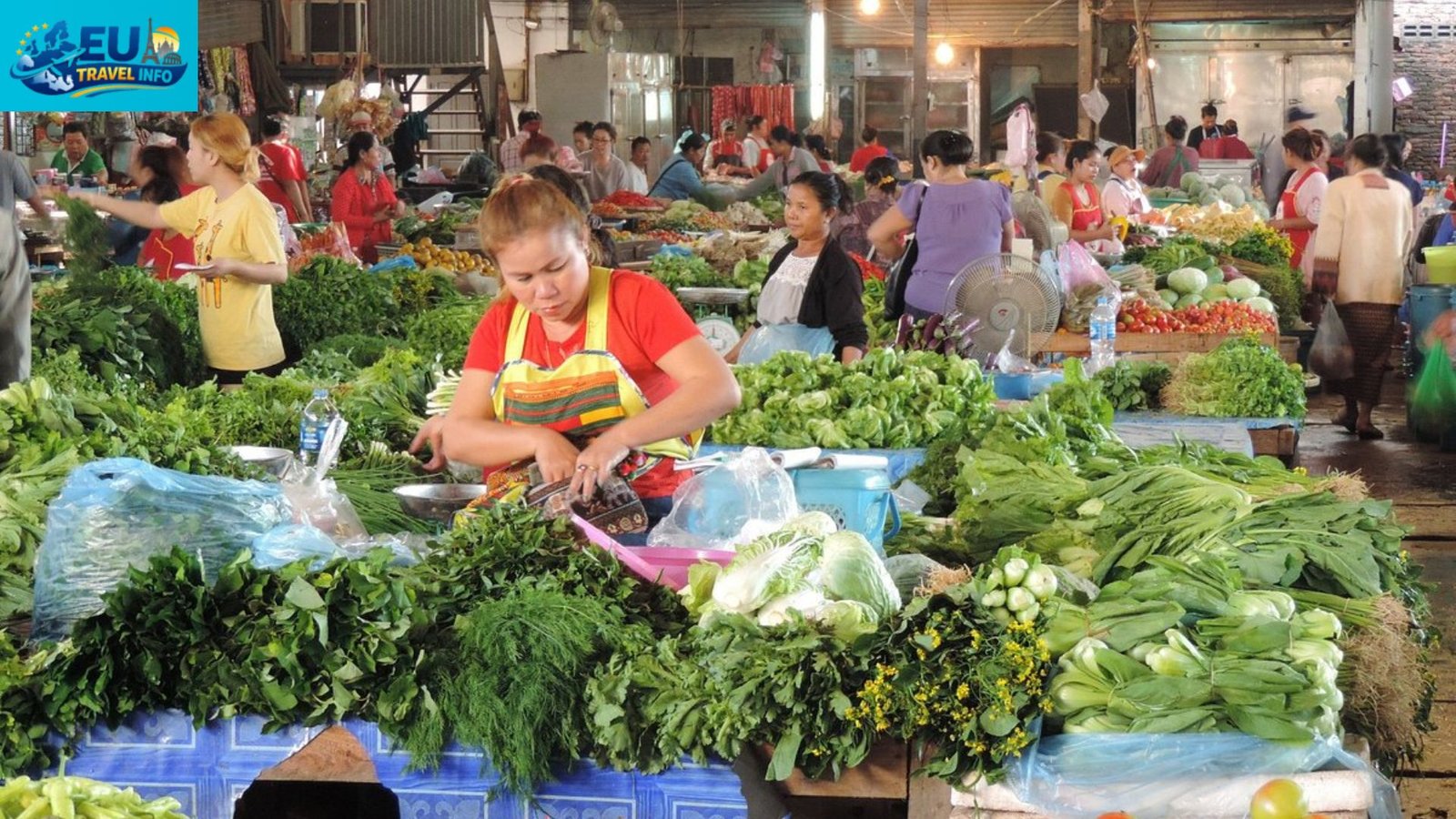
You wake up and want to see the real life of the city. First of all, you should go to the Cathedral Square, or Domplatz. This square was once the center of an ancient Roman settlement. Since the year 1786, it has been the home of a very popular weekly market. You can visit this market every Thursday and Saturday from 7:00 to 12:30.
The atmosphere is lively and fun. People call it the “belly of St. Pölten”. You see farmers who bring their own fruit and vegetables. You find fresh cheese, meat, and bread. It is a great place to meet local people who love good food.
Later, you might walk over to Herrenplatz. This square is in the very heart of the city. A daily market happens here, and it has existed since the Middle Ages. On Tuesdays, the city market adds even more choices like artisanal products. You see the Marian Column and a famous fountain with statues of “gossiping women”.
Rhetorical fragments: A local vibe. Fresh smells. Friendly faces.
Transition: After you see the markets, you will probably feel very hungry for a real breakfast.
Breakfast and Brunch Spots
You have many choices for a hearty breakfast in this charming capital. You should try Cafe-Confectionary Pusch on Domgasse 8. It is a cozy spot that locals love. Plus, you can visit Cafe Schubert on Herrenplatz 1. This cafe serves traditional coffee but also offers food with a modern twist.
If you want a view of the water, you go to The Seedose at the Viehofner See. It is located at Dr.-Adolf-Schärf-Straße 21. You sit by the lake and enjoy the quiet morning. However, you should remember to book a table in advance if you visit during the weekend. Many people want to enjoy their breakfast with a view.
Gradually, you will notice that coffee is a huge part of the culture here. You can order a Wiener Melange, which is half coffee and half milk foam. It is a classic choice for any traveler.
Traditional Main Dishes You Must Try
When lunch time arrives, you look for a traditional Gasthaus or inn. This is where the real Austrian Food in St. Pölten shines. The most famous dish you must try is the Wiener Schnitzel. In the original version, it is always veal. The meat is breaded and fried in pork lard until it is golden and crispy.
You usually eat it with a side of Erdäpfelsalat, or potato salad. The salad dressing often has a little sweetness to balance the crisp meat. It is a meal that makes every Austrian happy.
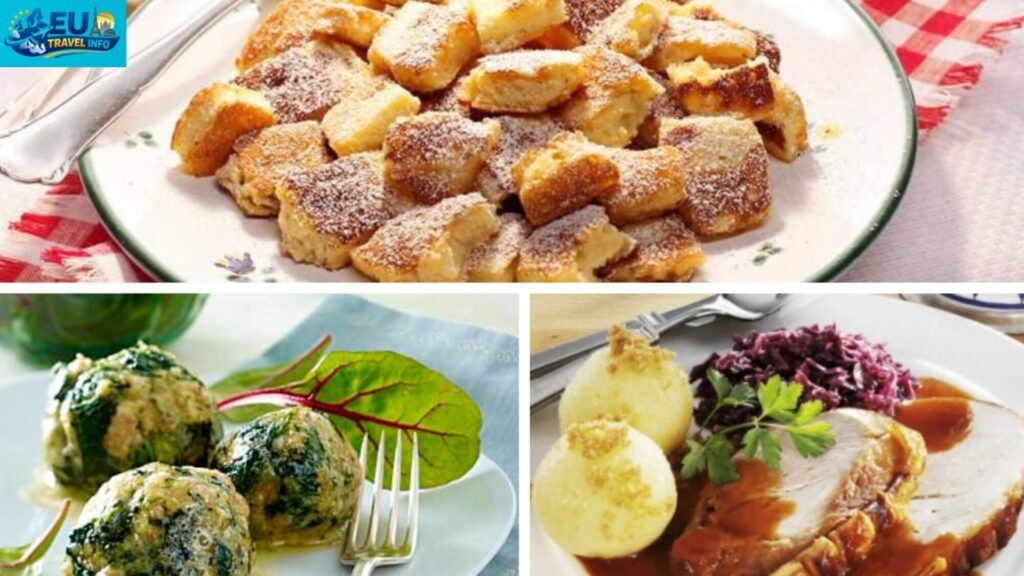
Another staple is Schweinsbraten, which is roast pork. This dish comes with sauerkraut and Semmelknödel, which are bread dumplings. It is heavy, warm, and very comforting. You might also see Sauerbraten or Rindsrouladen on the menu.
Additionally, you should look for Alt-Wiener-Backfleisch or Waldviertler Wildhuhn. These are local favorites that show the diversity of the kitchen. The portions are usually very generous.
Rhetorical fragments: Golden crusts. Rich sauces. Pure comfort.
Transition: While the meat is famous, you cannot forget about the amazing drinks that come from this region.
The Wine Culture of Traisental
St. Pölten is the gateway to a very special wine region called Traisental. This area is one of the smallest wine regions in Lower Austria, with only 815 hectares of vines. Though it is small, the quality is world-class.
First of all, you must try a glass of Grüner Veltliner. This grape is the flagship of Austria. In Traisental, it covers about 58.6% of the vineyards. The wine is fresh and has a peppery taste that experts love. It is a great match for a salty meal or a fatty dish.
Secondly, you should taste the Riesling. It grows on higher ground and has a mineral taste that reminds you of stones. It often smells like ripe apricots or peaches.
You can enjoy these wines at a Heuriger, which is a local wine tavern. Many of these are family-run and very cozy. You can eat a Heurigenjause there. This is a cold platter with ham, sausages, bacon, cheese, and spreads on a wooden board. It is a very social way to eat.
On top of that, you should try Most. This is a fermented cider made from pears or apples. It can be sweet or tart and is very refreshing. If you do not want alcohol, you can ask for Almdudler, a famous herbal soda.
Therefore, you will find that the drink culture is just as rich as the food culture.
Top Local Spots for Dinner
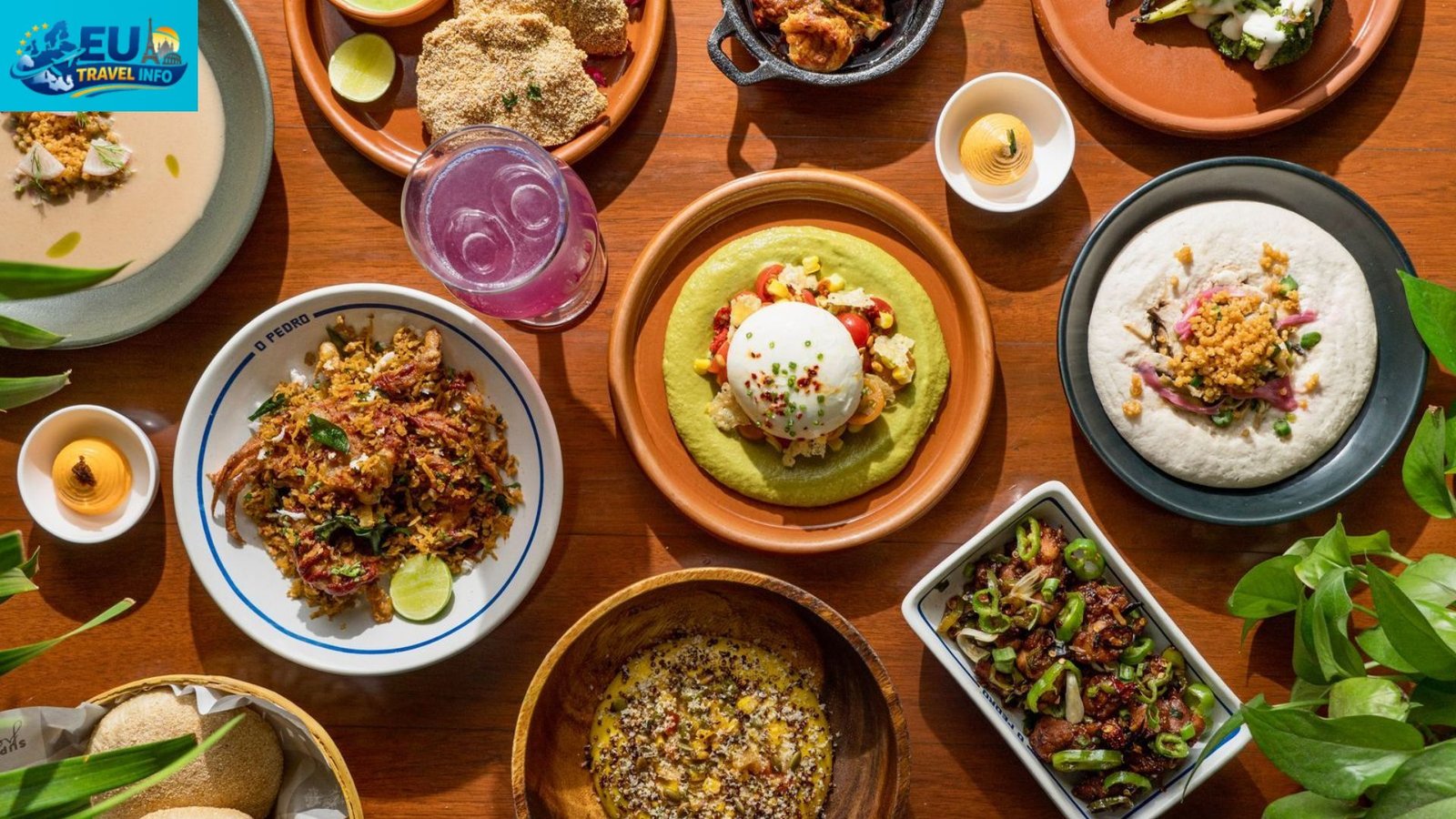
You want a special place for your evening meal. You should visit Vinzenz Pauli on Alte Reichsstraße 11. This restaurant focuses on “New Austrian Cuisine”. The chef, Werner Punz, uses classic recipes but adds influences from other countries. For example, you might find a mushroom ceviche next to traditional roast pork. They also care a lot about bio products and sustainability.
If you want a very fancy night, you go to Aelium in the Fuhrmannsgasse. The hosts previously worked in top restaurants in the Wachau region. They describe their food as “world-spanning” and seasonal. You can choose menus with five to eight courses. It is a true treat for your taste buds.
Similarly, Gaststätte Figl at Hauptplatz 4 in Ratzersdorf is a great choice. It sits under a beautiful, large tree that is protected by law. They serve regional and seasonal food. It is a favorite spot for people who want high quality in a relaxed setting.
On the contrary, if you want something different, you can visit Hotel-Gasthof Graf near the historic center. They offer down-to-earth home cooking and great hospitality. You can try their beef goulash or pancakes with homemade apricot jam.
Finally, if you love wine and cellars, you should check out Rendl Keller. It is located in a beautifully restored cellar and has a roof terrace for good weather. They serve Austrian classics with perfect wine pairings.
Sweet Treats and Desserts
You cannot leave St. Pölten without trying the desserts. Kaiserschmarren is a must. These are shredded pancakes that are caramelized and served with fruit sauce. They are light, fluffy, and very sweet.
Gradually, you will also find pastries made with poppy seeds, called Mohnnudeln. These are a specialty of the wider region. Additionally, look for anything with apricots, or Marillen. The Wachau valley nearby is famous for them, and they make amazing dumplings and jams.
If you are in a cafe, you might see Tafelspitz, which is boiled beef, but you will also see many cakes. The coffee house culture is a big part of life here.
Rhetorical fragments: Sugar rushes. Warm dough. Sweet memories.
Transition: Before you finish your trip, you should consider some practical tips for your visit.
Travel Tips for Foodies
You should know that most shops and markets are closed on Sundays. Restaurants and cafes usually stay open, but you should plan ahead. When you pay for a meal, it is polite to round up the bill or leave a tip of about 5% to 10%.
Austria has a strong cash culture. While big hotels and restaurants take cards, you should carry some cash for small cafes or outdoor markets.
If you want to move around easily, you can use the local bus system called the LUP. These yellow buses are very reliable. However, the city center is small and easy to explore on foot.
Frequently Asked Questions
What are the most popular Austrian foods to try in St. Pölten?
You should definitely try Wiener Schnitzel, which is breaded veal. Schweinsbraten, or roast pork, is also very common and served with bread dumplings and sauerkraut. For dessert, Kaiserschmarren is a favorite for many travelers.
Where can I find authentic Austrian food in St. Pölten?
You can find authentic meals in traditional inns called Gasthäuser. Good spots include Hotel-Gasthof Graf for home cooking or Vinzenz Pauli for high-quality regional ingredients. The weekly markets also offer very fresh and authentic local products.
Is traditional Austrian cuisine in St. Pölten expensive?
Prices in St. Pölten are generally moderate. They are often more affordable than in larger cities like Vienna. You can find a good meal at a reasonable price, especially in family-run taverns.
Which restaurants serve the best Austrian food in St. Pölten?
Many people enjoy Gaststätte Figl for its regional focus and Aelium for a more high-end experience. Vinzenz Pauli is also highly rated for its “New Austrian Cuisine”.
What local specialties should visitors try in St. Pölten?
You must try the Traisental DAC wines, especially the Grüner Veltliner. Most, a local fermented cider, is also very popular. Additionally, products made with Wachau apricots are a local treasure.
Are there vegetarian options in Austrian food in St. Pölten?
Yes, many modern restaurants like Vinzenz Pauli and Gaststätte Figl offer vegetarian and even vegan choices. Traditional desserts like Kaiserschmarren are also vegetarian.
When is the best time to enjoy Austrian food in St. Pölten?
The summer months are great because you can sit in beautiful gardens or by the lake. The spring is also special because of the Weinfrühling festival where many vineyards open their doors.
Concluding Words
St. Pölten is a wonderful city for anyone who loves traditional and modern food. You can explore busy markets, sit in cozy cafes, and enjoy world-class wines from the Traisental region.
Whether you want a crispy Schnitzel or a sweet plate of Kaiserschmarren, this city has something for you. You will find that the hospitality and fresh regional products make every meal an experience to remember.