You walk into a wood-panelled room where the smell of melted cheese and roasted meat fills the air. This is the heart of Europe, and you are about to eat your way through a history that spans centuries.
Traditional Austrian Meals are not just about filling your stomach. These dishes tell the story of an empire that once reached across many lands. You will find flavors from Hungary, Italy, and Bohemia all mixed into one delicious menu. Prepare yourself for a journey of the senses.
You Start Your Day with a Traditional Austrian Breakfast
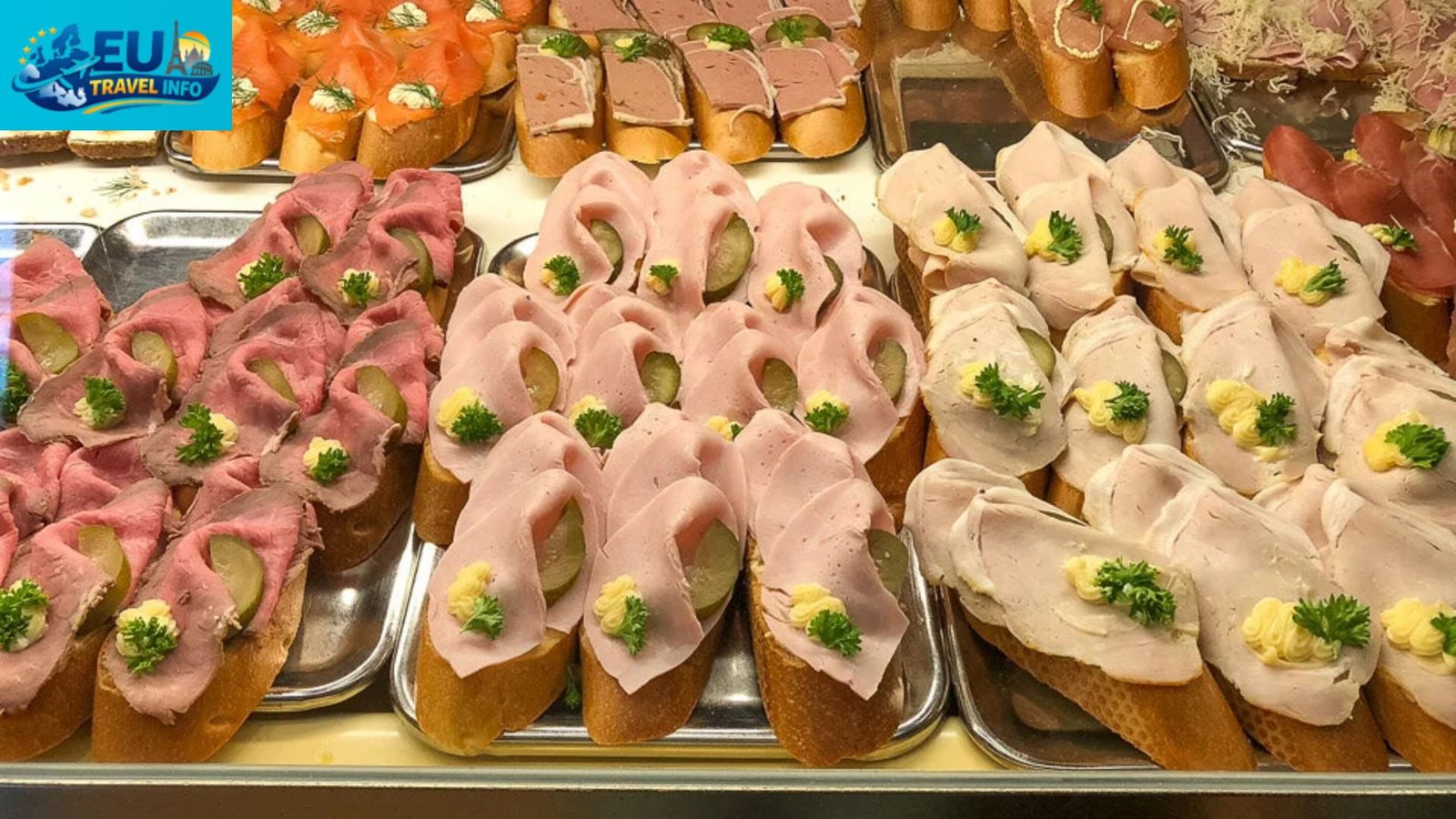
You wake up in Vienna as the sun hits the beautiful old buildings. You find a local cafe like Wirr or Ulrich to begin your morning. A traditional austrian breakfast is often called the Wiener Frühstück. You see a plate arrive with fresh, warm bread rolls called Semmel. Additionally, you get slices of ham, local cheese, and a soft-boiled egg. You spread sweet jam and creamy butter on your bread.
First of all, you must try the coffee. Austria has a famous cafe culture that people around the world admire. You order a Melange, which is the local version of a cappuccino. Later, you might try a farmer’s breakfast if you want something more savory.
This version includes thick slices of cheese, pickles, and high-quality deli meats like prosciutto. You pay about 23 Euro for a full meal for two people, including drinks. Therefore, you start your day feeling full and happy.
The King of the Table: Wiener Schnitzel
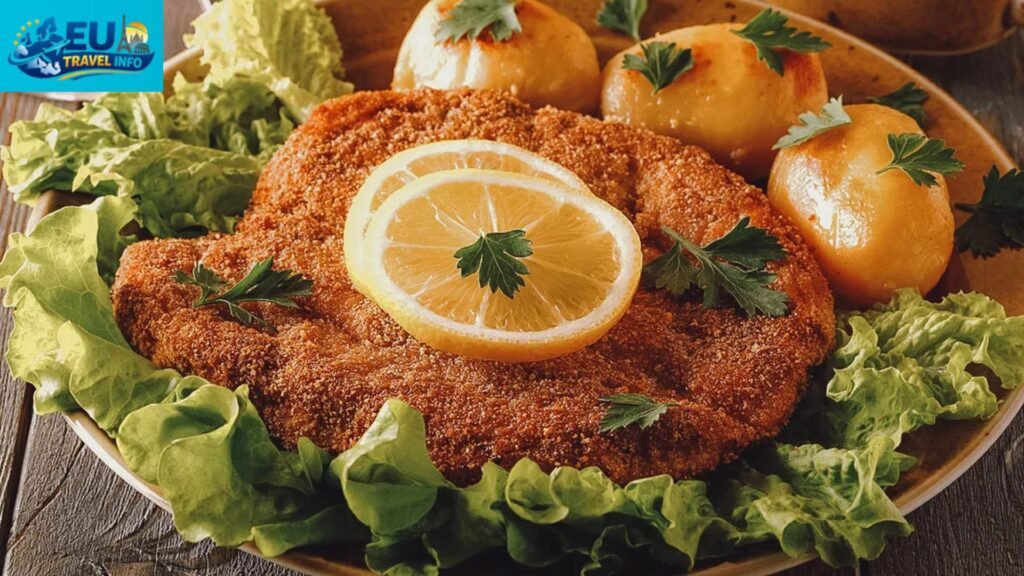
You cannot visit this country without eating its national dish. The Wiener Schnitzel is a classic austrian meals favorite that you will see everywhere. Though people think it is just fried meat, the process is an art. Chefs take a thin slice of veal and pound it until it is only 4 millimeters thick. They roll it in flour, whipped eggs, and breadcrumbs.
Gradually, the meat goes into a pan of hot lard or clarified butter. The fat must stay between 160 and 170 degrees Celsius. You watch the breading puff up as the chef tosses the pan. This creates a light and crispy texture that separates from the meat. Finally, the golden-yellow masterpiece arrives at your table.
You usually eat this with a side of Erdäpfelsalat, which is a local potato salad. This salad often has finely chopped onions and a warm broth dressing. You also get a wedge of lemon and a bit of lingonberry jam. Additionally, you might see creative versions topped with cheese or served in a bread roll called a Schnitzelsemmerl. It is a simple recipe, but the taste is legendary.
A Royal Favorite: The Boiled Beef Tafelspitz
You might think boiled beef sounds boring, but you would be wrong. Tafelspitz was the favorite food of Emperor Franz Joseph I. It has a “cult status” in the city of Vienna. The name refers to a specific cut of beef from the back of the cow near the tail. This meat is lean but has a thin layer of fat on top to keep it juicy.
Chefs boil about 1.5 kilograms of beef in a large pot with root vegetables like carrots, leeks, and celeriac. The meat simmers for 2.5 to 3 hours until it is soft enough to melt in your mouth. However, the chef only adds salt after the first 2 hours of cooking. This keeps the meat tender and the broth clear.
You eat this meal in a specific way. First, you enjoy the clear beef soup with the vegetables. Then, you eat the sliced beef as your main course. You serve it with a mix of apple and horseradish sauce, or a creamy chive sauce. Plus, you get roast potatoes and creamed spinach on the side. It is a healthy and filling meal that makes you feel like royalty.
Hearty Alpine Comfort: Tiroler Gröstl
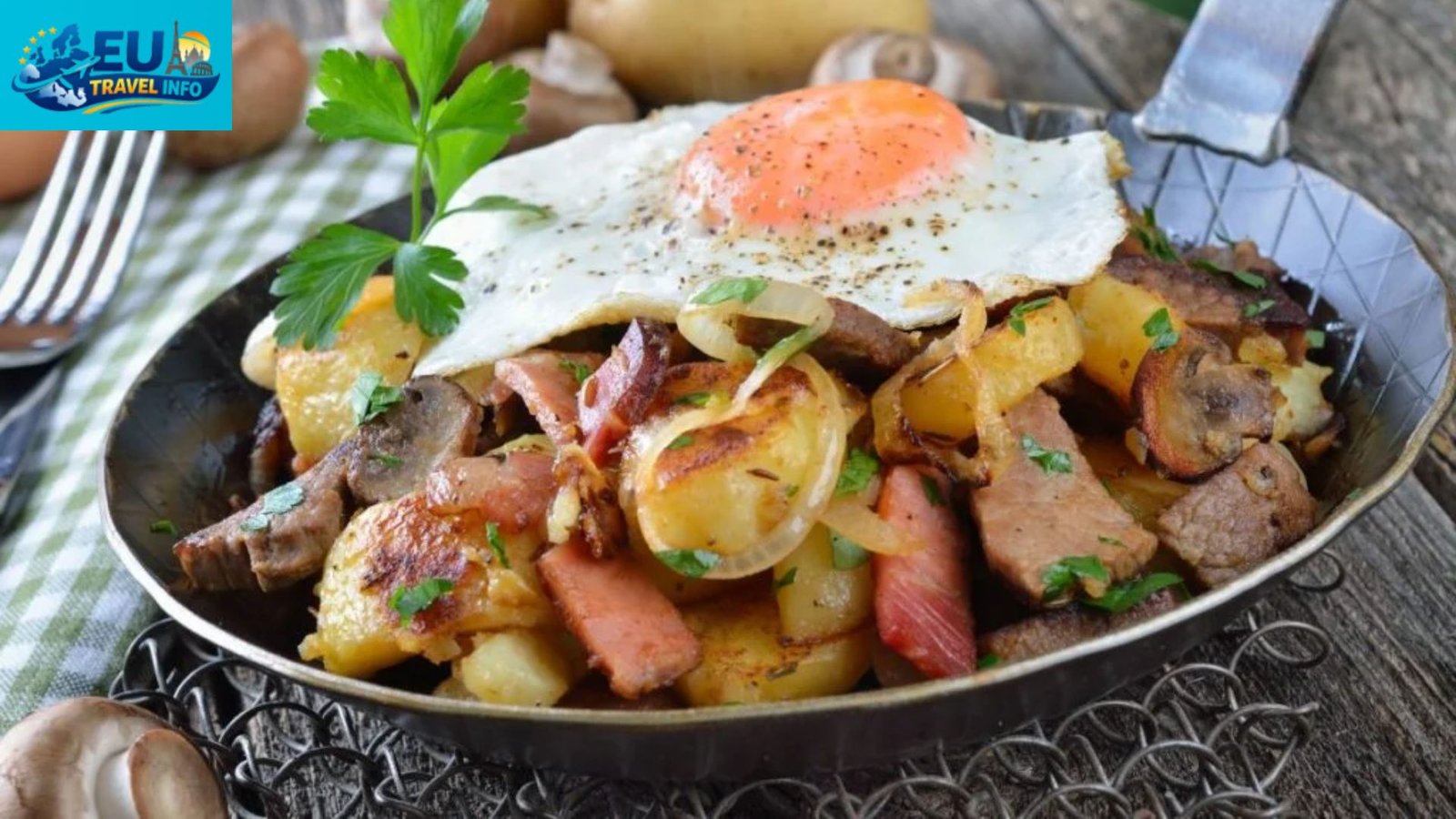
You find yourself in the mountains of Tyrol after a long day of hiking or skiing. You are very hungry and need something strong. You order Tiroler Gröstl, which is a savory potato and meat hash. This dish started as a way to use up leftover roast meat from Sunday dinner.
The cook fries diced potatoes and onions in a pan until they are golden and crispy. They add bits of cooked beef or bacon. Everything is sprinkled with chopped parsley. On top of that, a fried egg sits on the very top. You eat this directly from a sizzling iron pan. It is a simple recipe that warms your soul on a cold winter day.
The World of Plump Dumplings
You will see dumplings, or Knödel, on almost every menu in the country. These are the most typical austrian meals side dishes you can find. You see them made from bread, potatoes, or even soft cheese.
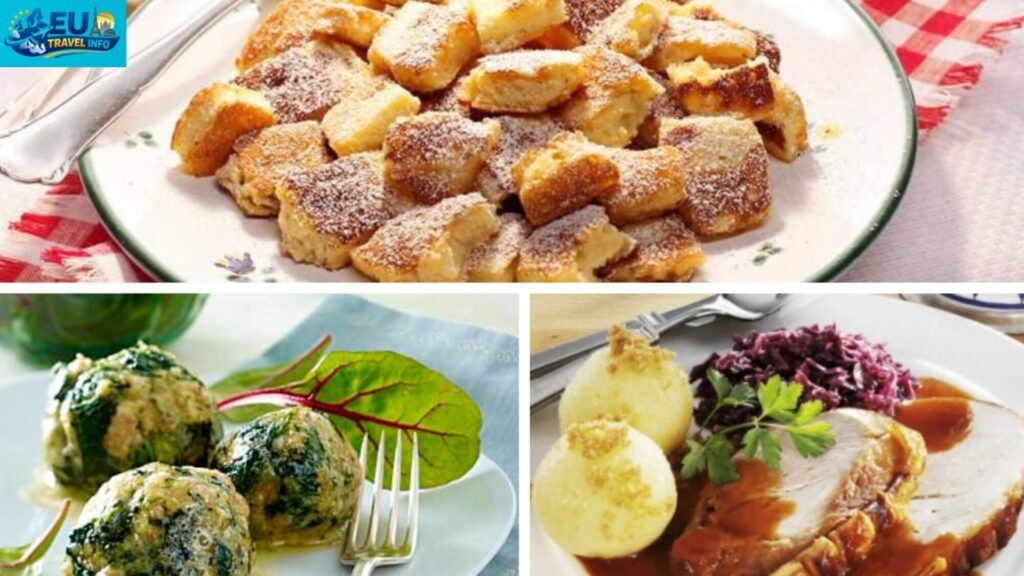
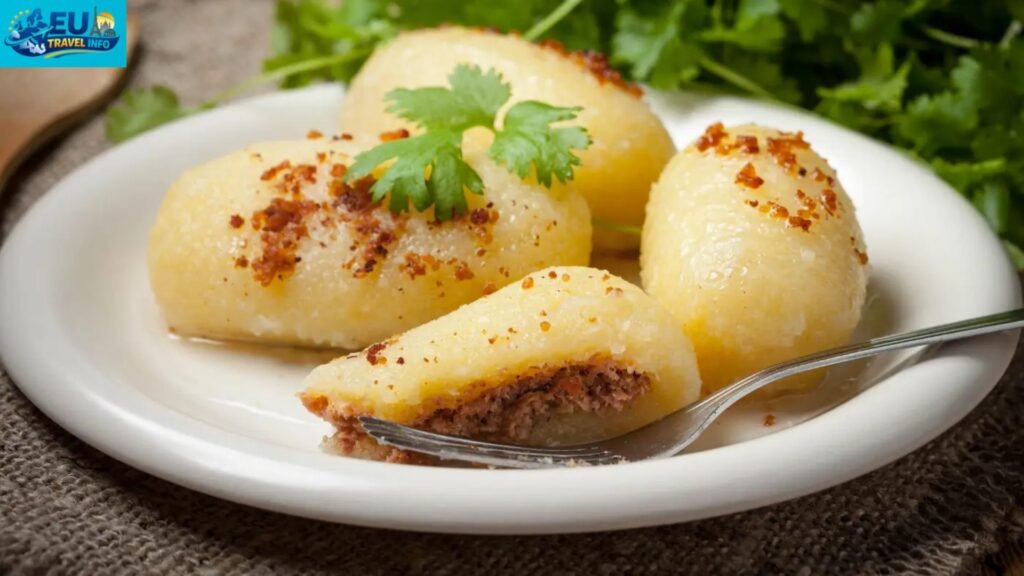
Tiroler Speckknödel are large bread dumplings with small pieces of bacon inside. They are the size of a fist and taste very savory. You might also find Kaspressknödel, which are flat cheese and potato dumplings. Cooks fry these in butter until the edges are crispy. Similarly, you find sweet versions like Marillenknödel. These are potato dough balls with a whole apricot hidden inside. You roll them in fried breadcrumbs and cinnamon sugar for a perfect summer treat.
Cheesy Goodness: Kasspatzln and Kasnockn
You love cheese, so you must try Kasspatzln. This dish uses soft egg noodles mixed with grated mountain cheese. The chef serves it in the same pan used for cooking. When you take a bite, the melted cheese stretches into long, gooey strings.
On top of that, you find a pile of crispy fried onions. People expect this hearty meal after a long day of activity in the Alps. It is a very filling dish that you can share with your friends. In fact, it is the only vegetarian dish you can find in almost every restaurant in the country. Therefore, it is a great choice if you do not eat meat.
A Taste of the Wild: Hirschfleisch and Game
You might notice wild game on many menus, especially during the autumn season. Hirschfleisch, or deer meat, is a popular choice for foodies. You can order a deer escalope stuffed with mushrooms, bacon, and onions.
The meat is tender and takes on the flavor of the rich sauces it is cooked in. You often eat this with Rotkraut (red cabbage), Spätzle noodles, and a tart cranberry sauce. At that time of year, you also find wild boar and hearty mushroom stews. It is a unique way to experience the flavors of the large forests in the region.
The Art of the Snack: The Tyrolean Marend
You want a light meal to share with friends while you socialize. You order a Marend, which is a classic snack spread. In the past, this was the meal for farmers and shepherds working in the mountains. Today, it is a social occasion that brings people together.
The waiter brings a large wooden block covered in mountain cheeses, cured meats, and sausages. You also get lard spreads and thick slices of rye or sourdough bread. You sip on a glass of local wine or beer while you chat. It is an invitation to relax and enjoy the moment.
Sweet Ends: Traditional Austrian Desserts
You must save room for dessert because Austria is world-renowned for its sweets. Traditional austrian desserts are the highlight of any trip. First of all, there is the Sachertorte. This rich chocolate cake has a layer of apricot jam and a thick chocolate glaze. It was invented in 1832 by a 16-year-old apprentice named Franz Sacher. You should eat it with a large dollop of fresh whipped cream.
Another famous treat is the Apfelstrudel. The pastry dough is stretched so thin that you can almost see through it. It is filled with sweet apples, cinnamon sugar, and rum-soaked raisins. You eat it warm, often with a side of vanilla sauce.
If you want something fun, try Kaiserschmarrn. This is a thick, fluffy pancake that the chef breaks into small pieces while it cooks. You get it with a dusting of icing sugar and a fruit sauce made from plums or apples. Legend says the Emperor Franz Joseph I loved this “messy” pancake. Plus, you can even order it as a main course because it is so filling.
Unique Cakes and Treats
You might see a cake cooking on a spinning cylinder over an open fire. This is Prügeltorte, a special ringed cake. The baker brushes layers of batter onto the cylinder one by one. Once it is finished, you fill the center with cream and berries. Half the fun is watching the cake being made right in front of you.
Similarly, you find the Linzer Torte, which is a nutty tart with a lattice top. The crust uses ground hazelnuts or walnuts and a thick layer of preserves. It is one of the oldest known cake recipes in the world, dating back to at least 1653. These traditional austrian cake options are perfect for a special holiday treat.
What to Drink with Your Meal
You need the right drink to match your food. Austria has over 15,000 students learning about its famous wines every year. Grüner Veltliner is the most famous white grape variety. It is a fresh and spicy wine that goes perfectly with Wiener Schnitzel. If you eat beef, you might prefer a fruity Zweigelt red wine.
Beer is also a big part of the culture. You can try unfiltered lagers or wheat beers at local breweries. Tyrolean beer is legendary and goes well with hearty dishes like roast pork. Finally, you must finish your meal with a shot of Schnaps. These are locally distilled from pears, plums, or mountain herbs. You should sip it slowly to let the heat warm you from the inside out.
How to Find the Best Food
You want to eat like a local, so look for the “Tiroler Wirtshaus” logo. This sign means the inn is family-run and uses ingredients grown in the region. There are over 130 of these authentic places across Tyrol. Additionally, you should visit an Almhütte, or mountain hut. The air is fresh and the views are beautiful while you eat your sizzling pan of Kasspatzln.
When you eat out, remember local etiquette. You should tear off pieces of bread by hand rather than cutting them with a knife. Also, do not rush your meal. A traditional lunch or dinner is a social event that should last for hours. You can thank your server with a friendly “Danke!” and leave a small tip of a euro or two.
Frequently Asked Questions
What are the most popular traditional Austrian meals?
The most famous dishes you will find are Wiener Schnitzel (breaded veal), Tafelspitz (boiled beef), and Tiroler Gröstl (potato and meat fry-up). People also love various types of dumplings called Knödel.
What ingredients are commonly used in traditional Austrian meals?
Most recipes focus on meat like beef, pork, and poultry. Root vegetables such as carrots, onions, and potatoes are very important. You will also see a lot of dairy, especially mountain cheeses and cream.
Are traditional Austrian meals suitable for vegetarians?
Traditional food often uses a lot of meat, but you can still find great plant-based options. Kasnockn (cheese noodles) and Krautfleckerl (cabbage pasta) are popular meat-free choices. Many mountain huts and hotels now offer special vegan menus as well.
What is the difference between Austrian and German traditional meals?
Austrian cuisine is a mixture of traditions from the old Austro-Hungarian Empire, including Bohemian and Hungarian influences. Though similar to Bavarian food, Austrian dishes often have more variety from across the Alps and Eastern Europe.
Which traditional Austrian meals are best for tourists to try?
You should definitely start with a Wiener Schnitzel and an Apfelstrudel. If you visit the mountains, try Tiroler Gröstl or Kasspatzln for a true alpine experience.
Are traditional Austrian meals influenced by other European cuisines?
Yes, it is a melting pot of flavors. You will find strong influences from Italy, Hungary, and the Czech Republic. Even the croissant is thought to have started in Vienna.
Where can you find authentic traditional Austrian meals?
You should look for family-run inns called a Wirtshaus or hike up to a mountain hut called an Almhütte. These places offer the most honest and local versions of traditional austrian food.
Concluding Words
Traditional Austrian Meals offer a rich journey through European history. You will enjoy everything from crispy Wiener Schnitzel to sweet Apfelstrudel. These dishes use local ingredients and time-honored recipes to create a warm and welcoming experience.
Whether you eat in a city cafe or a mountain hut, you will find food that satisfies your body and soul.