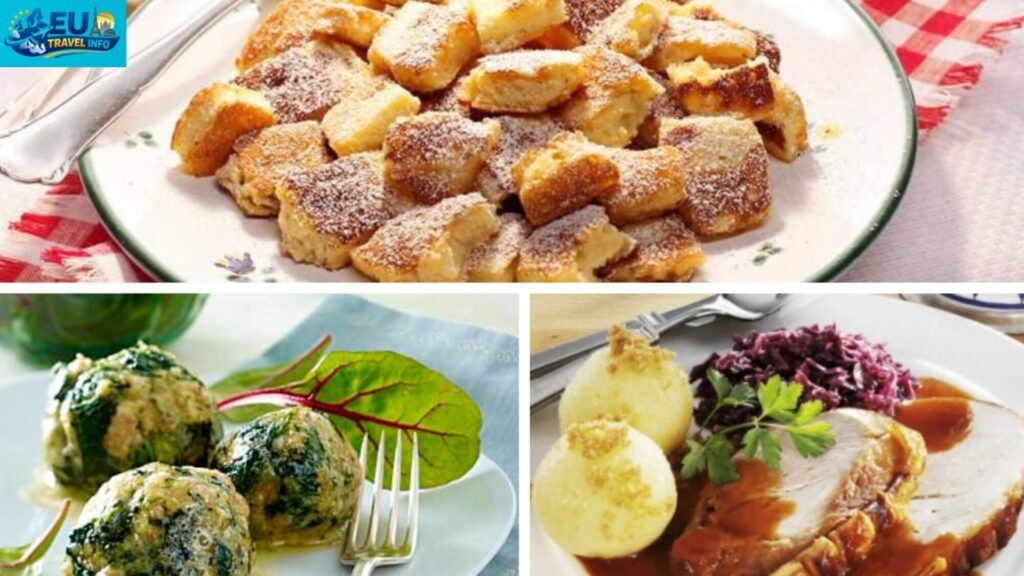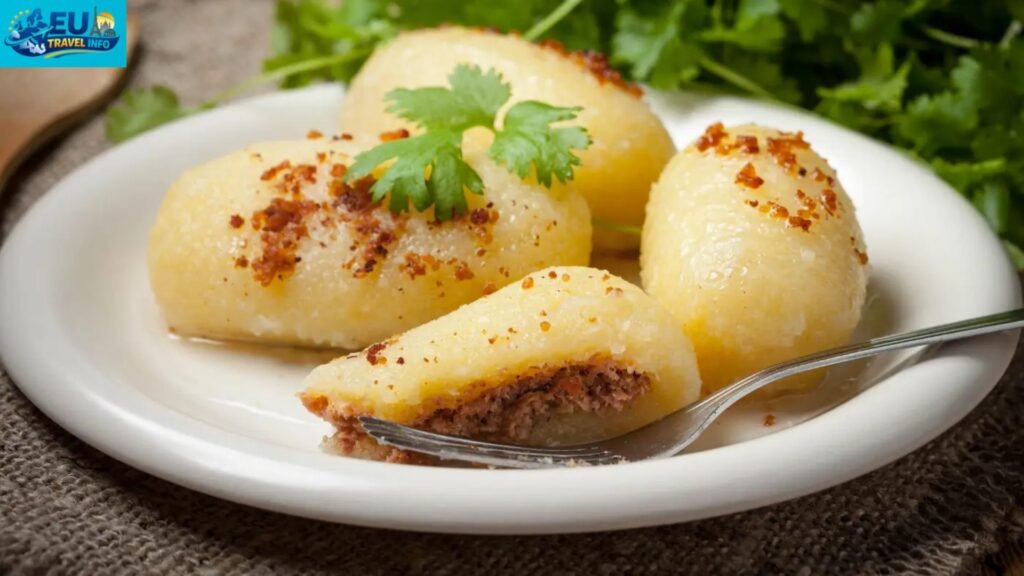
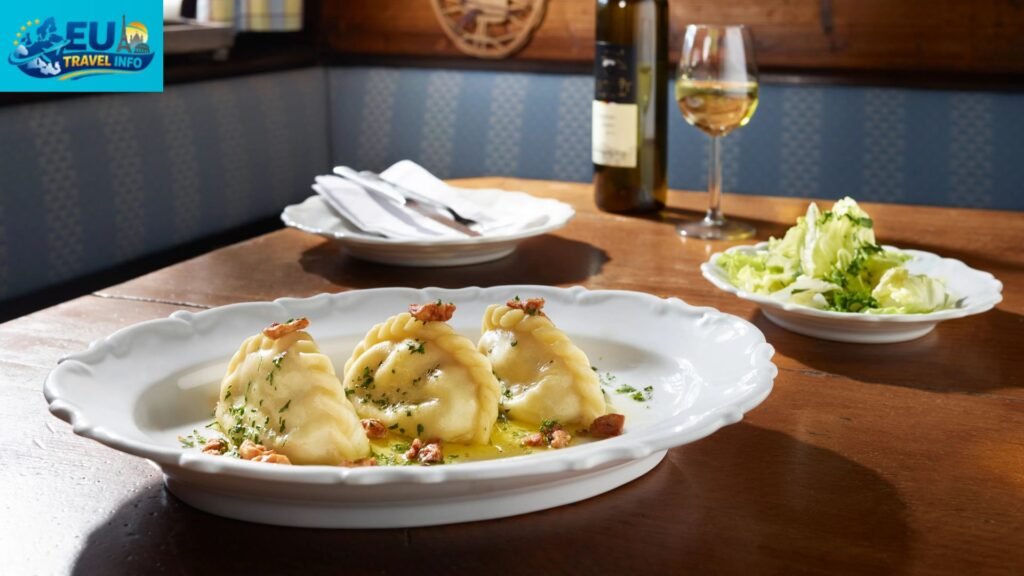
You step off the train and the crisp mountain air hits your face. You are in the heart of Europe. The scenery is amazing with its tall Alps and old imperial buildings. However, the real adventure begins when you sit down at a wooden table in a cozy tavern. You are about to taste centuries of history. Austria is a land of food lovers.
The country shares borders with no less than seven countries. This means the typical Austrian dishes you see today are a mix of many cultures. You will find influences from Italy, Hungary, and even Bohemia. First of all, you must prepare your appetite. Austrian cuisine is hearty and designed to fuel people for long days in the mountains.
The food culture here is a blend of royal luxury and simple farm life. You might eat a meal that an emperor once loved, or a simple dumpling that farmers have made for generations. Additionally, the seasons dictate what is on your plate. Spring brings fresh asparagus, while fall is for pumpkins and wild game. You will notice that meat and dairy are the stars of the show. Therefore, you should get ready for a delicious journey.
The Perfect Start: A Viennese Breakfast
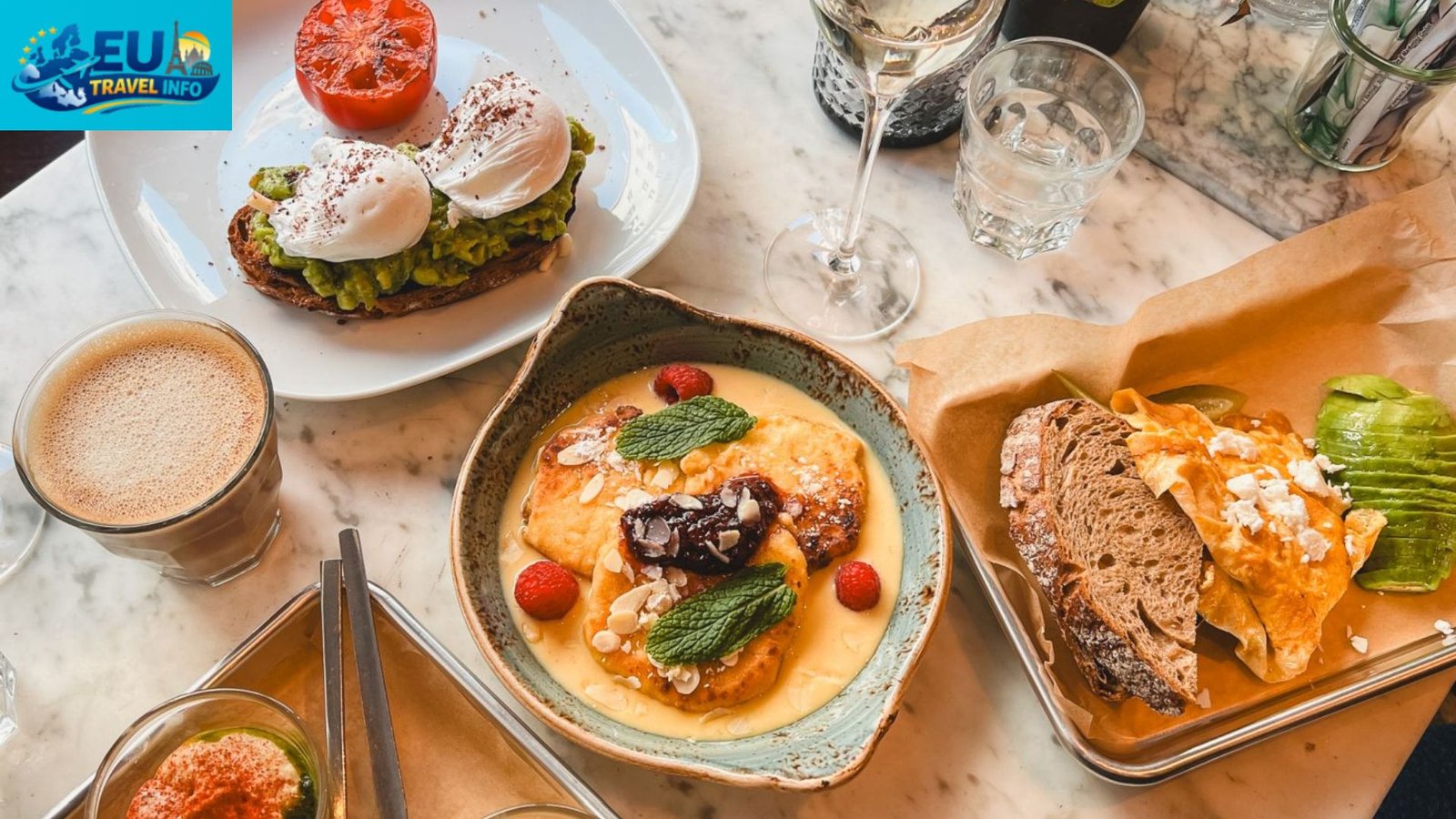
You wake up in a city like Vienna or Salzburg. You want to start your day like a local. You look for a Wiener Frühstück, which is a typical Austrian food Vienna staple. It is simple but perfect. You receive two bread rolls, a soft-boiled egg, butter, and jam. Sometimes you might see a croissant instead of a roll. On top of that, some places add slices of ham and cheese for an upgrade.
Coffee is a must. You cannot face the day without a Melange or an Einspanner. In fact, coffee is so important that people often get a discount if they order it as part of a breakfast deal. Most coffee houses serve your drink with a small glass of fresh tap water from the Alps.
Later, you might feel the need for a snack before lunch. You can grab a Wiener Würstel, which is a slender sausage served with mustard and bread. This is a very common Austrian dishes choice for people on the go.
Warm Up with Famous Austrian Soups
The weather turns chilly as you walk through the streets. You need something warm. Soups are a big deal in this country, especially during the cold months. You should try the Frittatensuppe first. It is a clear beef broth filled with thin strips of sliced pancakes.
It sounds unusual, but it is pure comfort. Similarly, you might enjoy the Kürbiscremesuppe, or pumpkin cream soup. Locals often flavor this with a few drops of dark Styrian pumpkin seed oil.
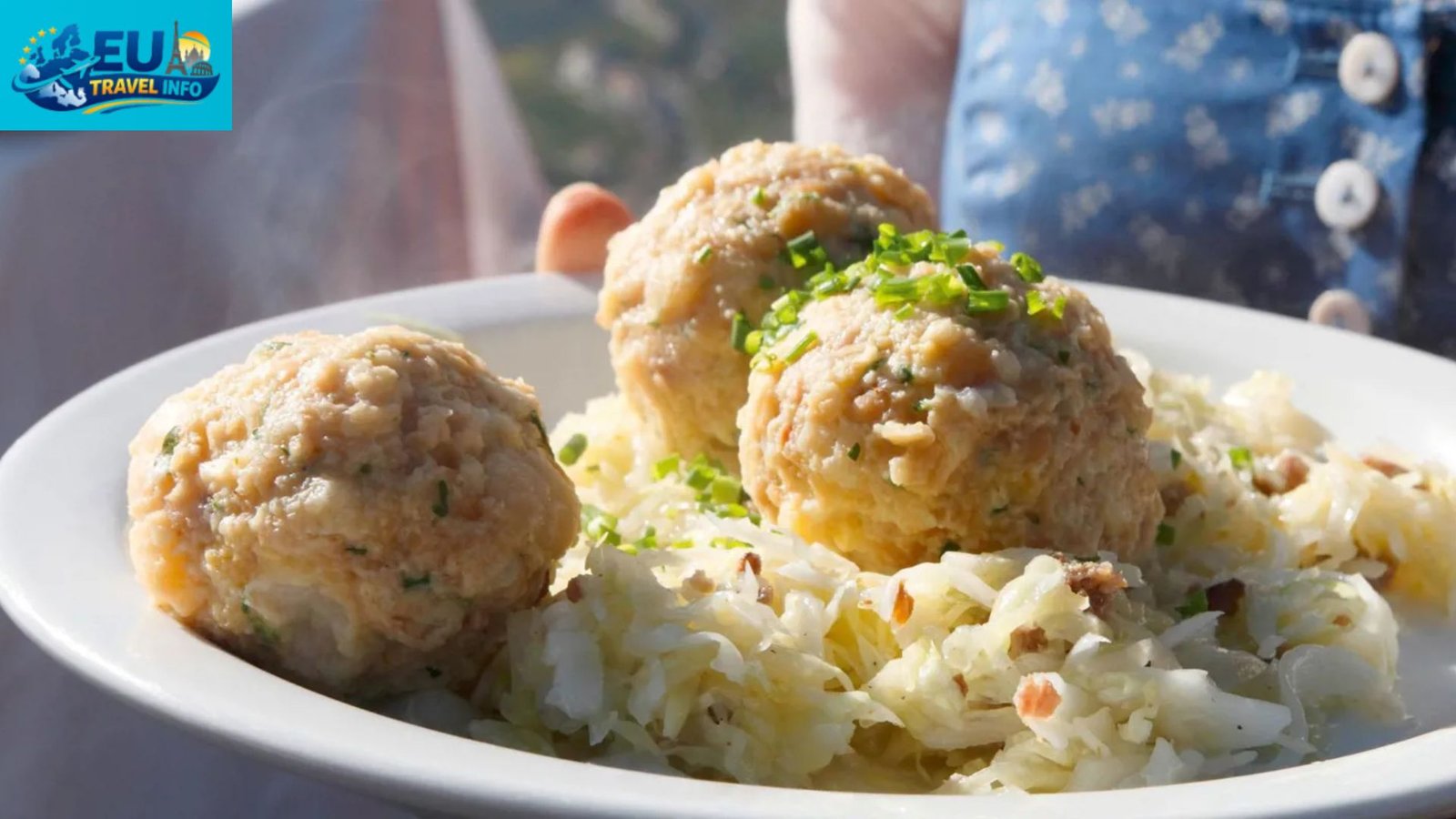
If you visit in the fall, you will see pumpkin everywhere. Gradually, you will realize that soup is not just a starter; it is a way of life here. You might also find dumplings in your soup. Semmelknödel are soft bread dumplings that soak up the tasty broth. Therefore, you should always keep a spoon ready. These soups prepare your stomach for the heavy main courses that are coming next.
The Crown Jewel: Wiener Schnitzel
You cannot visit this country without eating Wiener Schnitzel. It is the most famous Austrian food of all. It is even the national dish. A real Wiener Schnitzel is made from a thin slice of veal. First of all, the chef takes a butterfly-cut piece of meat. They pound it flat until it is only about 4 mm thick. They roll it in flour, whipped eggs, and bread crumbs. Then, they fry it in lard or butter at a temperature of 160 to 170 °C.
The crust must be golden and puffy. It should not stick to the meat but stay “souffléd”. You usually get it with a side of parsley potatoes or a light cucumber salad. Sometimes, a slice of lemon sits on top. Though pork versions are popular because they are cheaper, law says only veal can be called Wiener Schnitzel. If it is pork, the menu must say Schnitzel Wiener Art. You will find this dish in almost every restaurant from the cities to the mountain huts.
Royal Dining: Tafelspitz and Goulash
You might want to eat like an emperor. Tafelspitz was the favorite dish of Emperor Franz Joseph I. It is a high-quality cut of beef that is boiled slowly in water with vegetables until it is very soft. You might think boiled beef sounds boring. However, it is a refined delicacy in Vienna. It always comes with a layer of fat on one side to keep it juicy. You eat it with apple sauce, horseradish, and creamed spinach.
Another hearty choice is Rindsgulasch. This is the Austrian version of beef goulash. It shows the influence of Hungary on traditional austrian dishes. It is rich, dark, and full of paprika spice.
You usually eat it with bread or more of those famous dumplings. On top of that, you might try Schweinebraten, which is slow-roasted pork with a crispy skin called crackling. These dishes are heavy and will keep you full for hours.
Alpine Comfort: Cheese and Dumplings
You head up into the mountains of Tyrol or Vorarlberg. The food changes to fit the high altitude. You must try Käsespätzle. This is the ultimate comfort food. It consists of small, noodle-like pieces of dough layered with plenty of melted mountain cheese.
The chef tops it with crispy fried onions. It is like a better version of macaroni and cheese. Additionally, you should look for Kaspressknödel. These are flat cheese dumplings that are pan-fried until they are crispy.
Tyrol is also the home of Tiroler Gröstl. This dish started as a way to use leftovers. It is a pan-fried mix of potatoes, beef, and onions, usually topped with a fried egg. Similarly, you might find Schlutzkrapfen. These are half-moon pasta pockets filled with spinach and curd cheese. They show a clear Italian influence from across the border. These authentic austrian dishes are perfect after a long hike.
Sweet Sensations: Cakes and Pancakes
You must save room for dessert. Austria has a legendary baking tradition. Sachertorte is perhaps the most well-known cake. It is a dense chocolate cake with a thin layer of apricot jam inside.
It is not too sweet, which makes it perfect with a dollop of unsweetened whipped cream. Another classic is the Apfelstrudel. The pastry is stretched so thin you can almost see through it. It is filled with spiced apples, raisins, and breadcrumbs.
However, you should not miss Kaiserschmarrn. This is a shredded, fluffy pancake that is caramelized in a pan with sugar and butter. It is often served with a plum compote called Zwetschkenröster.
Legend says a cook once messed up a pancake for the Emperor, so he tore it into pieces and called it a “mess”. The Emperor loved it. Finally, if you are in Salzburg, you must try Salzburger Nockerl. These are three large meringue mountains that represent the hills surrounding the city. They are light, airy, and very sweet.
A Toast to Tradition: Drinks
You need something to wash down all that rich food. Austria is a secret gem for wine lovers. You should try a Grüner Veltliner, which is a crisp white wine. If you prefer red, look for indigenous grapes from the Burgenland region. Beer is also a staple of life here. Austrians are some of the biggest beer drinkers in the world, second only to the Czechs. You will find local breweries in almost every city.
On top of that, you might enjoy a fruit brandy or schnapps after dinner. People have been making these for centuries as a way to help digestion. Whether you are in a high-end restaurant in Vienna or a simple mountain hut, you will find something great to drink. Therefore, you should raise your glass and say “Prost!” as you enjoy your meal.
Frequently Asked Questions
What are the most popular typical Austrian dishes?
The most popular choices include Wiener Schnitzel, Tafelspitz, and Schweinebraten for main courses. For sweets, people love Apfelstrudel, Sachertorte, and Kaiserschmarrn. You will also see many types of sausages and dumplings across the country.
What is the national dish of Austria?
Wiener Schnitzel is widely considered the national dish of Austria. It is a breaded and fried veal cutlet that represents the heart of Viennese culinary tradition.
Which typical Austrian dishes are vegetarian-friendly?
Vegetarians can enjoy several hearty options. Käsespätzle (cheesy noodles) and Kaspressknödel (cheese dumplings) are excellent choices. You can also try Spinatknödel (spinach dumplings) or Schlutzkrapfen filled with cheese and spinach.
What desserts are considered typical Austrian dishes?
Classic desserts include Sachertorte (chocolate cake), Apfelstrudel (apple strudel), and Kaiserschmarrn (shredded pancake). Salzburger Nockerl, Linzertorte, and Gugelhupf are also very traditional.
Where can you try authentic typical Austrian dishes?
You can find authentic food in historic Viennese coffee houses, traditional taverns called Beisls, and mountain huts in the Alps. Wine-growing regions offer local food in taverns known as Heuriger.
How are typical Austrian dishes traditionally prepared?
Many dishes involve slow-cooking or frying. For example, Wiener Schnitzel is pounded thin and pan-fried, while Tafelspitz is boiled slowly for hours. Baking is also a highly refined skill used for many complex pastries and cakes.
What ingredients are commonly used in typical Austrian dishes?
Common ingredients include meat (especially beef, pork, and veal), dairy products like cheese and cream, potatoes, bread, and flour. Seasonal vegetables like pumpkins and asparagus are also frequently used.
Concluding Words
Austria offers a rich culinary experience that blends imperial history with rustic alpine traditions. You can enjoy everything from the iconic Wiener Schnitzel to the sweet, fluffy Kaiserschmarrn.
Whether you are dining in a grand Viennese cafe or a cozy mountain hut, these typical Austrian dishes will leave you satisfied and wanting more.