
I sat at my kitchen table last night with a cup of coffee and a laptop. I wanted to book a trip to the Italian countryside. I looked at the prices for a flight from California to Europe. I felt a bit of a shock. The numbers on the screen were much higher than I remember from years ago. If you love to travel as much as I do, you probably feel the same way. Why is it so expensive to cross the ocean lately? I spent hours looking into the data and the reasons behind these high costs. I want to share what I found with you. I will explain the factors that make our dream vacations cost so much.
The Summer Surge and Transatlantic Demand
First of all, we must talk about the time of year. Everyone wants to be in Europe when the sun is out. I found that transatlantic demand and fares move with the seasons. It is a simple matter of supply and demand. One study showed that the average round-trip ticket from the United States to Europe for summer travel was $817. That is a lot of money for one person. On top of that, some popular routes like San Francisco (SFO) to Paris usually range between $800 and $1,200 for a round trip.
The crowds are a big part of the reason. In 2024, LAX handled 76.59 million passengers. That is a massive amount of people. During the peak summer months, there are up to 38 daily departures to Europe from Los Angeles alone. Therefore, when so many people want the same seats at the same time, the airlines raise the prices. It is a total drain on the wallet. No way around it.
The Cost of Convenience: Direct Flights

I always try to find direct flights from LAX to Europe. They are the fastest and easiest way to get to your villa or hotel with your energy intact. However, these nonstop routes often come with a higher price tag. Nonstop flights offer convenience and efficiency, but they are usually more expensive than flights with a stop.
I have learned that a connecting flight can save you money. These flights might take you through cities like New York or Frankfurt. On the contrary, they add a lot of time to your trip. A direct flight to Paris from San Francisco takes about 10 to 11 hours. A connecting flight can jump to 15 or 22 hours. I once took a flight with a long layover to save two hundred dollars. At that time, I realized my time was worth more than the savings. I arrived exhausted. The first day of my vacation was a total waste.
Premium Cabins and the Price of Sleep
If you are a mature traveler, you know that premium cabins are not just a luxury. They are a necessity for long trips. I need to sleep on the plane so I can be active the next day. Additionally, I find that the Business Class and First Class seats with lie-flat beds are where the costs really skyrocket. These seats can cost thousands of dollars more than a standard seat.
Similarly, even Premium Economy adds to the bill. It gives you extra legroom and better meals, which is great for those 10 to 11 hour journeys to London. Some airlines like French bee offer different classes like Basic, Smart, and Premium. The more comfort you want, the more you have to pay. It is a trade-off. Your back will thank you, but your bank account might not.
Hidden Factors: Jet Streams and Fuel
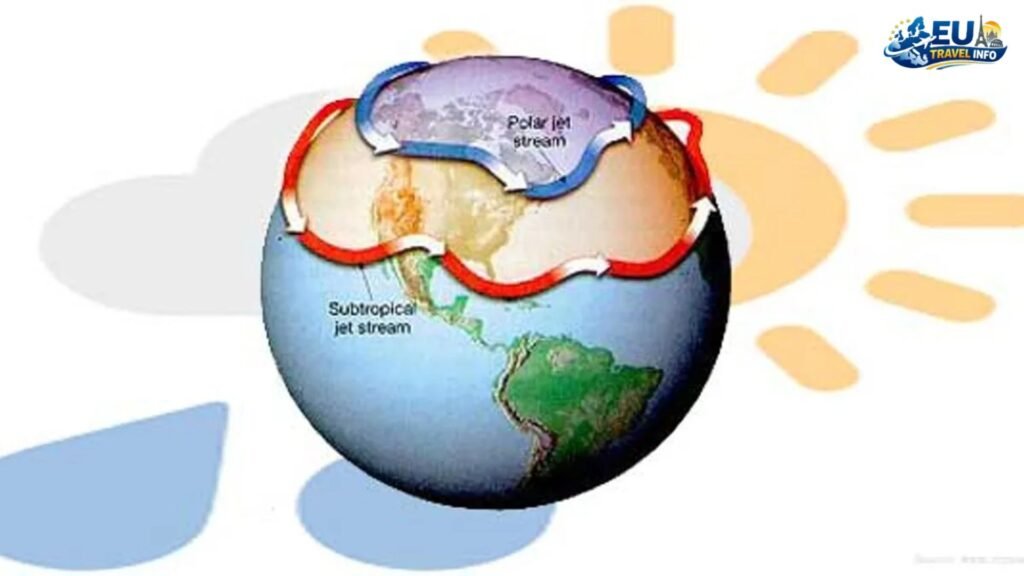
You might not think about the wind when you buy a ticket. Gradually, I realized that the atmosphere plays a huge role in what we pay. Jet streams are narrow bands of strong winds high in the sky. These winds can reach speeds of 440 kilometers per hour. When we fly east to Europe, we have a tailwind. This makes the flight faster and uses less fuel.
However, the return flight to California is much longer because of headwinds. A flight from London to Los Angeles can take 11 to 12 hours, while the trip there is only about 10 hours and 30 minutes. Plus, climate change is making these winds stronger. Research suggests that aircraft may be airborne for an extra 2,000 hours each year collectively because of these wind changes. This means airlines burn an extra 7.2 million gallons of jet fuel. The cost of this extra fuel is about $22 million. Guess who pays for that? We do. The passengers.
Gateway Cities and Route Lengths
The city you choose as your “gateway” to Europe also changes the price. First of all, some cities are just further away. Athens is a great example. A new flight from Athens to Los Angeles is now the longest route to Europe from the West Coast. It has a block time of 13 hours and 30 minutes. Because it is so long, the airline has to use more fuel and pay the crew more.
Also, some destinations are more “luxury” than others. Rome (FCO) is a very popular spot for villa travelers. Similarly, places like Nice (NCE) in the French Riviera often have high prices because of event-timed demand, like the Cannes Film Festival. I found that Rome to coast transfers are straightforward, but you pay a premium to land in the heart of Italy. Later, I looked at London Heathrow (LHR) and saw it is a very busy hub with many daily flights. More flights can sometimes mean better deals, but Heathrow is one of the most active airports in the world. High airport fees there also keep the ticket prices up.
Ground Logistics and Private Services
I used to think the price was only for the seat. Additionally, I learned that the airport experience adds to the total cost of luxury travel. LAX can be very chaotic. To avoid the stress, some people pay for the Delta One Lounge or the PS private terminal. The PS terminal offers a private TSA area and quiet spaces.
These services are not cheap. They are designed to “buy back quiet”. ** لذلك**, if you want a driver waiting for you at the curb or a private check-in, you have to budget for those extras. A good ground strategy makes the trip feel like a gala call time instead of a chore. Finally, these costs add up and make the entire “Europe experience” feel much more expensive than a local trip.
The Impact of Seasonality and Booking Habits
I found a very helpful tip during my research. The cheapest time to book a flight from SFO to Paris is at least three months in advance. If you wait until the last minute, you will pay much more. Additionally, flying on a Tuesday, Wednesday, or Saturday can help you save some money.
The “shoulder season” is my favorite time to go. This is from late September to early November. There are fewer tourists during this time. The weather in Paris is still nice, with highs around 82°F sometimes. However, because there is less demand, the airlines drop the prices. If you can be flexible with your dates, you do not have to pay the highest rates. Gradually, you learn how to play the game.
Why the Return Trip Costs More

I noticed that one-way tickets back to California often feel pricey. This goes back to the jet stream and fuel. Westbound flights are longer. A plane flying from London to Vancouver takes about 9 hours and 45 minutes, but the trip to London is just under 9 hours. Therefore, the airline has to plan for more fuel and more time in the air for that return leg. On the contrary, eastbound flights are a “shortcut” because of the wind.
Also, airlines have to deal with airport delays at major hubs like Heathrow and LAX. These two are among the busiest in the world. A delay of 30 minutes or more on the runway can happen easily. Every minute the engines are running on the ground, the airline is spending money. These operational costs are always built into our ticket prices.
Final Thoughts on the Price Tag
Traveling to Europe from California is a big investment. It is a journey of over 5,400 miles. You are paying for fuel, a professional crew, a modern aircraft, and the convenience of crossing the world in half a day. Though the prices are high, the memories of a villa in Tuscany or a stroll in Paris are worth it. I just make sure to plan ahead and watch the seasons.
FAQ
Does the day of the week I fly really change the price?
Yes, it does. You can often find lower fares if you fly on a Tuesday, Wednesday, or Saturday. Most people want to fly on Fridays or Sundays, so those days are more expensive.
Are there any new budget options from California to Europe?
Airlines like French bee and Norse Atlantic offer more budget-friendly seats. Norse Atlantic recently started a long route from Athens to Los Angeles, which is a new option for travelers.
Why is fuel such a big deal for my ticket price?
Fuel is one of the biggest costs for an airline. Long flights from California to Europe use a massive amount of it. If the wind is strong or the flight is delayed, the cost goes up even more.
Is it cheaper to fly into a different city and take a train?
Sometimes it is. Flying into a major hub like London (LHR) or Amsterdam (AMS) might be cheaper than a smaller city. You can then take a quick flight or a train to your final destination.
Do airlines charge more for newer planes?
Not always directly, but newer planes like the Boeing 787 Dreamliner are more fuel-efficient. Airlines use them on long routes to save money, but the comfort of a new plane often attracts more people, which keeps prices firm.
Concluding Words
Flights to Europe are expensive because of high transatlantic demand, rising fuel costs, and the premium we pay for direct routes. Factors like jet streams and seasonal changes also play a huge role in the final price of your ticket. By booking at least three months in advance and choosing your gateway city wisely, you can manage these costs. A trip from California to Europe is a long-haul adventure that requires a good budget and a solid plan to be truly enjoyable.