You stand at the edge of a new era for exploration. The year 2026 brings a fresh way to see the world. It is a time when your love for adventure meets a deep respect for the Earth. This 2026 Guide to Sustainable Travel Itinerary Europe for Green Adventures will show you how to navigate this changing landscape. You do not have to sacrifice comfort to be a responsible traveler. On the contrary, the new European travel model is rooted in resilience and community integration. Europe accounts for 51% of all international tourism arrivals, and tourism contributes 8% of global greenhouse gas emissions. Therefore, every choice you make matters.
You might wonder if one person can make a difference. The answer is a loud yes. The European Union has launched its first-ever sustainable tourism strategy to balance visitor numbers with environmental protection. This plan brings together over 500 pledges from 240 organizations. It is a massive effort to ensure that the beauty you see today remains for your children. Plus, you will find that traveling green is often more fun. It is about slow travel. It is about the “travelling landscape” where the journey is as important as the destination.
The New Golden Age of Rail
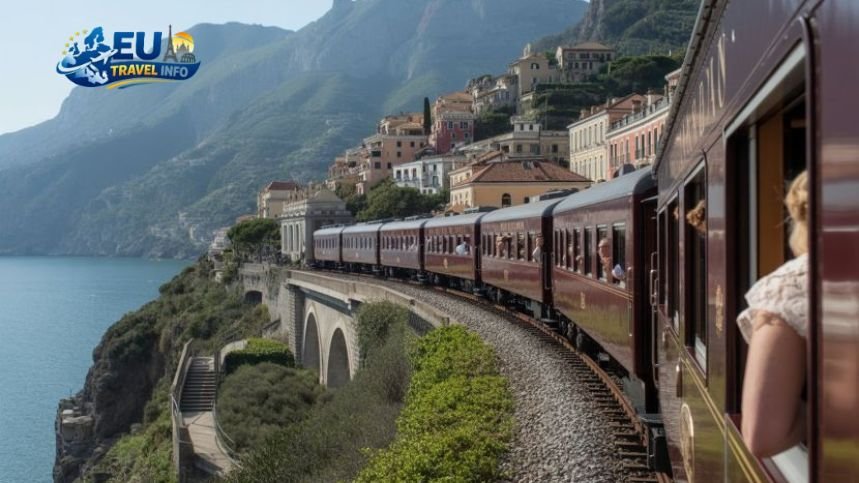
First of all, you must think about how you get around. Aviation is a major source of emissions, but rail travel is different. A study found that carbon emissions for trips between Paris and London were 97% lower by train than by plane. High-speed rail is the backbone of a carbon-neutral Europe. Apostolos Tzitzikostas, the Commissioner for Sustainable Transport and Tourism, stated that high-speed rail is about uniting Europeans and strengthening the economy.
You will see major changes in 2026. A 2026 proposal aims to improve cross-border rail ticketing and booking systems. This makes it easier for you to plan and purchase seamless journeys across different countries. Additionally, the EU is removing entry barriers for new operators to make rail more affordable. You will find that train travel is becoming faster too. By 2030, you will be able to travel from Berlin to Copenhagen in four hours instead of seven. Later, by 2035, Sofia and Athens will be just six hours apart by rail.
However, the real magic happens at night. Sleeper trains are experiencing a massive revival. You can board a train in one country, sleep in a comfortable bed, and wake up in a new culture. The European Sleeper cooperative has taken over the Paris-Berlin-Vienna route. Starting in June 2026, they will also run a night train from Amsterdam and Brussels to Milan via Bern. Similarly, the Baltic Express now connects Prague to the Baltic Coast year-round. For a touch of luxury, the Britannic Explorer launched in 2025 as the first luxury sleeper train in England and Wales. You can enjoy three-night itineraries that are a vacation in themselves.
Transitioning to your first stop, let us look at a city that rewards your good habits.
Copenhagen: Where Your Good Deeds Pay Off
You arrive in Copenhagen and notice something different. This city does not just ask you to be green; it rewards you for it. The CopenPay program is a brilliant model for the world. It uses “positive reinforcement” to nudge you toward eco-friendly habits. Imagine earning a free lunch or a museum ticket just for riding a bike or picking up litter. It is a playful way to engage with the city.
You should start your day at AC Bella Sky. This hotel offers CopenPay rewards like 50% off lunch for volunteers. After your meal, you can join an urban gardening session at Det Bæredygtige Forsamlingshus. Gradually, you will see how these actions enrich your experience. If you walk 5,000 steps in the city, you can get a free coffee at CitizenM. Just show your fitness tracker to the staff.
Also, consider visiting Banegaarden. You can pick up a cleanup card, collect a bag of trash in the wild nature area, and exchange it for a free organic meal. On top of that, you can enjoy a free boat ride with GoBoat if you help clean the harbor. The results of this program are impressive. In the pilot phase, bike rentals rose by 29% to 59%. Most importantly, 70% of participants reported that they planned to keep these habits at home.
Finally, do not forget the water. Copenhagen tap water is clean and tasty, so bring your own bottle. You can also enjoy a free guided tour at the Danish Architecture Center (DAC) to learn about recycling and sustainable design. You will leave the city feeling like a local hero.
The EuroVelo Network: Slow Travel at Its Best
Later, you might want to leave the city behind and head into the countryside. The EuroVelo network is the perfect way to do this. It consists of 17 long-distance cycle routes covering 90,000 km. It is the architecture of slow travel. You can spend more time experiencing the local food and culture while having a low impact on the environment.
If you are a beginner, you should look at EuroVelo 15, also known as the Rhine Cycle Route. It is 1,500 km long and fully certified for high-quality infrastructure and clear signage. Most of the route uses cycle lanes or roads with low traffic, making it very safe. You can cycle from the source of the Rhine in Switzerland all the way to the North Sea in the Netherlands. Along the way, you will pass nine UNESCO sites.
On the contrary, if you want something more adventurous, try EuroVelo 6. This is the most popular route, taking you from the Atlantic to the Black Sea. You will cycle through the Loire Valley in France and along the Danube. In Serbia, the route has seen a rapid increase in accommodation, with 80 new businesses set up in one year alone. This shows how your travel spending supports local economies in areas that are not usually prime tourist spots.
Additionally, you can explore the Iron Curtain Trail or EuroVelo 13. This route traces the former border between East and West Europe. It is a ride through history, culture, and nature. It passes through a “green belt” that was untouched for decades. In 2026, official info and booking centers are opening to help you plan this 6,800 km journey. A new Impact Measurement System (IMS) now helps you understand how your trip affects the local environment and economy.
Therefore, your cycling trip is more than just exercise. It is a way to see the “travelling landscape” at your own pace.
Vilnius: The Greenest City in the Making
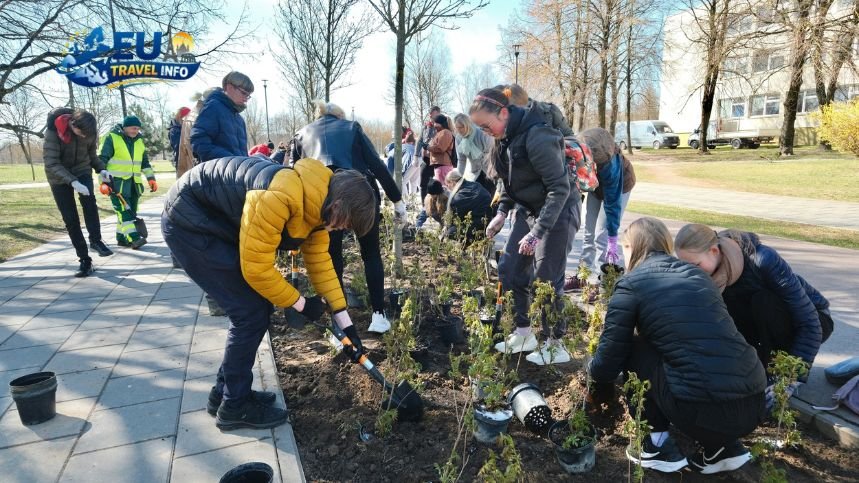
Your Sustainable travel itinerary Europe continues to the East. You visit Vilnius, the 2025 European Green Capital. The city motto is “Vilnius – the greenest city in the making”. It aims for climate neutrality by 2030. You will find a city that blends history with high-tech green solutions.
You should visit the Green Capital Meadow. This is a community space for workshops on green lifestyles. Vilnius has an innovative way of dealing with food waste. They use black soldier fly larvae to turn waste into animal feed protein. This circular economy model is a lesson for cities everywhere. Also, the city has a dense network of drinking fountains. These serve over six million glasses of water a year to discourage plastic bottles.
Similarly, you can take a hot air balloon flight over the city. Vilnius is one of the few capitals that allows this. From above, you will see that 60% of the city is green space. For a day trip, go to Trakai Historical National Park. You can take a solar-powered ship to the castle and enjoy the Varnikai Nature Walk.
Finally, dine at Nineteen18. This Michelin-star restaurant is supplied by its own 700-hectare organic farm called The Farmers Circle. They practice regenerative agriculture to heal the soil. You will taste the difference in every bite.
Ljubljana: A Blueprint for Zero-Waste
Gradually, you head south to Ljubljana, Slovenia. This city is a world leader in zero-waste management. Residents generate only 157 kg of waste per person, compared to the European average of 475 kg. You can explore the car-free city center on a Nomago e-bike. This provider has more than 600 regular and electric bikes across Slovenia.
You should use the Ljubljana Card to access cultural sites and public transit easily. For dinner, visit Restavracija Strelec at Ljubljana Castle. Chef Igor Jagodic follows a zero-waste concept in his kitchen. He repurposes almost everything and ensures that what he buys is served. Additionally, stay at the Zlata Ladjica Boutique Hotel. They do not use plastic, coffee capsules, or tea bags. Instead, they offer freshly ground local coffee and organic teas in glass packaging. Their furniture is even made from recycled materials like fishing nets.
Also, consider a trip to Bela Krajina. Here you can see how the Lahinja Trail became the first zero-waste sporting event in Slovenia. Therefore, you can see how sustainability is woven into every part of life here. Plus, the Austria Trend Hotel Ljubljana works with mental health associations to provide training for visually impaired youth. This shows that sustainability also includes social inclusion.
Therefore, your stay in Ljubljana is an education in responsible living.
Rewilding: A New Kind of Adventure
At that time, you might feel the call of the wild. Sustainable travel in 2026 includes rewilding projects. These are efforts to restore natural processes and bring back iconic wildlife. Rewilding Europe is active in ten primary areas.
You can visit the Greater Côa Valley in Portugal. This 120,000-hectare wildlife corridor connects mountain ranges and allows species like the Iberian wolf and lynx to return. Pedro Prata, the team leader, believes that wildlife comeback is an opportunity for the region. You can go on a safari or use photographic hides to see vultures and eagles. In 2025, they launched WilderCamp, an immersive retreat to help you connect with nature.
Similarly, the Southern Carpathians in Romania are home to the European bison. This project aims to create one of the largest wild areas in Europe. The presence of these “keystone species” has helped local guesthouses and nature-based businesses grow. Additionally, in the Central Apennines of Italy, you can learn about the Marsican brown bear and coexistence projects.
Also, look for the Iberian Highlands in Spain. In early 2026, European bison were released there for the first time. These projects offer a “nature-based economy” that benefits local people. You are not just a tourist here; you are a supporter of a wilder Europe.
Sustainable Gastronomy and Staying Organic
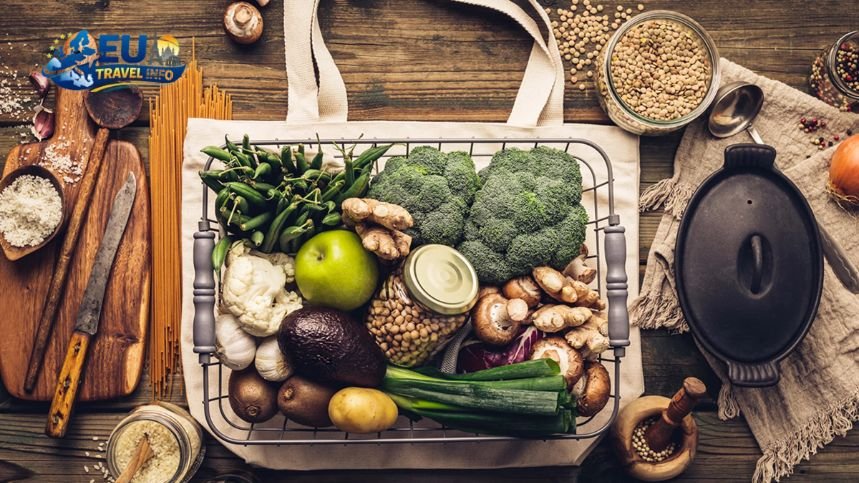
Finally, let us talk about food and sleep. What you eat and where you lay your head are vital parts of your 2026 Guide to Sustainable Travel Itinerary Europe for Green Adventures. You should look for formal certifications to avoid “greenwashing.”
The BIO HOTELS association is the most rigorous in Europe. All members use 100% certified organic kitchens and natural cosmetics. For example, Biohotel Mattlihüs in Germany is built entirely of wood. RETTER Bio-Natur-Resort in Austria follows a “field to plate” philosophy. Additionally, look for the EU Ecolabel which focuses on waste management and energy reduction.
You can also seek out excellence in dining. Peskesi in Crete was named the EU’s Best Organic Restaurant in 2025. They source 98% of their products from local producers and their own organic farm. In France, La Chassagnette is celebrated for its working organic garden integrated with high-end cooking. Plus, the natural wine movement is growing. Look for the “Raisin” sticker, which guarantees that a place offers at least 30% natural wine.
On top of that, consider “Hidden Gem” alternatives to crowded spots. Instead of Venice, try Procida, Italy. Instead of the crowded Alps, visit the Slovakian High Tatras. These places offer similar beauty without the social strain of overtourism.
A 14-Day “Green Spine” Itinerary
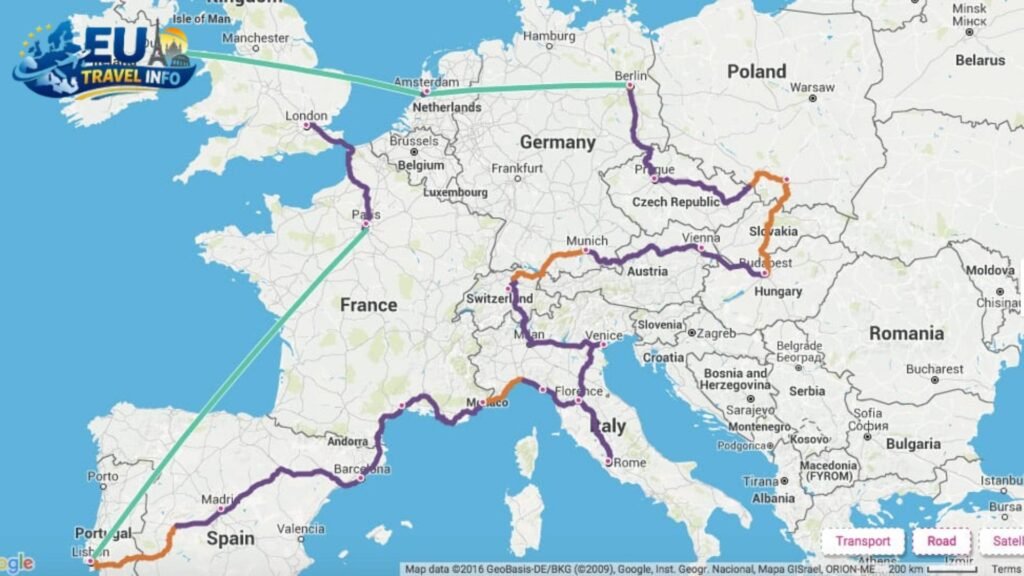
To help you plan, here is a 14-day sample itinerary for 2026.
Days 1-3: Copenhagen, Denmark Arrive via the European Sleeper from Berlin. Rent a bike and use CopenPay for rewards. Eat an organic meal at Banegaarden. Stay at AC Bella Sky.
Days 4-7: Vilnius, Lithuania Take a sleeper train to Warsaw, then a direct rail connection to Vilnius. Participate in workshops at the Green Capital Meadow. Visit Trakai Historical National Park. Dine at Pas Mus for locally foraged food.
Days 8-11: Ljubljana, Slovenia Use the rail network through Central Europe. Explore the car-free center on an e-bike. Have a zero-waste dinner at Restavracija Strelec. Visit the rewilded forests of Miren Kras.
Days 12-14: Styria and Tyrol, Austria Take a short rail trip into the Austrian Alps. Hike the Pokljuka Plateau. Enjoy organic wine tastings in Gamlitz. Conclude your trip at the RETTER Bio-Natur-Resort.
FAQ
What is the easiest cycle route for beginners in 2026?
EuroVelo 15, also known as the Rhine Cycle Route, is the top choice for you if you are new to long-distance cycling. It is almost entirely flat and uses roads with very low traffic. You can visit nine UNESCO sites while you travel through four different countries.
Is there a specific way to book nature-based rewilding trips?
You can use the Wilder Places platform to find and book immersive experiences in the European wild. This site connects you with local guides and entrepreneurs who support the recovery of ecosystems. Your booking acts as a personal commitment to making Europe a wilder place.
Can I take my bicycle on all high-speed trains?
Bicycle carriage on high-speed lines like the German ICE is still limited, but improvements are coming soon. A 2026 proposal aims to fix cross-border ticketing and protect your rights as a passenger when you use multiple train operators. European Sleeper and CityNightLine are better options because they usually include dedicated space for your bike.
What new fees should I expect in popular tourist areas?
Hotspot destinations are now using fees to manage the high number of visitors. You will pay a “cruise tax” when you disembark at ports in the Greek islands. Similarly, Venice charges a 5€ access fee, and Barcelona is phasing out short-term rentals to protect local housing.
Concluding Words
The 2026 landscape for travel shows a massive move toward high-speed rail and the revival of sleeper trains. You can now use programs like CopenPay to earn free rewards through your green habits. Additionally, the first-ever European Union sustainable strategy aims to protect nature while supporting rural economies. Therefore, you have the power to make your next vacation part of the European Green Deal personally. Finally, step out into a world that is waiting for you to see it responsibly.