You deserve a vacation that stays in your memory forever. Imagine the smell of fresh bread in the morning. Picture the sun setting over the Eiffel Tower.
Think about the quiet halls of ancient castles. 2026 is the perfect year for you to take that leap and travel across the French Republic. You will find that a France Itinerary 2 Weeks allows you to see the best of the city, the country, and the coast without too much rush.
This guide shares everything you need to know for a smooth trip. It focuses on a mix of adventure, culture, and high-quality food. You will find details on costs, transport, and the best hidden gems. This is the best france itinerary 2 weeks for a traveler who wants to see the soul of the country.
The Budget for Your 2026 Adventure
First of all, you must understand the costs. Prices in 2026 are stable but specific. If you want a tight budget, you should plan to spend about 85 € to 120 € per day per person. However, a comfort budget for a couple or a solo traveler who wants better hotels and sit-down meals will be closer to 170 € to 230 € per day.
Paris is more expensive than the regions. A decent hotel room in the capital rarely costs less than 200 € per night. On top of that, you must remember that culture is not free in France. Most big monuments like the Louvre Museum or Château de Chenonceau charge between 19 € and 22 € for entry.
Additionally, you should keep about 10% to 15% of your total budget as a safety margin. Unplanned treats or a small souvenir from a boutique will always tempt you. Therefore, a mid-range trip for a couple for 14 days will likely cost around 2,800 € excluding your flights.
When to Pack Your Bags
The timing of your trip changes everything. Spring and Fall are the absolute best times to visit. April, May, June, September, and October offer mild weather and fewer crowds.
Though summer is popular, you should be careful with July and August. At that time, European vacationers jam the French Riviera, the Dordogne, and the Alps. Plus, accommodation prices can spike by 30% to 50% during these peak months.
Similarly, watch out for the month of May. The French have many public holidays then. People flock to trains and hotels for long weekends. Prices flare up to summer levels temporarily. On the contrary, the low season from November to March is financially unbeatable if you do not mind the cold or rain.
Getting Around: Train or Car?
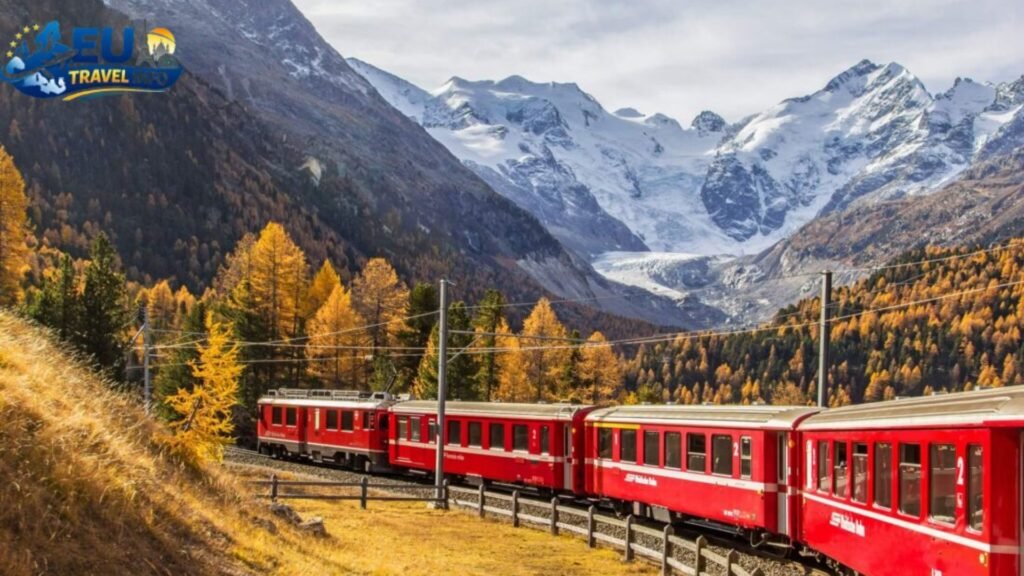
You have two great ways to see the country. First of all, the TGV high-speed trains are incredible. They connect big cities like Paris, Lyon, and Bordeaux in just a few hours. You can save a lot of time by taking a train instead of driving long distances.
However, a car becomes indispensable if you want to see the real countryside. The Loire Valley and the small villages of Normandy are much easier to explore with your own wheels. For a rental car, you should plan a budget of about 380 € per week, which is roughly 55 € per day.
If you plan to stay for more than 21 days, you might consider a tax-free Peugeot lease. It can be cheaper than a regular rental for longer trips. Additionally, remember that French highways have tolls. These can add 10 € to 40 € to a single leg of your journey.
Days 1 to 3: The Magic of Paris
Your journey begins in the City of Lights. You should spend at least three days here to soak in the atmosphere. Paris is a mix of world-class art, history, and food.
First of all, you must visit the Eiffel Tower. It is the icon of the city. You can pre-book a ticket to the top to avoid the long lines. Later, take a stroll through the Jardin des Tuileries on your way to the Louvre Museum. You will find the Mona Lisa there, but the museum is so large you should pick a few wings to focus on.
On Day 2, head to the Latin Quarter. It is home to the famous Shakespeare and Company bookstore. Also, visit the Notre Dame Cathedral. It has recently reopened after the 2019 fire, and the Gothic architecture is breathtaking.
Gradually, move toward Montmartre for Day 3. This area has a bohemian vibe and was a favorite for many famous artists. You can climb to the Sacre Coeur Basilica for a majestic view of the entire city. Finally, end your time in Paris with a Seine River cruise at night. Seeing the monuments sparkle is a memory you will never lose.
Days 4 to 6: The Fairytale Loire Valley
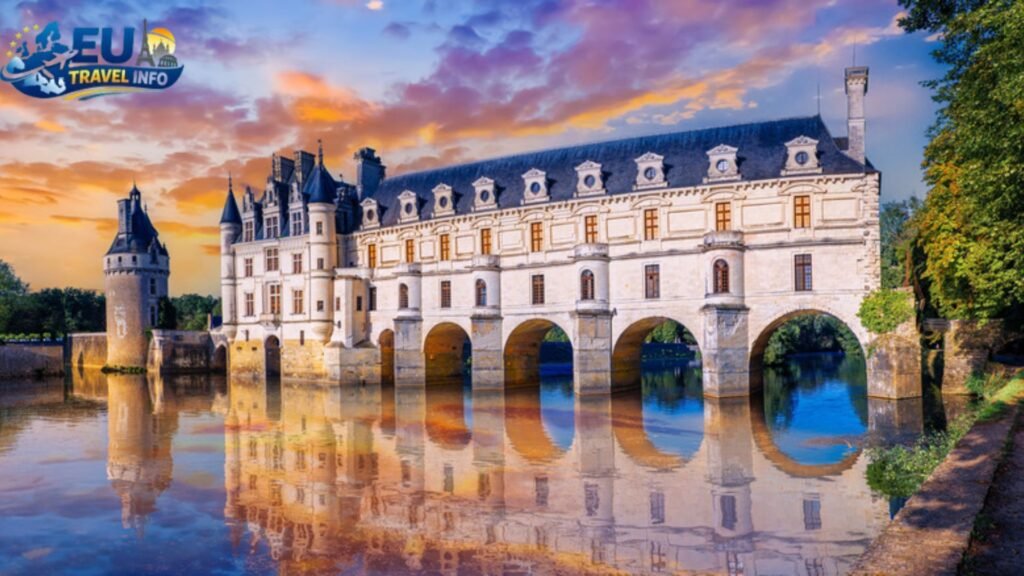
After the bustle of Paris, you are off to the Loire Valley. This region is home to over 300 castles. It is one of the most beautiful drives in the country. You can take a train from Paris Gare de Lyon or rent a car for this leg.
Château de Chambord is your first big stop. It took 28 years to build under King Francois I. The double helix staircase is a highlight and might even be a design of Leonardo da Vinci. Additionally, you should see Château de Chenonceau, often called the Ladies’ Chateau because many famous women owned and renovated it.
For a unique experience, you should stay in a troglodyte villa in Amboise. These are homes carved directly into limestone cliffs. They stay a consistent temperature between 57 °F and 64 °F all year round. It is a very quiet and modern way to sleep.
Also, do not miss Château du Clos Lucé. This was the home of da Vinci for the last three years of his life. You can see his inventions recreated in the gardens. Therefore, this part of the trip is perfect for those who love science and history.
Days 7 to 9: History and Salt Air in Normandy
Later, your France Itinerary 2 Weeks takes you north to Normandy. This region is famous for its history and its seafood. You can base yourself in the charming town of Bayeux.
First of all, you must see the Bayeux Tapestry. It is not a real tapestry but a 224-foot-long embroidery. It tells the story of the Norman Conquest of England in 1066. On top of that, the Notre Dame of Bayeux Cathedral is a masterpiece of Romanesque and Gothic design.
On your second day in the region, visit the D-Day beaches. Omaha Beach and Utah Beach are somber sites where Allied forces landed on June 6, 1944. You should also visit the Normandy American Cemetery. It is the final resting place for 9,400 fallen soldiers.
Finally, take a day trip to Mont Saint-Michel. This rocky island is topped with a massive abbey. It is one of the most iconic images of France. If you arrive early, you can wander the steep, winding streets before the crowds of tourists arrive.
Days 10 to 12: Sun and Lavender in Provence
Next, you head south. A southern france itinerary 2 weeks usually includes the warm light and olive oil of Provence. You can reach this area quickly via train to Avignon.
The Papal Palace in Avignon is a must-see. It was the center of the Catholic world for a short time in history. Additionally, you should explore the Luberon villages. If you are there in June or July, the lavender fields are in full bloom.
Take a detour to the Pont du Gard. This is an ancient Roman aqueduct that is still in great condition. You can also visit Aix-en-Provence, a town filled with 18th-century fountains and lively markets.
Plus, you can head to the French Riviera for a bit of glamour. Nice is the capital of this glitzy region. You can stroll the Promenade des Anglais or take a bus to the tiny country of Monaco for less than 5 €. It is a grand finale for your trip.
Day 13: The Culinary Capital of Lyon
On your way back north, stop in Lyon. It is known as the culinary capital of France. You should dine in a bouchon, a traditional small restaurant that serves hearty local recipes.
Explore the Vieux Lyon (Old Town). It has a network of hidden passages called traboules. These were used by silk workers hundreds of years ago. Also, take the funicular up to the Basilica of Notre Dame de Fourviere for a view of the entire city.
If you have time, take a day trip to Annecy. It is a mountain town with enchanting canals and a beautiful lake. It is a perfect spot for a little relaxation before you fly home.
Day 14: Farewell to the Republic
Finally, your journey ends. You can take a direct train back to Paris Charles de Gaulle Airport from many cities like Bordeaux or Lyon. You will be tired, but your heart will be full of memories.
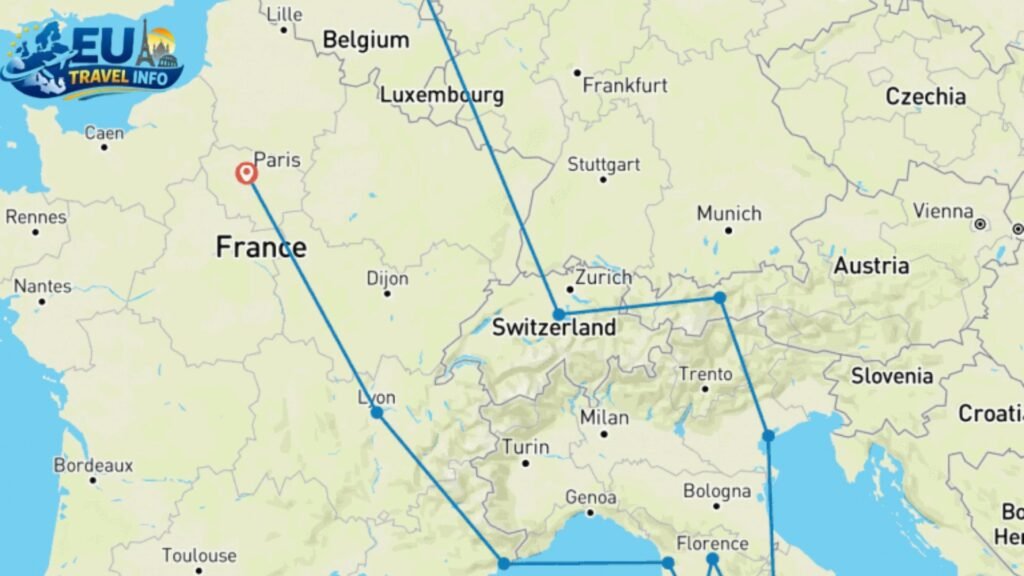
France is a large and diverse country. A france switzerland italy itinerary 2 weeks is possible, but staying in one country lets you see the details. You have seen the history, tasted the wine, and walked the ancient streets.
Expert Food Tips for Your Trip
Eating in France is a real pleasure. However, you do not need to spend a lot of money every day. For lunch, visit a local bakery. You can get a sandwich, drink, and dessert for about 10 € to 13 €. This is a great way to save your money for a nice dinner.
When you sit down for dinner, look for the formule du midi or the daily special. These are fresh and offer the best price. In 2026, a meal like this in a neighborhood bistro will cost you between 16 € and 22 €.
Additionally, follow the Two-Street Rule. Never eat on the main square right in front of a big monument. Move two streets away. You will find more authentic food and prices that are 20% to 30% lower.
- Paris: Try the macarons and a baguette every morning.
- Bordeaux: Order the Entrecôte à la bordelaise, a steak with red wine sauce.
- Normandy: Sample the Camembert cheese and the apple cider.
- Provence: Try Bouillabaisse, a famous fish soup from the coast.
Essential 2026 Travel Advice
You must have an International Driving Permit if you are from outside the EU and plan to rent a car. Carry your original license with you too. On top of that, travel insurance is critical. It protects you against medical costs or trip cancellations.
Most places in France accept bank cards (Visa and Mastercard). However, you should keep about 20 € to 30 € in cash. Small merchants at rural markets or bakeries for a single baguette may not take cards.
Also, remember that tipping is not mandatory. Service is already included in your bill by law. If you really like the service, you can leave a few coins or round up the bill, but it is purely a bonus.
Gradually, you will find that the French are very helpful if you try to speak a few words of their language. Use a simple “Bonjour” when you enter a shop. It goes a long way.
Exploring Beyond the Main Path
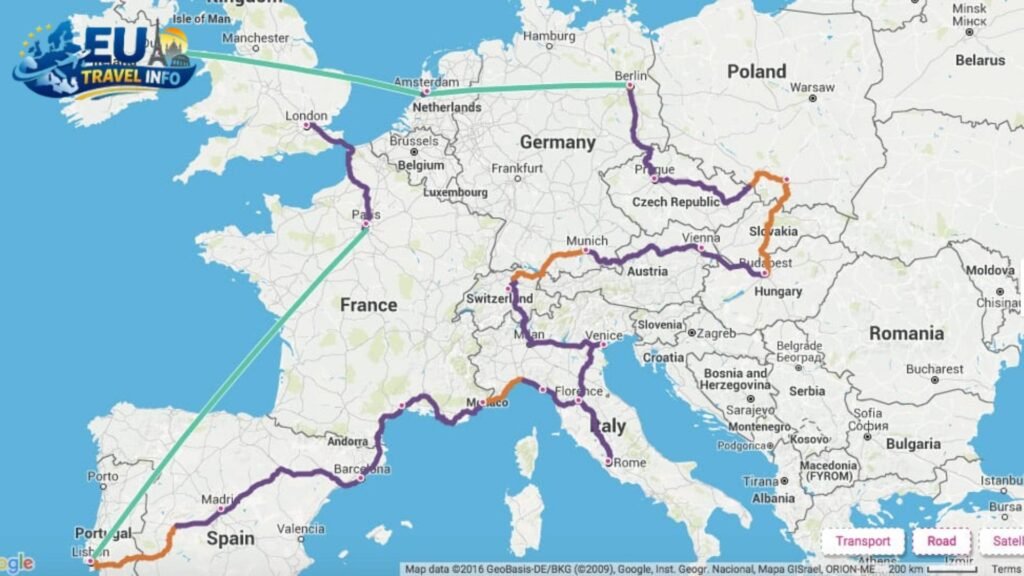
If you have extra time, consider a france italy greece itinerary 2 weeks, but you will spend a lot of time in transit. Similarly, a portugal spain france itinerary 2 weeks covers a lot of ground but misses the quiet magic of the French countryside.
If you prefer the west, a spain france itinerary 2 weeks can start in Bordeaux and head south to the border. For those who love the mountains, a france italy itinerary 2 weeks focusing on the Alps is a dream come true.
No matter what you choose, France in 2026 is waiting for you. The castles are standing. The wine is aging. The history is ready to be told.
Frequently Asked Question
Is the water safe to drink in France?
Yes, tap water is safe and high quality throughout the country. You can even ask for a “carafe d’eau” for free in restaurants.
What are the rules for car seats for children?
The law requires all children under 135cm to use a proper seat. Children under 12 years old must sit in the back seat.
Do I need to worry about train strikes?
Strikes can happen in France and may affect your travel plans. You should check the SNCF website or app a few days before your journey to see if there are any alerts.
Can I visit many museums for a lower price?
Yes, you should look for a City Pass in cities like Bordeaux or the Paris Museum Pass. These often pay for themselves after only four visits.
What are the “Blue Zones” for parking?
In some small towns, you will see blue markings on the ground. These are Blue Zones where you can park for free but only for a limited time, usually 2 hours. You must use a parking disc in your window to show your arrival time.
Concluding Words
A France Itinerary 2 Weeks is the perfect way to see the diversity of this incredible country in 2026. You can start with the world-famous art of Paris, move to the fairytale castles of the Loire Valley, and honor history at the Normandy D-Day beaches.
From there, the sun-drenched markets of Provence and the rich food of Lyon offer a sensory feast. Whether you choose to travel by TGV train or rent a compact car, you will find that France is a land of endless charm and deep culture. Plan ahead, watch your budget, and get ready for the trip of a lifetime.