You are finally ready to take the leap. A trip to France is a dream that many people hold close to their hearts. It is a country that offers a special joy of living. You will find this in the many outdoor cafes, the small villages that look like they are from a storybook, and the food that is famous all over the world.
France is the most visited country on the planet. In fact, it welcomed 80 million visitors in just one year. You are about to become one of those lucky people. This France Travel Itinerary 14 Days will help you see the best parts of the country without feeling too rushed.
First of all, you need to prepare for the logistics of a two-week trip. This guide will cover everything. You will learn about the cities to visit, where to stay, and what to eat. You will also get tips on how to move between regions. Whether you want a Southern France itinerary 14 days or a journey through the north, this guide has it all.
Before You Depart: The Essentials for 2026
You must check your passport before you even book a flight. The embassy requires that your passport is valid for at least three months after the date you plan to leave France. However, it is a much safer bet to make sure your passport is valid for at least 6 months or more. You do not want to be refused at the boarding gate because of a simple date.
Additionally, you need to think about your money. The national currency of France is the euro. It is a smart move to call your bank a week before you leave. Ask them to order some cash for you. Usually, this process takes about 4 to 5 business days. It is always cheaper to get your euros at your local bank than at the airport. You should request mostly tens and twenties. Larger bills are seldom needed for small purchases from street vendors or for tipping.
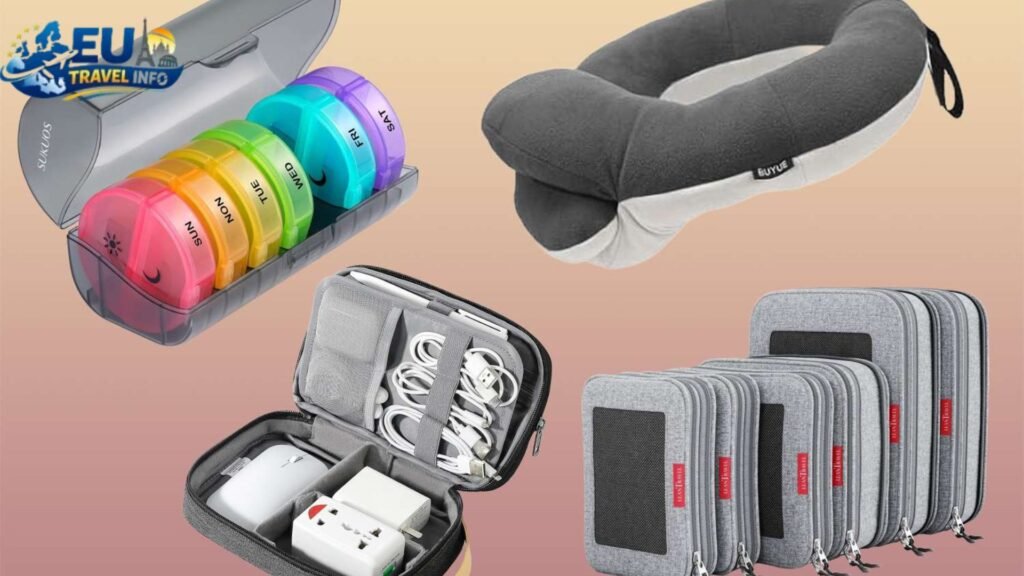
Gradually, you will also need to pack the right gear. France has different electrical outlets than the United States. You must buy a couple of electrical adaptors. Do not bring high-energy tools like the Dyson Airwrap. It could blow a fuse or break your expensive tool. Plus, you need to prepare for a wide range of weather. The north and south of France are very different. You might experience 80-degree heat in the south and 50-degree mornings in Paris.
The Cultural Keys: Etiquette and Language
You do not need to be fluent in French to have a great time. However, a little effort goes a very long way. Many people in France speak English, especially in Paris. However, it is rare to find English speakers in some small southern towns. First of all, always begin every single conversation with “bonjour” during the day. Use “bonsoir” at night. It is considered very rude to start talking to a shopkeeper or a waiter without a greeting.
Similarly, you should use honorifics. Address men as Monsieur and women as Madame. This shows that you respect their culture. You might want to learn a few basic phrases. “Je voudrais…” means “I would like” and is very helpful when you order food. “L’addition s’il vous plait” is how you ask for the check. Remember that tips are not expected because the service charge is already in the bill. Therefore, you can just leave some small change if you are happy with the service.
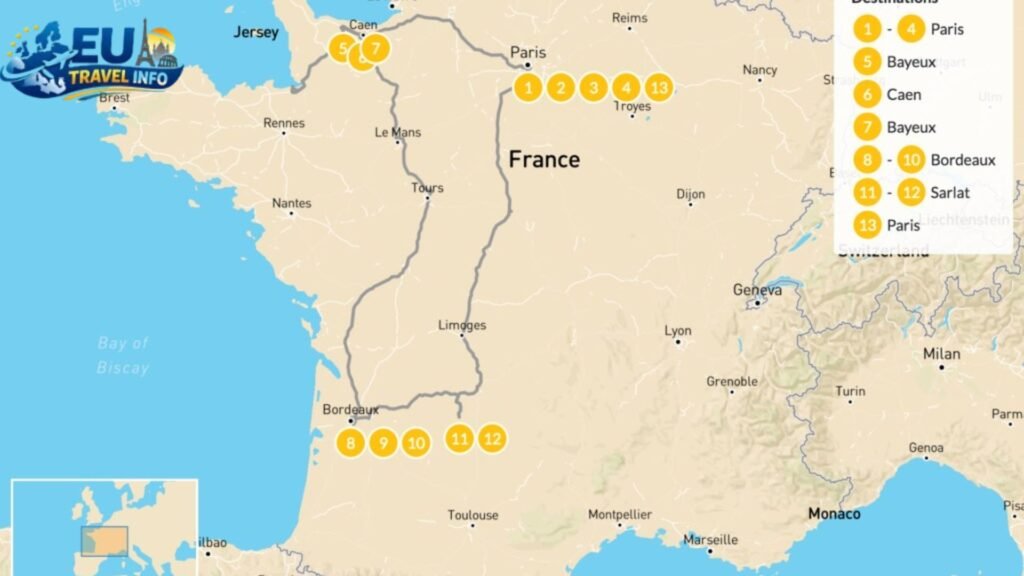
Day 1 to 4: Paris – The City of Light
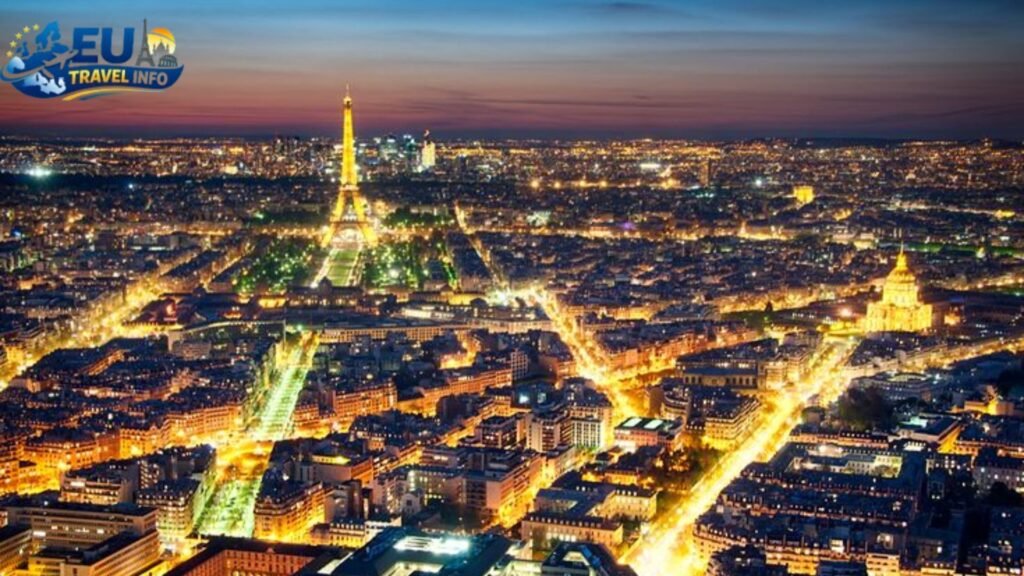
Your France Itinerary 14 Days begins in the most romantic city in the world. Paris is the capital and a global hub for fashion, food, and history. Most international flights land at Charles de Gaulle Airport. It is easy to get to the city center from there.
What to Do in Paris First of all, take a sightseeing cruise on the Seine River. This is the best way to get your bearings. You will float past the Eiffel Tower, the Notre Dame Cathedral, and the Louvre. Later, you can visit these spots on foot. If you want to go to the top of the Eiffel Tower, buy your tickets well in advance. For the best photos, head to the Trocadéro early in the morning. You will get a great shot without the massive crowds.
Also, you must spend time in the museums. The Louvre is the largest art museum in the world. You can see the Mona Lisa and the Venus de Milo. However, the Musée d’Orsay is also a must-see for fans of Impressionist art. If you need a break, do what the locals do. Have a picnic in the Luxembourg Gardens. It is a wonderful way to relax and breathe in the Parisian air.
A Day Trip to Versailles You should dedicate one full day to the Palace of Versailles. It is one of the easiest trips from Paris by train. It takes about one hour on the RER train. You will see the famous Hall of Mirrors and the grand royal apartments. Additionally, the gardens are free to enter most days and are absolutely stunning.
Day 5 to 6: The Loire Valley – Land of Châteaux
Later, you will head southwest to the Loire Valley. This region is famous for its river and the hundreds of historic castles that line its banks. It is a world-class landscape of hills, vineyards, and gardens. You can reach the town of Amboise in about 2.5 hours by car or train from Paris.
Exploring the Castles You must visit the Château de Chenonceau. It is a masterpiece that was built like a bridge across the River Cher. It has a history full of secrets and rivalry between powerful women. Another top spot is the Château de Chambord. This castle is famous for its double helix staircase and its massive scale.
On top of that, you can visit the Château du Clos Lucé. This was the final home of Leonardo da Vinci. You can walk in his footsteps and see models of his many inventions in the gardens. For a truly special experience, book a hot-air balloon ride over the valley at sunset. You will get a bird’s-eye view of the majestic châteaux.
Day 7 to 9: Bordeaux and Saint-Émilion – Wine Lover’s Paradise
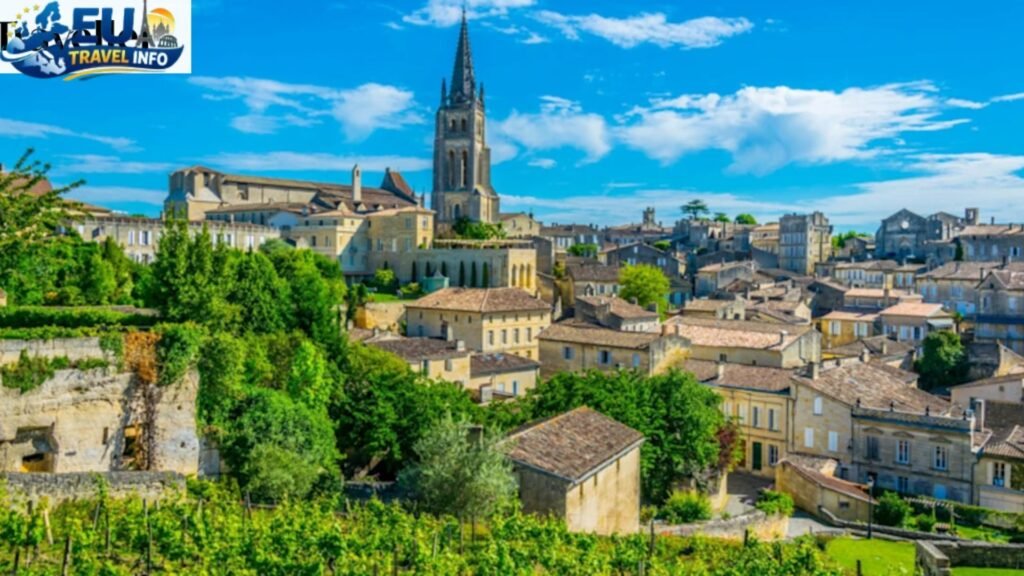
Gradually, you will move further south to Bordeaux. This city is a dream destination for anyone who loves food and wine. About 50 percent of the town is listed as a UNESCO World Heritage site. It is full of restored 18th-century buildings and smart terraces.
The Wine Experience Bordeaux is surrounded by nearly 6,000 wineries. Red wine accounts for almost 90% of the production here. You can visit the Bordeaux Wine Museum or take a class at the Bordeaux Wine School. Additionally, you must take a short trip to Saint-Émilion. It is only 31 miles away from the city. This medieval village produces some of the best red wine in the entire world. You can explore the underground monuments and then sip wine at a local cellar.
Plus, you should visit the Place de la Bourse in Bordeaux. It features the world’s largest reflecting pool, known as the Water Mirror. At night, the buildings glow in the water and create a magical atmosphere. If you have extra time, drive an hour to Arcachon Bay. You can taste fresh oysters right at the fisherman’s huts.
Day 10 to 14: Nice and the French Riviera
Finally, your journey takes you to the French Riviera, also known as the Côte d’Azur. This region is famous for its glamour, blue waters, and pebble beaches. Nice is the second-largest city in the Mediterranean and serves as a great home base.
What to Do in Nice First of all, walk along the Promenade des Anglais. This is a long boulevard that fronts the bay. It is lined with grand hotels and cafes. You should also explore Vieux Nice, which is the historic old town. It feels like a medieval village with its narrow streets and red-tile roofs. You can visit the Cours Saleya market to find fresh flowers and local produce.
Day Trips to Monaco and Eze You can easily visit the tiny nation of Monaco from Nice. It is a place for the rich and famous. You can see the Prince’s Palace and the Monte Carlo Casino. On the way there, you should stop at the village of Eze. It is perched high on a cliff and offers breathtaking views of the Mediterranean Sea. It remains unspoiled and peaceful.
Planning Your Logistics: Train vs. Car
Many travelers ask about the best way to get around. A France itinerary 14 days by train is a very popular choice. The French rail system, known as SNCF, is excellent. You can take the TGV, which is a high-speed train. It can take you from Paris to Nice in about 5 to 6 hours. From Paris to Bordeaux, the trip is only about 2 hours and 30 minutes. However, you must book your TGV tickets in advance because they sell out fast.
On the contrary, a road trip gives you more freedom. DriveAway suggests several routes through the countryside. If you rent a car, remember that the French drive on the right-hand side of the road. Seatbelts are mandatory for everyone. Additionally, speeding is taken very seriously. There are many hidden mobile police radars across the country. Therefore, you should always watch the speed limit signs. Plus, most motorways are toll roads. You will need a credit card or cash to pay as you go.
Traveling with Kids or Groups
A France itinerary 14 days with kids is totally doable and very fun. Children will love Disneyland Paris, which is the most popular attraction in Europe. In the Loire Valley, the mechanical creatures at Les Machines de l’Île in Nantes are a big hit. There is a massive walking elephant that kids can actually ride. Similarly, the La Rochelle Aquarium is one of the best in Europe and features over 12,000 marine creatures.
If you are traveling with friends, the costs can be reasonable. One group of four people spent about $6000 total for their 14-day trip. This averages out to $1,500 per person for lodging, tickets, and food. This does not include extra shopping or expensive wine bottles taken home. Therefore, you can plan a very high-quality trip without spending a fortune.
Alternative Routes and Combinations
Some people want to see even more of Europe. You could easily create a France Italy itinerary 14 days. Trains connect Paris to Italian cities like Milan and Rome. Similarly, a France Switzerland itinerary 14 days is easy to manage. High-speed trains run from Paris to Geneva and Lausanne several times a day.
If you prefer the north, a Northern France itinerary 14 days would include the beaches of Normandy. You can see the D-Day landing sites and the Bayeux Tapestry. You could also visit Mont-Saint-Michel, a stunning abbey built on a tidal island. The tides there are the highest in Continental Europe.
Expert Tips for a Smooth Trip
Following the advice of experts like Rick Steves, you should aim to visit in the spring or fall. The weather is usually good and there are fewer crowds. June is generally quiet outside of Paris. However, avoid the month of August if you can. This is when the entire population of France goes on vacation. Many local businesses in rural areas will shut down for the whole month. Plus, the roads become very crowded with traffic jams that can stretch for 1,000 kilometers.
On top of that, you should check for upcoming strikes. French rail workers sometimes go on strike, which can cancel your train plans. Always have a backup plan or travel insurance that covers these issues. Websites like reddit are great for getting real-time updates from other travelers who are currently in the country. You can find many threads under “france itinerary 14 days reddit” that offer fresh advice on which areas are currently the best to visit.
Eating Like a Local
Food is a major part of the experience. A typical French dinner has three or four courses. First of all, you have an entrée or appetizer. Then comes the plat principal or main dish. Finally, you have cheese or dessert. Coffee is always served at the very end. Do not ask for coffee during your meal. It will be seen as very strange.
Additionally, you should know that tap water and bread are always free in restaurants. Just ask for a “carafe d’eau”. If you want to try local specialties, look for Bouillabaisse in the south. It is a famous seafood stew from Marseille. In the north, try Rillettes which is a delicious potted meat. France has nearly 400 different kinds of cheese, so try as many as you can!.
Packing Your Suitcase
You should bring comfortable shoes above all else. You will do a lot of walking on cobblestone streets. One traveler suggests Rothy’s lace-up sneakers because they go with almost every outfit. You also need sandals for the beach and a neutral purse that looks good with everything. Plus, bring a mixture of tops. A sweater and a light jacket are essential for cool mornings in the north. Do not forget your swimsuit for the Mediterranean!.
Gradually, you will find that France is a place that changes you. It is a country of rich emotions and beautiful landscapes. Whether you are sipping wine in Bordeaux or watching the lights on the Eiffel Tower, you will make memories that last a lifetime. France in 2026 is waiting for you.
Frequently Asked Question
What is the best way to travel between cities in France?
The high-speed TGV train is the fastest way to travel between major cities. If you want to see small villages and the countryside, renting a car is a better option.
Is France safe for solo travelers?
France is generally very safe, but you should watch out for pickpockets in large cities like Paris and Marseille. Always stay aware of your surroundings in crowded tourist areas.
How much should I budget for a 14-day trip to France?
A mid-range budget is about $1,500 per person for two weeks. This covers your hotels, train tickets, and most meals. You will need more if you plan to do a lot of high-end shopping.
Do I need an International Driving Permit?
Yes, if you plan to drive in France, you must have a valid driver’s license and an International Driving Permit. You can be fined if you do not have one.
Can I use my credit card everywhere in France?
Most shops, hotels, and restaurants accept Visa and Mastercard. However, some small vendors might have a minimum spend requirement for card use.
Concluding Words
Your Ultimate France Itinerary 14 Days Travel Guide 2026 provides a perfect balance of history, culture, and relaxation. You will start in the iconic streets of Paris, move through the majestic castles of the Loire Valley, taste world-class wines in Bordeaux, and end with the sun-soaked glamour of the French Riviera.
By following these tips on transportation, etiquette, and packing, you can avoid common travel mistakes. France is a diverse and welcoming nation that offers something for every mature traveler. It is time to book your tickets and experience the joy of living for yourself.