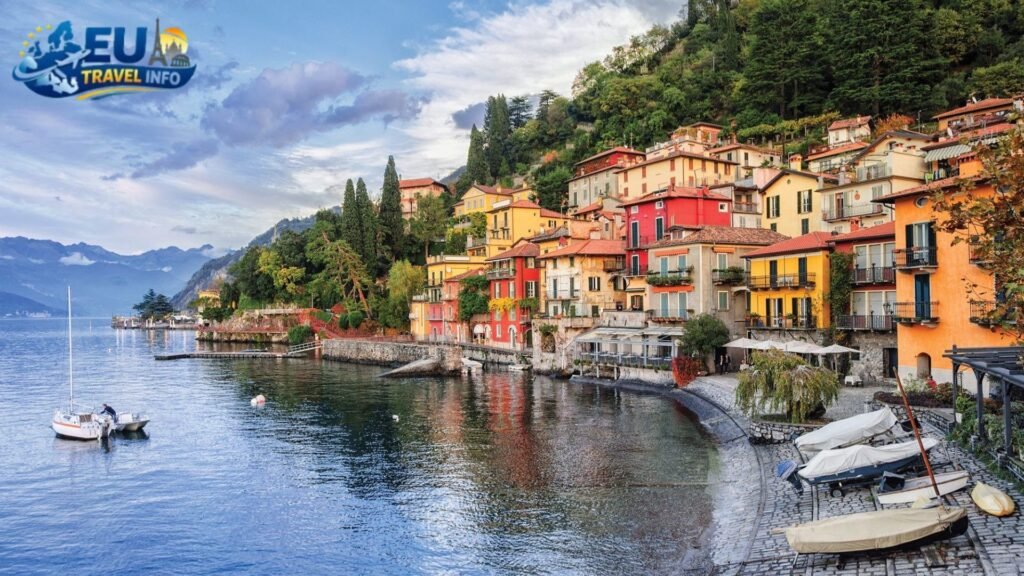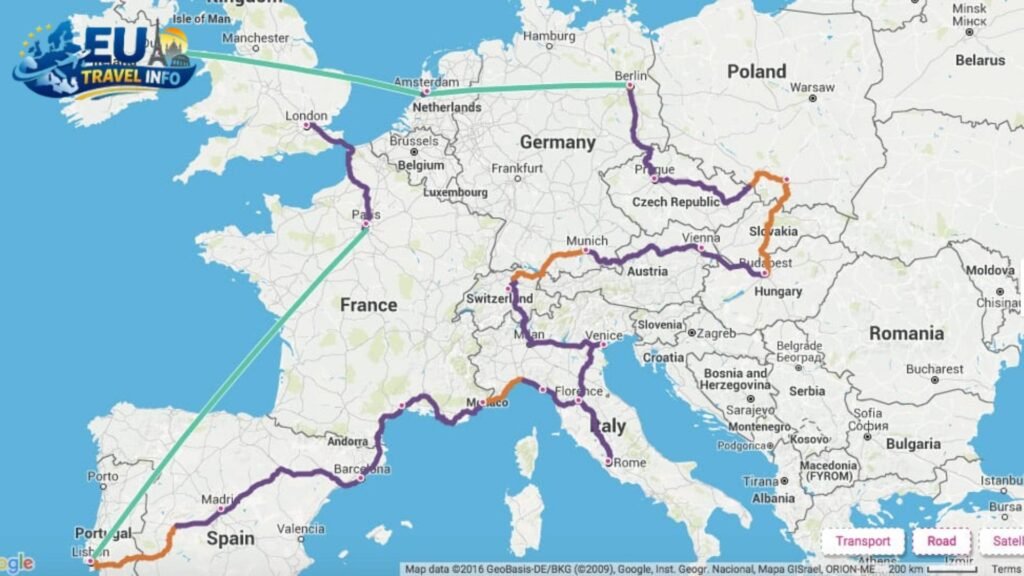
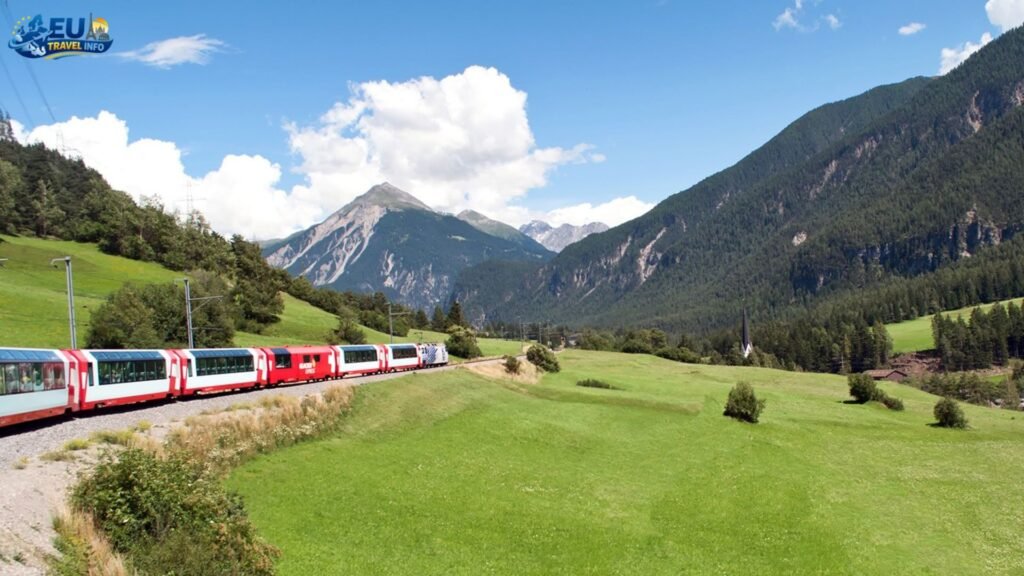
I remember the first time I sat by a train window and watched the Swiss Alps glide past like a slow-motion movie. It was magic. Rail travel in Europe is not just a way to get from one city to another. It is an experience that stays in your soul. For those of us who love to tour with comfort and style, 2026 is the best year to hit the tracks. The continent is more connected than ever before. New routes are opening. Digital tools are making things simple. This is my personal guide to navigating the rails in 2026.
The Magic of the Rails in 2026
First of all, you must understand why the train beats the plane every single time. There is no airport chaos. There are no baggage fees to worry about. You simply walk onto the platform in the middle of a city and settle into a plush seat. Statistics show that people are noticing this too. A 2025 survey by Hitachi Rail found that 62% of travelers would choose a train over a short flight if an alternative exists.
Europe is going through a “train-naissance” right now. Starline, a major project, aims to link all key cities with high-speed lines that feel like a giant metro system. Therefore, you can have breakfast in Paris and dinner in Berlin without ever seeing a security line.
What You Must Know Before You Leave

However, travel in 2026 has a few new rules. You need to be ready for the Entry/Exit System (EES) and the ETIAS travel authorization. The EES system replaces manual passport stamps with electronic records. Gradually, this will make border crossings faster. If you come from a visa-exempt country like the United States or Canada, you will also need an ETIAS authorization starting in the last part of 2026. It costs about €20 and stays valid for three years.
Additionally, you need the right tools on your phone. I always use the Trainline app. It brings together over 270 train and coach operators from 45 countries into one spot. It even has a feature called SplitSave that finds cheaper ticket combinations for long trips. Plus, you can use Price Prediction to see when fares might go up.
The Great Debate: Eurail Pass or Individual Tickets?
At that time when I first started traveling, I thought a Eurail Pass was the only way. That is not always true. You have to choose what fits your style.
The Eurail Pass is great if:
- You plan to visit many countries.
- You want the freedom to change your mind at the last minute.
- You are a senior over age 60, as you get a 10% discount.
Point-to-Point tickets are better if:
- You only have two or three cities on your list.
- You can book months in advance to get “advance-purchase” rates.
- You are traveling mostly in Spain or France where high-speed trains require extra reservation fees anyway.
Though a pass sounds simple, remember that high-speed trains in Italy and France often charge a €10 to €34 fee just to book a seat on top of your pass. Therefore, do the math before you buy. A Flexi Pass for 4 days in one month costs around €283 for an adult in second class.
New Routes for 2026 You Cannot Miss

On top of the classic lines, five new routes are changing the game this year.
- Paris to Berlin (European Sleeper): This night train route restarts in March 2026. It uses 14 coaches and can carry up to 700 passengers.
- Basel to Copenhagen to Malmö: Starting in April 2026, this EuroNight train connects the Swiss Alps to Scandinavia in a 16-hour journey.
- Milan to Munich: A direct Frecciarossa high-speed journey that takes about six and a half hours.
- Prague to Berlin to Copenhagen: The new ComfortJet train starts in May 2026. It has Wi-Fi, a children’s cinema, and a dining car for the 11-hour ride.
- The Al Andalus Luxury Train: This is for those who want to splurge. For about €6,600, you get a seven-day cultural trip through Spain in historic Belle Époque carriages.
Route 1: The 10-Day Central Europe Classic
This is my favorite route for first-timers. It hits three of the most beautiful cities on the continent: Budapest, Vienna, and Prague.
Days 1–3: Budapest, Hungary First of all, arrive in Budapest and take a cruise on the Danube River. It is a low-key way to see the city lights. Spend your second day on Castle Hill. The views from Fisherman’s Bastion are the best in the city. Matthias Church is right there too. Later, walk across the Szechenyi Chain Bridge to the Pest side. Similarly, you should visit the Great Market Hall to buy some paprika or Tokaji wine. On day three, tour the Parliament building. It is grand and sells out fast, so book ahead. Finally, soak your tired muscles in the Szechenyi Baths. They are the most iconic thermal pools in Europe.
Days 4–5: Vienna, Austria Take a high-speed train from Budapest to Vienna. It only takes about two and a half hours. Start at St. Stephen’s Cathedral. You can climb the towers for a 360-degree view of the city. Additionally, make time for a traditional Viennese breakfast at Café Central or Café Sacher. On your second day, visit Schönbrunn Palace. It was the summer home of the Habsburg family. The gardens are free to walk through and offer a stunning backdrop for photos.
Days 6–10: Prague and Cesky Krumlov The train from Vienna to Prague takes about four hours. Prague is like a gothic fairytale. Spend your morning in the Old Town Square to see the Astronomical Clock put on its show at the top of the hour. Walk across the Charles Bridge at sunrise if you can. It is much quieter then. On day nine, take a day trip to Cesky Krumlov. This small town escaped the bombings of World War II and is perfectly preserved. Most likely, this will be your favorite part of the whole trip.
Route 2: The 2-Week Alpine Adventure
If you love mountains, this is the route for you. It sweeps from Paris through the heart of the Alps.
Days 1–2: Paris, France Start with the classics like the Eiffel Tower and the Louvre. Enjoy a self-guided pastry tour. Calories in Paris do not count.
Days 3–5: Zurich and Lucerne, Switzerland The train from Paris to Zurich takes about four hours. Walk through the Old Town. Later, take the short 41-minute train to Lucerne. You must ride the world’s steepest cogwheel railway to Pilatus Kulm. The views are like a rollercoaster but without the screaming.
Days 6–7: Milan, Italy Travel from Lucerne to Milan in about four hours. See The Last Supper by Leonardo da Vinci. Also, do not miss the aperitivo scene in the Brera district.
Days 8–10: Venice and Innsbruck Spend a day on a Cicchetti food safari in Venice. Then, take a five-hour train ride to Innsbruck, Austria. Marvel at the Golden Roof, which has 2,657 copper tiles.
Days 11–14: Munich and Strasbourg Munich is famous for its beer gardens and palaces. Finally, head to Strasbourg, France. It is the perfect mix of French and German culture. Visit Petite France for the best photo angles. From here, a fast train gets you back to Paris in under two hours for your flight home.
The Ultimate Swiss Experience: The Grand Train Tour
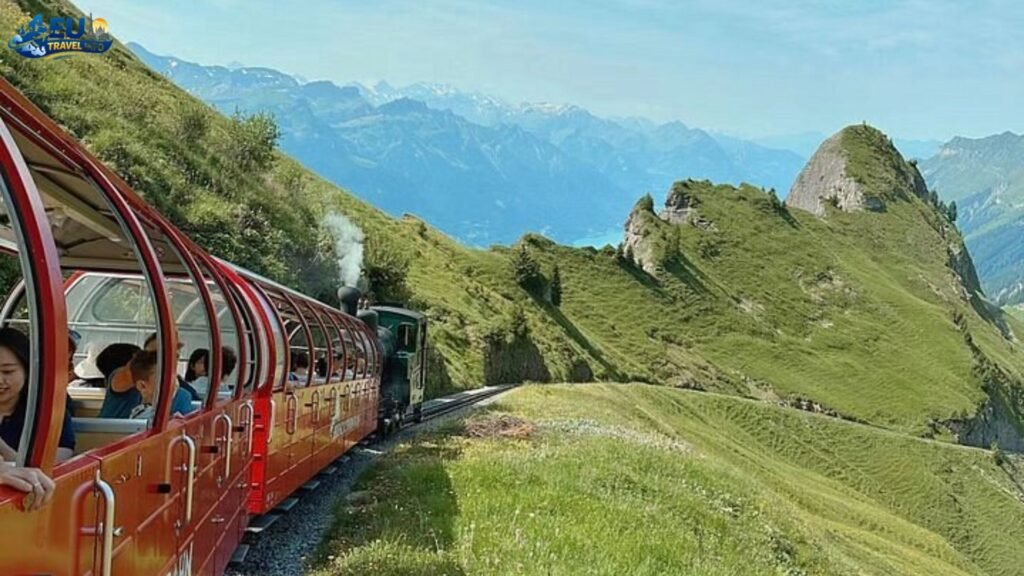
Switzerland is the gold standard for rail travel. The Grand Train Tour of Switzerland spans 1,280 kilometers and covers all the famous panoramic lines.
The best part is that the Swiss Travel Pass covers the entire route. You can choose a pass for 3, 4, 6, 8, or 15 days. It also gets you into over 500 museums for free.
Highlights of this tour include:
- The Glacier Express: Known as the slowest express train in the world, it takes about seven and a half hours to cross the mountains.
- The Bernina Express: This line is a UNESCO World Heritage site and offers some of the most dramatic mountain scenery in the world.
- The Gotthard Panorama Express: This combines a boat ride on Lake Lucerne with a train ride through the historic Gotthard route.
Similarly, you can use the Grand Train Tour app to collect digital stamps and earn the title of “Master of Grand Train Tour of Switzerland”.
Pro Tips for a Stress-Free Journey
Gradually, I have learned a few tricks that make train travel much easier.
- Try a Night Train Night trains are a game-changer. They save you the cost of a hotel and get you to a new country while you sleep. ÖBB Nightjet offers private compartments with real beds and breakfast. A couchette berth usually costs about €34 extra, while a bed in a triple sleeper starts at €54.
- Pack Light There are no baggage fees on trains, but there are often stairs. Carry a backpack or a small rolling suitcase that you can lift easily. Use packing cubes to stay organized as you move between cities.
- Book Reservations Early In 2026, popular routes fill up fast. Use the Rail Planner app to see which trains need a seat reservation. You can usually book these up to three months in advance.
- Wear the Right Shoes I always swap my fashion shoes for hill-walking shoes when I tour European cities. You will be on your feet all day. Good cushioning is more important than looking like a local.
FAQ
What is the difference between Eurail and Interrail?
Eurail is for people who live outside of Europe, like those in the USA or Canada. Interrail is for people who live in Europe. The passes work the same way.
Do kids travel for free?
Yes, children aged 4 to 11 qualify for a free Eurail pass when they travel with an adult. Each adult can bring up to two children. Infants under 4 travel for free and do not even need a pass.
Is there Wi-Fi on the trains?
Many modern trains like the ComfortJet and Nightjet offer free Wi-Fi. However, it is not always perfect in tunnels or mountain areas. I recommend getting an eSIM with a data package so you always stay connected.
Can I bring my own food and drinks?
Yes! This is one of the best parts of train travel. You can bring a picnic, a bottle of wine, or a local beer onto almost any train in Europe.
Concluding Words
The Rail Europe Itinerary Travel Guide 2026 shows that train travel is the most sustainable and beautiful way to see the continent. Whether you choose the imperial charm of Central Europe, the dramatic peaks of the Alps, or a luxury ride through Spain, the tracks will lead you to memories that last a lifetime. Prepare your ETIAS, download the Trainline app, and pack light. The magic of the rails is waiting for you.