I have always believed that the best way to see the world is at a slower pace. There is something special about the rhythm of the tracks and the changing views outside the window. Europe by train in 2026 is not just a trip. It is a dream come true for those of us who love culture, history, and a touch of holiday magic. I spent three weeks wandering through snowy cities, crowded markets, and quiet mountain towns. This is my personal guide for you.
First of All: The Journey Begins in the North
Our adventure started in the beautiful city of Oslo, Norway. It is a walkable place that feels very open. First of all, I recommend you head to the city center to see the main market called Jul i Vinterland at Spikersuppa. The lights are bright. The air smells like woodsmoke. You can find vendor booths and a Ferris wheel here. I walked along the seaside near the Oslo Opera House to see the floating saunas. It is a unique sight. I also suggest you visit the Royal Palace, though it is a bit small compared to others in Europe. For a great view, take a bus to the Holmenkollen Ski Jump at sunset. The view of the city is incredible.
Later, we took the train toward Copenhagen, Denmark. The trip between these cities can take about six hours if you go straight. However, we decided to stop in Gothenburg, Sweden along the way. This city has the largest Christmas market in Sweden at Liseberg Amusement Park. It has over 80 stalls filled with traditional crafts. I found the market at Haga Nygata to be very sweet. It has cobblestone streets and cute shops. You should climb the stairs to Skansen Kronan. This old fortress gives you a perfect view of the city from above. I also suggest a visit to the Market Hall for a large fresh food experience.
Finally, we reached Copenhagen. This city is the “crown jewel” of the north. Additionally, the market at Tivoli Gardens is a must-see. It has been open since 1843. Thousands of fairy lights make it look like a winter wonderland. You can drink gløgg and eat æbleskiver while you walk. I also enjoyed the Nyhavn canal. The market booths there have food, wine, and crafts. If you have time, take a canal cruise. It is a great way to learn about the history of the city.
Transitioning to the Heart of Germany
We moved south by train toward Cologne, Germany. This city is the king of Christmas in my eyes. On top of that, it has seven different markets to visit. The most famous one sits right in front of the Cologne Cathedral. The setting is breathtaking, especially at night. I climbed the 533 steps of the South Tower. I saw the market from a birds-eye view along the way. It was a long climb. My legs felt it. But the view was worth it.
Gradually, I found my favorite spot at Heinzel’s Winter Fairytale. People often call it the Gnome Market. It has an ice-skating course that is very impressive. I even saw a blacksmith demonstrate his craft. For something different, visit the Angel Market. It has a whimsical feel with stars hanging from the trees. A pair of angels even walk around to greet people.
Later, we explored the Rhine Valley. We visited Koblenz, which sits where the Rhine and Moselle rivers meet. It felt very authentic and less crowded. The market there is spread across seven squares in the Old Town. I also loved Speyer. It has a single road lined with stalls leading to a 900-year-old cathedral. The atmosphere is pure perfection. I spent one evening here and felt so much peace.
Moving Into the Fairytale Land of France
Therefore, we crossed the border into the Alsace region of France. This area looks like it came straight out of a storybook. First of all, you must visit Strasbourg, the “Capital of Christmas”. It has a history that goes back to 1570. Over 2 million people visit every year. The main market is at Place de la Cathédrale. The cathedral was the tallest building in the world for 200 years. It is a masterpiece.
Similarly, the decorations in Strasbourg are incredible. Storefronts are covered in festive displays. You should find the Grand Sapin at Place Kléber. It is a giant tree that is over 30 meters tall. I also recommend the Carré d’Or market for its intimate feel. It has beautiful light-up houses for sale. I drank vin chaud blanc, which is white mulled wine. It is very popular here and quite delicious.
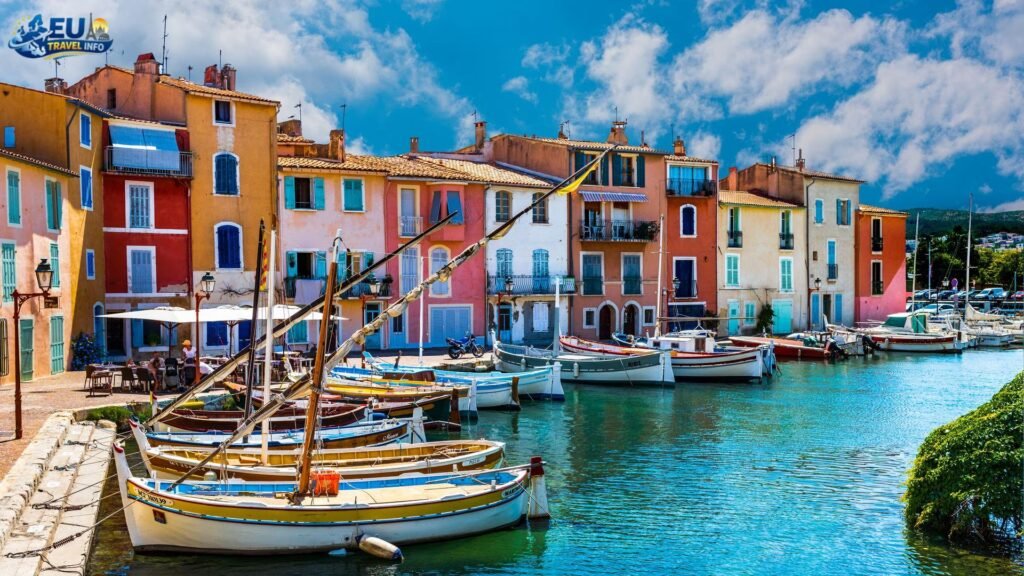
Later, we took a short 30-minute train ride to Colmar. This town is even more like a fairytale. It has six themed markets in the old town. I walked through the Petite Venise area. The canals were glowing with charm. Additionally, I suggest you visit the Marche Couvert. It is a large indoor food hall with many local treats. The light shows at night in Colmar are a unique factor you should not miss.
Climbing High Into the Alps and Italy
We headed toward the mountains next. Our train took us to Munich, Germany. This is a great base for the region. The main market at Marienplatz is a classic. I watched the carols under the gothic spires of the town hall. For something quirky, I went to the Medieval Market at Wittelsbacherplatz. Vendors wear old costumes. They serve mead in clay mugs. It feels very old-world.
Plus, Munich is only a short train ride from Salzburg, Austria. The journey is direct and takes under two hours. I used the Bayern Ticket, which is a great deal for groups. It covers regional trains and even travel to Salzburg. In Salzburg, the market at Cathedral Square is one of the oldest in Europe. It has roots in the 15th century. I took the funicular up to the Hohensalzburg Fortress. The winter views were panoramic and stunning.
On the contrary, if you want even more mountain magic, go to Innsbruck. The Alps rise right above the old town. I felt like I was inside a snow globe. The market under the Golden Roof is iconic. I rode the Nordkette cable car for a view over the snowy peaks. We went up for sunset. It was incredible.
Gradually, we made our way into South Tyrol, Italy. This region is a mix of German and Italian cultures. We visited Bolzano and Merano. In Bolzano, the market is in Piazza Walther. It is only a five-minute walk from the train station. I ate polenta served from large cast-iron pans. I also tried Knödel, which are bread dumplings. They are very filling. Additionally, the wine here is called vin brulé. It is spice-forward and very warm. Merano is just 30 to 40 minutes away by train. The market there stretches along the Passirio River. It feels very romantic and calm.
Finally: Exploring Eastern Europe
Our final week took us into Poland, Czechia, and Slovakia. First of all, we visited Wroclaw, Poland. I loved this city. It has a unique tradition of hidden gnomes. There are more than 800 of them all over the city. I saw about 50 in three days. I also saw the lamplighter on Cathedral Island. He lights 103 lanterns by hand every evening. The market mugs here were shaped like little boots. I kept two of them as souvenirs.
Later, we took a bus to Prague for about $35 USD. Prague is a big city with about 10 different markets. The one at Old Town Square is the most famous. I got up early to see the Charles Bridge at sunrise. It was 7:30 in the morning. The statues looked eerie without the crowds. I also climbed the Astronomical Clock Tower at 9 a.m.. I looked out over the city as the sun came up.
Finally, we ended our trip in Bratislava, Slovakia. It is a smaller city but very charming. The markets are focused on food and wine. I ate langoš and bryndza halušky. I also visited the Blue Church. It looks like a blue gingerbread house. You must also find the “Man at Work” statue. It is a bronze man peeping out of a manhole. It is a funny place for a photo.
Important Tips for Your 2026 Train Trip
I learned a lot during these three weeks. Therefore, I want to share some practical advice.
- The Mug Deposit System. When you buy a drink at a market, you pay a deposit called a Pfand. This is usually 3 to 6 Euro. You get this money back when you return the mug. However, many people keep the mugs as souvenirs. They are very cute and often have the year on them.
- Bring Plenty of Cash. Many stalls at the markets do not take credit cards. You will need Euros for most places. Additionally, you will need small coins for public bathrooms. I always suggest you do a walk-through first to see what you want before you spend your cash.
- Dress in Layers. Winter in Europe is bone-chilling. Temperatures are often between 30 and 50 degrees Fahrenheit. If there is wind, it feels much colder. I wore thermal tops and bottoms under my clothes. I also loved my fleece-lined leggings. You should bring a warm coat, a hat, gloves, and a scarf. Plus, waterproof boots are a must for walking on cobblestones.
- Book Your Trains Early. High-speed trains use dynamic pricing. This means the price goes up as the date gets closer. I saw a ticket for $19 USD two months out that cost $75 USD the next day. Use apps like Omio to compare prices and book in advance.
- Daylight is Limited. The sun sets very early in the winter. In some places, it is dark by 3:30 or 3:45 p.m.. You must be efficient with your daytime sightseeing. Gradually, you will learn to enjoy the markets even more once the sun goes down and the lights come on.
Conclusion of a Grand Tour
This three-week trip through Europe by train was a life-changing experience. I saw the modern saunas of Oslo and the ancient towers of Prague. I ate hearty polenta in Italy and sweet waffles in France. Europe in 2026 is waiting for you. The trains are ready. The markets are glowing. Pack your bags and start your own story. You will not regret it.
FAQ
How do I handle laundry on a three-week trip?
Many hotels offer laundry services, but they can be expensive. I suggest looking for a local “Laundromat” or “Waschsalon” in bigger cities like Munich or Prague. You can also wash small items in your hotel sink and hang them to dry.
Is it safe for solo mature travelers?
Yes, Europe is generally very safe. Stick to well-lit areas near the Christmas markets. Keep your bag in front of you in crowded places to avoid pickpockets. Trains are very safe and easy to navigate if you follow the signs.
How do I handle different currencies?
Most countries on this trip use the Euro. However, Poland uses the Złoty and Czechia uses the Koruna. I recommend using an ATM at the airport or train station to get a small amount of local cash. Most shops in these cities will take cards, but market stalls usually prefer cash.
Concluding Words
The 3 Weeks Europe Itinerary by Train Travel Guide 2026 offers a perfect path through the most festive and historic parts of the continent. From the snowy streets of Scandinavia to the warm Alpine markets of Italy and the fairytale villages of France, this journey captures the heart of the holiday season. By using the efficient rail system, you can experience diverse cultures and delicious foods with ease. This guide ensures you see the best sights while staying warm and comfortable during your grand winter adventure.