Welcome to your future. The year 2026 is almost here, and you are likely ready for a new adventure. You want a vacation that feels both active and relaxing. Denmark is the place for you. First of all, this country is small but it is very mighty. You will find that a Denmark Itinerary 7 Days gives you enough time to see the best highlights. However, you might want a denmark itinerary 10 days if you love to travel at a slower pace. You could even stretch it to a denmark itinerary 14 days to see every hidden gem in the north. Plus, even a denmark itinerary 4 days or a denmark itinerary 5 days works if you stay in the capital city. Therefore, you have many choices. This guide focuses on a full week of fun for mature travelers who love culture and physical activity.
The Perfect Start in Copenhagen
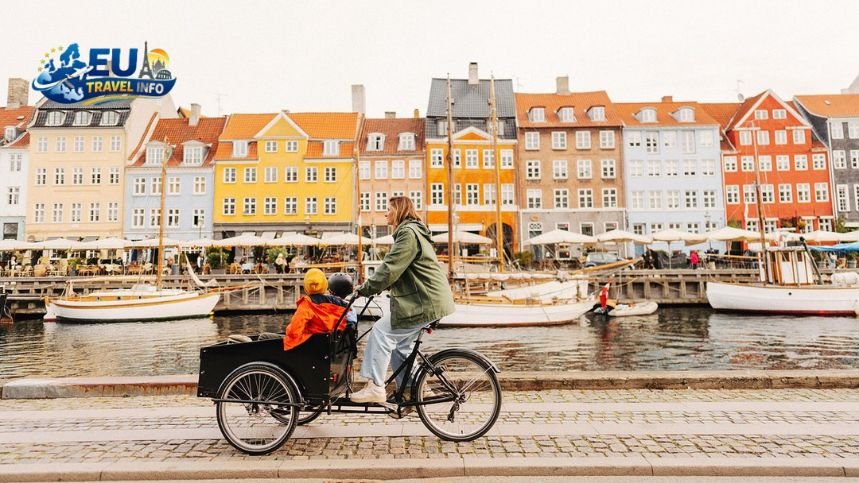
You land at Copenhagen Airport. It takes only 15 to 20 minutes to reach the city center by metro. Additionally, the airport is very efficient and well-connected. You should walk straight to Nyhavn. This harbor has colorful houses from the 17th century. It is the most famous spot in the city for a photo. Gradually, you will feel the spirit of hygge. This word means a sense of cozy contentment. It is a huge part of Danish life that makes every moment special. Also, you should try a traditional Danish pastry at a local cafe. A canel snail or cinnamon roll is a great sweet treat to start your day.
Mature travelers who love sports will love the vibe here. Danes love to bike. There are over 400 kilometers of cycle lanes in the capital alone. You can join a guided bike tour to see the sights while you stay fit. Therefore, you do not really need a car while you stay in the city. On top of that, the city center is very walkable. You can easily walk to Tivoli Gardens, which opened way back in 1843. It is the second-oldest amusement park in the world. Later, you can visit the Little Mermaid statue by the sea. She is tiny but she is very famous.
Denmark has a population of about 6 million people. Most of them speak English very well. In 2026, you should plan to spend about 100 to 150 Euros every day. This amount covers a mid-range hotel, your meals, and your transport. Additionally, Denmark is a nearly cashless society. You should bring your credit cards because most vendors prefer them over cash. Finally, you might want to buy a Copenhagen Card. This card gives you free access to over 80 attractions and unlimited public transport.
Day 2: Royal History and Design
You should start your second day at Rosenborg Castle. This Renaissance palace houses the Danish Crown Jewels. It is located right in the heart of the city. On top of that, the surrounding King’s Garden is the oldest park in Copenhagen. It is a perfect place for a morning walk. Later, you should head to Amalienborg Palace. This is the winter home of the Royal Family. You can watch the Changing of the Guard ceremony at noon. Additionally, the nearby Marble Church has an impressive dome that you must see.
Sports fans might enjoy a walk along the waterfront. You can see the Royal Danish Opera House across the water. It is a modern masterpiece of architecture. Gradually, you can make your way to Strøget. This is one of the longest pedestrian shopping streets in Europe. You will find many shops for Scandinavian design here. Also, you should stop for a coffee and a pastry at a local bakery like Lagkagehuset or Juno the Bakery.
You must try smørrebrød for lunch. These are open-faced sandwiches on dense rye bread. Traditional toppings include pickled herring, roast beef, or eggs with shrimp. Similarly, you might want to visit a food market like Torvehallerne. This glass-roofed hall has many artisan food producers. On the contrary, if you want a more casual vibe, head to Reffen. This street food market has over 50 vendors serving global cuisines.
Day 3: The Danish Riviera and Modern Art
You should take a short train ride north for about 45 minutes to Helsingør. This town is home to Kronborg Castle. This UNESCO site is the setting for the play Hamlet by Shakespeare. The fortress is very dramatic and sits right on the coast. Additionally, you can explore the underground casemates and see the statue of Holger Danske. Gradually, you can walk back through the cobbled streets of the market town.
Later, you should stop at Humlebæk on your way back to the city. This is the home of the Louisiana Museum of Modern Art. It is often called one of the most beautiful museums in the world. The art is mixed with a stunning view of the sea. Also, the sculpture garden is a great place to stretch your legs. Therefore, this day trip offers a perfect mix of history and modern culture.
You might want to hop on a ferry to Sweden if you have extra time. The trip across the water to Helsingborg is very short. Similarly, a 35-minute train ride takes you across the Øresund Bridge to Malmö. This bridge connects Denmark and Sweden physically. Finally, you can head back to Copenhagen for a nice dinner at a New Nordic restaurant. The city has 18 Michelin stars across 15 restaurants. Additionally, restaurants like Noma and Geranium are world-famous for their innovation.
Day 4: Viking History in Roskilde
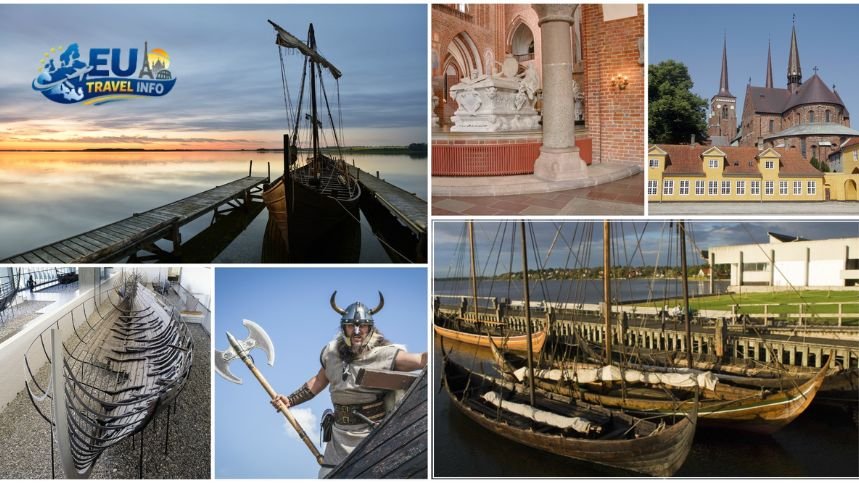
You should head west to Roskilde today. It is only a 20 to 30-minute train ride from the capital. First of all, you must visit the Viking Ship Museum. You can see five original Viking ships from the 11th century here. Additionally, you can even sail on the fjord in a traditional boat during the summer. Plus, the museum cafe serves food like a Viking would eat, such as local flatbread.
Later, you should visit the Roskilde Cathedral. This is a UNESCO World Heritage site and the burial place for 40 Danish kings and queens. The brick Gothic architecture is truly breathtaking. Gradually, you can explore the town center and find a cozy spot for lunch. Also, Roskilde is famous for its huge music festival in July. It is one of the largest festivals in Northern Europe.
Mature travelers who love sports might enjoy a hike at Stevns Klint. These chalk cliffs are 65 million years old. They show the layer of earth from when the dinosaurs vanished. Similarly, you can visit Møns Klint to see cliffs that rise 120 meters above the sea. These cliffs became a UNESCO site in 2025. However, these sites are a bit further south and might require a car or a long bus ride. Gradually, you can make your way back to your base in Copenhagen.
Day 5: Fairytales in Odense
You should pack your bags and take a 90-minute train ride to Odense. This is the third-largest city in Denmark and the birthplace of Hans Christian Andersen. First of all, you must visit the brand-new H.C. Andersen Museum. It has very modern architecture and tells his life story through interactive exhibits. Additionally, you can follow footprints on the sidewalk to find every historic site related to his life.
Later, you should explore the Funen Village. This is an open-air museum that shows how Danes lived in the 19th century. You can walk through old houses and gardens with costumed actors. Also, Denmark Itinerary 7 Days the city has a vibrant food scene with many charming cafes. Gradually, you can head to Egeskov Castle. Many people say it is the most beautiful castle in Denmark. It has gorgeous gardens and a very large maze.
Sports lovers will find that Funen is a very bike-friendly island. You can cycle through rolling hills and fruit orchards. Similarly, you could take a day trip to the island of Ærø. It is known as the island of romance with its colorful houses and cobbled streets. Therefore, you will find plenty of magic here. Finally, you should stay overnight in Odense to enjoy the local atmosphere.
Day 6: Culture and Art in Aarhus
You should head north to Aarhus today. It takes about 90 minutes from Odense by train. Aarhus is the second-largest city in the country. First of all, you must go to the ARoS Art Museum. The Your Rainbow Panorama on the roof is a colored glass walkway. It gives you a beautiful view of the city in every color of the rainbow. Additionally, the galleries inside have world-class art from the last 250 years.
Later, you should visit Den Gamle By, which means The Old Town. This open-air museum has 75 historic buildings moved from all over Denmark. It feels like a time capsule. Also, you can visit the Moesgaard Museum just south of the city. It has incredible Viking artifacts and a very cool modern building set in the forest. Similarly, the Latin Quarter is full of boutique shops and trendy cafes.
Aarhus has a very dynamic food scene. You should try the Aarhus Street Food Market for a wide variety of meals. On top of that, the city has several Michelin-starred restaurants for a high-end experience. Gradually, you can walk to the new Aarhus Island district to see modern architecture like The Wave. Finally, you can relax by the harbor bath before your final day.
Day 7: The Wild North or a Quiet Town
You have a few choices for your final day. You could head further north to Aalborg. This city is often called the Paris of the North because it blends history with a modern waterfront. Additionally, you must see the Utzon Center, which was designed by the man who made the Sydney Opera House. Gradually, you can walk through the preserved houses at Hjelmerstald. Also, if you stay for a denmark itinerary 8 days, you can head to the very top of the country to Skagen. This is where two seas meet, and you can stand with one foot in each sea.
On the contrary, you might want to visit Ribe, which is the oldest town in Denmark. It is more than 1400 years old. The cobbled streets and the old cathedral are very peaceful. Similarly, you could visit Billund if you are on a denmark itinerary 7 days with kids. This town is the birthplace of LEGO. You can spend a full day at Legoland or visit the LEGO House. However, Billund is also great for adults who love design and history.
Finally, you can head back to Copenhagen to catch your flight. You can take a direct train from Aarhus in about 3 hours. Additionally, a ferry can take you from the Jutland peninsula back to Zealand. Plus, you could even take a seaplane for a very fast and fun trip. Gradually, you will say goodbye to this beautiful kingdom. You will leave with a heart full of memories and a body that feels energized.
Helpful Tips for Your 2026 Trip

You will find that traveling in Denmark is very easy. The train system is one of the best in Europe. First of all, you should download the Rejseplanen app to check all bus and train times. Additionally, you can buy your tickets on the DSB website or at station machines. You do not need to rent a car for this itinerary. However, a car is good if you want to see remote national parks like Thy or Mols Bjerge.
You should pack layers of clothing. Even in the summer, the wind can be quite cool. Also, a waterproof jacket is a must. Comfortable walking shoes are the most important thing for your feet. Similarly, the style of dress is usually smart casual. You will not need formal clothes unless you go to a very fancy restaurant.
Denmark is one of the safest countries in the world. Therefore, you can relax and enjoy yourself. Gradually, you will understand why Danes are some of the happiest people on Earth. They value equality and personal space. Additionally, punctuality is very important to them. You should always arrive on time for your tours and dinner reservations.
A Note on a Shorter or Longer Stay
You might only have a few days to spare. A denmark itinerary 6 days would still let you see Copenhagen and one other city like Odense. On the contrary, a denmark itinerary 3 days or a denmark itinerary 2 days should focus only on the capital city and its nearby castles. You could do a quick day trip to Roskilde to see the Vikings. Similarly, you could spend one full day at the art museum in North Zealand.
If you have two full weeks, you can go on a Denmark road trip. You can visit the Wadden Sea National Park to go on an oyster safari. You walk out onto the tidal flats and pick your own dinner. On top of that, you can see the Black Sun phenomenon when millions of birds fly together. Gradually, you can explore the rugged west coast and the surfing beaches of Cold Hawaii. Therefore, the more time you have, the more you will love this country.
FAQ
How many days do you need in Denmark?
You should aim for 5 to 7 days for a balanced first trip. This time lets you see the capital and two or three other regions. If you want a deep dive into the nature and every major city, you will need 10 to 14 days.
Is 7 days in Copenhagen enough?
Yes, it is plenty of time. You can spend 3 to 4 days on city sights and 3 days on day trips to places like Roskilde, Helsingør, and the Cliffs of Møn. This pace allows you to enjoy the city like a local without any rush.
What city to pair with Copenhagen?
You should pair it with Aarhus or Odense. Aarhus offers a modern art scene and great food. Odense gives you a fairytale feeling and beautiful gardens. Both are easy to reach by train in under 3 hours.
What is the prettiest place in Denmark?
Many people say the South Funen Archipelago is the most stunning spot. The island of Ærø looks like a small fairytale. Similarly, the chalk cliffs of Møns Klint offer the most dramatic natural views in the country.
Concluding Words
Explore Denmark Itinerary 7 Days With This Travel Guide 2026. This plan helps you see the best of the kingdom. You will enjoy the history of the Vikings and the beauty of royal palaces. Gradually, you will taste amazing food and stay active by walking and cycling. Denmark is a place of magic and contentment that you will never forget.