I am so excited to share my personal journey through two of the most beautiful countries in the world. This is a 14-day plan for your big trip in 2026. I spent weeks mapping out the best spots. My goal was to see the high peaks and the classy cities. I wanted to feel the history. You will see that this guide is perfect for anyone who loves a good tour. It is for the traveler who wants to see the sights but also wants to relax. Prepare for a trip of a lifetime.
The Start of the Journey: Appenzell and Tradition
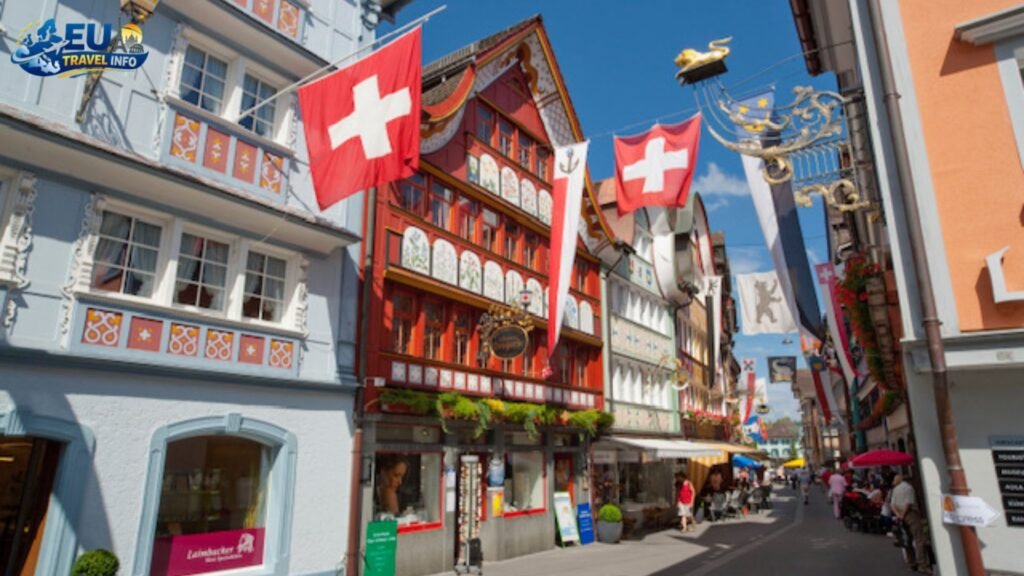
First of all, I landed at the Zurich Airport. I did not stay in the big city right away. I headed straight for the northeast corner of Switzerland. This area is called Appenzell. It feels like you stepped back in time. People say you should set your watch back 10 years when you cross into this region. It is very traditional.
I saw rolling green hills. I saw happy cows. These cows often wear flowers on their heads in late August or September. It is a festive parade. The local herders wear traditional costumes. They whistle and march down from the high pastures. Similarly, the kids here play “barn” instead of “house”. The pride in their dairy heritage is everywhere.
I decided to stay in a very special place. It is a mountain hut called Berggasthaus Aescher. This hut is built right into a cliff. It is at an altitude of about 5,000 feet. The back wall of the guest house is the actual rock of the mountain. Additionally, there is no shower. They only have rainwater. It sounds rough, but it is pure magic.
To get there, I took the Wasserauen cable car. Then I walked down from the Ebenalp plateau. I walked through a prehistoric cave. It was damp and dark. I held onto the railing tightly. I also saw the 400-year-old Wildkirchli cave church. Hermit monks lived there a long time ago.
The view from the Aescher deck is stunning. I sipped my coffee and looked at the Seealpsee lake below. I could hear the cows munching across the valley. Therefore, if you love peace and quiet, do not skip this. It is the best place to commune with nature.
Moving to Central Switzerland: Luzern
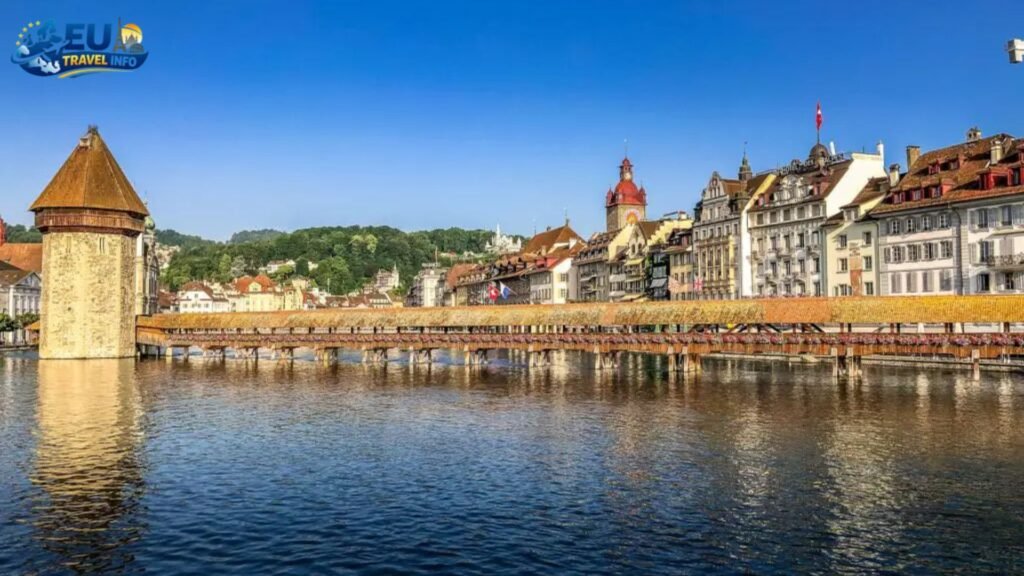
Gradually, I moved toward the center of the country. I spent two days in Luzern. This city is a main stop for a reason. It is beautiful. It has a famous bridge and a lovely lake. I used this time to catch my breath before the next big leg of the trip.
Luzern is the perfect middle point. You can take many day trips from here. However, I wanted to keep moving toward the mountains. I planned to use the train for most of my travel. The Swiss train system is incredible. It is efficient and clean.
Heading Toward Italy: Lugano and the Border
Later, I headed south. I followed the Gotthard Panorama Express route. I took a boat and then a train to Lugano. This area feels very different. It is near the Italian border. The language changes to Italian. The vibe is more relaxed.
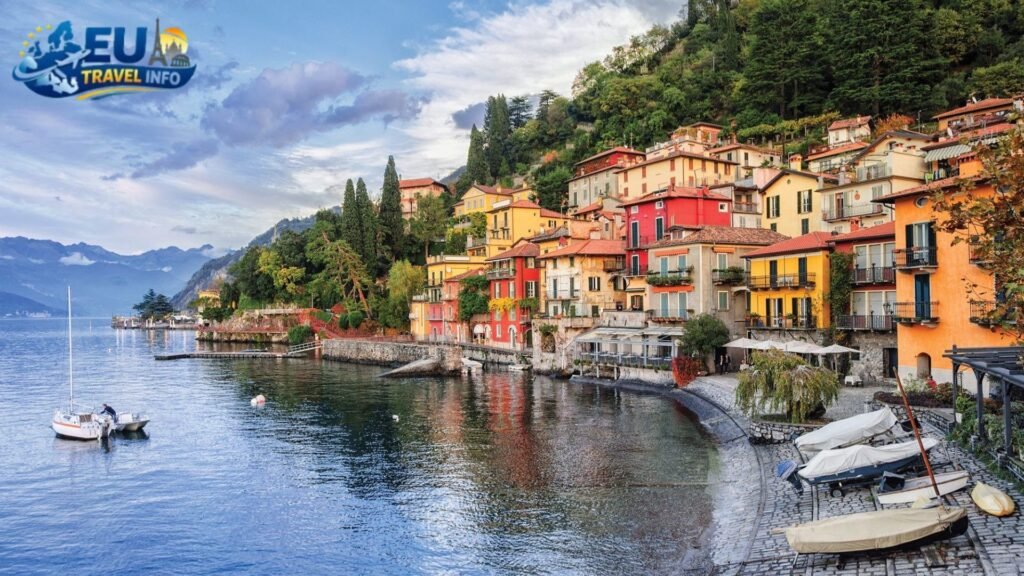
I saw palm trees. I saw Lake Lugano. It is a stone’s throw from Italy’s Lake Como. If you have a car, you can drive through Tirano and see the Italian side easily. On top of that, the Bernina Express bus drives right along Lake Como.
I loved the mix of cultures. You get the Swiss organization with the Italian style. It is the perfect place to enjoy a sunset. Actually, Monte Bre near Lugano offers a great view for this.
The Star of the Show: Zermatt and the Matterhorn
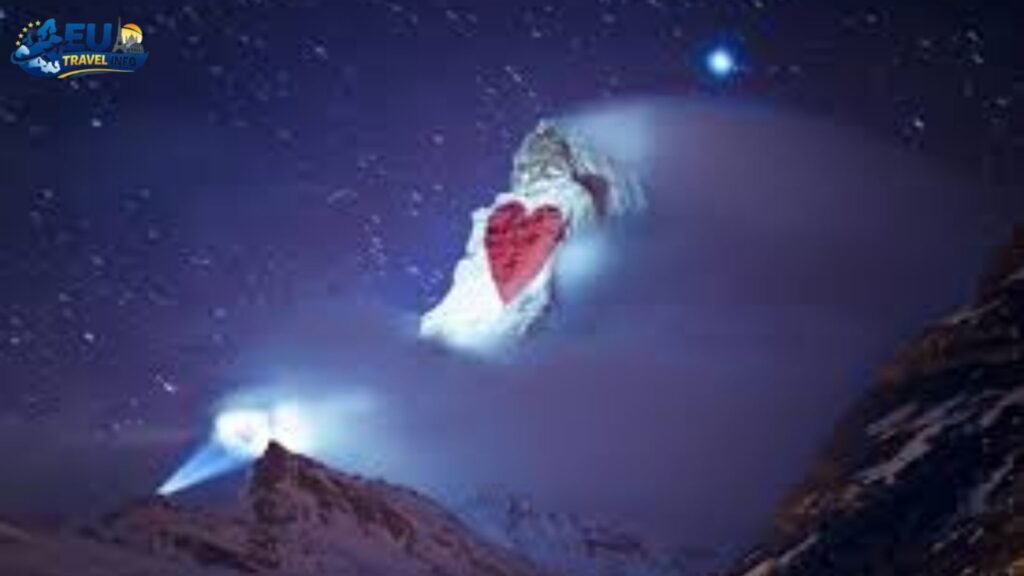
First of all, you must know that I love the Matterhorn. It is the most recognizable mountain on the planet. It is shaped like a pyramid. It stands at 14,690 feet tall.
I went to Zermatt. This town is tiny. Only about 6,000 people live here. Plus, there are no gas-engine vehicles. You will only see electric buses and taxis. They zip around like little Vespas. I loved strolling up the main street, the Bahnhofstrasse. Even bikes are not allowed on this street. It is reserved for people. In the summer, you might even see a parade of goats.
Zermatt can be tricky. The weather is not always good. The valley can get covered in clouds at any time. I suggest adding an extra day to your plan as insurance against rain. However, if the sun is out, it is worth every penny.
I took the Gornergrat cogwheel train. It goes up to 10,000 feet. The views are sweeping. I also did a hike between the Rotenboden and Riffelberg stops. The Matterhorn was right there the whole time. It felt like the mountain was nodding its white head at me.
Additionally, the town has a lot of history. It used to be a humble village of farmers. Now, it hosts about two million guests every year. It is a high-class resort, but it is for people who like to stay active.
Lake Geneva: The Swiss Riviera
Finally, I traveled to the southwest corner. I visited Lake Geneva. This region is often called the Swiss Riviera. It is a collage of castles and vineyards. I used Lausanne as my home base. It is a city of about 140,000 people.
Lausanne is built on hills. It feels like a life-size game of Chutes and Ladders. The streets are steep. Even the Metro platforms are on an incline. I visited the Collection de l’Art Brut. This museum has art made by people who were in prison or legally insane. It is very unique.
I also went to the Olympic Museum in the Ouchy district. I saw Jesse Owens’ spiked shoes. I saw a basketball signed by the 1992 Dream Team. The Olympic flame flickers in the park outside. It is a very inspiring place.
The highlight of this area is the Chateau de Chillon. I took a two-hour boat cruise to get there. This castle is on a rocky island. It has never been destroyed. It has a dank prison and 800-year-old toilets. I patrolled the ramparts like a guard. The views of the lake are tingly and romantic.
The High Alps: Berner Oberland
Similarly, no trip is complete without the Berner Oberland. This is the region with the Lauterbrunnen Valley. Rick Steves says this is the high point for most travelers. It has snow-capped peaks and waterfall-laced cliffs.
I stayed in Mürren. It is a car-free village on a cliff. I took a cable car to get there. The views of the Eiger, Mönch, and Jungfrau mountains are “drop-dead” gorgeous. I did the Panorama Trail hike. It is an easy walk between Männlichen and Kleine Scheidegg. It is about 2.9 miles long. There is only a 173-foot elevation gain. It is very easy for most people.
I also took a cable car to the top of the Schilthorn. It is at 9,744 feet. There is a rotating restaurant there called Piz Gloria. It was used in a James Bond movie in 1969. You can see 200 mountain peaks from your table. On a clear day, you might even see France and Germany.
On top of that, I tried the Thrill Walk. It takes you along the edge of a cliff. My heart was pounding! Therefore, if you like a little excitement, this is for you.
The Capital: Bern
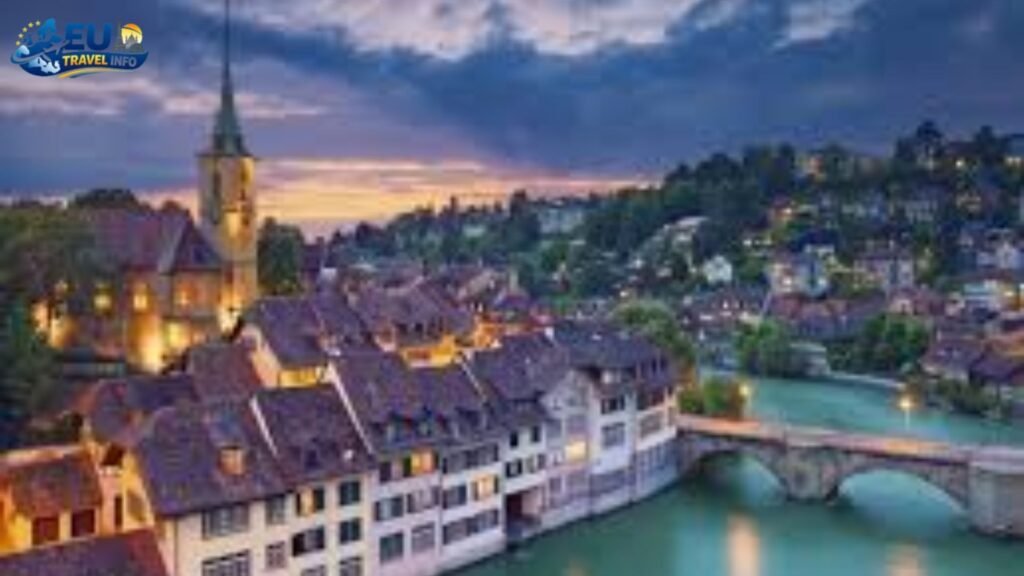
Later, I visited Bern. It is the capital of Switzerland. It is a very classy city. The streets are lined with arcades. There are three miles of these covered walkways. It is perfect for shopping because you stay dry if it rains.
I saw the Zytglogge clock tower. I also visited the cathedral. It has the highest tower in Switzerland at 330 feet. The city is uniform gray because of the sandstone used to build it. To brighten things up, there are many colorful fountains.
One of the funniest things I saw was the river swimming. The Aare River flows around the city. I saw many Swiss people hiking upstream in swimsuits. Then they just jump in and float back to town. The water looks glacial blue. I joined them! The current is strong. I was propelled toward the city amid rubber life rafts.
I also visited the bear pits. Bern has used bears as mascots for a long time. Now, the bears have a posh new home. One of the old pits is now a bear-themed bar. Additionally, the parliament meets in the old town. You might even brush elbows with a legislator. Everything is very casual.
Eating Your Way Through the Alps
First of all, you must try the cheese. Fondue is the most famous dish. It is melted cheese with wine. A normal portion is about 5 ounces of cheese. It is very heavy. I suggest splitting two portions among four people.
On the contrary, if you are in the German-speaking part, try Rösti. It is like American hash browns. It is grated potato fried in a pan. I liked mine with bratwurst and onion gravy. Sometimes the sausage comes from “happy pigs” that live on the alpine pastures.
In the French-speaking parts, they love Raclette. They melt a block of cheese and scrape it onto potatoes. It is delicious. Similarly, if you are in Zurich, try Züri Geschnetzeltes. It is meat in a cream sauce. Just be careful! The original recipe uses calf’s kidneys.
Finally, remember that you do not need to tip in Switzerland. Service tax and sales tax are already included in the price. Food is expensive enough. Save your money for some real Swiss chocolate.
Practical Tips for Your 2026 Trip
At that time, you will need to decide how to get around. I recommend the train. You have two main choices for passes. There is the Swiss Travel Pass (STP) and the Half Fare Card.
The STP is very convenient. You just hop on most trains and boats. For a 15-day trip, it costs about 419 CHF. It gives you a 50% discount on most mountain lifts. However, in some areas like the Berner Oberland, it only gives a 25% discount on certain routes.
The Half Fare Card costs 120 CHF. It allows you to buy tickets at half price for everything. This includes the high mountain lifts. You will have to buy a ticket for every trip, but the SBB app makes this easy. For many people, the Half Fare Card saves more money.
Additionally, think about when to go. Summer is the best for weather. The “tourist season” is May through September. July and August have the longest days. It stays light until after 21:00. Though, if you want fewer crowds, try late May or September.
Do not go in the “between time” like April or November. Many hotels and restaurants in mountain towns will be closed. The weather is often iffy. Gradually, the snow returns in December for the ski season.
A Note on the Italian Connection
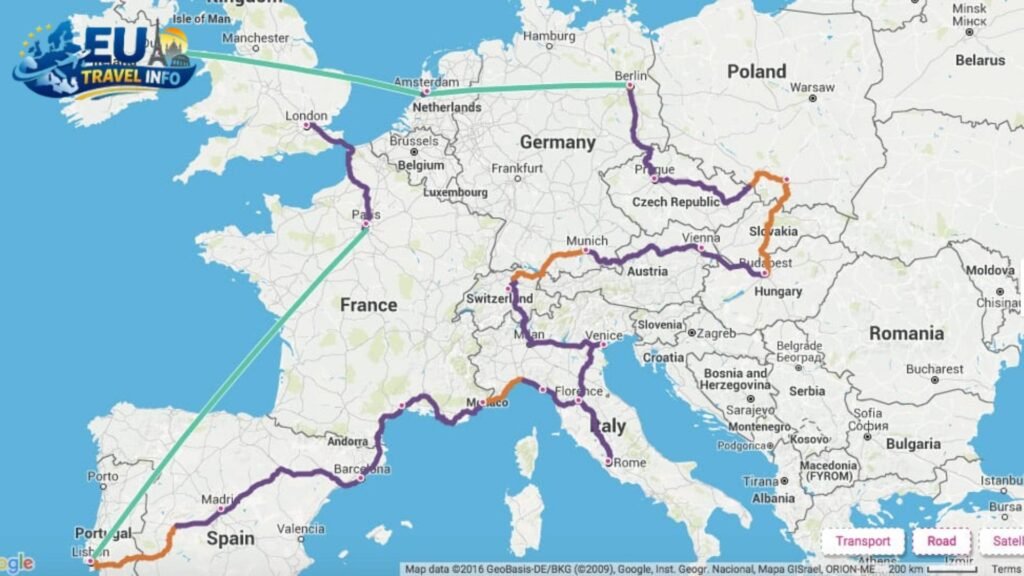
I mentioned Italy earlier. This itinerary is mostly about Switzerland. But, you can easily add an Italian flavor. Lugano is very Italian in style. You can also take a train from the Upper Engadine down to Tirano in Italy.
If you are driving, you can cross into Italy to get from Lugano to Zermatt. This takes you through some beautiful lake country. Therefore, you get the best of both worlds. You get the sharp peaks of the Swiss Alps and the soft beauty of the Italian lakes.
Summary of the 14-Day Route
- Day 1-2: Arrive in Zurich. Head to Appenzell. See the traditions and stay at the cliffside Aescher hut.
- Day 3-4: Go to Luzern. Enjoy the lake and the historic bridge.
- Day 5-6: Travel south to Lugano. Experience the Italian side of Switzerland and the Bernina Express.
- Day 7: Head to the Upper Engadine. Stay in Pontresina or St. Moritz.
- Day 8-10: Take the Glacier Express to Zermatt. See the Matterhorn. Do some high-mountain hikes.
- Day 11: Travel to Lausanne on Lake Geneva. Visit the Olympic Museum and the Chateau de Chillon.
- Day 12-13: Head to the Berner Oberland. Stay in Mürren or Gimmelwald. See the big three peaks: Eiger, Mönch, and Jungfrau.
- Day 14: Visit Bern in the morning. See the clock tower and the bear pits. Then head back to Zurich for your flight.
Why 2026?
Travel is changing. More people want to see the authentic side of Europe. Switzerland is perfect for this. They keep their traditions alive. The 26 cantons each have their own flavor. You can see the multiethnic makeup of the country in every town.
Actually, the Swiss are very good at making mountains fun. They have built an incredible system of lifts and trains. You can ascend to dramatic mountaintops effortlessly. It is a fairytale landscape.
I hope this guide helps you plan your dream trip. Take your time. Smell the cheese. Listen to the cowbells. Switzerland and Italy are waiting for you.
FAQ
What should I pack for a trip to the Alps?
You must pack warm clothing regardless of the season. The weather in the mountains can change very suddenly. Even in the summer, it can get cold at high altitudes.
Is it easy to find English speakers?
The official languages are French, German, and Italian depending on the region. However, the language situation is often a potluck. You will find that many people in tourist areas speak English well.
How do the Swiss vote on local issues?
In some traditional areas like Appenzell, entire villages still meet in town squares to vote. It is a very direct form of democracy.
Are there many museums for sports fans?
Yes. The Olympic Museum in Lausanne is a top sight. It features artifacts like Jesse Owens’ shoes and a basketball from the 1992 Dream Team.
What is the best way to see the waterfalls in the Berner Oberland?
The Lauterbrunnen Valley is famous for its waterfall-laced cliffs. You can see them by hiking the well-marked trails or by taking the various cable cars that connect the mountain villages.
Concluding Words
This 14-day guide covers the very best of Italy and Switzerland for your 2026 tour. You will see the iconic Matterhorn, the historic Chateau de Chillon, and the traditional hills of Appenzell. By using the efficient train system and picking the right rail pass, you can travel with ease. From the Italian flair of Lugano to the “happy pigs” of the Berner Oberland, this itinerary offers a perfect balance of adventure and relaxation. Make your reservations early and get ready for the sights of a lifetime.