I have always believed that some places in this world are just better than the rest. Italy and Switzerland are the top two on my list. I spend months in Europe every year. It would be a crime to visit the continent without some authentic Italian food and some quiet time in the Swiss Alps. In 2026, travel is back and better than ever. I have put together this guide to help you plan a trip that hits the highlights of both countries without moving too fast. We will talk about mountain peaks, fashion cities, and how to keep your wallet happy.
The Grand Plan: Two Weeks of Magic

First of all, you need a solid plan. A two-week trip is the perfect amount of time to see the best of the best. My favorite route starts in the busy streets of Milan. It then goes to the quiet waters of Lake Como. After that, we take a train across the border into the high mountains of Switzerland. We finish our journey in the clean, orderly cities of Lucerne and Zurich. This route is efficient and beautiful.
Day 1 to 2: Milan, The City of Style
I suggest you start in Milan because it is a great transport hub. Flights are often cheaper here than in other major cities. First of all, you must visit the Duomo di Milano. This Gothic cathedral is the symbol of the city. I recommend you go there at sunrise to beat the big groups of tourists. “The view from the roof is insane,” I always tell my friends. You can see the spires and, on clear days, the Alps in the distance.
Later, you should walk through the Galleria Vittorio Emanuele II. It is one of the oldest shopping malls in Europe. Even if you do not buy anything, the glass ceilings are beautiful. If you love art, you must see The Last Supper by Da Vinci. Please remember to book your tickets weeks or even months in advance. Additionally, I love the Navigli district for a drink and some snacks in the evening.
Day 3 to 4: The Elegance of Lake Como
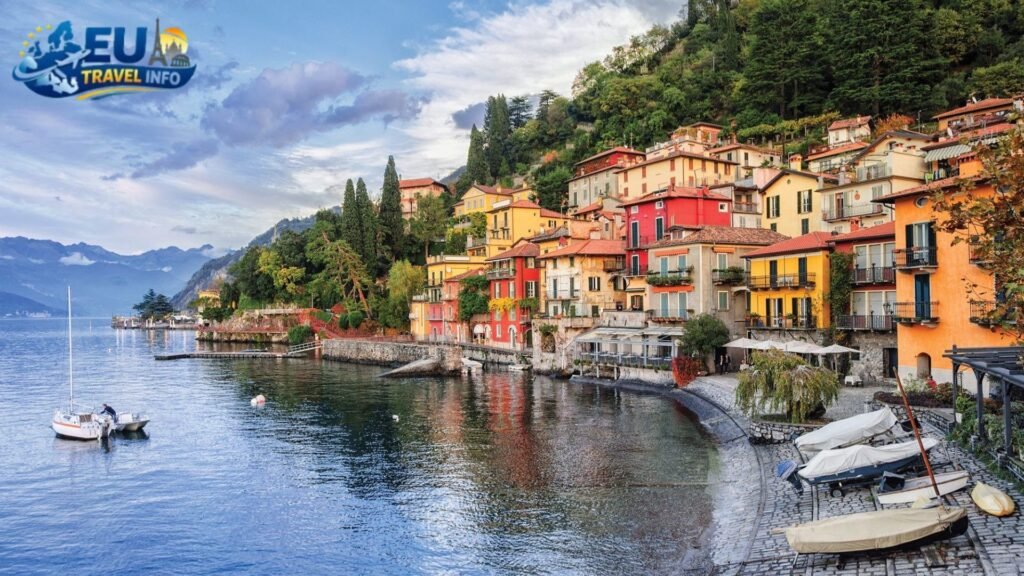
The train from Milan to the town of Como takes only about 40 to 75 minutes. However, I think it is worth staying in the smaller towns like Varenna or Bellagio. I stayed in a studio in Bellagio, and the views were like a postcard.
First of all, you should explore the gardens of Villa Monastero in Varenna. The lakeside path is full of flowers and has unbeatable views. Similarly, the Gardens of Villa Melzi in Bellagio are a dream. I suggest you use the ferry system to move between the towns. It is a fun way to see the palatial villas from the water. Plus, the cool breeze on the lake is perfect on a warm day. On top of that, you can rent a classic Fiat 500 in Como for a few hours. I did this and drove along the narrow roads. It was an unforgettable experience, though you must know how to drive a manual car.
Crossing the Border: The Bernina Express
This is the most dramatic way to leave Italy and enter Switzerland. The Bernina Express is a UNESCO World Heritage route. It connects Tirano in Italy to St. Moritz in Switzerland.
The ride takes about 4 to 4.5 hours. You will see 55 tunnels and 196 bridges. The train climbs over the Bernina Pass and goes by glaciers and high-altitude lakes. At that time, I was glued to the window. The Brusio spiral viaduct is a real show-stopper. It is a massive loop that the train takes to gain or lose height. Finally, the train drops you in St. Moritz, a town that invented winter tourism.
Day 5 to 6: Glitz and Glamour in St. Moritz
St. Moritz is full of luxury and style. Though it is expensive, it is a great place to rest for a night. I recommend you take a sunrise walk around Lake St. Moritz. It will not cost you a cent.
If you visit in the summer, you can use the cable cars for free if you stay at least two nights in a participating hotel. This is part of the “Bergbahn Inklusive” offer. I used this to go up Corvatsch Mountain for the best panoramas. Similarly, the view from Diavolezza shows you massive glaciers. Gradually, you will realize why this place attracts the wealthy.
Day 7: The Slowest Express Train in the World
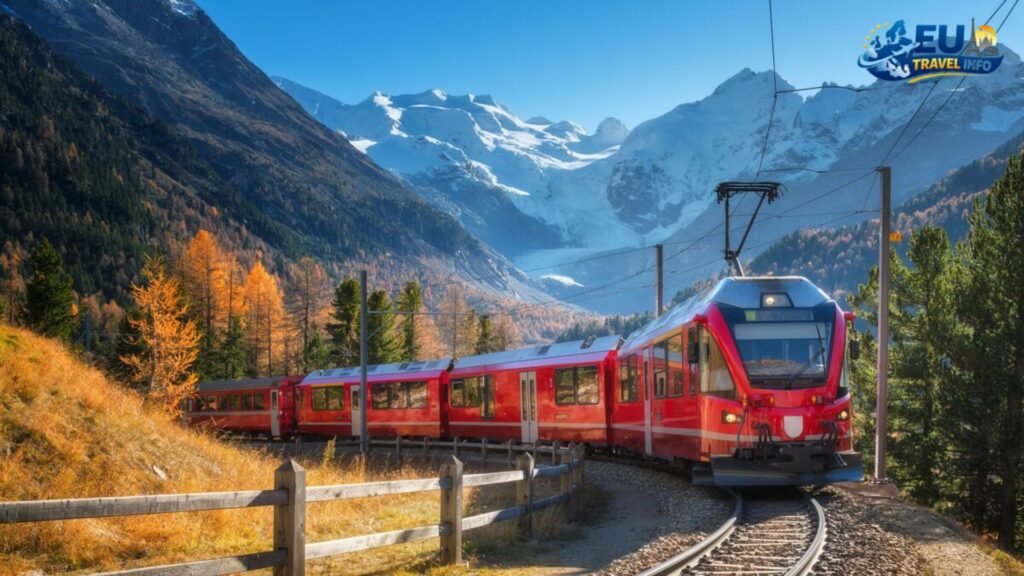
After your stay in St. Moritz, you should board the Glacier Express. It links St. Moritz to Zermatt. It is called the “slowest express train” because it travels at a relaxed pace so you can see everything.
The full journey takes about 8 hours. You will cross the Oberalp Pass, which is the highest point of the route. Additionally, you will see the Rhine Gorge, which people call the “Swiss Grand Canyon”. I suggest you book a meal at your seat. In the luxury Excellence Class, they even serve a five-course meal with wine. It is a bucket-list experience that you will not forget.
Day 8 to 9: Zermatt and the Mighty Matterhorn
Zermatt is a car-free village. It sits at the foot of the Matterhorn. The air here is so fresh and clean. First of all, you must take the Gornergratbahn mountain train. I recommend you sit on the right side on the way up for the best views. At the top, you can see the perfect reflection of the Matterhorn in Riffelsee Lake.
If you have the budget, go to Glacier Paradise. It is the highest cable car station in Europe. You can see 29 different peaks that are over 4,000 meters high. However, if your finances are tight, there are many free hikes that offer great views. I spent an afternoon just walking through the old part of the village with its traditional wooden chalets. It was peaceful and quiet.
Day 10 to 12: Lauterbrunnen and Interlaken
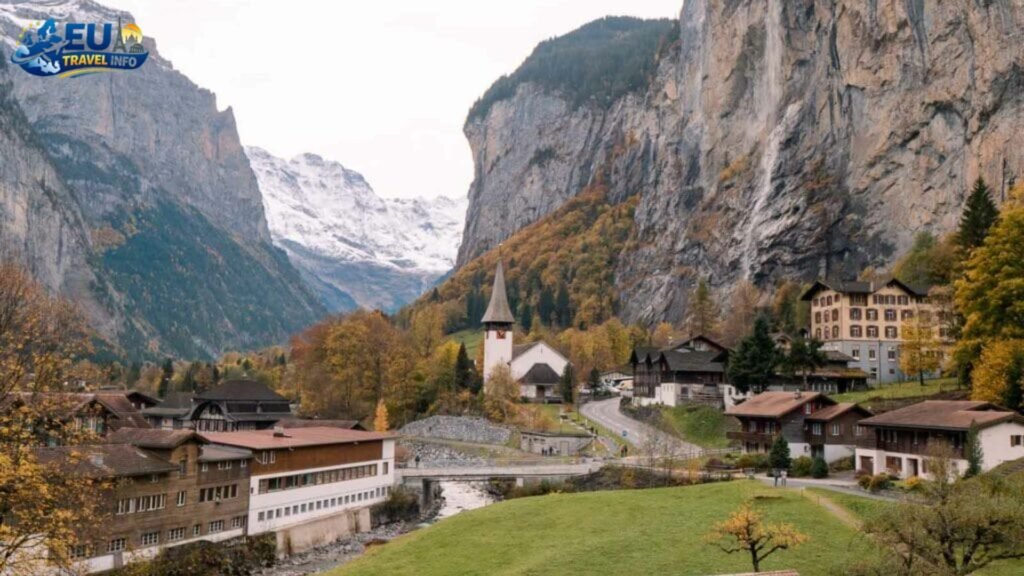
From Zermatt, the train to Interlaken takes about two hours. Interlaken is the adventure capital of Switzerland. However, the true magic is in the Lauterbrunnen Valley. It is a valley with 72 waterfalls.
I stayed in Lauterbrunnen because it feels like a fairy tale. You can take a cable car up to Mürren or Gimmelwald. These are cute mountain towns where cars are not allowed. I did a hike from Grütschalp to Mürren. It is an easy walk that takes about 45 minutes.
On top of that, you should visit the Jungfraujoch, which is the “Top of Europe”. It is the highest train station on the continent. The views of the Aletsch Glacier are stunning. Similarly, the Schilthorn offers a 360-degree view of the peaks. If you are brave, you can try the Thrill Walk at Birg. I did it, and it was insane!
Day 13 to 14: Lucerne and Mount Rigi
Next, take the Luzern-Interlaken Express. It is a very pretty ride that takes less than two hours. Lucerne has all the charm of a small town but with the perks of a city.
I suggest you walk across the Chapel Bridge, which is a famous wooden bridge from the 14th century. Also, a walk along the old city walls is free and gives you great views of the lake. For a day trip, I recommend Mount Rigi. The boat trip to the base and the train up the mountain are free if you have a Swiss Travel Pass. At the top, you can see across 13 different lakes. It is the perfect place to sit and think about your trip.
The Final Stop: Zurich
Your trip finishes in Zurich. It is Switzerland’s biggest city and a major transport hub. If you only have a few hours, walk through the Old Town. I loved the narrow lanes and the beautiful scenes along the waterfront.
If you love chocolate, you must visit the Lindt Home of Chocolate. It has a massive chocolate fountain that is over nine meters tall. Additionally, you can relax in the infinity pool at the Hürlimann Baths & Spa. It is built in an old brewery and has great views over the city. Finally, you can head to the airport for your flight home.
Essential Budget Data for 2026
Planning a trip to Switzerland requires careful budgeting because it is the most expensive country in the world. Here is what you need to know about the numbers:
- Daily Spending: A “shoestring” budget for a backpacker is about $95 USD per day. A mid-range traveler will likely spend around 200 CHF ($230 USD) per day. If you want luxury, plan for at least 400 CHF per day.
- Accommodation Costs: In Switzerland, a dorm bed in a hostel costs about 35 to 70 EUR. A private mid-range hotel room will cost 150 EUR or more. In Italy, things are cheaper. You can find a private room for 90 EUR.
- Food Prices: A meal at a simple restaurant in Switzerland costs 25 to 35 CHF. I suggest you buy groceries at the Coop or Migros supermarkets to save money. A week of basic food staples costs about 80 to 125 CHF.
- Transport Passes: The Swiss Travel Pass is expensive but very useful. It covers all trains, buses, and boats. An 8-day pass for an adult in 2026 is a popular choice for this itinerary. Alternatively, a Eurail Global Pass is great if you are traveling a lot in Italy too.
How to Save Money Like a Pro
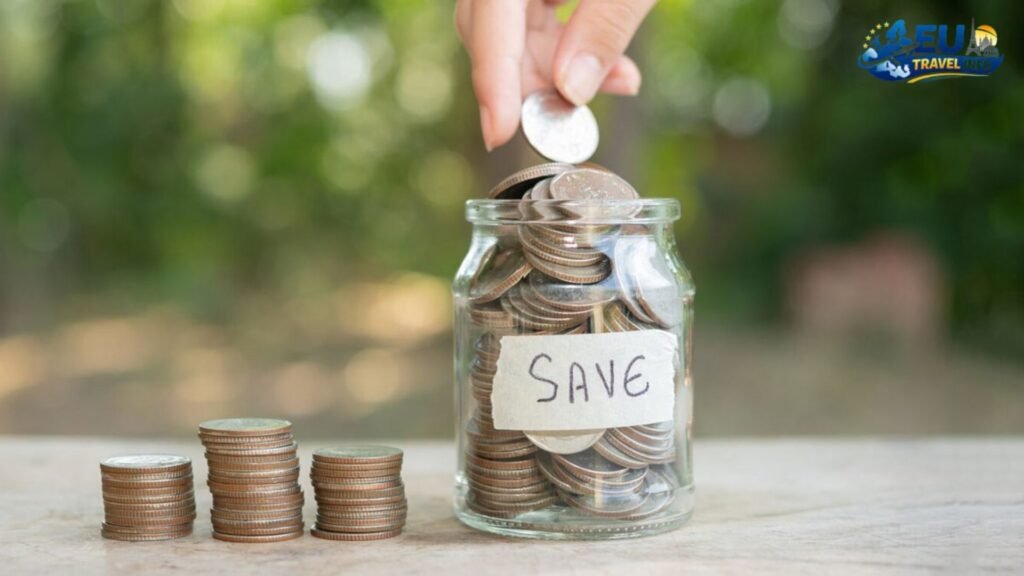
I learned a few tricks to keep costs down during my travels. First of all, always carry a reusable water bottle. The tap water in Switzerland is some of the best in the world and it is free. Do not pay for bottled water!
Second, eat your main meal at lunch. Many restaurants offer “lunch specials” that are much cheaper than the dinner menu. I often ate a big lunch and then cooked a simple pasta dinner at my hostel or Airbnb.
Third, limit your alcohol and meat. Alcohol is very expensive in Switzerland, with a beer costing about 8 CHF. Similarly, meat is very pricey. I noticed that many locals eat more vegetables to save money. You should do the same.
Finally, pay attention to your direction of travel. I once made a mistake and doubled back on my route, which cost me an extra 100 CHF in train tickets! Plan your route in one direction—like Milan to Zurich—to save money.
Driving vs. Taking the Train
I have done this trip both ways. Here is the breakdown:
The Case for the Train: The Swiss train system is the best in the world. It is punctual, clean, and goes everywhere. You do not have to worry about parking or narrow mountain roads. Plus, you can look out the window and enjoy the views. I highly recommend the train for Switzerland.
The Case for a Car: Renting a car gives you a lot of freedom. It cost me about $550 for 14 days to rent a car from the Munich airport, which was cheaper than renting in Zurich or Milan. Driving in the Italian Dolomites is a must because public transport there is not as good. However, parking in Italian cities is a nightmare. In Switzerland, you will have to pay for parking almost everywhere.
Important Logistics and Tips
- Currency: Italy uses the Euro (€), but Switzerland uses the Swiss Franc (CHF). Most places take credit cards, but it is good to have a little cash for small mountain shops.
- Language: In the regions we are visiting, people speak Italian and German. However, almost everyone in the tourism industry speaks English fluently. You will have no problems asking for help.
- Safety: Both countries are very safe for travelers. I never felt worried about my safety, even when walking alone at night. Just use common sense in big cities like Milan to avoid pickpockets.
- Insurance: Do not skip travel insurance. It protects you against illness, injury, and even lost luggage. My friend did not get her suitcase for two weeks, and her insurance helped her buy new clothes.
Gradually, as you follow this guide, you will see how easy it is to navigate these two beautiful countries. Whether you are hiking a ridge or sitting in a quiet cafe by Lake Como, the experience will stay with you forever. Italy and Switzerland offer a mix of culture and nature that you cannot find anywhere else. I hope this guide helps you plan the trip of a lifetime in 2026.
Frequently Asked Questions (FAQ)
Is it possible to see the autumn colors in Switzerland?
Yes. October is the best time for autumn colors. The trees turn red and orange, and the crowds are much thinner.
What is the “Honesty Shop” in Gimmelwald?
It is Europe’s first unattended self-service village shop. You take what you need—like local cheese or snacks—and leave your money in a box. It is based on a complete honor system.
Do I need an International Driver’s Permit to rent a car?
Yes. You will need an International Driver’s Permit in addition to your regular license to rent a car in Italy or Switzerland.
How do I find the best hiking trails?
Most trails are marked with yellow signs. I suggest reading local travel blogs for details on specific hikes to know the difficulty and time needed.
Concluding Words
This ultimate 2026 guide covers the perfect path from the fashion streets of Milan to the snowy peaks of the Swiss Alps. By visiting Lake Como, taking the scenic Bernina Express, and exploring the Lauterbrunnen Valley, you experience the very best of Italy and Switzerland. I have shared my top tips on budgeting, transport, and secret spots like the Honesty Shop to ensure your journey is smooth. Follow this itinerary for a two-week adventure that balances active hiking with true relaxation.