I am sitting at my desk and I am looking at a map of Europe for the year 2026. The dream of a grand tour through France, Italy, and Switzerland is finally becoming a reality. This plan is for the mature traveler who wants comfort, history, and beauty. I want to share my personal journey and the steps I am taking to make this the trip of a lifetime. You deserve a vacation that feels like a reward for all your hard work.
First of all, I must talk about the timing. Shoulder season is the best time to go. I am planning my trip for May 2026 or September 2026. The weather is mild at that time. You will see fewer crowds and you will pay lower prices for hotels. In Italy, the sun is warm but it is not sweltering. In France, the cafés are less crowded. It is the perfect balance.
Preparing for the Journey
I spent weeks researching the best ways to get around. Rail travel is the heart of this itinerary. The European rail network is amazing and it connects different countries and traditions easily. However, some people prefer a road trip. If you drive, you must know about the Swiss Vignette. For 2026, a digital vignette for cars up to 3.5 tons costs 54.90 €. It is valid until January 2031. Additionally, France uses a distance-based toll system on highways. You will pay at toll stations with cash or a credit card.
I also checked my budget. A high-quality 10-day rail tour can start around CHF 1,995. More luxury 14-day packages can cost between $5,000 and $8,800 per person. Therefore, you should plan your finances early. Plus, you must remember travel insurance. I always use a plan that offers instant payouts for common claims.
Day 1 to 2: The Magic of Paris
My journey begins in Paris. The City of Light is always a good idea. I arrived at the airport and I felt the magic immediately. I chose a hotel in the heart of the city.
First of all, I went to the Eiffel Tower. You should get there before 9 AM to avoid the long lines. The view from the top is spectacular. Later, I took a stroll along the Champs-Elysées. I enjoyed the window shopping and the smell of fresh croissants. On top of that, a Seine River boat cruise at sunset is a must. You can see the monuments glow as the lights come on.
I spent my second day in Montmartre. This area is home to artists and famous cabarets like the Moulin Rouge. I sat at a café and I watched people walk by. The atmosphere was peaceful. Similarly, the Louvre Museum is great, but it is busy. I recommend visiting in the afternoon when it is a bit quieter.
Day 3 to 5: Swiss Peaks and Lakeside Charm
I boarded a train from Paris to Interlaken. The ride takes about five hours. Gradually, the flat French countryside turned into massive, snow-capped mountains. Switzerland is a place to relax. The air is fresh and the water in the fountains is clean.
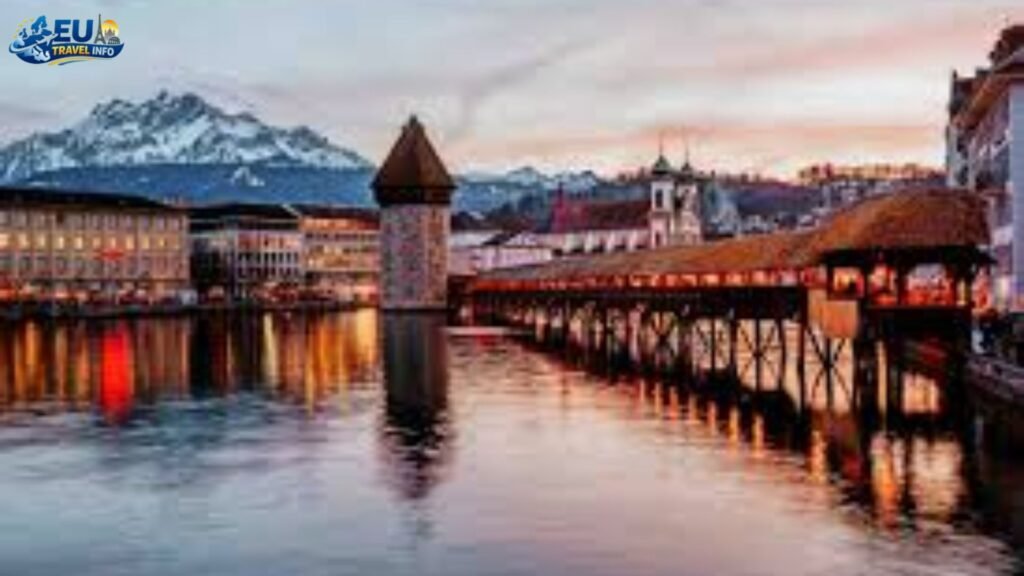
I stayed in Lucerne for two nights. The Kappel Bridge is the most famous sight there. I walked along the old city walls for free and I saw the best views of the lake. On day four, I took an excursion to Mount Pilatus. I rode a cable car to the top. The clouds were below me. Pure bliss. Quiet beauty. High altitude.
Next, I went to Lauterbrunnen. This valley has 72 waterfalls. I felt like I was in a movie. I also rode the Jungfrau Railway to the highest train station in Europe. It is expensive, but the view of the glacier is worth every cent. You should check the weather forecast before you go because visibility is best before noon.
Day 6 to 8: Scenic Trains and Zermatt
I decided to take the Glacier Express from Zermatt to St. Moritz. This is a once-in-a-lifetime opportunity. The train has huge windows so you do not miss any views. However, you must pay a reservation fee even if you have a rail pass.
In Zermatt, I saw the Matterhorn. It is the most famous mountain in the world. I did not want to pay for the expensive cable cars every day. Therefore, I went on a few hikes. There are dozens of trails that offer magnificent views for free. Additionally, the town is car-free. It is very quiet and the air is so pure.
Finally, I took the Bernina Express south towards Italy. This route is a UNESCO World Heritage site. It connects Switzerland to the Italian town of Tirano. The transition from the cold Alps to the warm Italian sun was wonderful.
Day 9 to 10: Milan and Lake Como
I arrived in Milan and I went straight to the Duomo. This Gothic cathedral is the symbol of the city. I also saw Leonardo Da Vinci’s “The Last Supper”. Milan is a great place for shopping and culture.
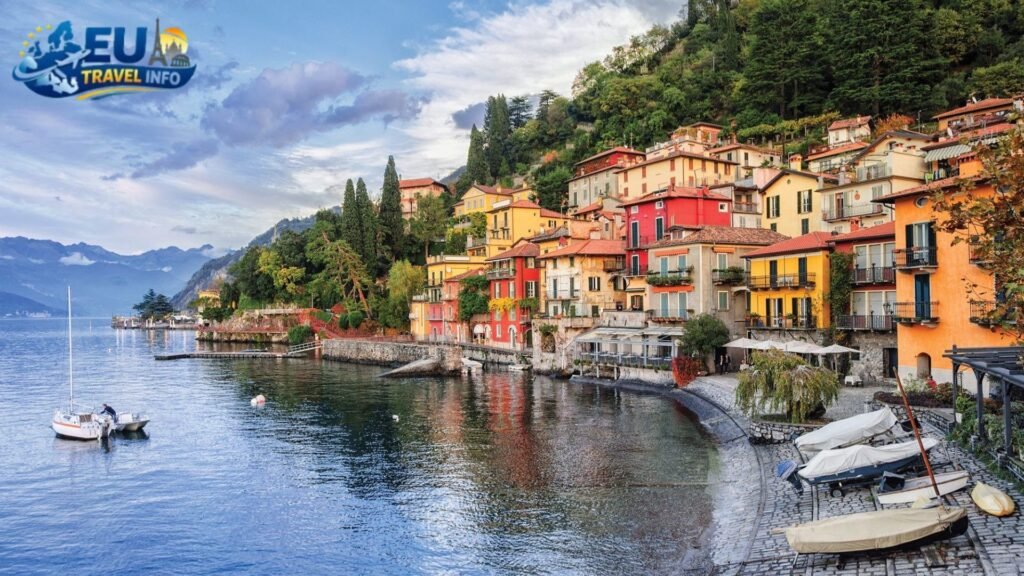
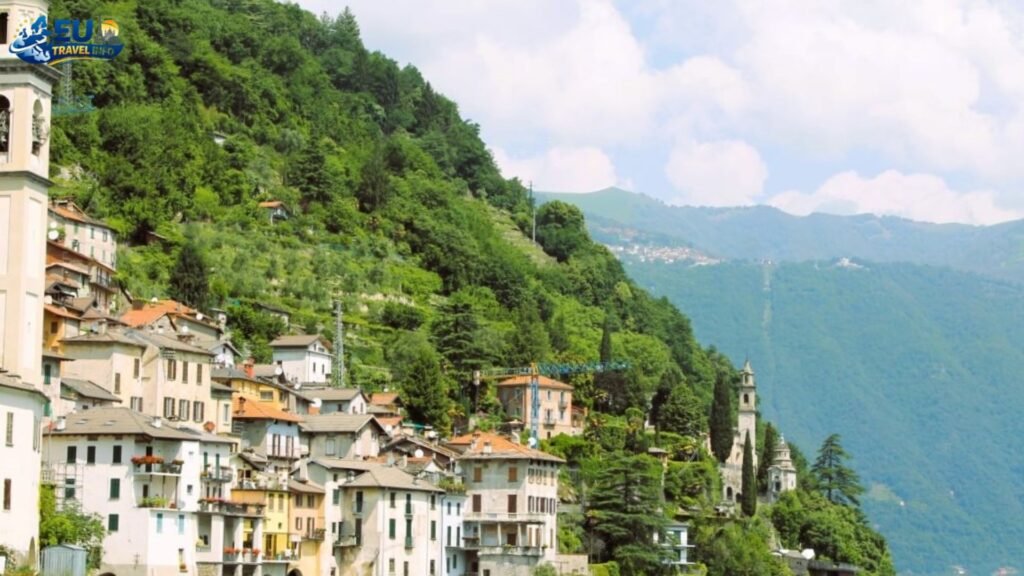
On top of that, I took a short train ride to Lake Como. I stayed in Varenna. I think it is the prettiest town on the lake. It is quieter than Bellagio. I walked along the flower-filled alleys and I watched the sunset from the waterfront. I also visited Villa Monastero to see the beautiful gardens.
Later, I took a ferry to Bellagio. The ride only takes 15 minutes. I enjoyed a glass of wine at a small bar by the water. Life felt slow and perfect. Similarly, the food in this region is excellent. I ate fresh pasta every day.
Day 11 to 12: The Beauty of Venice
I traveled to Venice by train. It took about two and a half hours from Milan. Venice is a city for lovers. There are no cars, only boats and canals. I stayed near St. Mark’s Square.
I visited the Doge’s Palace and I stood on the Bridge of Sighs. I also took a boat trip to Murano to watch local glassblowers. Though the city is crowded, it is still magical. I recommend taking the #1 vaporetto down the Grand Canal at sunset. It costs much less than a private gondola and the views are the same.
On my second day, I explored the hidden squares. I found a small restaurant away from the tourist spots. I ate seafood and I drank local prosecco. Italy is truly a place for the senses.
Day 13 to 14: Florence and the Eternal City
I took a high-speed train to Florence. This city is the birthplace of the Renaissance. I saw Michelangelo’s David at the Accademia Gallery. I also climbed to the top of the Duomo for a view of the red rooftops.
Finally, I ended my trip in Rome. The Italian capital is moving and historic. I walked through the Colosseum and the Roman Forum. I felt like I was stepping back in time. I also visited the Vatican City to see St. Peter’s Basilica.
I spent my last evening in the Trastevere district. This is where the locals go for nightlife. I had an aperitif and I reflected on my journey. I felt a sense of peace. My 2026 tour was a success.
Important Travel Tips for 2026
I learned a lot during my two-week trip. First of all, you should pack light. Moving luggage through train stations is hard work. Additionally, you should wear comfortable walking shoes. I walked more than 10,000 steps every day.
In France, you must have a Crit’Air environmental sticker to drive in cities like Paris, Lyon, or Nice. In Switzerland, you must pay a heavy traffic tax if your vehicle weighs over 3.5 tons. Also, many Italian hotels charge a city tax of about CHF 2 to 7 per person each night.
Finally, I recommend booking your rail pass early. A Global Pass is the best option if you want to see three countries in two weeks. It covers most trains and gives you discounts on private mountain railways.
Essential Itinerary Summary
| Day | Location | Highlight |
| 1-2 | Paris, France | Eiffel Tower & Seine Cruise |
| 3-4 | Lucerne, Switzerland | Chapel Bridge & Mt. Pilatus |
| 5-6 | Lauterbrunnen, Switzerland | Waterfalls & Jungfraujoch |
| 7-8 | Zermatt, Switzerland | Matterhorn & Glacier Express |
| 9-10 | Milan & Lake Como, Italy | Duomo & Varenna |
| 11-12 | Venice, Italy | Canals & St. Mark’s Square |
| 13-14 | Florence & Rome, Italy | Renaissance Art & Colosseum |
Frequently Asked Questions
How long is the border between France and Switzerland?
The border stretches over a length of around 585 kilometers. It starts near Basel and ends at Mont Dolent.
Do I need a passport to cross between these countries?
Yes. Even though these countries are in the Schengen Area, officials can perform occasional checks. You should always carry a valid passport or identity card.
Is there a toll for the Gotthard Tunnel?
No. The use of the Gotthard Tunnel for crossing into Italy is included in the cost of your Swiss vignette.
What is the Free-Flow toll system in France?
This system records your license plate electronically. You do not have to stop at a booth. However, you must pay the fee online within 72 hours.
Concluding Words
The France, Italy, and Switzerland Itinerary for 2026 is the ultimate European dream. I saw the romantic streets of Paris and the sharp peaks of the Swiss Alps. I felt the history of the Roman Empire and the charm of the Italian lakes. This trip requires planning, but the rewards are endless. I hope you take this guide and create your own amazing memories in 2026.