I have spent years dreaming about the perfect European getaway. Finally, 2026 is the year that this dream becomes a reality. This plan combines the romance of Paris with the jaw-dropping beauty of the Swiss Alps. I want to share every detail of this journey with you. Whether you are a mature traveler who loves fine wine or someone who craves a scenic mountain hike, this guide is for you.
Paris: The City of Light and My First Stop
Paris is situated in the northern part of France. The city sprawls over both banks of the Seine River. I began my journey here because it is one of the most romantic cities in the world. Most travelers stay for at least 3 nights to truly feel the magic.
The historical city center has been a UNESCO World Heritage Site since 1991. First of all, I recommend a stroll along the Seine. You can admire iconic landmarks like the Cathedral of Notre Dame de Paris and the Louvre Museum. Paris has 20 arrondissements, and each one possesses unique treasures.
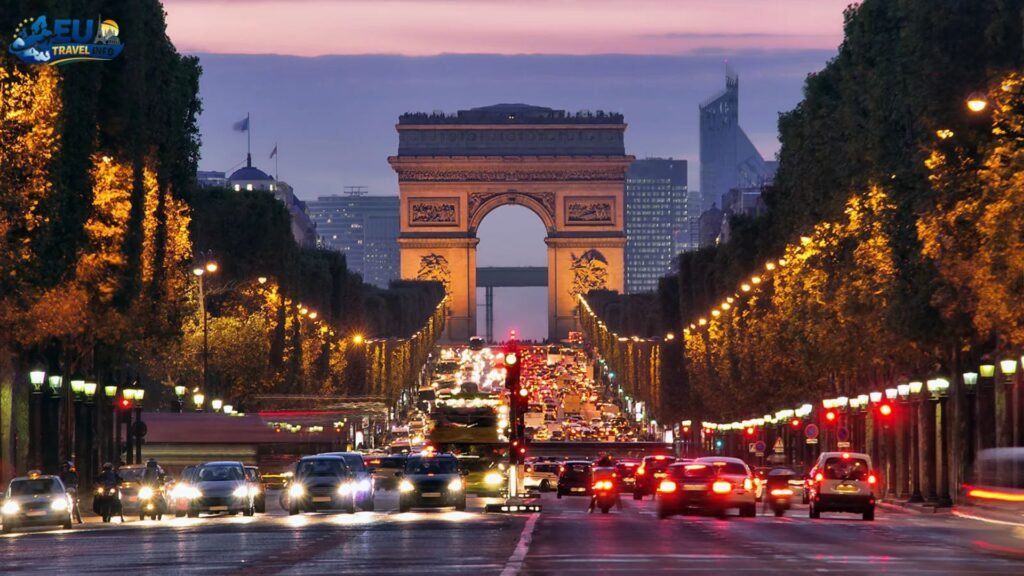
I arrived at Paris Charles de Gaulle Airport and took a private transfer to the city center. The journey time is about one hour. Later, I joined an introduction tour to find my bearings. I marveled at the monuments from an all-glass-top boat at night. The illuminated skyline is a mesmerizing picture.
Similarly, the artistic side of the city is a must-see. I took a tour of Montmartre. This neighborhood feels like a painting come to life. Picasso and Lautrec once had studios here. I visited the Sacré Coeur Basilica which overlooks the pretty cobblestone alleys. I also saw the Moulin Rouge.
On my second full day, I traveled to the Palace of Versailles. I used a large, air-conditioned bus with skip-the-line access. I learned about Louis XVI and Marie Antoinette from an official guide. The tour lasted about 6 hours.
Additionally, shopping is integral to the culture. I explored the Champs-Élysées for luxury brands. I also visited Le Marais to see superb mansions and the Place des Vosges. This area is home to the Jewish Quarter and remains beautifully unspoiled.
The High-Speed Journey to Switzerland
I decided to leave Paris behind and head for Switzerland by train. The smartest route is the TGV Lyria. This high-speed train is a marvel of engineering. It reaches speeds up to 320 km/h (200 mph).
The train departs from Gare de Lyon in Paris. It brings you directly to Zurich Hauptbahnhof or Geneva. The journey to Zurich takes exactly 4 hours and 4 minutes. I appreciated the fact that there are up to 15 trains per day. This provides great flexibility.
The TGV Lyria offers 3 classes of service. First, there is Standard class with comfortable seats and free Wi-Fi. Second, Première offers 1st class seating and access to a special lounge in Paris. Finally, Première Signature includes a hot meal and drinks served at your seat. I found the power sockets at every seat very helpful for my phone.
I recommend booking an upstairs seat on the double-deck train. The views of the French countryside shifting into alpine peaks are spectacular. Plus, the train has 90% lower CO2 emissions than flying. It is the eco-friendly choice.
Hidden Gems: The Doubs and Jura Region
However, I did not want to rush straight to the big cities. I decided to explore Eastern France first. This region is a hidden gem. It is located halfway between Paris and Switzerland. Official statistics say almost 50% of tourism in France centers around Paris, but there is so much more to see.
I used Besançon as my base. It is a small city with 116,000 inhabitants. It feels like a village with narrow streets and hidden courtyards. I walked up to the Besançon Citadel for the best views over the valley. I also visited the Museum of Time to learn about the tradition of clock-making.
Gradually, I moved on to Ornans. This village has only 4,000 inhabitants. It is the birthplace of the painter Gustav Courbet. I saw the Saint Lawrence church with its unique belfry. I also noticed lines on the walls that show the height of historical floods.
Another stop was Arbois, the center of Jura wine. Arbois produces 3,720,000 liters of wine every year. That is roughly 1,091 liters per inhabitant. I visited a sustainable winery and tasted the famous Yellow Wine. This wine matures for 6 years under yeast. It has an intense flavor that pairs perfectly with aged cheese.
On top of that, I visited Poligny to see the La Maison du Comté. This is an interactive museum dedicated to Comté cheese. Cheese is a staple in French cuisine, and this museum was fun. I even tried to pick up a massive cheese wheel.
Finally, I stopped at the Saline Royale d’Arc-et-Senans. This is an 18th-century salt factory and a UNESCO site. It was designed to house 3,000 people. The architecture is a semi-circular masterpiece. I also saw the Grande Salines in Salins-les-Bains. I went underground to see a massive wooden water pump still used today.
Geneva: The Capital of Peace
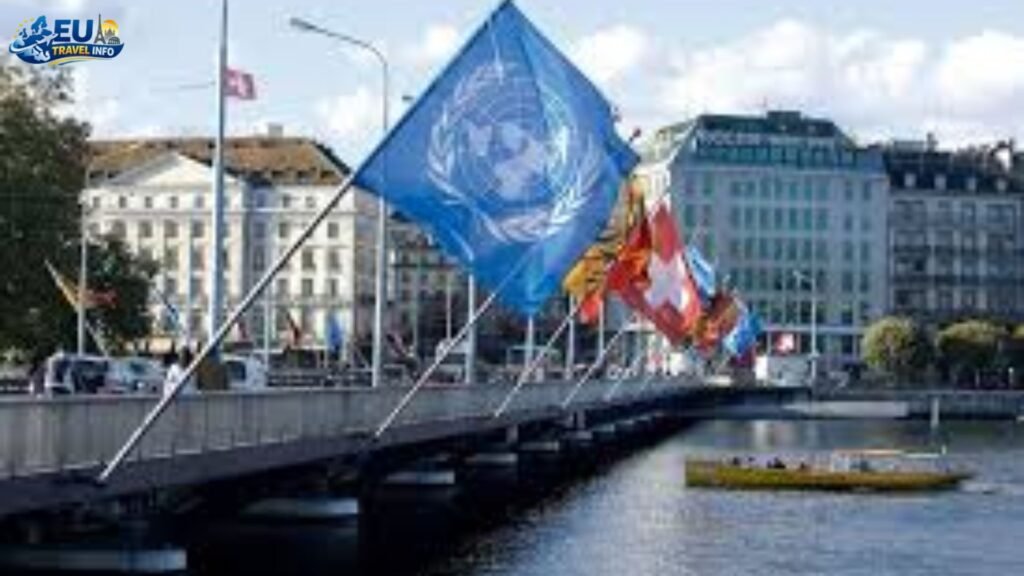
My first official stop in Switzerland was Geneva. It is the second-largest city and the main French-speaking metropolis. People call it the “Capital of Peace” because it hosts global diplomacy like the UN and the Red Cross.
I arrived at the main train station and took a transfer to my hotel. First of all, I headed to the lake. Lake Geneva is stunning. I saw the Jet d’Eau fountain and the charming Bateau Lavoir. This floating spot reminds people of the 19th-century “washing boats”.
I took a private walking tour of the Old Town. I visited St. Peter’s Cathedral and learned about John Calvin. Later, I explored the Carouge district. This area was inspired by the style of Nice. It has a Mediterranean feel with antique shops and jazz clubs.
Interlaken: The Gateway to the Highlands
Therefore, the next part of my trip took me to Interlaken. The journey by train from Geneva takes about 3 hours. Interlaken sits between Lake Brienz and Lake Thun. The turquoise River Aare links the two lakes.
I wandered through the Unterseen district to feel the medieval atmosphere. I enjoyed a traditional dinner with folk music at a local cellar. The next day was the highlight of my trip: the Jungfraujoch tour.
I took the highest railroad in Europe to reach the “Top of Europe”. This area is a saddle between mountains that are over 4,000 meters (13,100 feet) high. I stood on a glacier and visited an observatory. The views of the Swiss Alps are breathtaking. On my way back, I stopped in the beautiful village of Lauterbrunnen.
Zurich: The Cosmopolitan Finale
Finally, I made my way to Zurich. Zurich is the largest city in Switzerland. It is a hub for bankers and scholars. The city ranks very high for its quality of life.
I started my visit by following the river through the Old Town. The streets are almost spotless. I hiked up to Lindenhof for a panoramic view of the Limmat River and the surrounding hills. I also indulged in some high-end chocolate.
I took a unique tour in an eTuk-Tuk. This included a cheese fondue experience with a bottle of white wine. It was the perfect way to see the city lights at night. Additionally, I took a day trip to the Rhine Falls. These are the largest waterfalls in Europe. They are located near the northern border.
On my final day, I visited the Grossmünster church. It has twin spires and stained-glass windows. I also saw the Fraumünster with its distinctive green spire. I ended my trip with a scenic boat tour on Lake Zurich.
Practical Travel Tips for 2026
The “tourist season” in Switzerland runs from May through September. High summer in July and August offers the best weather. Alpine trails are usually snow-free at that time. Days are very long, with light lasting until after 21:00 (9 PM).
I recommend being there on August 1 for Swiss National Day. You will see fireworks and colorful processions everywhere. However, if you prefer fewer crowds, go in June or September. You can find rooms more easily and enjoy mild weather.
Be aware of the Zwischenzeit or “between time”. This happens in April, early May, and November. During this time, many mountain resort towns like Zermatt are quiet because hotels and restaurants close for a break.
I suggest packing warm clothing for the Alps regardless of the season. The weather can change suddenly in the mountains. Also, remember that TGV Lyria tickets are cheaper if you book up to 6 months in advance.
FAQ
Is there a luggage limit on the TGV Lyria?
There are no strict baggage weight limits as long as you can carry your bags yourself. You must label your luggage with your name and contact number. You can store bags on racks near the doors or between seats.
Can I take a bicycle on the train from Paris to Switzerland?
You can carry folding bicycles or bikes in zip-up bags free of charge if they are smaller than 120cm x 90cm. The train does not carry bikes that are not dismantled.
What documents do I need to rent a car in Eastern France?
You must be at least 21 years old and have a credit card in your name. You need a valid driver’s license held for at least one year. If your license is not in English, you will also need an International Driving Permit and a valid ID or passport.
How much does a train ticket from Paris to Switzerland cost?
Standard tickets can start as low as €29 if you book early. Prices work like airfares and increase as the departure date gets closer.
Are there smoking areas on the trains?
No, all western European trains, including the TGV Lyria, are strictly non-smoking.
Concluding Words
The Paris and Switzerland Itinerary Guide 2026 is a complete travel plan for those who want a mix of culture and nature. This journey takes you from the bustling streets of Paris through the hidden vineyards of the Jura region and into the heart of the Swiss Alps. You will experience high-speed trains, world-class wines, and mountain peaks that reach over 4,000 meters. This plan ensures you see the best of both countries with comfort and style.