You are about to step into a country that feels like a real-life fairytale. Slovenia is small, but it offers an amazing mix of landscapes. You will find limestone peaks, deep gorges, and emerald-green rivers. It is tucked between Italy, Austria, Hungary, and Croatia. This Slovenia itinerary 7 days in length will show you the best of it. Whether you love old castles or wild nature, this place has everything you need.
Perhaps you only have a short time. A slovenia itinerary 3 days or a slovenia itinerary 5 days can cover the main spots like the capital and the famous lake. However, a full week is better. If you have even more time, a slovenia itinerary 10 days or a slovenia itinerary 14 days lets you see hidden corners. You can even plan a slovenia itinerary winter trip to see the mountains covered in snow.
You do not even need a vehicle for this trip. This slovenia itinerary no car plan works well because the country is compact. You can use a slovenia itinerary public transport strategy with buses and trains to reach most of these amazing spots.
Day 1: The Vibrant Heart of Ljubljana
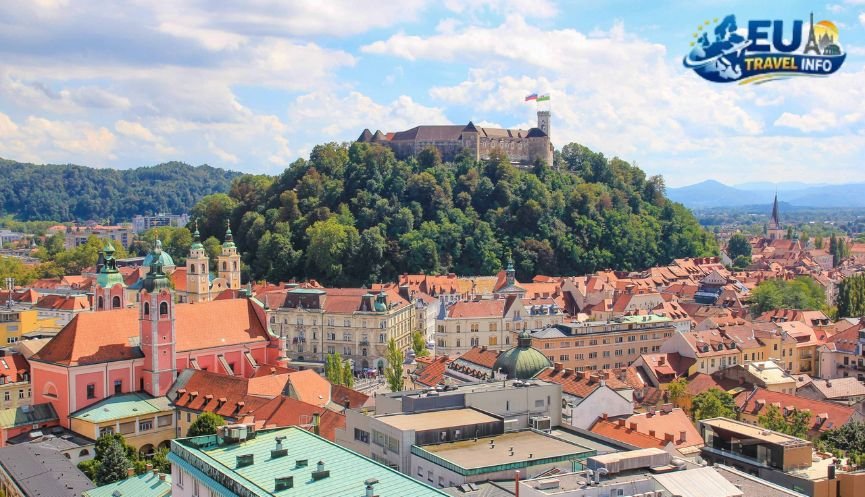
Your journey begins in Ljubljana. It is the capital city and it sits right in the center of the country. You will find it is a green and very walkable city. First of all, head to the Central Market. This is more than just a place to buy food. Locals meet here to chat and enjoy life.
Jože Plečnik is the famous architect who shaped this city. He designed the Triple Bridge, which is a group of three bridges right in the heart of town. Walk across them and look at the beautiful buildings. Similarly, the Dragon Bridge is a must-see because dragons are the symbol of Ljubljana.
Later, take a funicular ride up to Ljubljana Castle. The castle is perched on a hill 376 meters above the city. You will get the best view of the red roofs and the mountains in the distance. Additionally, the castle houses a museum where you can learn about the history of the area.
If you love history, visit the National Museum. You can see the oldest musical instrument in the world there. It is a 60,000-year-old Neanderthal flute. Also, the City Museum has the world’s oldest wooden wheel with an axle, which is 5,200 years old.
Finally, end your day with a walk in Tivoli Park. It is the largest park in the city and covers about five square kilometers. If it is a sunny Friday, go to the Open Kitchen food market at the market square. You can try meals from all over the world at one of the 30 different stalls.
Day 2: The Fairytale Magic of Lake Bled
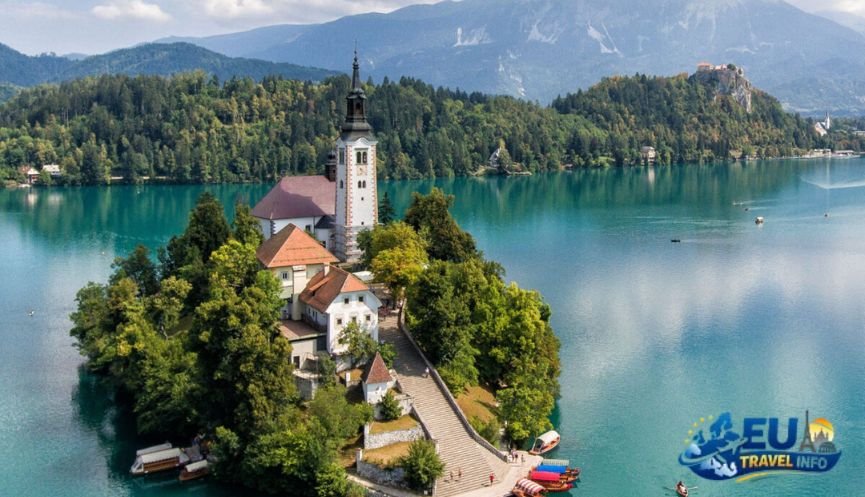
On the second day, travel northwest to Lake Bled. This town is in the foothills of the Julian Alps. It looks like something out of a storybook. At that time, you will see why it is the most famous spot in the country.
First of all, walk the circumference of the lake. The path is about 4 miles (6km) long and stays mostly flat. It takes about two hours if you stop for photos. You will see Bled Castle perched on a cliff 330 feet (100m) above the water.
You must take a pletna boat to the island in the middle of the lake. These are traditional wooden boats rowed by a pletnar. The job of a pletnar is passed down through generations. Once you reach the island, visit the Church of the Assumption, which was built in 1465. Make sure to ring the “wishing bell” inside.
Later, head up to the castle. It is the oldest castle in Slovenia and dates back to the 11th century. The terraces offer a panoramic view that will take your breath away.
Do not leave without trying the Bled Cream Cake, or kremsnita. It was created in 1953 at Hotel Park. Over half a million of these cakes are sold every year. It has layers of vanilla cream, whipped cream, and puff pastry. Plus, it is very delicious.
Day 3: Gorges and Glacial Waters
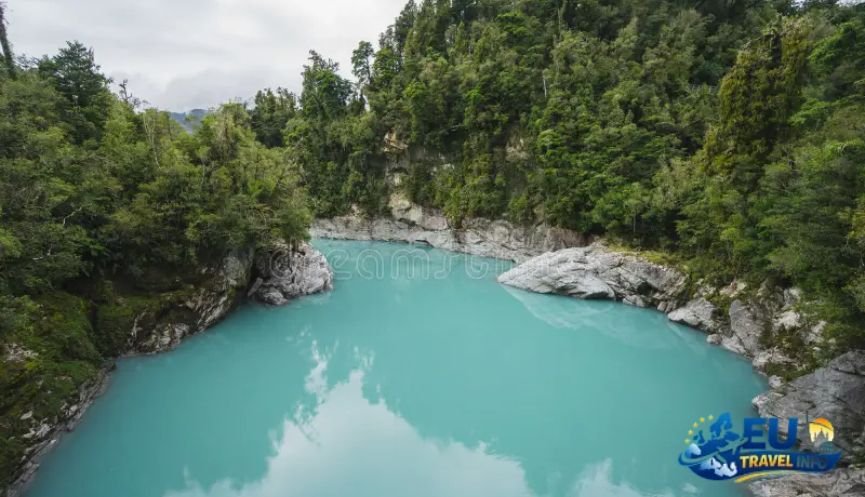
Begin your third day with a trip to Vintgar Gorge. It is only about 2.5 miles (4km) from Bled. You will walk along a 1,600-meter wooden walkway that was first built in the 1890s. The path criss-crosses the Radovna River and ends at the 16-meter-high Šum Waterfall.
Transitioning from the crowds of Bled, head to Lake Bohinj. It is the largest permanent lake in Slovenia. It is much quieter and less developed than Bled. Forested slopes lead down to very clear water.
You can take the Vogel Cable Car to reach higher elevations. It takes only four minutes to go from the lakeside to the ski station at 1,535 meters. On a clear day, the views of the Julian Alps are stunning.
Additionally, you can hike to Savica Waterfall. It is a 2.5-hour round-trip walk. Similarly, a boat ride across the lake offers a peaceful way to see the mountains. Therefore, this day is all about soaking in the natural beauty of Triglav National Park.
Day 4: Into the Underworld at Postojna
On day four, travel south to the Karst region. This area is famous for its caves. Postojna Cave is one of the largest karst monuments on Earth. You will start your tour with a ride on a special mini-train.
The cave system has 21 km of passages, galleries, and halls. The temperature inside is a constant 9°C (48°F), so bring warm clothes. You will see amazing stalactites and stalagmites that have grown over millions of years. Look for the “human fish” (proteus anguinus), a rare cave-dwelling animal that can live for a very long time.
Only 10 kilometers away is Predjama Castle. It is the largest cave castle in the world according to the Guinness Book of World Records. It has stood for over 800 years inside a 123-meter-high stone wall. Explore the secret tunnels and learn about the knight Erazem of Predjama.
Though it is a fortress, it feels very romantic. At that time, builders used the cave as part of the castle’s defenses. On the contrary, the inside can be quite cold and damp, just like the cave itself.
Day 5: Coastal Charm in Piran
Today you head to the small piece of coastline Slovenia has on the Adriatic Sea. The coast is only 29 miles long, but it is beautiful. Piran is the most charming town here. It was once part of the Venetian Empire, so the architecture looks very Italian.
First of all, visit Tartini Square. It is the heart of the town and is surrounded by colorful buildings. One side of the square opens up to the harbor. Window shopping and eating gelato are great ways to spend your time here.
Later, climb the 146 steps to the top of the Bell Tower. It is located right next to the Church of Saint George. From the top, you get a perfect view of the square and the blue sea. Be careful, because the bell rings every 15 minutes!
Walk along the Old Town Walls for even better views. These walls were built to protect the town. You can see the coastline of Italy from the tip of the peninsula on clear days.
Finally, enjoy some fresh seafood at a restaurant by the water. Piran is an atmospheric place to watch the sunset. Additionally, you can visit the Sečovlje Salina Nature Park to see how salt is still produced in the traditional way.
Day 6: The Emerald Beauty of the Soča Valley
Prepare for a long and scenic drive over the Vršič Pass. This is the highest mountain pass in the Julian Alps at 1,611 meters (5,331 feet). It has 50 hairpin turns. Each turn brings a new and spectacular view.
Once you descend, you will enter the Soča Valley. The Soča River is famous for its vibrant emerald-green color. It almost does not look real. Bovec is the main town here and is the adventure capital of the country.
You can try white-water rafting or kayaking on the turquoise water. If you prefer to stay on land, hike the Soča Trail. It runs for 25 km along the river. You will cross wooden suspension bridges and see deep limestone gorges.
Visit the Great Soča Gorge, where the river has carved a canyon 15 meters deep. Similarly, Kozjak Waterfall near Kobarid is a hidden gem. It falls into a green pool inside a cave-like hall.
This valley was also a major battleground in World War I. You can walk the Walk of Peace to see old trenches and forts. Therefore, this area combines wild adventure with deep history.
Day 7: Alpine Traditions at Velika Planina
On your final day, head back toward Ljubljana but stop at Velika Planina. This is a high alpine plateau in the Kamnik–Savinja Alps. It is home to one of the few remaining authentic shepherd settlements in Europe.
You will see traditional wooden huts with unique conical roofs. In the summer, cattle graze in the wide green meadows. Hike through the highlands and enjoy a picnic lunch with valley views.
If you are lucky, you can taste locally made cheese or traditional sour milk. It is a simple and genuine way to connect with the local culture. At that time, you will feel like you have traveled back in time.
Gradually, make your way back to the city for your final evening. Slovenia is a country that rewards your curiosity. You have seen lakes, mountains, caves, and the sea in just one week.
More Travel Tips for Your Trip
3-Day or 5-Day Options
If you are short on time, focus on the Ljubljana and Lake Bled areas. You can see the capital on the first day and spend the second day at the lake. On a slovenia itinerary 5 days, add a trip to the Postojna Caves.
10-Day or 14-Day Options
With a slovenia itinerary 10 days, you can add the Vipava Valley for wine tasting. A slovenia itinerary 14 days allows you to spend more time hiking in the Julian Alps or exploring the eastern city of Maribor.
Winter Travel
A slovenia itinerary winter trip is magical. You can ski at Mount Straza right next to Bled. The lake often freezes over, and the castles look stunning in the snow.
Public Transport
Using slovenia itinerary public transport is very easy. Buses run regularly between Ljubljana, Bled, and the coast. You can also take the Bohinj Railway, which is one of the most beautiful train rides in Europe.
FAQ
How many days in Slovenia is enough?
Seven days is a perfect amount of time to see the main highlights like Ljubljana, Bled, and the Soča Valley. If you want to include the coast and more hiking, ten days is better.
How many days are required for Slovenia?
At least three to five days are required to see the most famous spots. However, a full week allows for a much more relaxed and detailed experience.
Is Slovenia cheap or expensive?
Slovenia is generally more affordable than its neighbors like Italy or Austria. You can find budget options like hostels for €11-€25 and mid-range hotels for around €100-€130.
Which month is best to visit Slovenia?
September and May are excellent choices because there are fewer crowds and the weather is nice. July and August are the warmest but also the most crowded.
Concluding words
This 7-Day Slovenia Itinerary Guide 2026 for Adventure & Culture shows you the heart of a truly special European gem. You will start in the green capital of Ljubljana, move to the fairytale shores of Lake Bled, and dive into the deep caves of Postojna. You will walk the Venetian streets of Piran and witness the emerald magic of the Soča River before visiting the high shepherd huts of Velika Planina. Slovenia offers a perfect balance of wild nature and deep history that is easy to explore.