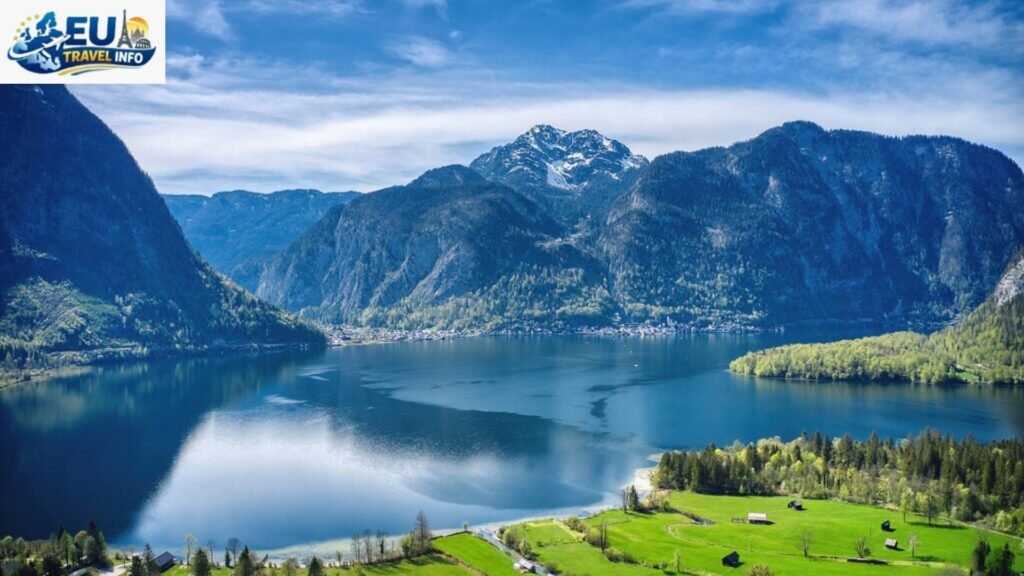
You stand at the edge of a crystal-clear lake. The air smells like fresh pine and cold water. High above, the jagged peaks of the Alps pierce a deep blue sky. This is Austria in 2026. You want to plan the perfect trip, but you need to know when the magic truly happens. Every month in this country offers a different soul. First of all, you must decide what you value most. Is it the vibrant green valleys of spring? Is it the golden larch trees of autumn? Perhaps you want the crunch of fresh snow under your boots? This guide will help you choose your window of time with precision.
You might hear people discuss the Best Time to Visit Australia for a tropical escape. However, Austria provides a completely different kind of wonder. Many mature travelers also ask about the best time of year to visit austria and switzerland to see the heart of Europe. While both countries are beautiful, Austria has a unique charm that depends heavily on the month you pick. You should prepare for a journey that changes with the sun and the snow.
May: The Awakening of the Valleys
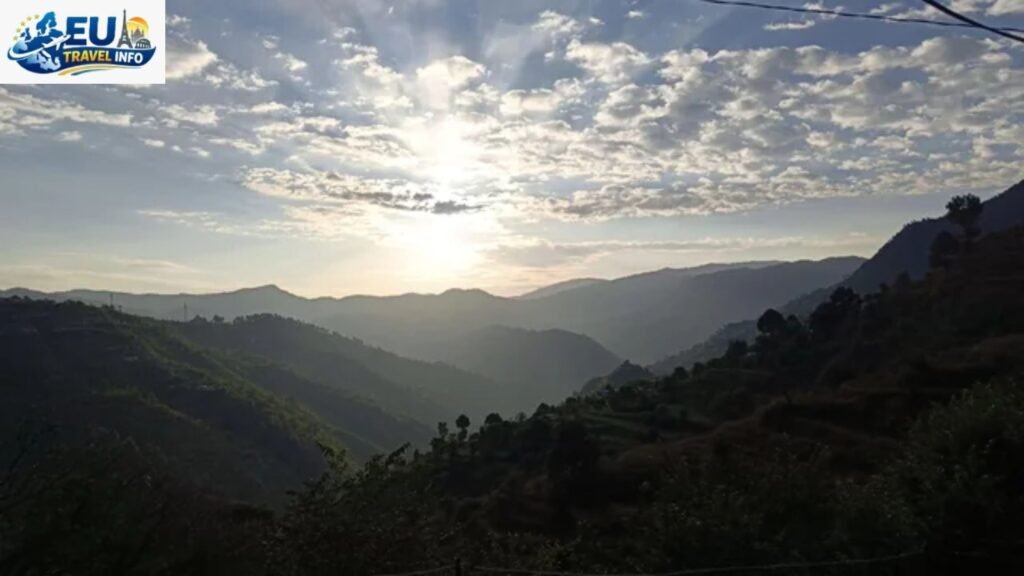 Spring arrives with a quiet force at lower elevations during May. You will see valley regions between 1,000 and 1,800 meters burst into life. Wildflowers emerge across meadows. Waterfalls roar with fresh snowmelt. The pastures turn an intense, almost glowing green. It is a visual feast. Trail solitude is almost a guarantee at this time. Most hikers wait for the high peaks to open in June, so you will have the forests and lake circuits largely to yourself.
You will find that May is a smart choice for your wallet. Many hotels and guesthouses offer shoulder-season rates. These prices are often 20% to 30% lower than the peak summer months. Therefore, you can stay in luxury for a fraction of the cost. Additionally, the final ten days of May are a “sweet spot.” The weather stabilizes. The first mountain huts begin to open their doors. Though high-altitude trails above 2,000 meters remain under a thick blanket of snow, the valleys are perfect for a gentle walk.
June: The Month of Wildflowers
If you love nature photography, June is your month. You will witness a wildflower explosion that transforms Alpine meadows into a sea of color. Gentians, alpine roses, and the famous edelweiss carpet the slopes. It is truly the best time to visit Austria for hiking if you want to see the landscape at its most vibrant. Similarly, waterfalls like the Krimml Falls reach their maximum power as the last of the high snow melts.
You will enjoy long days with over 15 hours of daylight. This extra time allows for slow, relaxed dinners at mountain huts while the sun stays high. However, you should know that some very high passes might still have snow in early June. You might need microspikes or extra caution. Gradually, the trails clear. By the last week of June, almost all infrastructure like cable cars and shuttle buses is running daily. It is the transition from spring to the core of summer.
July: The Peak of Summer Sun
July is often considered the best time to visit austria for sun. The weather reaches its maximum stability. You can expect clear mornings and warm temperatures. High-altitude passes become comfortable. You will not shiver on a ridge at 2,500 meters. On top of that, July is perfect for swimming. You might think Alpine lakes are too cold, but some reach very pleasant temperatures. The Neusiedler See has seen average highs of 22.6°C in July. Even the Achen Lake, while cooler, offers a refreshing dip at around 16.8°C.
You must be disciplined in July. Afternoon thunderstorms are very common between 2 PM and 5 PM. Experienced hikers start their day by 7 AM or 8 AM to reach safety before the clouds build. You will also notice that crowds arrive in force. This is the busiest time for families because of school holidays. Statistics show that in some European regions, more than 40% of all yearly tourist nights happen in just July and August. Therefore, you must book your mountain huts at least three to five months in advance.
August: High Season and Mountain Magic
August continues the heat and the high energy of summer. You will find that August is the most popular month for travel in 174 out of 244 regions in Europe. The trails feel busy. The mountain huts are at absolute capacity. If you enjoy a social atmosphere and meeting travelers from around the world, you will love it. On the contrary, if you seek total silence, you might find August overwhelming.
The weather remains reliable, though slightly cooler than July. You will also experience Austrian National Day celebrations on August 15, which bring traditional processions and local festivals to the villages. One thing to watch for in regions like Tyrol is the Föhn wind. This is a warm, dry downdraft wind that can reach speeds of 150 km/h. It can cause headaches for some people, but it also creates incredibly clear skies with “cigar-shaped” clouds.
September: The Golden Month
Many experts believe September is the single best time to visit. You will see the larch trees turn a brilliant gold. The air becomes crystal clear. You can see distant peaks for over 100 kilometers. It is a dream for photographers. Plus, the intense heat of summer fades. Strenuous climbs become much more comfortable in the moderate temperatures.
You will also see a drop in prices. September is officially shoulder season. You can expect rates to be 20% to 40% lower than in August. The crowds thin out as schools restart. Gradually, the Alps regain their quiet rhythm. Wildlife like chamois and ibex become more active and visible near the trails. You should keep in mind that days are shorter. You will have about 12 to 13 hours of daylight compared to 15 in July. Also, nights at high altitudes grow cold, often dropping to 0°C or 5°C.
October: Solitude and Fiery Colors
October is for the traveler who wants the world to themselves. You might hike for hours without seeing another soul. The autumn color display reaches its peak intensity. Entire hillsides glow in shades of amber and gold. You will find that the Wachau Valley is particularly magical now. The vine leaves turn yellow, making the whole countryside look like a sea of gold.
You must be flexible in October. Most mountain huts close by mid-month. High-altitude trekking becomes difficult as the first snowstorms of the season arrive. However, lower valley hikes remain pleasant and accessible. You will find temperatures between 6°C and 12°C at mid-elevations. It is a time for quiet walks and cozy evenings in village hotels.
November: Is it a Good Time?
You might ask: is november a good time to visit austria? It depends on your goal. In the mountains, November is often cold and dreary. The summer trails are gone, buried under early snow. Many small-town restaurants and hotels close for a break before the ski season starts. Therefore, the high Alps can feel like a ghost town.
On the contrary, November is an excellent time for the cities. You can visit Vienna, Graz, or Salzburg without the summer heat or the Christmas crowds. You can enjoy traditional dishes like Martinigansl (goose served with red cabbage and dumplings) in cozy taverns. In late November, the first Christmas markets begin to twinkle with lights. It is a moody, romantic time for culture lovers.
Winter: The Best Time for Snow
If you seek the best time to visit austria for snow, aim for January or February. January is widely considered the king of the ski season. The snow quality is at its peak. The slopes are quieter once the New Year crowds leave. February is also reliable for snow, but it is much busier and more expensive because of school holidays.
You will find a true winter wonderland in December as well. Vienna lights up for New Year’s Eve with massive celebrations. You can enjoy snowshoeing, cross-country skiing, or even ice climbing on frozen waterfalls. At that time, the mountains are no longer for hikers. They belong to the skiers and the dreamers.
Regional Deep Dive: Where to Go When
Vienna and the Cities
You should visit the cities in the fall. Autumn is the perfect season for Vienna because the temperatures are mild and the parks are spectacularly colorful. You can walk the grounds of Schönbrunn Palace and see the fall foliage. In September, you must try Sturm, which is a delicious fermented grape juice served in rustic wine taverns called Heurigen.
If you are planning a larger trip, you might look for the best time to visit vienna and prague together. Both cities share a similar climate. Spring and fall are the winners here. You avoid the “excruciating heat” of the city summer and the bone-chilling dampness of mid-winter.
The Wachau Valley
You will find this UNESCO-listed region only an hour from Vienna. It is famous for its terraced vineyards and riverside villages. October is the most magical month here. You can hike the World Heritage Trail between Dürnstein and Krems. After your walk, you should sit in a local wine tavern and enjoy a cold platter of cheese and meats.
Hallstatt: Avoiding the Crowds
Hallstatt is a tiny village that looks like a storybook illustration. However, it can be incredibly crowded. Around 20,000 people visit every day in peak season, while only 700 people live there. To see it at its best, you should visit in October or early November.
You must arrive early. The sweet spot is 8 AM or 9 AM. At that hour, the lake is misty and silent. You can get the perfect postcard photo without fifty other people in the shot. You should also stay overnight in a nearby town like Bad Goisern. This allows you to beat the big tour buses that arrive at midday.
The Austrian Alps: Karwendel and Beyond
For a deep mountain experience, head to Grosser Ahornboden in Tirol. It is a wide plain covered in 2,300 sycamore maple trees, some of which are 600 years old. In mid-October, these leaves turn a shimmering gold. It is a declared natural monument. Though it is remote, the beauty is magnified by towering rock faces.
You should avoid weekends here in early October. It feels like everyone arrives at once to photograph the trees. Stay at the Die Eng Alpengasthof, the only hotel in the valley, to enjoy the area once the day-trippers leave. You will find it is one of the most magical places in all of Austria.
Planning Your Logistics
Flights and Booking
You should start your search for flights early. March is often the cheapest month for round-trip flights to Austria. To get the best prices, book two to three months in advance for regional flights and three to six months for international ones. Tuesday is usually the cheapest day of the week to book.
You should also consider travel insurance. While it is not a legal requirement, it is highly recommended for unexpected medical emergencies or trip delays. You want peace of mind when you are exploring high mountain trails.
What to Pack
You must understand that altitude matters. The temperature drops about 6°C for every 1,000 meters of elevation gain. A warm afternoon in the city can be a freezing experience on a mountain pass. You need a layering system.
First of all, use moisture-wicking base layers like merino wool. Do not use cotton; it holds moisture and will make you cold. Add an insulating mid-layer like a fleece or light down jacket. Finally, always carry a waterproof and breathable shell. Even in summer, you should bring a warm hat and gloves for high passes.
Austria vs. The Neighbors
You might see travelers searching best time to visit austria reddit threads for comparisons. Many wonder if they should visit Switzerland instead. Switzerland is also stunning, but Austria often offers a more relaxed, down-to-earth atmosphere and slightly lower prices for mountain services.
The Worst Time to Visit?
Is there a worst time to visit austria? Most travelers agree that November and April can be difficult. In November, the autumn colors have faded, but the full magic of winter has not yet arrived. In April, the ski season is ending, but the high hiking trails are still blocked by melting, slushy snow. However, even these months are great if you just want to see the cities or enjoy a quiet spa hotel.
Statistical Summary for Your 2026 Trip
- Best Hiking Window: June 20 to September 20.
- Peak Water Temp: 22.6°C (Neusiedler See in July).
- Price Drop: 20-40% in September and May.
- Daylight Peak: 15+ hours in June.
- Crowd Alert: July and August account for the vast majority of tourism nights.
- Ski Reliability: January and February are the top months.
You have the tools now. You can see that Austria is not just a destination; it is a collection of moments. Whether you are drinking wine in the Wachau or standing on a peak in the Zillertal Alps, the timing makes the memory. You should choose the month that speaks to your heart. Austria is waiting for you in 2026.
FAQ
Which is the best month to visit Austria?
September is widely considered the best month. You enjoy stable weather, crystal-clear visibility, and the stunning golden autumn colors of the larch trees. Plus, the summer crowds have left and prices are lower.
What is the cheapest month to go to Austria?
For flights, March is often the cheapest travel month. For accommodation and mountain services, May and November are generally the most affordable because they are the “shoulder” or “off-season” periods.
Is Austria cheap or expensive?
Austria is generally considered a mid-to-high range destination. While it can be expensive during peak summer and winter in resort towns, it offers great value compared to neighbors like Switzerland. You can find many affordable options by traveling in the shoulder seasons.
What is the coldest month in Austria?
January is typically the coldest month. While this brings freezing temperatures, it also provides the best snow conditions for skiing and turns the landscapes into a true winter wonderland.
Concluding Words
Austria in 2026 offers a spectacular variety of experiences that change with every passing month. You can find vibrant spring blooms in May, peak summer sunshine in July, and the magical golden light of September. While the high summer months of July and August bring the best weather for high-altitude trekking, they also bring the largest crowds. For the best balance of lower prices, fewer people, and breathtaking scenery, you should target the shoulder seasons of late June or early September. Whether you are there for the world-class skiing of January or the quiet, romantic city walks of November, Austria remains a premier destination for any mature traveler who loves nature and culture.