You are about to plan a trip to a place that many people call the “Paris of the East”. This city is a glittering gem of Eastern Europe that sits right along the Danube River. You might feel overwhelmed by the choices when you look at the calendar for 2026. Should you go when the city parks are in full bloom? Perhaps you would prefer to soak in a thermal bath while snow falls around you? This guide will help you choose the Best Time to Visit Budapest based on your own style and needs.
First of all, you should know that Budapest is a city of two halves. You have Buda on one side with its hilly streets and historic Castle Hill. You have Pest on the other side, which is home to the best restaurants and those famous ruin bars. To get a real feel for this capital, you must spend time on both sides.
The Sweet Spot: Spring and Fall
If you want the perfect mix of great weather and manageable crowds, you should look at the shoulder seasons. Spring and fall are the perfect times for sightseeing. From March to early June and from September to early November, the air is comfortable. You will find that the crowds are much thinner than in the summer.
Spring: A City in Bloom
Spring arrives in Budapest between March and May. At that time, the weather is mild and pleasant. You can expect temperatures to range between 39.2 F and 73.4 F (4 C to 23 C). You might even catch the Spring Festival in April, which lasts for 18 days. This is a unique cultural celebration with over 120 events in 40 locations. You will see opera, jazz, and classical music transform the streets into a magical open-air theater.
However, you should keep your rain jacket close by. May is actually one of the wettest months of the year. Plus, you will notice the city coming into beautiful bloom, so a visit to the city parks is a must. Is april a good time to visit budapest? Yes, it is a fantastic choice because you get more hours of sunlight and an average rainfall of only 40 mm.
Fall: Colors and Calm
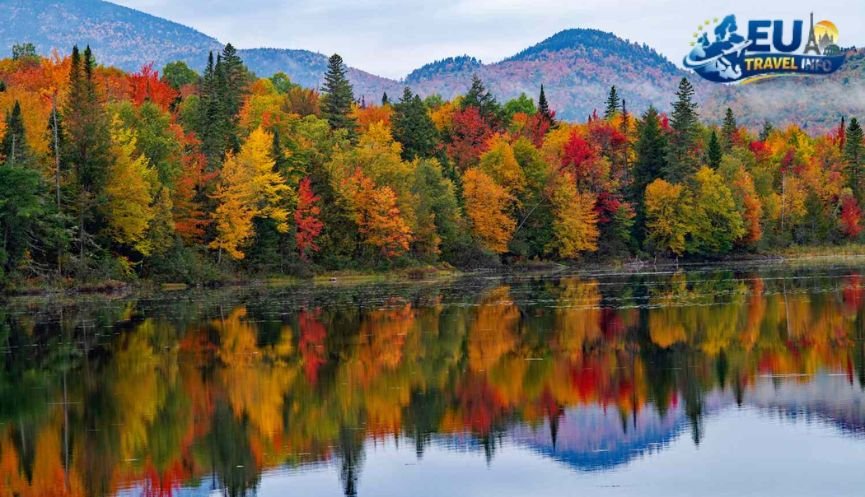
Fall runs from September to November. This season is famous for cooler weather and fewer people. Additionally, the changing light and early autumn colors make the city very beautiful for photos. September is a top choice for many travelers. Daytime highs average around 72 F (22 C), while evenings drop to about 55 F (13 C).
Therefore, you can wander the streets without the intense heat of the summer. You might even catch the Budapest Wine Festival in mid-September at Buda Castle. This event features dozens of wineries and the famous Tokaji varietal. Later, as you move into October, the temperatures range from 46.4 F to 60.8 F (8 C to 16 C). You should pack a picnic and head to Margaret Island to see the breathtaking fall foliage.
The High Energy of Summer
Summer hits Budapest from June to August. This is the time when the city is most alive but also most crowded. If you love long, sunny days and a packed schedule of events, this is your season.
Peak Sun and Festivals
Summer temperatures average between 60.8 F and 82.4 F (16 C to 28 C). July and August can even skyrocket into the 80s or 90s. You will enjoy up to 12 to 14 hours of sunshine per day. In June, you should not miss the Danube Folk Carnival, where over a thousand performers showcase the heritage of the country.
Additionally, August welcomes the world-famous Sziget Music Festival. This is one of the biggest music festivals in Europe. Though the city is very busy, the energy is unmatched. You should choose a hotel with air-conditioning during these months. Later, if the heat becomes too much, you can escape to the underground Buda Castle Caves or the air-conditioned Museum of Fine Arts.
Budget and Travel Loops
You should be aware that summer is the most expensive time to visit. Business travelers are fewer, but tourists fill the hotels. Many people look for the best time to visit budapest and prague during this window. Travelers often group these cities together with Vienna for a grand European tour. Similarly, the best time to visit budapest and vienna usually falls in these warmer months so you can enjoy the outdoor cafes in both capitals.
Winter: Chills, Savings, and Magic
Winter in Budapest lasts from December to February. The weather gets quite cold with snow and frost. You can expect temperatures to drop as low as 30.2 F (-1 C), with highs only reaching 44.6 F (7 C).
Festive December
December is a truly magical month. You will find the city filled with a holiday atmosphere. The Christmas Markets at Vörösmarty Square and St. Stephen’s Basilica are legendary. These markets open around November 15th and run until January 1st. You can try traditional treats like chimney cakes (kürtőskalács) and lángos.
Plus, you will see the famous “Christmas Trams” covered in thousands of twinkling lights. Though December is busy with festive travelers, it is one of the best times to experience the local culture. You should plan to visit the open-air ice rink in City Park for a classic winter experience.
Low Season Deals
If you are looking for the cheapest time to visit budapest, look no further than January and February. These months are the true off-season. Temperatures range from 32 F to 44.6 F (0 C to 7 C), and you can expect some rain or snow. However, you will find significantly reduced prices on flights and hotels.
Gradually, you will find that the streets are quiet and romantic. This is the best time to visit budapest thermal baths if you want to avoid the crowds. You can steam away in the healing waters of Széchenyi or Gellért while the snow falls outside. This is a truly authentic Hungarian experience that locals love.
A Month-By-Month Breakdown for 2026
January
January is cold with average temperatures between 30.2 F and 39.2 F (-1 C to 4 C). You can expect snow and ice. This is a beautiful but chilly time. You should spend your days in the many museums, such as the Hungarian National Museum. On top of that, the thermal baths offer a warm welcome.
February
February remains cold but is full of festivals. You can attend the Mangalica Festival, which is the largest food festival in the city. It celebrates the unique woolly pig breed of Hungary. Later in the month, you can watch the colorful Busójárás carnival, where masked men playfully scare people to celebrate the end of winter. This is a great month for budget deals.
March
March starts cool but warms up to a high of 53.6 F (12 C). The Easter season brings fun markets with egg hunts and folk dance shows. On March 15th, you can join the celebrations for Hungarian National Day. Many popular museums, like the Ludwig Museum, offer free entry on this day.
April
April brings more sunlight and temperatures up to 64.4 F (18 C). The Budapest Spring Festival is the main highlight. You will find the city streets transformed into an open-air theater. It is widely considered one of the best months for a visit.
May
May is beautiful but wet. Temperatures reach 73.4 F (23 C). You should pack a rain jacket but enjoy the uncrowded sightseeing. The city parks are in full bloom, making it a great time for nature lovers.
June
June starts the hot season with temperatures up to 78.8 F (26 C). You will enjoy 14 hours of sunlight per day. The Danube Folk Carnival is a major event in the middle of the month. This is also a perfect time for a relaxing cruise along the Danube.
July
July is hot and busy. Highs reach 82 F (28 C). You should visit Városliget Park or take a day trip to the town of Szentendre to escape the city heat. The summer holidays mean more families are out and about.
August
August remains hot and lively. The Sziget Festival attracts huge names in music. You can also enjoy open-air parties at the city’s ruin bars. Be prepared for occasional short bursts of rain.
September
September is a favorite for many travelers. The weather is mild, and the summer crowds are gone. You can explore the Parliament Building or Buda Castle without the long lines. The Wine Festival is a top attraction.
October
October brings cool, cloudy days and beautiful fall colors. You should head to Margaret Island to see the musical fountain. On October 23rd, the city commemorates the Revolution of 1956 with candlelight vigils and free museum visits.
November
November gets chilly with highs around 48.2 F (9 C). This is a great time to explore indoor attractions. You can visit the House of Terror Museum or enjoy a performance at the Hungarian State Opera. The Christmas Markets usually begin in the second half of the month.
December
December is all about the festive spirit. You will see frost and snow later in the month. The Christmas Markets at Vörösmarty Square sell crafts, strudel, and chimney cakes. It is a busy but magical time of year.
Worst Time to Visit Budapest
You might ask, what is the worst time to visit budapest? This really depends on what you dislike. If you hate the cold and short days, you should avoid January and February. The weather can be dreary, and it gets dark before dinnertime. However, if you hate crowds and high prices, you should avoid July and August. The summer heat can also be very intense for some people.
Expert Tips for Your 2026 Trip
You should consider getting the Budapest Card for your trip. This card gives you free public transportation and entry to over 30 attractions. You can even get a free sightseeing cruise on the Danube.
Additionally, if you are looking for the best time to visit budapest thermal baths, you should go on a weekday. The baths are much more crowded on weekends. Early morning hours between 6 am and 8 am are the least busy. You will find mostly locals at that time. Later in the afternoon, the baths fill up with tourists.
Best time to visit budapest reddit Advice
If you check popular travel forums like the best time to visit budapest reddit threads, you will see a lot of praise for September. Users often mention that the weather is perfect for walking the hilly streets of Buda. Similarly, many people recommend the winter months if you want to save money and do not mind the cold. They often suggest that the cheapest time to visit budapest is right after the holiday season in January.
Getting Around and Seeing the Sights
Budapest is very straightforward to get around. You can use a fast metro system, buses, and a picturesque tram network. You should definitely take Tram 2, which runs along the Pest side of the Danube. It offers some of the best views of the Parliament and the river.
Must-See Landmarks
- Buda Castle: A UNESCO World Heritage site with stunning views.
- Hungarian Parliament Building: The third-largest parliament in the world.
- Chain Bridge: An iconic structure with famous lion statues.
- St. Stephen’s Basilica: A massive church where you can see the mummified hand of St. Stephen.
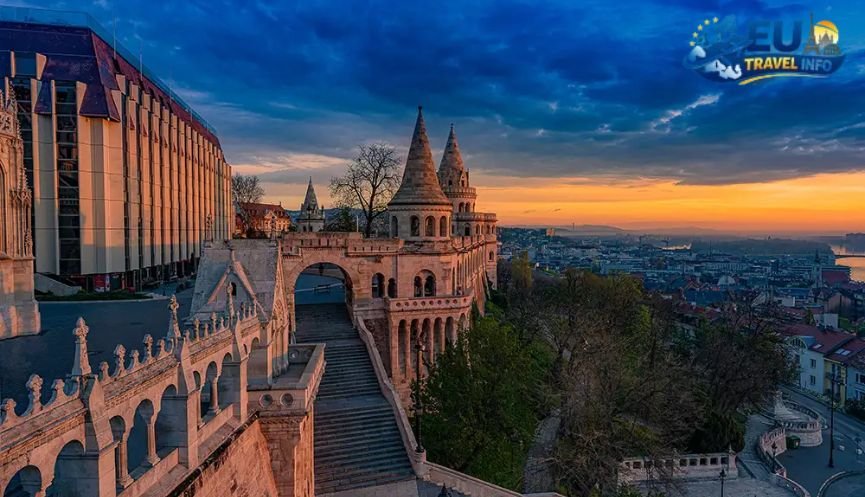
- Fisherman’s Bastion: A fairy-tale structure with panoramic design.
Gradually, you will realize that Budapest has something for every season. Whether you want the festive lights of the best time to visit budapest christmas market or the warm sun of a summer cruise, 2026 is the year to go. Plan ahead for festivals and national holidays because hotels can fill up quickly.
Finally, you should make sure to try the local food. You cannot leave without tasting goulash, which is a hearty meat and vegetable stew. You should also try pálinka, a strong fruit brandy that will definitely warm you up in the winter.
FAQ
What is the cheapest time to go to Budapest?
The cheapest time is during the winter off-season, specifically in January and February. During these months, you will find the lowest prices of the year for flights and accommodation. However, do not expect these low prices in December, as the Christmas markets make that month more expensive.
What is the rainy season in Budapest?
Budapest does not have a traditional “rainy season,” but May and June are known to be the wettest months. May often requires a rain jacket for sightseeing. June also brings frequent showers, though they are usually short bursts.
Is Budapest expensive to visit?
Budapest is generally considered affordable compared to many other European capitals. However, costs go up during the peak summer months of July and August and the festive month of December. You can find better value by traveling in the shoulder seasons or the deep winter.
What is the coldest month in Budapest?
January is typically the coldest month. Average temperatures range from 30.2 F to 39.2 F (-1 C to 4 C). You can expect plenty of snow and ice during this time.
Concluding words
Budapest is a city that offers a unique experience in every season of 2026. If you want the best weather and fewer crowds, you should plan your visit for late spring or early fall. Summer is perfect for those who love high energy and music festivals, though it is more expensive. Winter provides a magical festive atmosphere with its world-famous Christmas markets and affordable off-season prices in January and February. No matter when you choose to go, the healing thermal baths and the stunning architecture of the Danube will make your trip unforgettable.