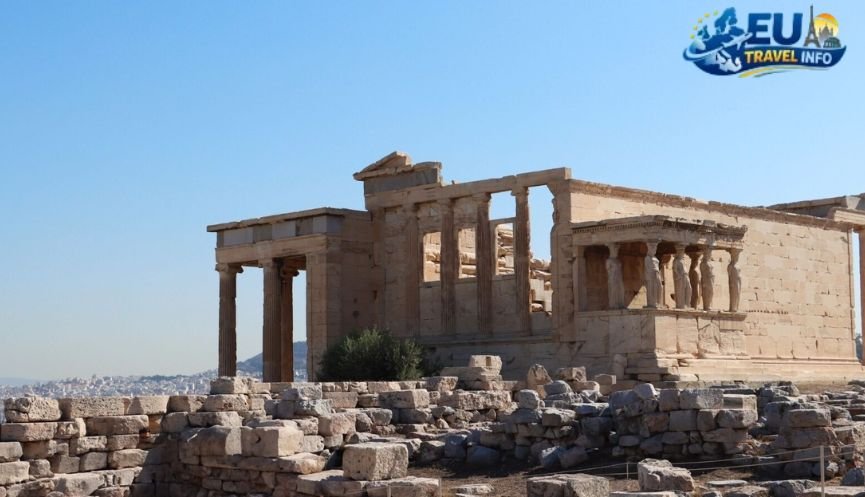
You stand on a cobblestone street. The smell of roasted meat and fresh lemon fills the air. Above you, the Parthenon glows under a bright sun. This city is a dream for anyone who loves history and great food. However, your experience depends on one big thing. Timing. You must pick the right month to ensure your trip is perfect rather than a struggle against heat or crowds.
I have seen Athens in every mood. I have walked the ancient paths when they were empty. I have also stood in lines under a sun that felt like a furnace. This guide will help you choose the Best Time to Visit Athens so you can enjoy the magic without the stress.
The Big Picture: Seasons in the Greek Capital

Athens follows a classic Mediterranean rhythm. You will find four distinct seasons here. Each season offers something different for your wallet and your comfort.
Spring: The Sweet Spot (April to June)
Many travelers agree that spring is the prime time. The weather is mild. The flowers bloom in the National Garden. Athens in April is a sight to behold because the hillsides turn green.
You will enjoy temperatures between 18°C and 25°C (64°F to 77°F). This range is perfect for long walks. You can see the ruins without sweating through your clothes. Additionally, the crowds are manageable. You will find about 40% to 50% fewer daily visitors at the Acropolis compared to the peak of summer.
First of all, you should think about the Greek Orthodox Easter. In 2026, this major holiday falls on April 12. The city feels alive. You will see red eggs in every bakery. You will hear church bells. It is a beautiful time to see local life. Though, you should know that some sites close on Easter Sunday.
Summer: The Heat and the Crowds (June to August)
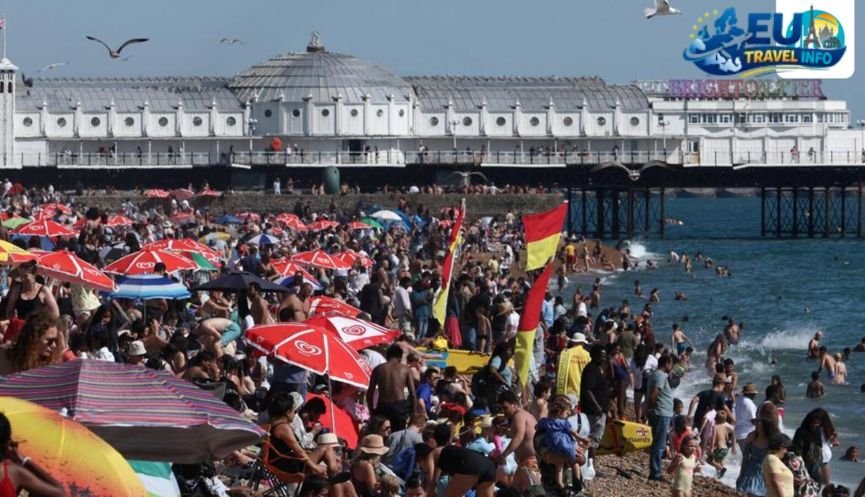
You might think summer is the best because of the sun. On the contrary, this is often the worst time to visit Athens. The heat can be brutal. Temperatures frequently climb above 35°C (95°F). In some years, they even hit 43°C.
The marble on the Acropolis reflects the heat. It feels like a “hellscape” rather than a wonder. Plus, the crowds are at their peak. You will share the space with 12,000 to 15,000 other people every day. Lines for tickets can last for two hours.
Therefore, you should only visit in summer if you have no other choice. If you do go, you must be smart. You should arrive at the gate at 8 AM sharp. You could also wait until after 5 PM when the sun starts to dip.
Autumn: The Second Prime Season (September to October)
Many locals prefer autumn. The intense heat fades. The sea remains very warm. In fact, the water is at its warmest in September and October. It stays around 24°C to 25°C (75°F to 77°F).
Is october a good time to visit athens? The answer is a loud yes. The air is crisp. The visibility is high. You can take beautiful photos of the Temple of Olympian Zeus without a haze of heat. On top of that, the harvest festivals begin. You can find olive and grape celebrations in nearby villages.
Winter: The Budget Choice (November to March)
You will save a lot of money in the winter. Hotel rates drop by 30% to 50%. You can find quality rooms for as low as €50 to €80 per night.
The big prize is the Acropolis. The entry fee drops from €20 to €10 from November to March. Also, you might get the site almost to yourself. You will see 70% fewer visitors than in the summer.
Is march a good time to visit athens? It is a transition month. The average temperature is about 13°C (55°F). It is cool. It is quiet. Gradually, the city starts to wake up for spring. You should pack a warm jacket, but you will love the peace.
Detailed Monthly Breakdown for 2026
You need the facts to plan your days. Here is what you can expect month by month.
January and February: The Quiet Chill
These are the coldest months. The average high is about 13°C to 14°C (55°F to 57°F). You will see rain on about 12 or 13 days each month.
However, you will find a “peaceful atmosphere”. You can visit the Acropolis Museum or the National Archaeological Museum without any lines. You should watch for St. Basil’s Day on January 1. Locals eat a special cake called vasilopita.
In February, you can experience the Greek Carnival (Apokreas). People wear costumes and have street parties in the Plaka and Psirri neighborhoods. It is a fun, local way to see the city.
March: The Awakening
The weather begins to shift. You will see about 6 hours of sunshine per day. The landscape turns green after the winter rains.
You should know about March 25. This is Greek Independence Day. The major sites like the Acropolis will be closed. There are parades in the streets. It is a day of great pride for the locals.
April: The Best of Greece
Athens in April is truly special. The temperature is a comfortable 17°C (63°F). Wildflowers bloom among the ancient stones.
You will see the city prepare for Easter. On Good Friday (April 10), you can watch a candle-lit procession at the church of Agios Georgios. On Easter Sunday (April 12), the smell of roast lamb fills every street.
May: The Perfect Month
If I had to pick one month, it would be May. It is the best time to visit Greece before the summer rush. The average high is 24°C (76°F). You get 10 hours of sun every day.
The Athens & Epidaurus Festival usually starts this month. You can watch ancient plays in a real stone theater. The crowds are still moderate. You will find it easy to get a table at a nice taverna.
June: The Start of the Heat
Summer arrives. The temperature jumps to an average high of 29°C (84°F). Rain almost disappears.
The days are long. You have 15 hours of daylight. This is great for sightseeing. However, you should plan to be indoors during the middle of the day. You can visit the air-conditioned shops in Monastiraki while the sun is at its strongest.
July and August: The Peak
These months are a challenge. The average high is 32°C (90°F), but it often goes much higher. It is the worst time to visit greece if you hate heat waves.
Many Athenians leave the city for their own holidays in August. Some small shops might close. However, the nightlife is very vibrant. You can enjoy rooftop bars late into the night.
September: The Return to Comfort
The weather cools to a pleasant 28°C (83°F). The “summer crowds thin out”. You can still enjoy the beaches of the Athenian Riviera.
This is the best time to visit athens and santorini together. The ferry rides are smoother than in the windy winter. The islands are still fully open. You can enjoy the famous sunset in Oia without the shoulder-to-shoulder crowds of July.
October: The Golden Autumn
October is a “pleasant month”. The temperature sits at 23°C (74°F). You can hike up Mount Lycabettus for a view of the whole city without getting too hot.
You should also look for the Fistiki Fest on the island of Aegina. It is a short ferry trip away. They celebrate the pistachio harvest. You can buy fresh nuts and sweets right from the producers.
November and December: The Winter Calm
Rain increases. You will see it about 10 to 13 days per month. The sun stays out for only 4 or 5 hours.
But the city glows with Christmas lights. You will see a massive tree in Syntagma Square. There is a “Christmas Factory” at Technopolis for families. It is a cozy, festive time to visit.
Planning Your Visit to the Acropolis
The Acropolis is the heart of Athens. You must plan your visit carefully to enjoy it.
Beating the Crowd
You should aim to be at the entrance at 8 AM. The first 90 minutes are the most peaceful. Large tour groups usually arrive around 9:30 AM.
If you miss the morning, try the late afternoon. After 4 PM or 5 PM, the crowds start to leave. The “Golden Hour” light makes the marble look like honey.
Buying Tickets
You should buy your tickets online in advance. Use the official website of the Hellenic Ministry of Culture. This allows you to skip the long ticket line. You can go straight to the entry gate.
You might also consider a multi-site combo ticket. It is valid for five days. It includes the Ancient Agora, the Roman Agora, and other major spots. It is a great way to save time and money.
Island Hopping from Athens
Athens is the gateway to the islands. You have three main ports to choose from.
- Piraeus: This is the largest port. It is only 10 km from the center. It serves almost every island, including Santorini and Mykonos.
- Rafina: This port is closer to the airport. It is a good choice if you want to head straight to the islands after your flight.
- Lavrio: This is the furthest port. It serves nearby islands like Kea and Kythnos.
Best Time for Islands
If you want the best time to go to greece santorini, aim for September. The water is warm. The winds are calmer. Similarly, May is excellent for a “sailing trip” to Hydra or Poros.
You should book your ferry tickets 2 to 3 months early if you travel in July or August. For the off-season, 1 or 2 weeks is usually enough.
Money and Budget Tips for 2026
Your budget will change based on the month you choose.
Accommodation Costs
You will see big price swings. A mid-range hotel in the Plaka district might cost:
- Winter: €50 to €80 per night.
- Shoulder Season (Spring/Fall): €100 to €140 per night.
- Summer: €120 to €180 per night.
Therefore, you save a lot by avoiding the summer. You should book your stay 3 to 4 months ahead for the popular spring and fall months.
Flight Prices
Flights from the USA to Athens also fluctuate. You might pay $500 to $700 in the winter. During the summer peak, those same tickets can cost $900 to $1,200.
Additionally, flying on a Tuesday or Wednesday can save you about 10% to 15% compared to weekend travel.
What to Pack for the Climate
You must pack for the season to stay comfortable.
- Spring and Fall: You need layers. It is cool in the morning and warm in the afternoon. Pack a light jacket and a sweater.
- Summer: You need the lightest clothes you own. Breathable fabrics like linen are best. You must have a hat, sunglasses, and strong sunscreen.
- Winter: You need a waterproof jacket. It rains more often. You also need warm socks and a good sweater because many buildings in Athens do not have strong central heating.
Important Tip: Wear shoes with a very good grip. The ancient marble stones are very slippery, especially if they are wet.
Experiencing Local Culture
You can find unique events all year long.
Food and Festivals
You will find that eating in Greece follows the seasons.
- Spring: Look for fresh strawberries, asparagus, and artichokes.
- Autumn: Enjoy pumpkin dishes and fresh grapes.
- September: Do not miss the Fistiki Fest for everything pistachio.
Additionally, you can enjoy the Athens Epidaurus Festival from June to August. They perform ancient dramas in theaters that are thousands of years old. It is a powerful experience.
The Winter Vibe
In the winter, you can drink rakomelo. This is a warm mix of honey, spices, and a spirit called tsipouro. It is the Greek version of a hot toddy. It is perfect for a cold evening.
You can also visit Lake Vouliagmeni. It is a thermal lake. The water stays between 21°C and 29°C all year. You can go for a warm swim even in January.
FAQ
How many days do you need at Athens?
You should plan for at least 3 to 4 days. This gives you enough time to see the Acropolis, explore the museums, and wander through the Plaka and Monastiraki districts without rushing. Plus, you can fit in a day trip to a nearby island or Cape Sounion.
What are the best and worst months to visit Greece?
The best months are May and September. You get beautiful weather and fewer crowds. The worst months are July and August. The extreme heat and massive crowds can make sightseeing very difficult and expensive.
Which month is the coldest in Athens?
January is usually the coldest month. The average temperature is about 10°C (50°F). You should expect more rain and shorter days during this time.
What is off season in Athens?
The off-season runs from November to March. During these months, tourist numbers are very low. You will find the lowest prices for hotels and flights. Also, the entry fees for major archaeological sites are half-price.
Concluding words
Athens is a city that rewards the smart traveler. You will find that the Best Time to Visit Athens is during the shoulder seasons of spring (April-May) and fall (September-October). These months offer the perfect mix of warm weather, manageable crowds, and fair prices. You should avoid the intense heat of the summer if you can. Whether you want to see the Acropolis in April or enjoy the warm seas of October, planning ahead will ensure your 2026 trip is a grand success.