You are planning a trip to the heart of the Renaissance. You want to see the Statue of David. You want to eat the best gelato of your life. However, you do not want to stand in a sun-baked line for three hours. This Helpful Best Time To Visit Florence Guide 2026 Trip Insights will help you choose the perfect moment for your adventure. Florence is a living museum. Every month offers something different. You might find blooming gardens or quiet, misty streets.
The Big Picture: When Should You Go?
The Best Time To Visit Florence depends on what you value most. Do you love warm sun and flowers? Do you prefer empty museums and low prices? In 2024, Florence welcomed about 15 million tourists. That is a lot of people for a small city. Because of this, you must plan with care.
Generally, the best months are April, May, September, and October. These months have mild weather. The crowds are not at their peak. On the contrary, the summer months of July and August are the most difficult. They are very hot. They are very crowded. In fact, summer sees about 40,000 visitors every day.
Spring: The City in Bloom
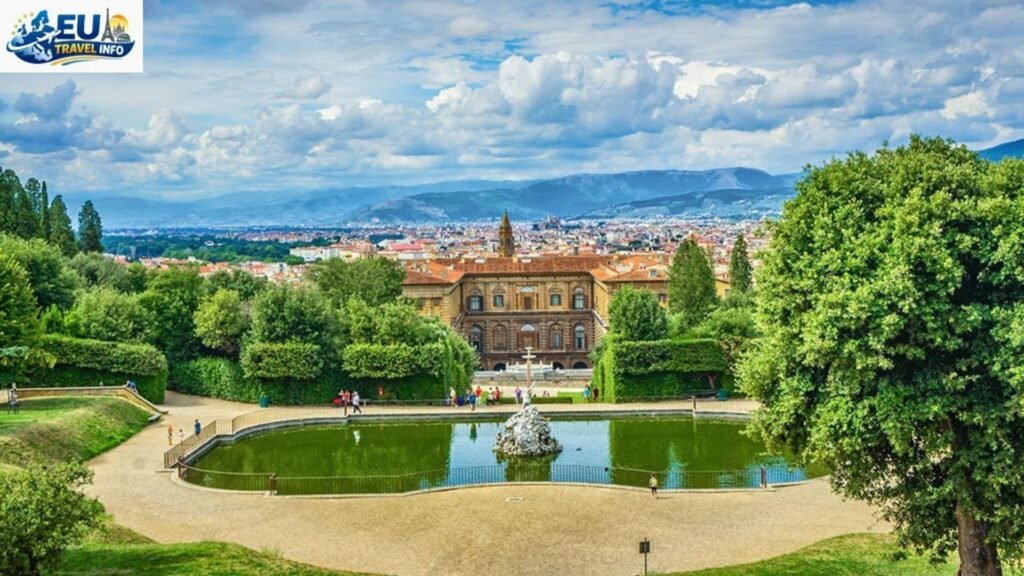
Spring is a time of renewal. First of all, you will see the gardens come to life. The Boboli Gardens and Bardini Gardens are beautiful during this time.
March: A Smart Choice
Is march a good time to visit florence italy? Yes, it is a great choice. The high season starts now. You will see around 25,000 visitors a day. Though it is busy, you can still find a table at a good restaurant. The daytime temperature is about 14°C to 17°C (57°F to 62°F). After the sun sets, it drops to 5°C or 7°C (41°F to 45°F). You should expect a few rainstorms. These storms lead to spectacular sunsets. You only need to book a climb up the Duomo dome about two days in advance.
April: The Windy Month
The weather in florence in april is a bit of a gamble. It is often sunny. However, it is also the windiest month. Cold winds can reach 30 km/h. Daytime highs are around 18°C to 19°C (64°F to 66°F). At night, it can drop significantly. Sometimes it even hits 0°C (32°F) early in the month. Additionally, Easter often falls in April. In 2025, it is on April 20. The city becomes very crowded for the Scoppio del Carro festival. You will see a decorated wagon explode with fireworks. It is a loud tradition. It is a fun tradition.
May: Late Spring Perfection
Many travelers believe May is the best month. The weather is warm. It reaches 22°C to 26°C (72°F to 79°F) during the day. The flowers are in full bloom. You can visit the Iris Garden to see rare blossoms. On top of that, the Maggio Musicale Fiorentino begins. This is a famous festival for opera and dance. Be careful, though. The city becomes very expensive toward the end of the month. You must book your museum tickets weeks in advance now.
Summer: The Season of Heat and Crowds
Summer in Florence is intense. The city sits in a basin. The stone buildings soak up the heat.
June: The Start of High Summer
June brings hot weather and long days. The sun stays up until 9 PM. Temperatures hit 27°C to 30°C (81°F to 86°F). You might see heavy thunderstorms in the first half of the month. Later, the heat becomes dry. You can watch the Calcio Storico in June. This is a violent, historic version of football. Players wear 16th-century costumes. It is a wild sight.
July and August: The Heat Peaks
These are the hottest months. In 2024, Florence had over 50 days of extreme heat. Daytime temperatures often reach 31°C to 36°C (88°F to 97°F). On the worst days, it can hit 43°C (109°F). The crowds are at their maximum. You will see 40,000 people every day. You will wait in line for everything. Gelato. Bathrooms. Museums. Pizza. Plus, many locals go on holiday in August. Some of the best restaurants will be closed. This is the quietest time to visit florence if you only look at the local population, but the tourist crowds are huge.
Autumn: The Harvest Season
Many experts agree that fall is the best time to visit Florence and Tuscany. The light is soft. The food is amazing.
September: Warm and Welcoming
September is a great transition month. The extreme heat begins to fade. The average high is 26°C to 27°C (79°F to 81°F). The grape harvest (La Vendemmia) begins in the Chianti region. You can take a wine tour and see the vineyards turn gold and red. It is a magical time for wine lovers.
October: The Golden Month
Is october a good time to visit florence? Absolutely. It is arguably the perfect month. The weather is comfortable. It stays between 11°C and 21°C (52°F to 70°F). You will see beautiful fall colors in the parks. The crowds are much smaller than in summer. Additionally, truffle season starts. You can find fresh white truffles in the markets. Hotel rates drop 20% to 30% compared to the summer peak. It is the best balance of weather and price.
Winter: The Intimate Experience
If you do not mind the cold, winter is special. It is the time for a “quietest time to visit florence” experience.
November: The Rainy Days
Is november a good time to visit florence italy? It depends on your goals. It is the wettest month. You will see about 102mm of rain. The temperature drops to a chilly 14°C or 15°C (57°F to 59°F). However, there are no lines at the museums. You can walk right into the Uffizi Gallery. It is the perfect time for art lovers who want to be alone with the masterpieces. Plus, the new olive oil arrives in the markets.
December: Festive and Cold
Florence is beautiful during Christmas. You will see markets in Piazza Santa Croce. The air smells like mulled wine. It is cold, with highs of 10°C (50°F). Humidity is very high. This makes the air feel much colder than it is. The city becomes busy again in the second half of the month. Many Italians visit for their own holidays.
January and February: The Budget Window
These are the coldest months. January highs are around 9°C (48°F). It almost never snows, but it can be very damp. Hotel rates are at their lowest. You can find mid-range rooms for €70 to €100. This is a 50% saving over summer prices. Gradually, the city begins to wake up in February. You might even see the Carnival celebrations with costumes and parades.
Understanding the Numbers: Crowds and Costs
You should look at the data before you book. The difference in visitor numbers is shocking.
- January: 500,000 visitors.
- May: 1.4 million visitors.
- July/August: 1.8 million visitors per month.
Similarly, your wallet will feel the difference. A mid-range hotel in January might cost €80. That same room in July can cost €250. You can save a lot of money by choosing the “off-season.” Additionally, you will save time. In summer, you might wait 2 to 3 hours for a museum. In winter, you can often walk right in.
Planning for 2026: New Rules
You need to know about one big change for 2026. The ETIAS system will start. If you are from the USA or other non-EU countries, you must apply online before you fly. It costs about €7. It is a simple step, but you must do it.
On top of that, Florence is working hard to be sustainable. There is a day visitor tax of €5 to €10 for people who do not stay overnight. You should support local artisans. Look for the Florence Factory near Santa Croce for real local crafts.
Comparing Cities: Florence vs. Milan
You might wonder about other Italian cities. Travelers often ask about the best time to visit milan. Milan and Florence have similar weather. However, Florence is much smaller. The crowds feel more intense in Florence because the streets are narrow. Milan is a big fashion hub. Florence is an art treasure chest. If you love the Renaissance, Florence is your winner.
Top Tips for Your Trip
- Book Early: You should book the Uffizi and Accademia 3 to 4 months in advance for summer.
- Use Official Sites: Only buy tickets from official museum websites. Avoid resellers who charge double.
- The Florence Card: This costs about €85. It covers 60+ sites for 72 hours. It is only worth it if you plan to see many museums very quickly.
- Dress Code: You must cover your shoulders and knees to enter the Duomo. This is very important.
- First Sundays: State museums are free on the first Sunday of the month. However, the crowds are dangerous and massive. It is better to pay and go on a different day.
Detailed Month-by-Month Weather Data
| Month | Avg High (°C) | Avg Low (°C) | Rain Days |
| January | 9 | 2 | 7 |
| February | 11 | 3 | 7 |
| March | 14 | 5 | 6 |
| April | 18 | 7 | 7 |
| May | 22 | 10 | 8 |
| June | 27 | 15 | 6 |
| July | 31 | 18 | 3 |
| August | 31 | 18 | 5 |
| September | 26 | 14 | 6 |
| October | 20 | 11 | 6 |
| November | 14 | 7 | 8 |
| December | 10 | 3 | 7 |
Data based on historical averages.
Strategic Booking Timeline
- 6-8 Months Before: Start looking at flights.
- 4 Months Before: Book your hotel and flights.
- 2-3 Months Before: Buy your tickets for the Uffizi and Accademia.
- 1 Month Before: Make dinner reservations at popular spots like Da Camillo or Trattoria Sostanza.
Final Thoughts on Timing
You should choose October if you want the best overall experience. You should choose January if you are on a tight budget. You should choose May if you love gardens and festivals. Finally, you should only choose July or August if you have no other choice.
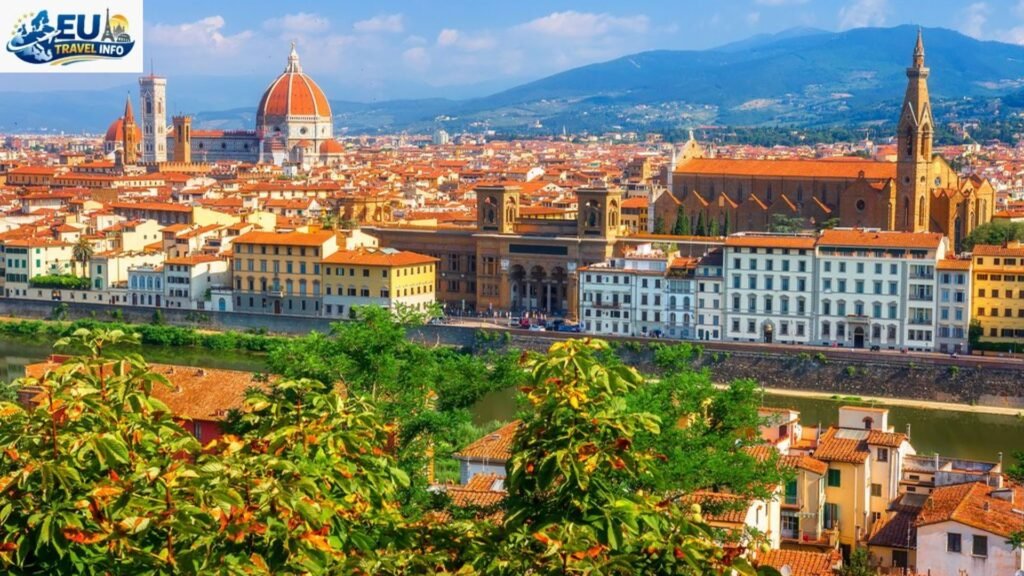
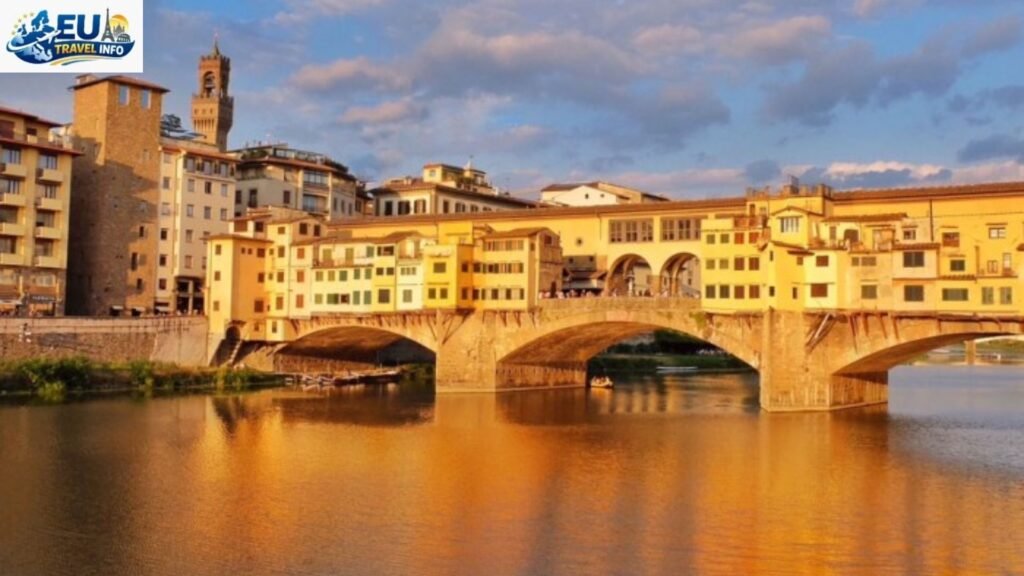
Florence is a city that stays in your heart. You will remember the glow of the sunset on the Ponte Vecchio. You will remember the taste of a Bistecca alla Fiorentina. You will remember the scale of the Duomo. Use this guide to make sure those memories are not ruined by heat exhaustion or long lines.
FAQ
What is the best month to go to Florence?
October is the best month. The weather is a comfortable 11°C to 21°C (52°F to 70°F). The summer crowds have left. Hotel prices are 20% to 30% lower. You can also enjoy the wine and truffle harvests.
What is nicer, Milan or Florence?
It depends on your taste. Florence is a small city focused on Renaissance art and history. It is very walkable. Milan is a large, modern city known for fashion and business. Florence is generally considered more “picturesque” for traditional tourists.
What is the rainy season in Florence, Italy?
The rainy season is in the autumn, specifically November. November is the wettest month of the year with about 102mm of rain. April and May can also have frequent, short showers.
Is 3 days enough time in Florence?
Yes, three days is enough to see the major highlights. You can visit the Uffizi, the Accademia, and the Duomo complex. However, you will need more time if you want to take day trips to the Tuscan countryside or explore smaller museums.
Concluding Words
Florence is a magical destination that changes with every season. You will find the best balance of weather, prices, and crowds in October or May. Summer offers excitement but brings extreme heat and long lines. Winter is perfect for budget travelers and art lovers who want a quiet, intimate experience. Plan your 2026 trip with these insights to ensure a smooth and memorable Italian adventure.