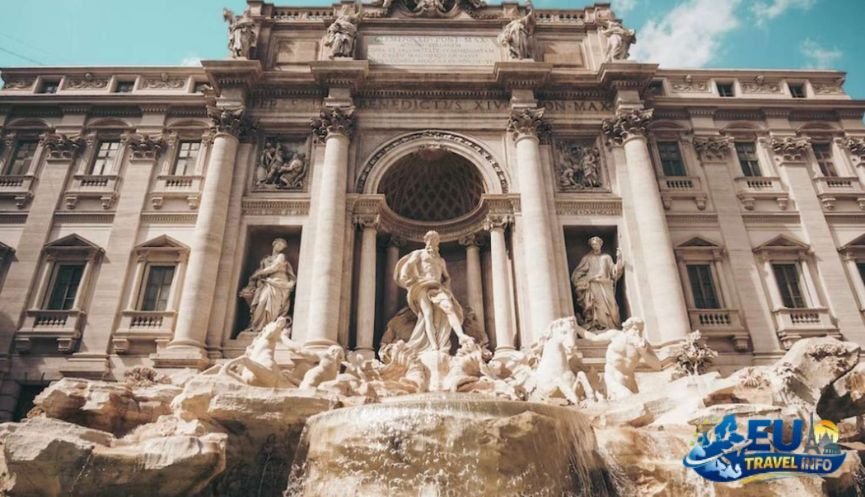
You stand in the middle of a narrow Roman street. The air is cool and smells like fresh rain on old stone. You hear a low rumble. It sounds like a waterfall hidden in the city. Suddenly, you turn a corner and there it is. The Trevi Fountain towers over you in all its Baroque glory. It is nearly 90 feet high and over 160 feet wide. The white travertine stone glows under the streetlights. It is a magical moment.
First of all, you must realize that this dream can quickly turn into a nightmare. You might arrive at noon only to find a sea of selfie sticks. Thousands of people gather here every hour. You can barely see the water. You can not even get close enough to toss a coin. Therefore, you need a plan. This guide will help you navigate the crowds and find the Best Time To Visit Trevi Fountain in 2026.
The New Rules for 2026: What You Must Know
The city of Rome is changing how tourists experience this masterpiece. From February 2, 2026, new regulations start. You will need trevi fountain tickets to enter the lower basin area. This is the part closest to the water where most people take their photos. The ticket costs two euros. This fee applies to all tourists and non-residents.
The ticketing system operates from 9 AM to 10 PM every day. Access remains free for residents, children under five, and people with disabilities. Additionally, you might encounter a controlled entry system with queues starting in the autumn of 2026. Police barriers will manage the flow of people. You should check the trevi fountain live cam before you leave your hotel to see if the lines are long.
The 6 AM Secret: Your Private Audience
You want the fountain all to yourself. You want that perfect photo without a stranger’s head in the frame. The solution is simple. You must wake up early. Very early.
First of all, aim to arrive by 6 AM. At this hour, the city is still asleep. The massive crowds are gone. You will find the majesty of the fountain and a calm atmosphere. The soft, golden light of the Golden Hour makes the marble look rich and textured.
Sunrise Data for Planning:
- January: 7:30 – 7:35 AM
- March: 6:15 – 6:50 AM
- June: 5:35 – 5:40 AM
- August: 6:10 – 6:40 AM
- October: 7:20 – 7:50 AM
At that time, the sun is low. It creates gentle shadows. It illuminates your face perfectly for a portrait. One traveler arrived at 5:45 AM and had the place almost entirely to themselves. However, do not wait too long. By 7 AM, tour groups start to arrive. By 8:15 AM, city officials often block direct access to the edge of the fountain for cleaning.
Trevi Fountain at Night: The Glow of the Eternal City
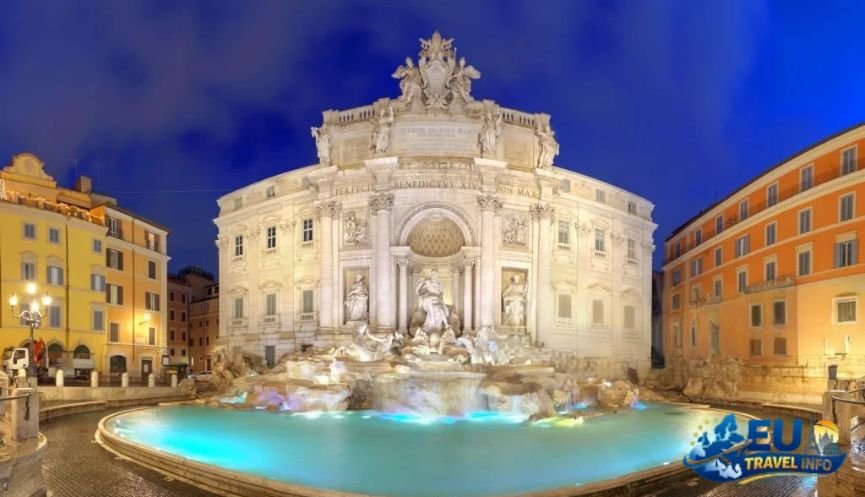
Maybe you are not a morning person. That is fine. The trevi fountain at night is a completely different animal. After the sun sets, the city lights up. The amber lighting makes the fountain look like it is glowing.
Show up around 11 PM or even midnight. The crowds thin out. You can actually hear the water. The water acts like a mirror. It reflects the sky and the statues. It is romantic. It is quiet. It is the Rome you see in the movies. Similarly, many locals prefer the city after dark because the daytime heat is brutal.
A Month-by-Month Guide to Rome
The time of year you visit Rome changes your experience at the fountain. Each season has a different vibe.
Spring (March to May): This is a peak time. The weather is mild. Temperatures range from 16°C to 23°C (61°F to 73°F). Gradually, the crowds build up around Easter. You should book everything early. Plus, the blooming gardens make the walks between sites very pleasant.
Summer (June to August): It is hot. It is dry. Temperatures often hit 31°C (88°F). You will see a lot of people. At that time, the days are long. You have plenty of daylight for exploring. However, many shops close for Ferragosto on August 15. If you visit in August, the early morning at 6 AM is your best bet for cool weather and fewer people.
Fall (September to October): Many travelers find this to be the best time. The weather is still warm, around 22°C to 27°C (72°F to 81°F). The crowds start to thin after mid-October. It is perfect for food lovers. Additionally, the autumn light is beautiful for photography.
Winter (November to February): This is the budget-friendly season. The streets are quieter. The hotel rates are lower. First of all, it is cool and damp. Temperatures stay around 12°C to 13°C (54°F to 55°F). On the contrary, the festive lights in December make the fountain look magical.
Tossing Your Coins: The Legend and the Charity
You can not leave without participating in the tradition. You must toss a coin. Legend says this ensures you will return to Rome.
How to do it correctly:
- Use your right hand.
- Toss it over your left shoulder.
- Keep your back to the fountain.
Numerical Data on Coins:
- About 3,000 Euros are thrown into the fountain every day.
- Over 1 million Euros are collected each year.
- All this money goes to Caritas, a Catholic charity that helps the hungry and those in need.
Later, if you want more than just a return trip, try two coins for love. Try three coins for a Roman wedding. Therefore, bring some spare change.
Secrets and Facts You Might Not Know
The fountain is more than just a pretty wall of water. It is full of history and petty feuds.
The God in the Center: Many people think the central statue is Neptune. It is actually Oceanus. He is a Titan. He is the father of river gods. You can tell it is him because mermen, called Tritons, lead his horses. One horse is angry. One horse is calm. They represent the different moods of the sea.
The Ace of Cups: Look to the right side of the fountain. You will see a large stone vase. It looks like the Ace of Cups from a card game called Scopa. The architect, Nicola Salvi, put it there to block the view of a local barber. The barber complained about the noise and dust during construction. Salvi got his revenge by making sure the barber could never see the masterpiece from his shop.
The Fountain of Lovers: To the right of the main monument is a small rectangular basin. It has two small spouts. This is the fountain of lovers. Legend says couples who drink from it will stay faithful forever. In the past, girls would give a glass of this water to their boyfriends before they left for military service. Then they would break the glass to seal their love.
Beyond the Fountain: The Spanish Steps
You are already in the heart of the city. Why stop at the fountain? The best time to visit spanish steps is often the same as the fountain. It is only a ten-minute walk north.
Arrive at the steps early in the morning to avoid the influencers and the tour groups. The steps were a gift from France in the 1720s. You get an amazing view of the city from the top. Similarly to the fountain, sitting on the steps is now restricted to protect the monument.
Practical Tips for Your Visit
You should be prepared. Rome is a busy city.
- Stay Hydrated: Do not drink the water from the Trevi Fountain. It is recycled. On the contrary, look for the small fountains called nasoni nearby. They provide free, cold, drinkable water. There is one on the right side of the Trevi square.
- Watch Your Pockets: The area is very crowded. Therefore, pickpockets are common. Keep your phone and wallet in a secure place. Do not put them in your back pocket.
- Respect the Monument: Do not try to swim. Do not try to recreate the scene from the movie La Dolce Vita. Police will fine you a lot of money. Also, do not sit on the marble edges or put your feet in the water.
- Check the Cleaning Schedule: The fountain gets cleaned regularly. First of all, coin collection usually happens on Mondays and Fridays starting at 11 AM. Gradually, the area might be closed during these times. On some days, cleaning happens from 2 PM to 9 PM. Check the official website before you go.
Where to Eat Nearby
You will get hungry after all that walking. Avoid the restaurants directly on the square. They are often overpriced “tourist traps”.
- Piccolo Buco: A tiny spot with some of the best pizza in Rome. It is very close to the fountain.
- Colline Emiliane: They serve amazing hand-rolled pasta. Try the tagliatelle bolognese.
- Giolitti: This is one of the oldest gelaterias in the city. It is a short walk away. Try the dark chocolate flavor.
- Supplizio: Go here for the best supplì (fried rice balls). It is a perfect late-night snack.
Technical Tools for Your Trip
Use your phone to make things easier.
- Trevi Fountain Live Webcam: Check this to see the current crowd level before you leave your hotel.
- Sunrise Tracker: Find the exact minute the sun comes up on your travel date.
- Headout App: This is useful for booking tours and checking prices.
Finally, remember that Rome is best enjoyed without a strict schedule. Sometimes the best moments happen when you just wander. You find a hidden alley. You see an old church. You taste a perfect espresso. The Trevi Fountain is a highlight. However, it is just one part of the magic.
Enjoy your trip to the Eternal City. You will see why people have been falling in love with these streets for 2,000 years.
FAQ
What time should we go to the Trevi Fountain?
You should arrive by 6 AM for the fewest crowds and the best light. If you prefer the evening, visit after 11 PM when the day-trippers have left.
Which month is best to visit Rome?
April, May, September, and October are the best months. You get mild weather and manageable crowds. Summer is very hot and crowded.
What days do they empty the Trevi Fountain?
Municipal workers usually collect coins on Mondays and Fridays starting around 11 AM. Full cleaning sessions can occur on various days, often between 2 PM and 9 PM.
How far apart are the Colosseum and the Trevi Fountain?
The two landmarks are quite close. It is about a 20-minute walk between them through the historic center of Rome.
Concluding words
The Trevi Fountain remains a top destination in 2026. To avoid the massive crowds, you must plan your visit for the early morning at 6 AM or late at night. Be aware of the new two euro ticket fee for the lower basin that starts in February 2026. By choosing the right season and following the local rules, you can enjoy the beauty of this Baroque masterpiece and make a wish that actually comes true.