You are planning a trip to the most beautiful corner of England in 2026. You want to see the high fells, the quiet lakes, and the pretty villages. However, you do not know when to go. This guide will help you choose the Best Time To Visit Lake District based on your own tastes. You will find that every month offers something special. Whether you love the purple carpet of bluebells in spring or the crunch of snow in winter, the Lake District has it all.
January: The Quiet Chill
You will find that January is the coldest month of the year in this national park. The average low temperature is around 35°F, and the high rarely goes above 42°F. It is a time of quiet beauty. First of all, the crowds from the holidays have gone home. You can have the popular paths almost to yourself. Additionally, the wind is at its strongest this month. You will face an average wind speed of 15.8 miles per hour.
The sky is often gray. In fact, it is overcast or mostly cloudy 71% of the time. You might see snow on the higher peaks. The lower fells get about 20 days of snow each winter. You must bring thick jumpers and waterproof gear. On top of that, it is a very wet month. You can expect about 14.4 wet days. Therefore, you should plan for indoor visits to cozy pubs with crackling fires.
February: Winter’s Last Stand
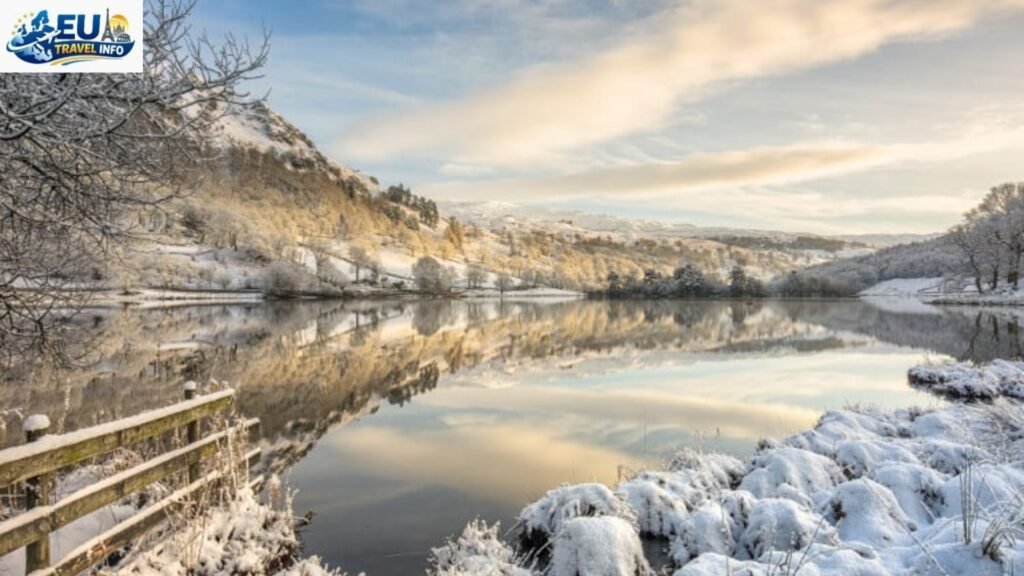
February feels a lot like January. Though the days are getting a little longer, it remains very cold. The average high is still 42°F. At that time, the water temperature reaches its lowest point of 42°F. You will likely see snow-dusted fells that look like a painting.
You can enjoy the peace of the “cool season” which lasts until mid-March. However, the rain is slightly less than in January, with an average of 10.8 wet days. You should visit the local lakeshores for a brisk walk. Similarly, you can look for wildlife. Over 30% of the world’s grey seal population lives around the UK, and winter is a great time to see them on a boat trip from nearby coasts.
March: The First Breath of Spring
You will notice a change in March. The average high temperature rises to 46°F. Gradually, the landscape begins to wake up. You might see the famous daffodils that inspired the poet William Wordsworth. First of all, March is the start of the literary season. You can attend the ‘Words by the Water’ festival in Keswick.
The days now offer about 12 hours of daylight. This gives you more time to walk the lower paths. Later, the weather can still be unpredictable. You might experience a mix of rain and sun in a single hour. Therefore, you should still carry a raincoat at all times.
April: A Month of Blue and Green
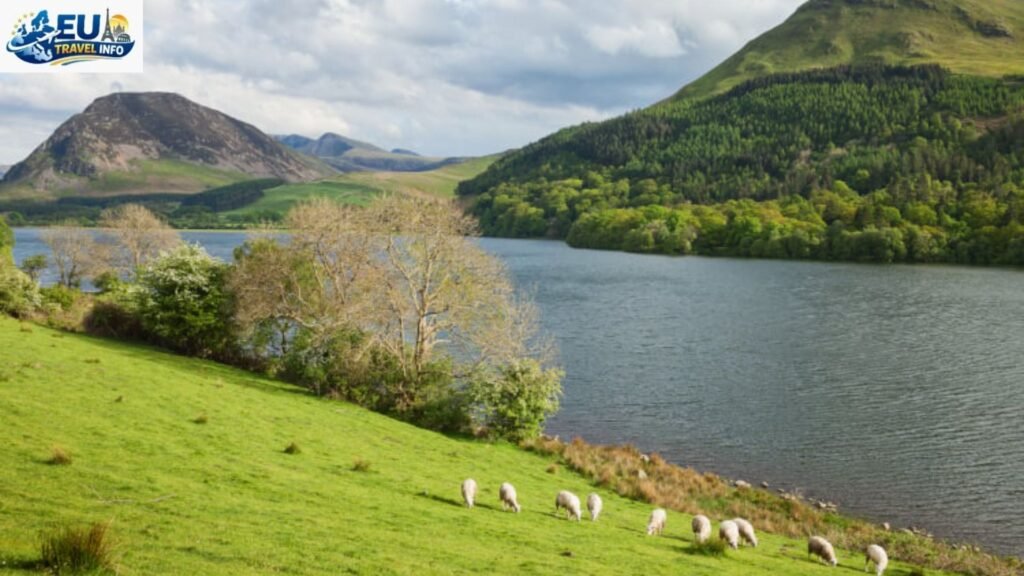
Lake district in april is truly wonderful. It is the month with the least amount of rainfall, averaging only 2.0 inches. You will also see the fewest wet days, with an average of only 9.1. This makes it a prime time for hikers.
The highlight of this month is the start of the bluebell season. These “fairy flowers” begin to bloom in mid-April. You can visit Skelghyll Woods in Ambleside to see them among the tall trees. Plus, you can walk the Miles Without Stiles trail at White Moss Common. The woods there become a sea of purple and blue. Finally, do not forget to visit Grasmere for some world-famous gingerbread on your way back.
May: The Flower Peak
Many locals believe May is the best month to visit. It is often the driest month of the year. You have a high chance of clear skies. Additionally, the temperature becomes more comfortable with an average high of 56°F.
This is the peak time for bluebells. They cover the valleys and hillsides until late May. One of the most famous spots is Rannerdale in Buttermere. Local legend says the flowers grow where a great battle took place. However, you must be careful not to step on them. It takes five years for a seed to grow into a bulb. If you dig one up, you could face a fine of £5,000!
June: The Longest Days
The lake district in june is a dream for outdoor lovers. You will enjoy the longest day of the year on June 21, which provides 17 hours and 16 minutes of daylight. This means you can stay out on the fells until late in the evening. The average high temperature reaches 61°F.
First of all, the summer crowds are still a few weeks away. You can enjoy the Coniston Country Fair, which features traditional skills like Cumberland wrestling and fell running. Later, you can walk through the hedgerows and see bees and butterflies. On the contrary, the wind is much calmer now, averaging about 10.9 miles per hour.
July: The Height of Summer
July is the hottest month in the Lake District. You can expect average highs of 64°F. It is also the month with the clearest skies. You will see clear or partly cloudy weather 50% of the time. Therefore, it is the peak of the tourist season.
You will find the popular towns like Bowness-on-Windermere and Keswick very busy. However, you can escape to the west, like the Wasdale Valley, to find more peace. Additionally, you can take a boat cruise on Windermere or Derwentwater to cool off. The water is perfect for a Stand Up Paddle Boarding experience at this time.
August: Family Fun and Warm Waters
August remains very warm. The average high is 63°F, and the water reaches its warmest point at 61°F. This is the time for family activity holidays. You will see many people enjoying the lakes. Similarly, school holidays mean the park is at its most crowded.
You might want to stay in lake district hotels that are away from the main hubs to avoid the noise. Gradually, the chance of rain starts to increase again as the month goes on. Plus, you should watch out for the “muggy” days, though they are very rare in this region.
September: A Gentle Transition
As autumn begins, the crowds start to thin out. September is a wonderful time for walking. The temperature stays mild at around 59°F. However, the rain starts to pick up with about 11.4 wet days on average.
You can see the Egremont Crab Fair, which hosts the World Gurning Championship. It is a very quirky and fun event to watch. Additionally, you can look for the Lakes Alive cultural festival. At that time, the light on the fells becomes softer and golden, which is perfect for photography.
October: The Best Time To Visit Lake District In Autumn
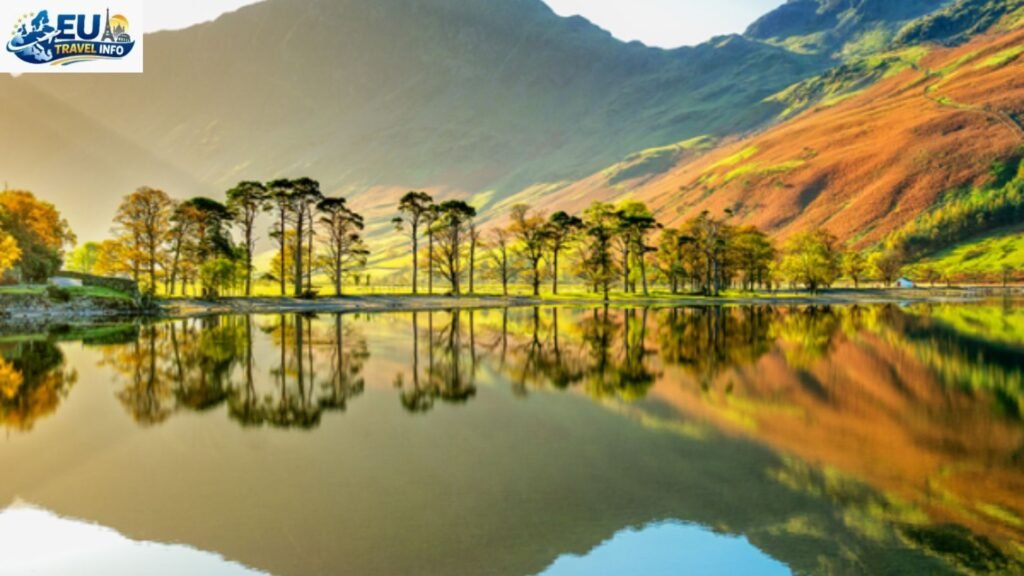
If you love colors, October is for you. The woodland foliage is “ravishingly colourful”. The best time to visit lake district in autumn is usually the last week of October. You will see gold, red, and orange leaves everywhere.
You should visit Ullswater or Blea Tarn for the most impressive views. On top of that, autumn is the best time to spot red squirrels. They are busy foraging for winter supplies. Gradually, the days get shorter. By the end of the month, the sun sets around 4:45 PM. Therefore, you should plan your hikes to end early.
November: The Wet and Wild
November brings a true change in weather. It is one of the wettest months, with an average of 13.5 days of rain alone. The wind speed also picks up to 14.3 miles per hour. However, there is a certain charm to this month.
You can spend your afternoons by a fire in a local pub. Similarly, you can enjoy the peace of the “quiet season.” Gradually, the first signs of winter appear. The average high drops to 47°F. You might even see the first dusting of snow on the high peaks by the end of the month.
December: A Winter Wonderland
The year ends with short days and cold air. December 21 is the shortest day, with only 7 hours and 16 minutes of light. The average low is 36°F. First of all, it is the wettest month for total rainfall, averaging 3.9 inches.
You will find the fells are often covered in snow. This is a great time for experienced hikers with the right gear like crampons. However, you must be very careful of early sunsets. The sun can set as early as 3:47 PM. On the contrary, the villages look magical with Christmas lights and festive markets.
Lake District Best Places To Visit By Season
When you think about lake district best places to visit, you must consider the season. In spring, you cannot miss the bluebell woods. Brandelhow Woods on the shores of Derwentwater is a top choice. It has easy paths for everyone to follow.
In summer, you should head to the Wasdale Valley. It feels wild and rugged. You can see Wastwater, the deepest lake, and Scafell Pike, the highest peak. Additionally, you might enjoy the Castlerigg Stone Circle near Keswick for amazing views of the fells.
In autumn, Friars Crag at Derwentwater offers a view that has been famous for over a hundred years. Similarly, Rydal Grotto is a peaceful spot to see the fall colors reflected in the water.
How To Avoid The Crowds
The Lake District is very popular. However, you can still find peace if you plan well. First of all, try to visit midweek. Weekends are always much busier with day-trippers. Later, you can choose to stay in quieter villages like Coniston instead of Windermere or Grasmere.
On top of that, you can choose “mountain cottages” that sit away from the main roads. You will likely see more sheep than people there! Gradually, you can learn to tackle lesser-known walking routes. Avoiding the “honeypot” locations will give you a much better experience.
The Lake District In Winter: Safety First
The lake district in winter is beautiful but can be dangerous. You must be prepared for “predictably unpredictable” weather. Fogs can hide the mountain views at any time. Therefore, you must have good navigation skills.
If you plan to walk on the high fells, you should carry an ice axe and crampons. Additionally, you must check the mountain weather forecasts daily. Strong winds and heavy rain can increase the risk of getting cold very quickly. Finally, always tell someone your planned route before you set off.
Comparing Regions
You might also wonder about the best time to visit peak district. While that area is also lovely, the Lake District in 2026 offers higher mountains and larger lakes. Similarly, both areas have peak seasons in summer. However, the Lake District has a unique literary history with the Lake Poets and Beatrix Potter that you will find very special.
Statistical Summary for 2026
| Month | Avg High Temp (°F) | Avg Low Temp (°F) | Avg Rainfall (Inches) | Daylight Hours |
| January | 42 | 35 | 3.6 | 8.0 |
| February | 42 | 35 | 2.8 | 9.8 |
| March | 46 | 36 | 2.4 | 12.0 |
| April | 51 | 39 | 2.0 | 14.2 |
| May | 56 | 44 | 2.1 | 16.1 |
| June | 61 | 49 | 2.3 | 17.2 |
| July | 64 | 53 | 2.6 | 16.6 |
| August | 63 | 52 | 3.1 | 14.8 |
| September | 59 | 49 | 3.0 | 12.6 |
| October | 53 | 44 | 3.7 | 10.4 |
| November | 47 | 39 | 3.8 | 8.4 |
| December | 43 | 36 | 3.9 | 7.4 |
(Data compiled from sources)
FAQ
What month is best to visit Lake District?
You will find that May and June are often the best months. They offer the driest weather, long daylight hours, and beautiful flowers like bluebells.
What is the coldest month in the Lake District?
January is the coldest month. The average low temperature is 35°F, and the high is only 42°F.
Which town is best to stay in Lake District?
It depends on what you want. Bowness-on-Windermere and Keswick have many shops and tours. However, if you want peace, Coniston is a great choice with fewer tourists.
How many days do I need in the Lake District?
You should plan for at least 3 to 5 days. This gives you enough time to see several lakes and go on a few good walks without rushing.
Concluding Words
The Lake District is a place for all seasons. You can enjoy the quiet fells in winter, the purple bluebells in spring, the long sunny days in summer, or the golden leaves in autumn. Every month has its own charm and its own challenges. By planning your trip for 2026 with this guide, you can ensure you see the very best of this national park. Do not forget your raincoat, and prepare for an unforgettable adventure.