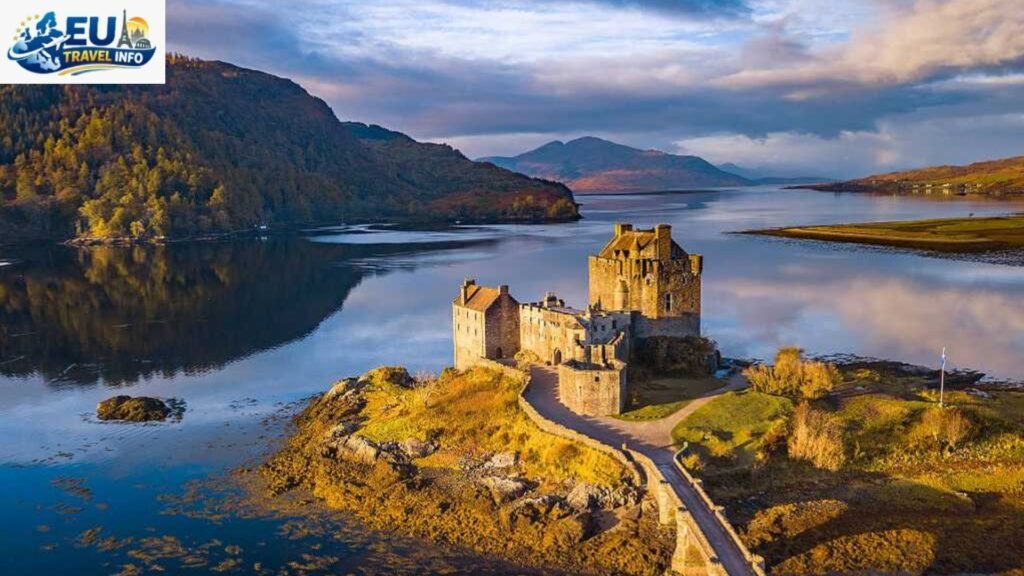
You dream of standing on a misty mountain top in the Highlands. You want to hear the wind howl through ancient castle ruins. You imagine yourself sipping a fine malt whisky in a quiet, cozy pub. However, you do not want to share that mountain top with fifty other people holding selfie sticks. You do not want to wait in a long line for a simple cup of coffee in Edinburgh. You want the real Scotland. You want the raw, wild, and peaceful version of this beautiful land. First of all, you must understand that timing is everything.
The Best Time To Visit Scotland To Avoid Crowds is not when the travel brochures tell you to go. Most people flock to the north in the heat of summer. They want those long eighteen-hour days of sunlight. At that time, the roads become choked with campervans and the hotels raise their prices to high levels. If you want peace, you must be smarter than the average tourist.
The Truth About the Peak Season
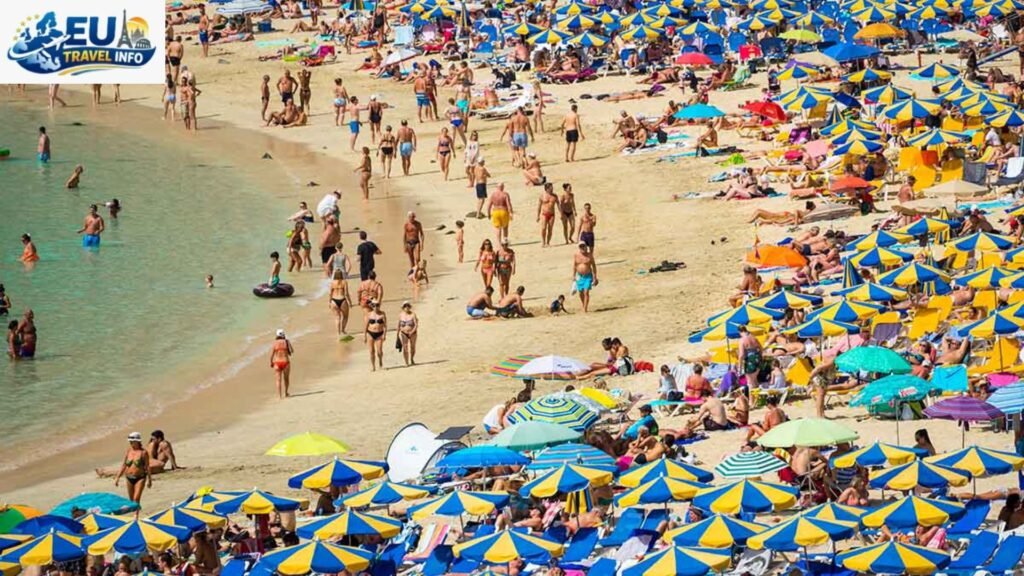
July and August are the busiest months of the year. Many people think this is the ideal time because the weather is at its warmest. On the contrary, this is often the worst time to visit scotland if you value your personal space.
Edinburgh in August is a perfect example of madness. The city hosts the Edinburgh Festival Fringe, which is a massive celebration of arts and culture. While the energy is high, the city becomes “bursting at the seams” with people. You will find yourself elbowing through crowds on the Royal Mile. Additionally, accommodation prices can triple or even quadruple during these weeks. Some locals even leave the city entirely just to escape the noise and the “extortion-level” pricing.
The Highlands do not escape this rush either. Popular spots like the Isle of Skye and Glencoe suffer from “overtourism”. You might find a sea of selfie sticks at the Three Sisters viewpoint. You could also find yourself stuck in a long line of tour buses. August is also the peak of the midge season. These tiny biting flies can turn a lovely walk into a nightmare. Therefore, if you want a chill experience, you should look elsewhere on the calendar.
The Magic of the Shoulder Season
 If you ask a local, they will likely tell you that the best month to visit scotland highlands is either May or September. These months sit in what we call the “shoulder season.” This is the time just before the summer rush starts and just after it ends.
May is a true gem. The days are becoming long and bright. The spring flowers are in full bloom. Best of all, the midges have not yet reached their full, annoying strength. You can visit the islands, like Mull or Iona, and see the beaches looking their best without the summer throngs.
September is similarly wonderful. Once the school holidays end, the “furious pace” of August subsides almost immediately. The weather is often dry and mild. At that time, you can still enjoy twelve hours of daylight to see the sights. is september a good time to visit scotland? The answer is a loud yes. You get the warmth of the summer tail-end but without the stress of the crowds. Plus, many businesses are still fully open before the winter quiet sets in.
The Bold Choice: Winter and Early Spring
Perhaps you are even braver. You might consider the best time to visit scotland in winter. From October to March, the country reveals its true, brooding character.
Some travelers claim that winter is actually the worst time to visit scotland reddit users often debate this topic because the days are short. It is dark by 4:00 PM in December. However, the trade-off is massive. You can have popular landmarks all to yourself. You can stand at a viewpoint in Glencoe and not see another human for twenty minutes.
Additionally, winter is the cheapest time to visit scotland. You can save between 60% and 78% on your hotel stays compared to the peak of summer. A room that costs £250 in August might only be £60 in January. This makes a luxury trip much more accessible for those of us who love a good deal.
Avoiding the Tiny Terror: The Midge
You must plan for the midges if you love the outdoors. These small insects are the Highland midge. They do not carry diseases, but their bites cause itchy, red lumps. They love warm, damp, and still air.
The best time to go to scotland to avoid midges is from late September through to early May. They are at their absolute worst in July and August, especially in the north and west. If you visit in April or May, you can hike the glens without wearing a head net. Later, when the frost arrives in October, the midges die off, leaving you in peace.
Seasonal Highlights and Data
To help you decide, let us look at some hard numbers and facts.
- Daylight Variations: You get about 18 hours of daylight in June but only about 7 hours in December.
- Temperature: Summer averages around 19°C (66°F), while winter can drop to 4°C (39°F) or lower.
- Rainfall: April is statistically the driest month. October and January are among the wettest.
- Savings: Winter travel can save you over £1,400 on a week-long trip for two people.
best time to visit scotland in autumn for Nature Lovers
Autumn is a spectacular time for the senses. From late September to mid-October, the landscape turns into a “tapestry of copper, gold, and russet”. The Perthshire region is famous for this transformation.
On top of the colors, you can witness the red deer rut. This is when the stags battle for territory and mates. You will hear their deep, guttural roars echoing across the glens. It is a prehistoric and visceral experience that summer visitors miss entirely.
Finding Solitude in Overtourism Hotspots
You might still want to see the famous sights. That is okay. However, you should consider alternatives to the busiest places.
Instead of the Isle of Skye, which is often “swamped,” you could visit the Isle of Mull. Mull offers ancient castles, stunning beaches, and amazing seafood but with far fewer people. Similarly, instead of the crowded Loch Ness, you could find peace at Loch Tay in Perthshire.
If you must go to Edinburgh, try to visit in late January or February. The city is much quieter after the New Year celebrations end. You can walk the cobblestone streets without the “stressful” crowds that plague the Christmas season.
Practical Tips for Your 2026 Adventure
- Pack Layers: The weather can change in an instant. You might see “four seasons in one day”. Bring a proper waterproof jacket and warm wool layers.
- Book in Advance for May: Even though May is less busy than August, it is a favorite for “retired people and those with no school commitments”. The best guesthouses fill up fast.
- Check Ferry Schedules: If you travel in the winter, ferries to the islands run less often. Always have a backup plan.
- Embrace the Darkness: If you visit in the winter, use the long nights to look for the Northern Lights. The Highlands offer some of the best dark skies in Europe. 2026 is still a great time for this as we are near the solar maximum.
Final Thoughts on Your Trip
You have so many options for your Scottish tour. Though summer has the most light, it also has the most noise and the most bugs. At that time, you might feel like just another face in a crowd. On the contrary, visiting in the “off” or “shoulder” months allows you to connect with the locals. You will find that people have more time to chat when they are not rushed by a line of tourists.
Gradually, you will realize that the “bad” weather is actually what makes Scotland look so dramatic. A mist-covered mountain is much more “atmospheric” than a plain blue sky. Therefore, be brave. Choose the quiet path. Visit when the rest of the world is staying home. You will find the version of Scotland that stays in your heart forever.
FAQ
When to avoid visiting Scotland?
You should avoid August if you do not like massive crowds or high prices, especially in Edinburgh during the festivals. February and March can also be difficult because it is often very cold, dark, and many smaller attractions remain closed for the winter.
What is the best month to visit Scotland?
May and September are widely considered the best months. They offer a perfect balance of decent weather, long daylight hours, and manageable visitor numbers. May is particularly good for seeing spring flowers and avoiding midges.
What is the cheapest month to go to Scotland?
November and January are the cheapest months for travel. During this time, you can find massive discounts on hotels and car rentals as tourism slows down significantly.
What time of year to visit Scotland to avoid midges?
To avoid these biting insects, plan your trip between late September and early May. Midges are mostly inactive during the colder months and do not emerge in large numbers until the weather warms up in late May.
Concluding Words
The Best Time To Visit Scotland To Avoid Crowds Local Guide 2026 shows that you do not have to follow the herd. By choosing the shoulder seasons of May and September, or the quiet winter months, you can enjoy the Highlands in peace. You will save money, avoid the midges, and see the country’s most dramatic natural events like the Northern Lights and the deer rut. Scotland is a land of magic all year, but it is best enjoyed when you have the space to breathe and the time to truly see it.