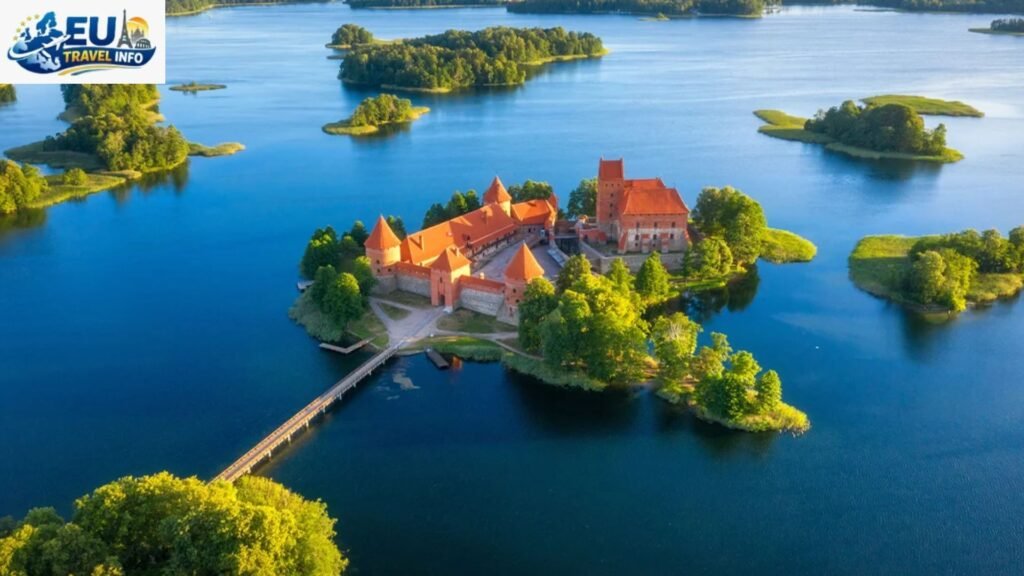
You stand on a cobblestone street in the middle of a medieval city. The air feels fresh. The history is thick. You are in the Baltics, and you want to know the Best Time to Visit Baltic States. This region includes Estonia, Latvia, and Lithuania. These three countries sit in North-Eastern Europe. They offer a mix of old-world charm and high-tech vibes. You will see medieval spires, pine forests, and the wild Baltic Sea.
The weather in baltic countries changes a lot. You will experience four very different seasons. Each season transforms the character of the cities and the countryside. First of all, you must understand the baltic weather meaning. This term describes a humid continental climate. The sea keeps the coast cool, while the inland areas get much warmer or colder. You might see a baltic sea weather forecast 14 day report that changes every hour. The weather is unpredictable. However, this guide will help you plan your perfect 2026 trip.
The Golden Window: Late May to Early September
You will find the most reliable weather from late May to early September. This is the absolute best time to visit all three nations in one go. Temperatures usually average between 65°F and 75°F (18°C to 24°C). The sun barely sets. Locals call these the “White Nights”.
Gradually, the days get longer as summer approaches. In Tallinn, the sun stays up for almost 19 hours during the height of summer. This gives you so much time for sightseeing. You can walk through the Art Nouveau district in Riga or the Old Town of Vilnius late into the evening.
Spring: The Reawakening (March to May)
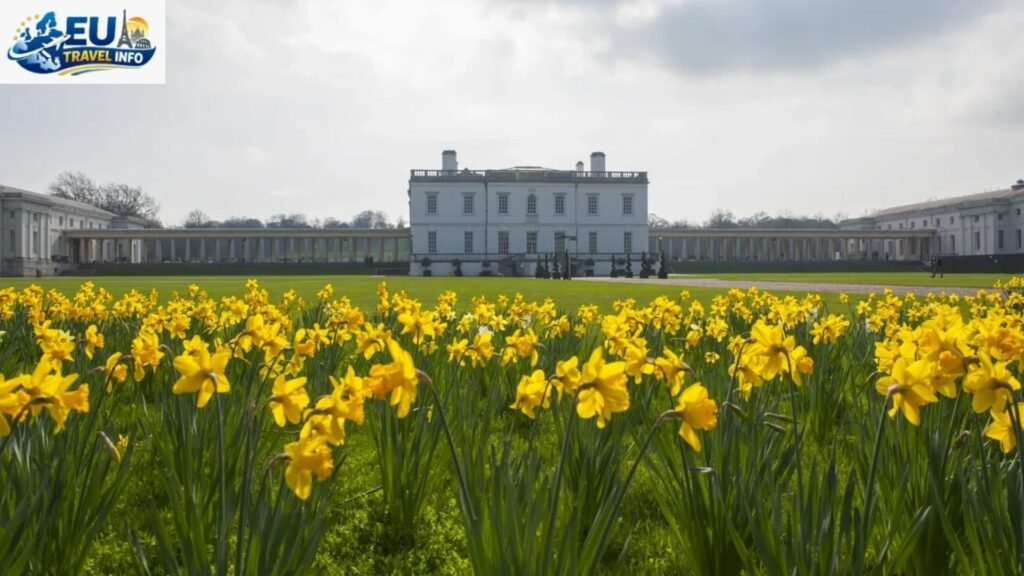 Spring starts in the south, in Lithuania, and moves north to Estonia. It is a time of huge change. The gray colors of winter vanish. Vibrant green takes over the wetlands and forests.
Weather in the baltics in may is often beautiful. High temperatures reach about 16-18°C (60-64°F). You will see spring blooms in the parks of Riga, like the Vērmane Garden. The weather in baltic countries in april is a bit different. This is the thaw month. You will find a lot of mud in the national parks. Therefore, you should stick to the cities in April.
You should consider May for your trip. It is the shoulder season. You will find fewer tourists and lower prices for hotels. Additionally, you can catch the Jack White concert at the Sigulda Castle Ruins on May 30, 2026. Sigulda is only 50 km from Riga. You can explore medieval castles and the Gauja National Park there.
Summer: The Season of Light (June to August)
This is the peak tourist season. The energy is high. The coastal towns like Jūrmala, Pärnu, and Klaipėda become very busy.
First of all, you must know about Midsummer. In Latvia, they call it Līgo. It happens on June 23. It is the most important holiday. The whole region shuts down. People light bonfires, sing folk songs, and celebrate in the forest. You will see flower crowns and eat traditional cheese with caraway seeds.
The weather in the baltics in august and July is the warmest of the year. July is the peak with highs of 22-23°C. However, heatwaves can push temperatures into the 80s°F (near 30°C). At that time, you should head to the beach. Jūrmala has 20 kilometers of white sand. The water temperature reaches 18-20°C.
Summer festivals are everywhere in 2026.
- Riga Opera Festival: June 4–20.
- Pitbull Concert: July 29 at Mežaparka.
- Summer Sound Festival: July 30 to August 2 in Liepāja.
On top of that, the crowds will be large. You must book your hotels and buses at least two months in advance for July.
Autumn: Gold Forests and Foraging (September to October)
Many locals think September is the best-kept secret. The big crowds go home. The air is crisp. The sun often stays out. This is a “second summer”.
Weather in baltic countries in september is perfect for photography. The temperatures stay between 14-17°C early in the month. You will see the autumn foliage start to turn gold. This is the best time for mushroom and berry foraging, a favorite local activity.
Later, the weather in the baltics in october gets chillier. Highs drop into the 40s and 50s°F (5-12°C). Gradually, the leaves reach their peak color in mid-October. You should visit the Gauja Valley in Latvia or Lahemaa National Park in Estonia for world-class views.
Winter: A Gothic Wonderland (November to February)

Winter is dark. It is cold. But, it is very magical. The Old Towns of Tallinn, Riga, and Vilnius look like fairy tales.
December is the best winter month. Christmas markets open in the town squares. Riga claims to have the world’s first public Christmas tree from the year 1510. You will smell mulled wine and traditional food in the air. In Vilnius, you can see a gigantic, extravagant Christmas tree that changes every year.
Weather in the baltics in January and February is the coldest. Temperatures average -3°C to -6°C. Cold snaps can hit -15°C or even -30°C. You will only have 6 to 7 hours of daylight in late December.
On the contrary, this is the best time for budget travelers. Hotel prices in the capital cities can drop by 40% to 60% compared to July. You can find quality hotels for €40-€70 per night.
Month-by-Month Guide for 2026
January: The Heart of Winter
You will find the lowest prices now.
- Weather: Very cold. Plenty of snow.
- Event: Supernova Eurovision selection starts on January 31.
- Activity: Visit the Latvian National Museum of Art or the Motor Museum to stay warm.
February: Culture and Snow
The daylight starts to increase to about 9-10 hours.
- Event: The Vilnius Light Festival turns the city into a glowing gallery.
- Activity: Try the bobsled track in Sigulda for a real thrill.
March: The Slow Thaw
You will see the snow start to melt. It is the month with the fewest tourists.
- Event: The Kaziukas Fair in Vilnius is a massive arts and crafts market.
- Price: Hotels stay very cheap, around €45-€70.
April: Spring is Coming
The trees start to get their leaves. Weather in baltic countries in april brings temperatures around 8-14°C.
- Notice: Expect some rain. You should pack a waterproof jacket.
- Activity: Take an Art Nouveau walking tour in Riga.
May: The Prime Choice
You will love the blooming flowers. The daylight extends to 17 hours.
- Weather: Pleasant and mild, around 16-18°C.
- Traveler Tip: This is the best month for nature lovers before the summer bugs arrive.
June: The Big Party
You will experience the White Nights. The sun sets after 10 PM.
- Event: Riga Opera Festival (June 4-20) and Summer Solstice (June 23).
- Warning: Businesses close for the holidays. Plan your food and travel carefully.
July: The Heat is On
You will see the most crowds. Everything is open and lively.
- Weather: The warmest month. Great for swimming.
- Event: Summer Sound Festival begins in Liepāja on July 30.
August: Late Summer Vibes
You can still enjoy the beach. The water is at its warmest.
- Weather: Similar to July, but the nights start to get cooler.
- Price: Prices stay high until the last week of the month.
September: The Photographer’s Dream
You will get the best light for photos. The low sun angle makes the buildings look amazing.
- Weather: Stable and clear. Milder than summer but still warm.
- Activity: Visit the food festivals in Riga and Tallinn.
October: Peak Foliage
You should visit the national parks now. The colors are world-class.
- Weather: It gets chilly. Highs are around 12°C early on, dropping to 6°C later.
- Note: Daylight shrinks fast. Sunset moves to 5 PM by the end of the month.
November: The Dark Month
You will find very gray skies. It is often rainy and sleety.
- Weather: Temperatures drop toward 0°C.
- Benefit: This is the cheapest time of the whole year for flights and rooms.
December: Christmas Magic
You will see the cities sparkle with lights. It is a winter wonderland.
- Event: New Year’s Eve in Town Hall Square has concerts and fireworks.
- Packing: You need serious winter gear. Insulated boots are a must.
The North-South Shift
You should know that the weather varies between the three countries. Estonia in the north is often windier. It can be 5–10°F cooler than Lithuania in the south.
If you visit in the spring, you should start in Vilnius and head north to follow the warmth. If you visit in the summer, you should start in Tallinn and head south to chase the light. Gradually, you will see how the landscape changes from the Estonian islands to the Lithuanian forests.
Practical Tips for Your 2026 Trip
First of all, you must pack the right clothes.
- Summer: Bring light layers. You need a sweater for the chilly nights.
- Shoulder Seasons: Use a layering system. Temperatures can change by 10 degrees in one afternoon.
- Winter: You need a coat rated for -15°C. Do not forget a warm hat that covers your ears.
Additionally, think about your transport. You can take a bus between the capitals. Zanna van Dijk says the bus from Riga to Vilnius is super affordable and easy. In the cities, you should use apps like Bolt to get around.
Finally, consider the daylight. In the winter, you must plan your outdoor walks for the middle of the day (10 AM to 3 PM). Save the museums and galleries for the dark hours. In the summer, you have plenty of time. You can sightsee until very late.
Important Statistical Data for 2026
To help you plan, here are some key numbers:
- Hotel Savings: You can save 40-60% by visiting in the winter instead of summer.
- Daylight Hours: You get 19 hours in June but only 6.5 hours in late December.
- Average July Temp: 22-23°C (72-73°F).
- Average Winter Temp: -3°C to -6°C (21-27°F).
- Rainy Days: Expect about 8-10 days of rain per month in summer.
You will find that the Baltics offer something for everyone. You might love the vibrant festivals of summer. You might prefer the quiet, golden forests of autumn. You might even enjoy the chilly, magical markets of winter. Therefore, the Best Time to Visit Baltic States really depends on your own taste.
FAQs
What are the best months to visit the Baltics?
The best months are late May, June, July, August, and early September. This window offers the most sunshine and the warmest temperatures for exploring the outdoors.
Which month is best to visit Lithuania?
You should visit Lithuania between May and September. May is especially beautiful because the nature is in full splendor, and the weather is perfect for activities like cycling or canoeing.
Which is the cheapest Baltic country to visit?
The sources suggest that Lithuania is surprisingly affordable for travel and rooms. However, all three countries offer great value, especially if you visit during the off-season months of November through March.
What is the warmest month in the Baltics?
July is the warmest month. You can expect average high temperatures of 22-23°C, though it can sometimes get much hotter during a heatwave.
Concluding Words
The Best Time to Visit Baltic States in 2026 is between late May and early September for warm weather and long days. You can also choose the shoulder seasons of spring and autumn for fewer crowds and great photos. Finally, winter offers a magical atmosphere with Christmas markets and huge travel savings for those who do not mind the cold.