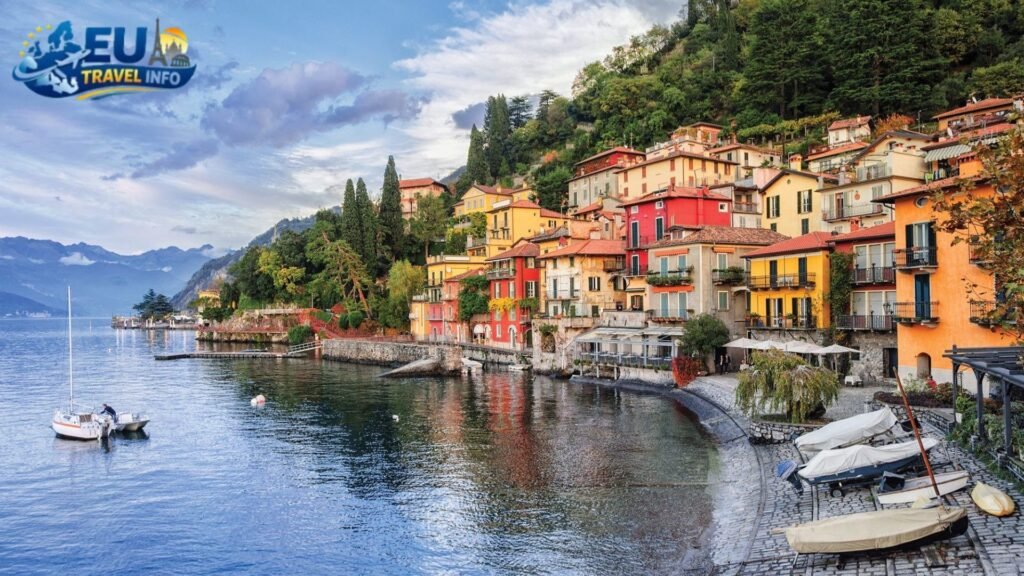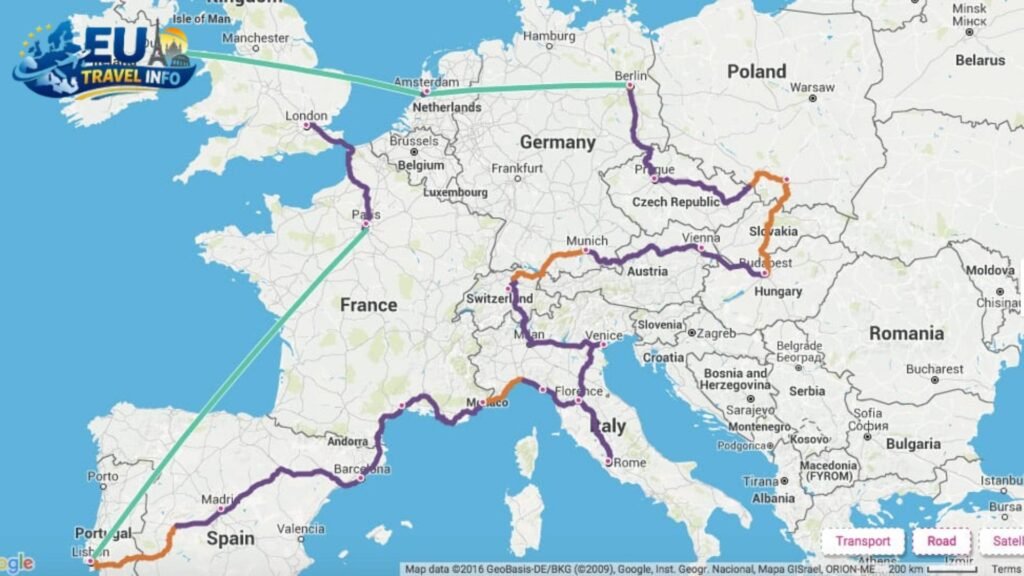
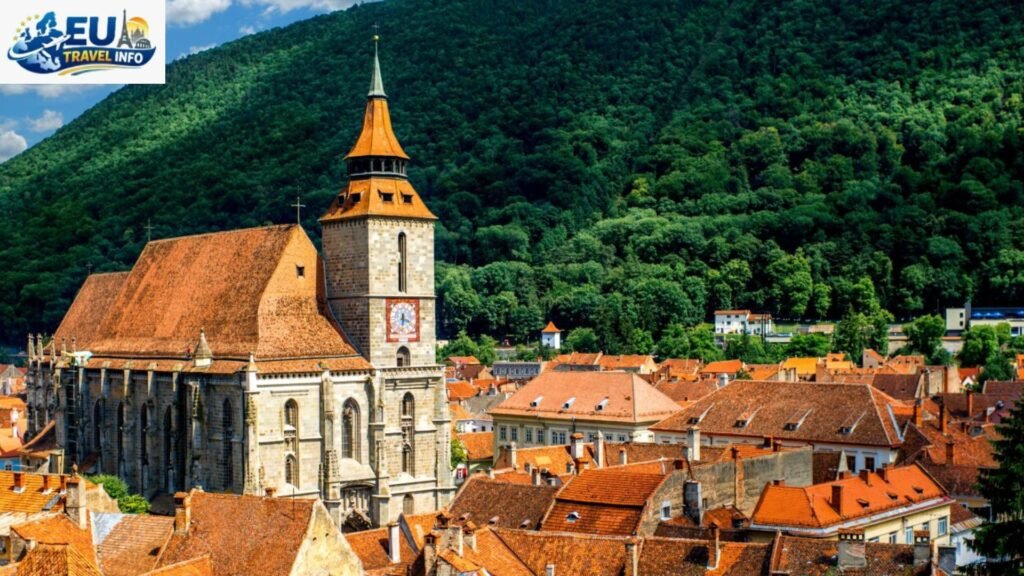
You deserve a vacation that feels right. A trip where the crowds do not push you and the sun does not melt your ice cream. Planning the Best Time to Visit Eastern Europe requires a bit of magic and a lot of facts. This region is a treasure chest of history and charm. You will find medieval streets in Prague and romantic lights in Budapest. However, the weather changes everything. One month you are wearing a heavy coat, and the next you are swimming in the Adriatic Sea.
This guide helps you choose the perfect window for your 2026 adventure. Use it to match your travel style with the right season. Do you love vibrant festivals? Do you prefer quiet, snowy walks? The choice is yours.
Understanding the Climate Zones
Eastern Europe is huge. It has many different climates. You must understand the difference between the Mediterranean climate vs continental Balkans and Central Europe. Coastal areas like Croatia and Montenegro stay milder in winter. Inland eastern europe countries like Poland and the Czech Republic get much colder.
You should know that eastern europe weather by month varies wildly. In summer, temperatures often soar between 22°C and 32°C. Some inland cities even reach 40°C in July. On the contrary, winter temperatures frequently drop between -5°C and 7°C. Snow is common in the north and the mountains.
The Magic of Spring (March – May)
 Spring is one of the most underrated seasons to visit this region. You will see flowers bloom and parks turn green. Eastern europe weather in march starts cool but fresh. Eastern europe weather in april brings mild temperatures ranging from 10°C to 20°C.
First of all, you will enjoy lower prices. Costs for flights and hotels are often 30% to 40% lower than in the peak summer months. Similarly, the crowds are much smaller. You can wander the Charles Bridge in Prague or the banks of the Danube in Budapest without thousands of other tourists.
Why You Will Love Spring:
- Easter Markets: Wooden stalls and hand-painted eggs bring Old Town squares to life.
- Cultural Festivals: The Budapest Spring Festival features amazing classical concerts and art.
- The Scenery: Cherry blossoms and tulips explode in city parks.
Additionally, this is the perfect time for cultural tours. You can explore historical sites like Auschwitz or Buda Castle without the summer heat. Later, you might even catch the Mimosa Festival in Montenegro if you arrive early in the season.
The Vibrant Energy of Summer (June – August)
Summer is the peak travel season for a reason. The days are long and the energy is high. You will experience warm and sunny weather perfect for outdoor exploration. Temperatures usually stay between 20°C and 30°C, but they can climb higher.
However, you must be ready for crowds. Popular spots like Prague, Budapest, and Dubrovnik become very busy. You will see long queues at major attractions. On top of that, prices for hotels and flights reach their highest levels. You should book your trip 3 to 4 months in advance to get the best deals.
Top Summer Highlights:
- Festivals: The Sziget Festival in Hungary and the Exit Festival in Serbia are massive music events.
- Adriatic Coast: The sea is warm enough for swimming in Croatia and Montenegro.
- Danube Cruises: Summer is the peak time for river cruises.
Plus, you can enjoy rooftop bars and open-air spas. The sun stays up late, so you have more time for photography and sightseeing. Use early mornings for your city walks to avoid the 40°C heat in cities like Mostar.
The Golden Calm of Autumn (September – October)
Many experts believe autumn is the absolute best time for an Eastern European trip. Weather in eastern europe in september feels like a lovely extension of summer. You will find temperatures between 10°C and 20°C. The air is crisp and comfortable.
Eastern europe weather in october brings cooler air and stunning golden foliage. The landscapes turn into shades of gold and red. This is a hidden gem for travelers who want peace. Additionally, the summer crowds finally leave.
The Perks of Autumn:
- Wine Harvests: September and October align with the wine harvest in Hungary, Serbia, and Romania.
- Great Value: Accommodation prices drop by up to 50% after September.
- Warm Seas: You can still swim in the Adriatic in September as the water stays around 22°C to 24°C.
Gradually, the cities become quieter. You can take scenic drives through the Carpathian Mountains in Romania. Visit the Ostrog Monastery in Montenegro when the weather is cool and pleasant. Therefore, autumn is the perfect choice for a relaxed and beautiful journey.
The Winter Wonderland (November – March)
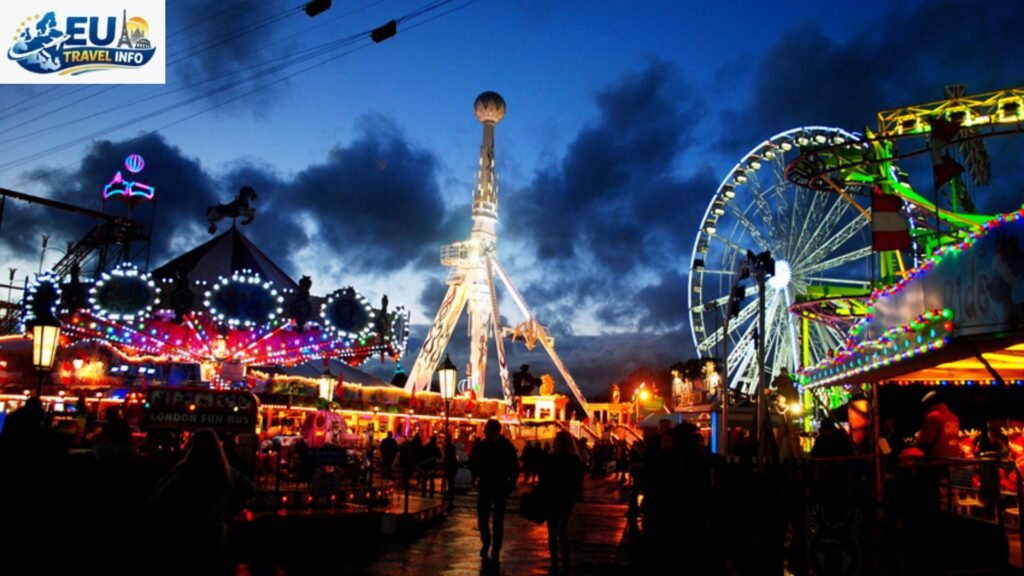
Winter turns Eastern Europe into a fairy tale. It is cold, but it is also magical. Eastern europe weather in november starts to chill, with temperatures ranging from -5°C to 7°C. Later, January becomes the coldest month of the year.
You should pack warm layers, thermals, and waterproof boots. This season is the cheapest time to visit, except for the holiday weeks. You will find the lowest hotel prices and very few tourists at major landmarks.
Festive Winter Magic:
- Christmas Markets: Cities like Prague, Vienna, and Tallinn host the most enchanting markets in the world.
- Winter Sports: You can go skiing in Slovakia or Bulgaria for a fraction of the price of western europe.
- Cozy Vibes: Enjoy hot mulled wine and traditional treats in a wooden chalet.
Finally, the holiday spirit is unmatched. You will see twinkling lights and massive Christmas trees in every town square. Plus, some cities like Budapest offer thermal baths where you can soak in hot water while snow falls around you.
Detailed Guide to the 2026 Christmas Markets
The Christmas markets are a major highlight for any traveler. Most of these festive wonderlands open in late November and run through December. Only Nuremberg has confirmed its official dates for 2026: November 27 to December 24. Other dates are projections, so you must check official sites before you book.
| City | Estimated 2026 Dates | Daily Budget | Ideal Stay |
| Prague, Czech Republic | Late Nov – Jan 6 | €60–120 | 2–3 nights |
| Budapest, Hungary | ~Nov 21 – Jan 1 | €50–110 | 3–4 nights |
| Tallinn, Estonia | ~Nov 20 – Dec 28 | €85–160 | 2–3 nights |
| Vienna, Austria | Mid-Nov – late Dec | €100–180 | 3–4 nights |
| Zagreb, Croatia | Late Nov – early Jan | €60–130 | 2–3 nights |
| Strasbourg, France | ~Nov 26 – Dec 24 | €80–150 | 2–3 nights |
Budapest offers the best value for your money. You can see light shows on the St. Stephen’s Basilica every 30 minutes. Similarly, Prague is a winter paradise with affordable chimney cakes and hot mead. For a medieval vibe, head to Tallinn. They claim to have had the first public Christmas tree in 1441.
Zagreb has been voted the best market in Europe multiple times. It is more of an urban festival with music and art spread across the city. On the contrary, Nuremberg is strictly traditional. They only allow handcrafted goods in their red-and-white stalls.
Regional Spotlights: Where Should You Go?
1. The Balkans (Croatia, Montenegro, Bosnia)
September is the “sweet spot” here. The summer heat drops, but the Adriatic Sea stays warm. You can explore the medieval walls of Kotor or the beaches of Budva without the massive cruise ship crowds. Plus, you can visit Mostar in Bosnia to see the iconic Stari Most bridge.
2. Central Europe (Czech Republic, Poland, Hungary)
These eastern europe countries are perfect for first-time visitors. They offer a mix of rich culture and easy transport. Spring and autumn provide the best balance of weather and price. You can visit Kraków for its deep history or Bratislava for its cozy old town.
3. The Baltic States (Estonia, Latvia, Lithuania)
Tallinn is a must-see UNESCO World Heritage site. It is very compact and walkable. Visit in the summer for “midnight sunshine” or in the winter for a snowy medieval experience.
Practical Travel Tips for 2026
- Book Early: Aim for April to June 2026 if you want to visit the Christmas markets. Hotels fill up six months in advance.
- Currency Matters: Not every country uses the Euro. You will need Czech koruna, Polish zloty, or Hungarian forint. Use local ATMs for the best rates.
- Transportation: Trains are a fantastic way to see the region. You can easily go from Dresden to Prague and then to Vienna by rail.
- Packing: Always pack layers. Even in summer, nights can get breezy. In winter, you must have thermal wear.
- Budgeting: Budapest and Zagreb are the most affordable. Vienna and Copenhagen are the most expensive. Expect to spend between €50 and €300 per day depending on your choices.
Experience Sharing: A Note from the Author
“I remember walking through the Spittelberg market in Vienna on a cold December night. The smell of roasted almonds and spiced wine filled the air. It felt like a movie. Later, I visited the same region in May. The difference was incredible. The gardens were bursting with color and the prices were so much lower. Every season has its own soul.” – TravelExpert2026
FAQ
What is the best month to go to Eastern Europe?
September is the optimal month. You get warm weather, warm sea water, and 30% fewer crowds than the summer peak.
Which country is best to visit in Eastern Europe?
The Czech Republic, Hungary, and Poland are the top picks for first-timers. They combine affordability with incredible history and easy travel.
What is the cheapest time to go to Europe?
The winter months of November to March are the most budget-friendly. You will find the lowest rates for rooms and flights during this off-season.
Which month is best to visit Europe?
May, June, and September are generally considered the best months. They offer the most pleasant weather for exploring both cities and nature.
Concluding Words
The Best Time to Visit Eastern Europe depends on your personal goals. Choose spring for blooming flowers and low prices. Pick summer if you want hot sun and lively festivals. Opt for autumn for golden leaves and wine harvests. Finally, travel in winter for the magic of Christmas markets and snowy landscapes. This region offers something special in every season, so start planning your 2026 journey today!