You want to see the greenest part of Europe. You want to taste the best seafood in the world. You dream of mountains that touch the clouds and beaches with wild waves. Northern Spain is your destination for 2026. This region is a world away from the dry heat of the south. It is a place where the weather defines the soul of the land. The lush landscapes. The ancient traditions. The crisp Atlantic air. These things await you.
First of all, you must know that Northern Spain has an oceanic climate. This means it stays mild and fresh most of the year. However, rain is a constant companion that keeps the grass green and the flowers bright. You should not let a little drizzle stop your adventure. The Best Time to Visit Northern Spain usually falls between May and October. At that time, the sun shines more often, and the days stay long.
Northern Spain Weather by Month: A Complete Guide
You need a clear plan for your 2026 journey. Every month offers something special. Every month has its own mood.
January: The Quiet Chill
January is one of the coldest months in this region. You will find average temperatures between 8°C (46°F) and 12°C (54°F). Plus, rain is very common, with an average of 14 wet days. Therefore, you should pack your warmest layers and a sturdy umbrella.
The Three Kings Parade on January 5th is a highlight in Bilbao. You will see elaborate floats and mythical characters. “The sound of drums fills the air for 24 hours,” as San Sebastián celebrates its patron saint day on January 20th. Gradually, you will notice that the crowds are thin, which gives you a more authentic local experience.
February: The Heart of Winter

Weather in northern spain in february remains very similar to January. It is chilly and often grey. Though the coastal areas stay mild, the mountains like the Picos de Europa are often covered in deep snow. This is a magical time for photography.
You can attend the Carnival of Lantz mid-month. You will encounter strange characters like Miel Otxin, a mythical bandit. At that time, you should visit the wineries in La Rioja to escape the cold. The hotel costs are medium, so you might find some good deals.
March: The Early Signs of Spring
You will see the region begin to shake off the winter chill in March. Temperatures start to climb toward 15°C (59°F). Gradually, flowers begin to bud. However, the weather is very unpredictable. You might experience a sunny afternoon that shifts quickly into a cold storm.
The Ancient Carnival in Laza often takes place now. You can witness a flour battle which is one of the oldest traditions in the world. Additionally, this is a great time to enjoy local museums without the summer rush.
April: The Green Awakening
Weather in northern spain in april brings a noticeable rise in warmth. You can expect average temperatures around 13°C (55°F). Gradually, the landscape turns into an out-of-control green. You will see snow-capped peaks in the background of blooming meadows.
Holy Week or Semana Santa is a major event during this month. You can watch solemn processions and elaborate floats in cities like Bilbao and Pamplona. First of all, you should book your stays early for this period. Later, you can hike in the rejuvenated countryside or visit the Picos de Europa.
May: The Sweet Spot
Many locals believe that the weather in northern spain in may is the best of the year. It is comfortably mild with temperatures between 12°C (54°F) and 20°C (68°F). Finally, the chances of rain start to go down. The days are long and the late spring blossoms are everywhere.
You can enjoy outdoor festivals and artisan fairs in the plazas. Additionally, the mountain huts begin to open for hikers around Easter. This month offers a perfect balance of good weather and fewer crowds. Therefore, you should consider May as your prime travel window.
June: The Longest Days
Weather in northern spain in june marks the true transition into summer. Temperatures frequently hover around 22°C (72°F). Plus, you get to enjoy the longest days of the year, with sunsets around 10:30 PM. Gradually, the water in the Atlantic begins to feel a bit more inviting.
The San Juan Bonfires on June 23rd are a magical experience. You can watch people jump over fires three times for good luck. You will also see crowds eating corn flatbread called talo by the flames. At that time, the city terraces are full of life.
July: The Vibrant Peak
July is the hottest month of the year. You will experience temperatures ranging from 18°C (64°F) to 27°C (81°F). However, it is rarely too extreme thanks to ocean breezes. It is the driest month, though a random downpour can still happen.
Major events like the BBK Live Festival in Bilbao and the Running of the Bulls in Pamplona draw thousands of people. You should book your accommodation six months in advance if you plan to visit now. Similarly, the Saint James celebrations in Santiago de Compostela on July 25th are a must-see for culture lovers.
August: The Festival Month
You will find Northern Spain at its busiest in August. The weather is sunny and warm, typically around 25°C (77°F). On top of that, European school holidays mean the beaches are packed. Gradually, the hotel prices shoot up to their highest levels.
Aste Nagusia or Bilbao Big Week runs for nine days in late August. You will see fireworks every night and over 100 free concerts. Later, you can attend the Natural Cider Festival in Gijón. Though it is crowded, the energy of the region is incredible.
September: The Underrated Gem
The weather in northern spain in september is another gem for travelers. The heat starts to ease to a pleasant 20°C (68°F). Additionally, summer crowds start to fade away. You still get sunny days and warm nights.
The San Sebastián International Film Festival takes place in late September. You might even spot global filmmakers and actors in the city. Plus, professional surfers gather for the Zarautz Pro Surf event. This month is ideal for a culinary journey as the grape harvest begins.
September and October: The Harvest Season
Weather in northern spain in october brings cooler, comfortable days. Temperatures range from 12°C (54°F) to 18°C (64°F). Gradually, the foliage provides a beautiful backdrop of ochre and red. Therefore, this is a stunning time to explore nature parks like Muniellos.
You can enjoy the Txakoli wine harvest festivals in the countryside. At that time, wineries open their doors for special tastings straight from the barrel. On top of that, autumn food fairs showcase wild mushrooms and chestnuts. This is a less crowded time for leisure sightseeing.
November: The Quiet Month
November is often considered the worst time to visit. It is the rainiest month of the year in some areas. Temperatures drop back down to between 8°C (46°F) and 14°C (57°F). Finally, the days get much shorter.
However, you will find the lowest hotel prices now. It is the perfect time for indoor activities like visiting the Guggenheim Museum or the Niemeyer Centre. You can also attend the Orujo Festival in Potes to try local liqueurs. Gradually, you will see the region prepare for the festive season.
December: The Festive Spirit
December brings a unique blend of chilly weather and holiday spirit. You will need to bundle up as mornings can dip to 6°C (43°F). Though it is cold, you will enjoy the charm of vibrant Christmas markets.
You can see traditional Basque crafts and seasonal treats like walnut cream dessert. Additionally, you might find snow in the higher altitudes for skiing in the Pyrenees. On New Year’s Eve, you should join the locals in the main squares to eat 12 grapes at midnight. Therefore, the month ends with a celebration of luck and hope.
Detailed Look: Regional Weather Differences
Northern Spain is not just one climate. It is a mix of coastal and mountain regions. You should understand these differences before you pack.
The Atlantic Coast
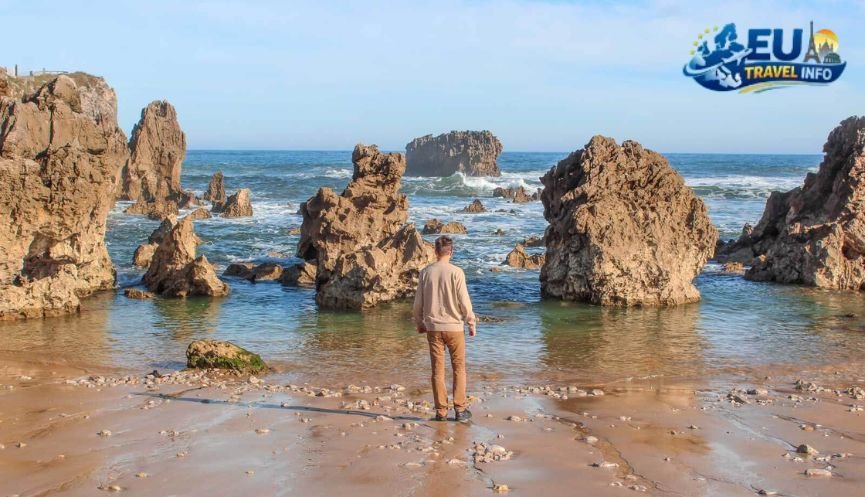
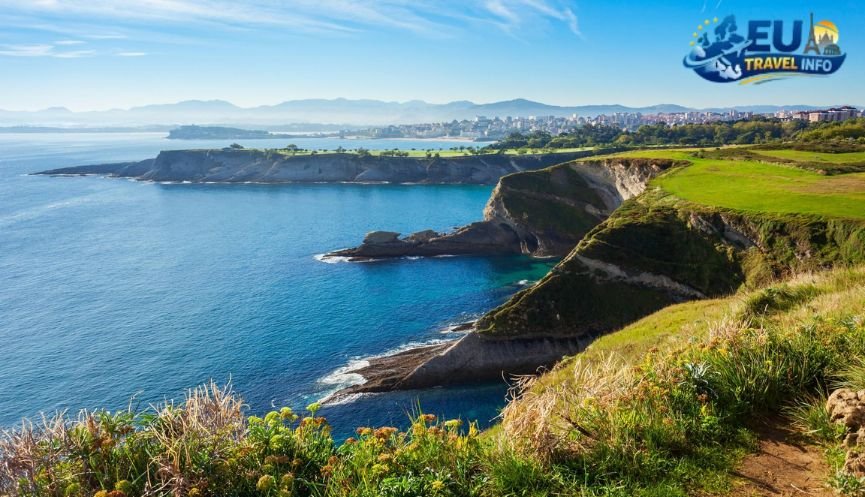
The coast of Galicia, Asturias, Cantabria, and the Basque Country stays mild. You will rarely see extreme heat waves or freezing cold here. However, Galicia is known as the rainiest region. The water in the Atlantic is always refreshing. Even in July, sea temperatures only reach about 19°C to 21°C. Plus, you will find that coastal ocean breezes keep the air fresh.
The Picos de Europa and Mountains
You will find a very different story in the mountains. The Picos de Europa has an Atlantic mountain climate. Precipitation is much higher here. First of all, you must realize that weather shifts rapidly in the peaks. Sudden fog or heavy rain can happen even in summer. At that time, temperature drops are frequent. Winter brings heavy snow that can make trails inaccessible. Therefore, you must always check specific mountain forecasts before you set out.
Best Activities Based on the Weather
You want to make the most of your trip. You should match your activities to the 2026 forecast.
Hiking and The Camino
Gradually, hiking Prime conditions arrive between June and September. Most trails are accessible and services are fully operational. However, if you prefer fewer crowds, you should aim for the shoulder months of May or October.
You should know that the Northern Route of the Way of Saint James takes you along the delightful coast. Additionally, the Primitive Route is the oldest and goes through the heart of Asturias. At that time, you will feel part of nature with steep gorges and ancient oak groves. First of all, make sure you wear broken-in hiking boots. Plus, always carry waterproof clothing.
Surfing the Northern Waves
Northern Spain is a surfer’s paradise with over 400 miles of coastline. Mundaka is world-famous for its river mouth waves. At that time, waves can reach up to 12 feet tall. You can surf all year round in places like Zarautz.
gradually, the conditions change for different skill levels.
- For Beginners: You should visit in the summer. The water is around 18°C and the waves are smaller.
- For Experts: Winter is your time. The swell is at its most powerful between December and March. However, you will need a thick wetsuit and booties.
Gastronomy and Wine Tours
You can enjoy the food of Northern Spain at any time. However, autumn is the golden season for wine lovers. September and October are when the vineyards transform into a sea of colors. You can participate in traditional grape stomping in La Rioja.
You must try pintxos in the Basque Country. Additionally, you should taste fabada asturiana, which is a slow-simmered bean stew. Plus, do not leave Galicia without sampling the famous octopus. Therefore, your culinary journey will be rich regardless of the clouds.
Pro Tips for Your 2026 Trip
You need to be prepared for the quirks of the North. Here are some essentials for your guide.
What to Pack
The weather is ever-changing. Therefore, you must pack in layers.
- Rain Gear: A foldable raincoat and a small umbrella are essential.
- Footwear: You need comfortable walking shoes for the cities and sturdy boots for the mountains.
- Sun Protection: Even with clouds, UV radiation is strong in the mountains. Use SPF 50+.
- Evening Wear: Even in summer, nights are cool. Bring a light jacket or sweater.
Budgeting and Costs
The off-season is the cheapest time to visit. January, February, and November offer the best deals on hotels. On top of that, many museums and restaurants stay open with a low-key energy.
Gradually, costs rise as you approach the summer.
- Budget Traveler: You can expect to spend €55-€110 per day.
- Mid-range Traveler: Aim for €130-€250 per day.
- Luxury Traveler: Costs can exceed €270 per day. Also, you should carry some cash for small villages or mountain refuges.
Safety and Health
Northern Spain is generally very safe for tourists. However, you must take precautions in the mountains. Always inform someone of your route and expected return time. At that time, do not overestimate your physical abilities.
additionally, you should know:
- Water: Tap water is generally safe to drink.
- Emergencies: Dial 112 for police, fire, or mountain rescue.
- Insurance: You should have travel insurance that covers mountain activities.
Final Thoughts on Timing Your Visit
You have many choices for your 2026 adventure.
- If you want the best overall balance, you should go in May or September.
- If you want warm beach days, you should choose July or August.
- If you want vibrant traditional culture, you should aim for February or August.
- If you want to save money, you should brave the winter off-season.
“Northern Spain will always keep you on your toes,” as the locals say. The green hills. The fresh cider. The ancient stones. You will find beauty in every season.
Gradually, the North will capture your heart. You will want to stay here forever. Therefore, you should start your planning now for a stellar 2026.
FAQ
What is the rainy season in northern Spain?
The rainiest months are in autumn and winter, particularly November. However, spring can also be quite wet. You should expect rain as a natural part of the oceanic climate throughout the year.
Which month is best to visit Spain?
May and September are overall the best months. You get a perfect balance of pleasant weather, fewer crowds, and lower prices. Additionally, the landscapes are beautiful at these times.
Is the north of Spain worth visiting?
Yes, it is a paradise for lovers of nature, food, and culture. You will find unspoiled beaches, charming stone villages, and world-class museums. It offers a life-changing experience away from typical tourist spots.
What month is best to visit San Sebastián?
September is ideal for the International Film Festival and warm, pleasant weather. August is also great if you want to experience the massive Semana Grande festival. Early June is perfect for a quieter, warm experience.
Concluding words
Northern Spain in 2026 is a destination that offers a little bit of everything. You will find the best weather from late spring to early autumn, with May and September being the standout winners. While you must prepare for some rain, the lush green beauty and mild temperatures make it a refreshing escape. From surfing big winter waves to tasting new wines in the autumn harvest, your trip will be full of magic. You should plan ahead for festivals, pack your layers, and get ready for an unforgettable journey through the North.