You are probably sitting at your desk and dreaming of a cobblestone street or a misty alpine forest. You want to know When is The Best Time to Visit Germany for your big 2026 trip. It is a fair question. Germany is a country that changes its clothes with every season. You will find that the best time to visit Germany 2026 depends entirely on what you want to see, eat, and feel. Do you want to clink heavy beer mugs under a tent? You might want to see a castle that looks like it was plucked from a Disney movie. Perhaps you just want to save a few dollars.
This guide will walk you through the seasons in Germany with months so you can plan the perfect tour. We will look at the weather, the costs, and the crowds. You will get the real story on the worst time to visit germany and the hidden gems of the off-season. Grab a coffee and let us dive into your future German adventure.
The Fresh Start: Spring (March to May)
You will see the country wake up during these months. The gray skies of winter start to break. First of all, let us talk about the early days. You might ask yourself, is march a good time to visit germany? It is a bit of a mixed bag. The weather is unpredictable and it is the height of the rainy season. You will still find temperatures around 34°F to 48°F in places like Neuschwanstein. However, there is a bright side. You will find fewer crowds and very good value at hotels. It is a smart move if you do not mind carrying an umbrella.
Gradually, the landscape turns green. April brings true spring with blooming flowers and fresh foliage. The Easter holiday on April 20, 2026, will see more families traveling, so you should book your tickets early. You will see the Pöllat Gorge waterfall at its peak flow because of the melting snow. It is a stunning sight. Additionally, you will find that hotel rates start to rise to about €100 to €140 per night.
May is often called the best month to visit by many travelers. The days are warm, reaching up to 66°F in Berlin, and the nights are cool. You will see the cherry trees in full flower and the festival season begins. May 1st is a big day with traditional maypoles and dancing. You will enjoy comfortable crowd levels before the summer rush starts. Therefore, if you love gardens and mild walks, May is your winner.
The Golden Sun: Summer (June to August)
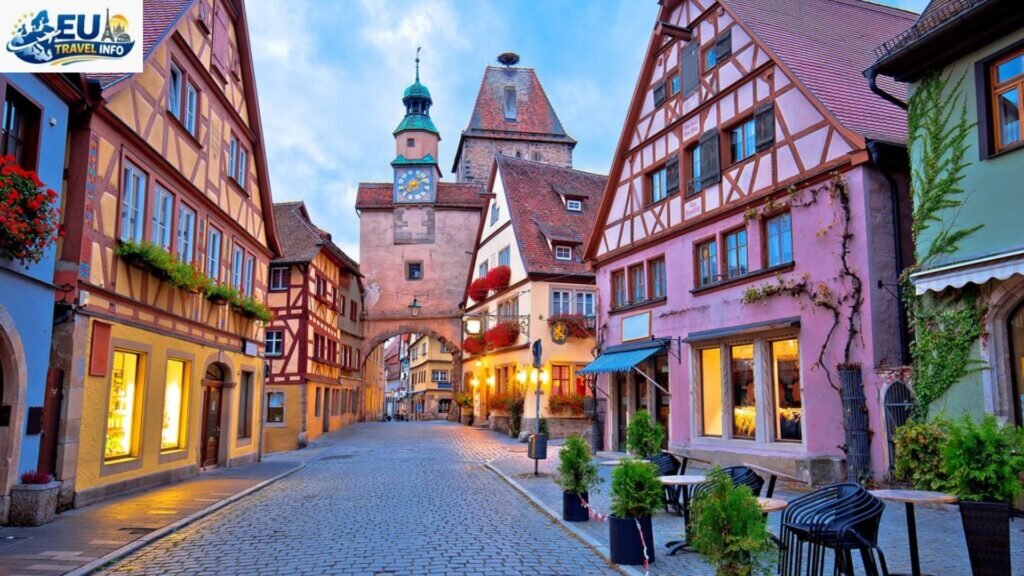
You will find that summer is the busiest and most popular time. The weather is warm and sunny, making it the best time to visit germany and switzerland if you love the outdoors. The Black Forest, which sits right on the border of Switzerland, is perfect during this time. You can hike the endless trails or visit the cool lakes like Titisee.
June offers maximum daylight with the sun staying up until after 9:00 PM. You will have up to 16 hours of light to explore. Temperatures are around 70°F, which is perfect for a hike. However, you must watch out for afternoon thunderstorms. These storms are brief but intense, so you should have a rain jacket ready.
July and August are the peak of the tourist season. You will see more than 6,000 visitors a day at places like Neuschwanstein Castle. The Marienbrücke viewpoint becomes very crowded, and you might wait 15 to 30 minutes for a photo. Prices for hotels jump to €140 or even €200 per night. Also, river cruise ships fill the Rhine and Danube, making the ports very busy. You will have great weather for swimming in the Alpsee, but you will share the view with many others. If you hate crowds, this might be the worst time to visit germany for you.
The Harvest Glow: Autumn (September to October)
You will love the fall if you enjoy wine and beer. September is a fantastic month. The weather stays warm, around 67°F, but the summer crowds start to thin out. It is the best time to visit germany for oktoberfest which happens in Munich from late September into early October. You should know that Munich becomes very crowded and expensive during this festival. You must book your room months in advance if you want to join the fun.
You might wonder, is october a good time to visit germany? The answer is a big yes. The fall colors peak in mid-October with golden larches and red leaves framing the castles. You will find 50% to 60% fewer visitors than in the summer. The air is crisp and clear, which is great for mountain views. On top of that, Unity Day on October 3 brings festivals and fireworks to Berlin.
Finally, November arrives. It is often a quiet month. Many hotels shut down for renovations before the Christmas rush. The weather is cold and often dreary, with temperatures between 34°F and 45°F. It gets dark before dinner. Though it is not the most beautiful time, it is one of the quietest and cheapest.
The Winter Wonderland: December to February
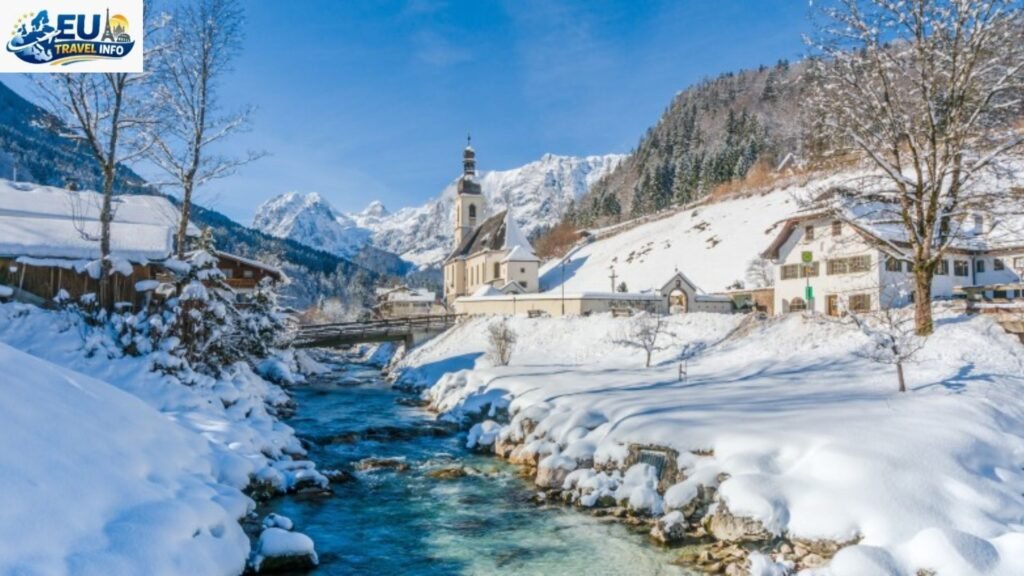
You will find a special kind of magic in December. Even though it is cold, the country is full of “wintry charm”. You can visit the world-famous Christmas markets that pop up in every city. You will see the world’s tallest Christmas pyramid in Dresden, which stands at over 14 meters. You can eat “Handbrot,” which is bread stuffed with cheese, while you look at the lights.
Cologne has one of the most beautiful markets right next to its massive cathedral. Munich offers over 12 different markets, including a medieval one and a pink LGBTQ-friendly market. Similarly, the Black Forest has a unique market in the Ravenna Gorge under a huge stone bridge. You will pay more for hotels in December because of these markets, but the experience is worth it.
January and February are the cheapest time to visit germany. You will find that hotel rates drop by 40% to 50% compared to summer. You can find rooms for €70 to €110 per night. Snow is common, especially in the mountains where you can go skiing or snowshoeing. The cities are cold but not unbearable. Gradually, you will see the Carnival season start in February with parades and costumes in places like Cologne and Mainz. February is often the coldest month, but the “Fasching” parties will keep you warm.
Deep Dive: The Black Forest and Neuschwanstein
You should consider the specific regions you want to visit. The Black Forest is a large area in the southwest that borders both France and Switzerland. It has its own weather patterns because of the mountains. Summer is perfect for the “Rodelbahns,” which are alpine coasters that zip you down the hills. You can also hike around the Triberg Waterfalls, which are very famous. In winter, you can visit the town of Gengenbach to see the world’s largest Advent Calendar.
Neuschwanstein Castle is the most famous landmark in Bavaria. It sees over 1.4 million visitors every year. You should book your tickets at least 8 weeks ahead no matter when you go. If you want the best photos, go in May or September. For a quiet experience with snow, go in January or February when crowds are 60% lower. The sun sets very early in winter, around 4:30 PM, so you must plan your day carefully.
Budget and Planning Tips for 2026
You can save a lot of money if you plan right. The most expensive times are July, August, and the week of Christmas or Easter. On the contrary, the best value is found from January 5th through February 28th. You will also find good deals in November and early March.
You should always check the local weather before you head out. Summer storms can happen fast. In winter, you need an insulated jacket and waterproof boots with good grip. Additionally, you will find that a portable charger is helpful because the cold zaps phone batteries quickly.
You will have an amazing time in Germany if you pick the right month for your style. Whether you want the 16 hours of summer sun or the quiet snow of winter, the country is waiting for you.
FAQ
What’s the best month to go to Germany?
May and June are usually the best months to visit. You will enjoy warm days, cool nights, and beautiful blooming trees. The festival season also starts during this time, giving you plenty to do without the extreme crowds of mid-summer.
What is the cheapest time to go to Germany?
The cheapest time is during the off-season in January and February. You can save 40% to 50% on hotels compared to the summer months. Flights to Munich also have their lowest rates during this time.
What is the coldest month in Germany?
February is often the coldest month, especially in the mountainous regions like the Black Forest. January is also very cold, with temperatures often dropping below freezing.
What is the rainy season in Germany?
March and April are known as the height of the rainy season. However, June and July actually receive the highest amount of precipitation due to frequent afternoon thunderstorms. You should bring rain gear regardless of when you visit.
Concluding Words
You now have a complete guide to the best time to visit Germany 2026. Spring offers blooming flowers and great value in May. Summer provides the best weather for hiking but brings the largest crowds and highest prices. Autumn is perfect for wine lovers and those wanting to see the golden fall foliage. Winter is the time for magical Christmas markets and the lowest travel costs in January. No matter which season you choose, Germany will offer you a rich and memorable experience.