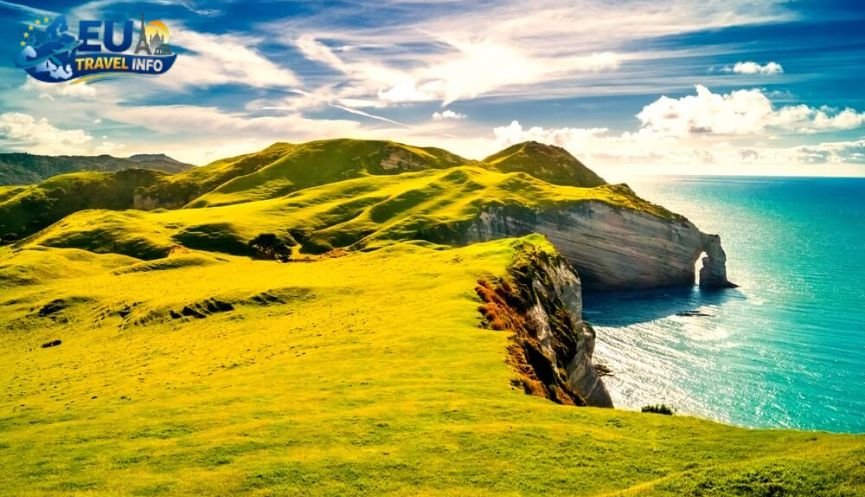
You stand on the edge of a jagged cliff. The salt spray hits your face. Emerald hills roll into the distance. This is the dream of Ireland. However, the reality of your trip depends heavily on your timing. You want the perfect balance of sunlight, fair prices, and manageable crowds. You need to know When Is the Best Time to Visit Ireland so your 2026 adventure is exactly what you imagine.
Ireland is a land of soft rain and sudden sunshine. It does not have extreme weather, but it certainly has moods. You must choose your season with care. First of all, let us look at the big picture.
The General Verdict on Timing

The best time to visit Ireland 2026 is during the shoulder seasons. These months are mid-April through May and September through October. At that time, you get the best of both worlds. The weather is mild. The crowds are thinner. Most importantly, the prices for hotels do not reach their summer peak.
Similarly, you might prefer the energy of the high season. This runs from June through early September. You will experience 18 hours of daylight in June. Imagine the sun rising at 5:00 AM and not setting until after 10:00 PM. It is incredible. On the contrary, you must deal with huge crowds in Dublin and major sites like the Cliffs of Moher.
Why 2026 Is a Special Year
You have chosen a unique year for your journey. There are specific things to keep in mind for 2026.
- Dublin Airport Passenger Cap: A limit of 32 million passengers is in place. This means flights into Dublin will sell out fast for the summer. You should consider flying into Shannon or Cork instead.
- Gaeltacht Centennial: This year marks 100 years of the Irish-speaking regions. You will find special festivals in Connemara, Donegal, and the Dingle Peninsula all year long.
- Euro 2028 Preparation: Some stadium areas might have construction as Ireland prepares for the soccer championship.
The Rainy Season in Ireland: A Reality Check
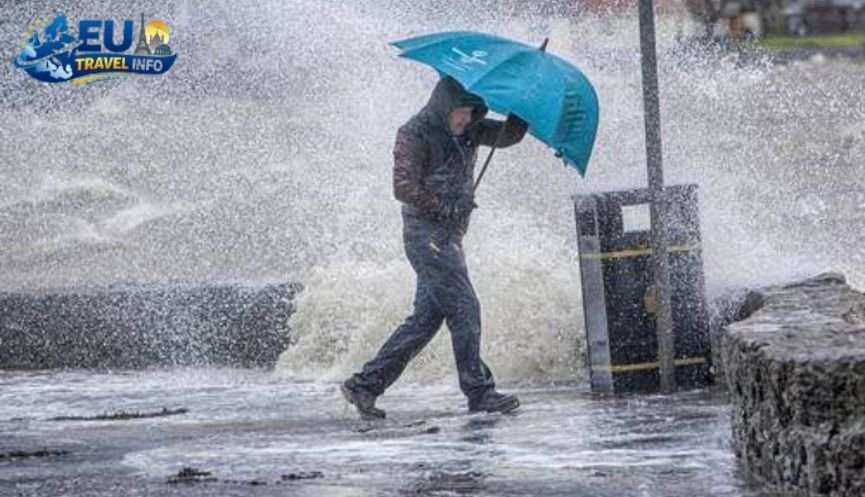
People often ask about the rainy season in Ireland. To be honest, it is almost always the rainy season. You should expect rain no matter when you go. However, some months are wetter than others. October, November, and December are statistically the rainiest months. November often takes the top spot for dampness with 100 to 120 mm of rainfall.
May is often the driest month. April is also quite dry in some years. But do not let the rain stop you. The Irish call it “liquid sunshine.” Plus, the rain is why the grass is so green.
Month-by-Month Guide: Best Weather in Ireland by Month
Let us break down the year so you can find your perfect window.
January: The Quietest Month
January is the coldest month in Ireland. Temperatures hover around 3°C to 7°C (37°F to 45°F). It is wet and windy. At that time, many rural hotels close for the season. However, this is the cheapest time to visit Ireland. You will have the pubs and the landscapes almost entirely to yourself.
- Highlight: TradFest in Dublin’s Temple Bar late in the month.
February: The First Hints of Spring
The weather remains cool and wet. Average highs are 8°C (46°F). Gradually, the days get longer. You can celebrate the new St. Brigid’s Day public holiday on February 1st. Spring flowers like snowdrops start to pop up in the meadows.
March: The Party Starts
Many travelers think this is the best time to visit Ireland march because of St. Patrick’s Day on March 17th. Cities like Dublin, Galway, and Cork become massive street parties. It is a bucket-list experience.
- The Downside: It is crowded and expensive during the holiday week.
- Weather: Expect 7°C to 10°C (45°F to 50°F) and plenty of showers.
April: The Turning Point
This is the start of the shoulder season. The countryside wakes up. Wildflowers bloom along the roads. The average rainfall is about 72 mm, making it one of the drier months. You will experience “four seasons in one day”. One minute it is sunny; the next it is hailing.
- Event: The Wander Wild Festival in Killarney (April 17–19, 2026) offers over 120 wellness events.
May: The Local Favorite
Many locals believe May is the standout month. It is statistically the driest month of the year. You get long evenings with sunsets after 9:00 PM. The Burren is spectacular with its unique flowers. Temperatures climb to a pleasant 11°C to 15°C (52°F to 59°F).
June: The Longest Days
Summer arrives on June 1st. You get up to 18 hours of daylight. This is perfect for long road trips along the Wild Atlantic Way. The temperatures are warm, averaging 14°C to 18°C (57°F to 64°F).
- Tip: June is better for families than August because the crowds are slightly smaller.
July: The Heat of Summer
July is the warmest month, with temperatures reaching 15°C to 20°C (59°F to 68°F). It is peak tourist season. Everything is open, but you must book months in advance. Additionally, this is festival season. The Galway International Arts Festival is a huge highlight.
August: The Festival Peak
August is similar to July in terms of warmth and crowds. You can enjoy the Dingle Regatta or the Rose of Tralee. Toward the end of the month, prices start to drop as kids head back to school.
- Stats: Average highs sit around 18°C (64°F).
September: The Hidden Gem
This is an underrated time to visit. The weather is often surprisingly mild and settled. The light turns golden, which is a dream for photographers. It is also the best time for whale watching off the coast.
- Food Tip: Oyster season begins. Do not miss the Galway International Oyster and Seafood Festival.
October: The Spooky Season
Halloween originated in Ireland as the festival of Samhain. You can visit the Púca Festival or see the massive parade in Derry. The leaves turn red and gold. However, the weather gets wetter and the first autumn storms arrive.
November: The Cozy Season
The crowds disappear. The days shorten dramatically. You will see the sun set by 5:00 PM. This is the worst time to go to ireland if you want to hike, but it is great for sitting by a peat fire in a pub.
- Prices: You will find some of the lowest rates of the year.
December: Magical Lights
Ireland in December is festive. You can visit Christmas markets in Galway or Belfast. The air is crisp and cold. Some hotels offer roaring fires and hearty food. It is a damp month, but the holiday spirit makes it feel warm.
The Search for the Northern Lights
Can you see the best time to visit ireland to see northern lights? Yes, but you need luck. Your best chance is in Northern Ireland or the far north coast of Donegal during the winter months. November through February offers the darkest skies. However, the weather is often cloudy, which can hide the lights. You must watch the aurora forecasts closely.
Avoiding the Worst of the Crowds
You might wonder about the worst time to visit dublin. If you hate crowds, avoid St. Patrick’s Week in March and the peak summer months of July and August. During these times, the city is packed with cruise ship passengers and students. The prices for a simple room can triple.
On top of that, winter can be difficult in Dublin if you want to see the sights. Some smaller attractions close or have very short hours. Therefore, if you want to see everything without the stress, aim for late May or September.
Practical Advice for Mature Travelers
You know that comfort matters. Here is some hard-earned advice for your trip.
- The Layering Secret: You cannot trust the forecast. Bring a high-quality rain jacket and layers of wool or fleece.
- The Penneys Trick: If you forget a warm sweater, find a Penneys store. It is a popular Irish chain with very cheap clothing. It will save your budget if the weather turns cold.
- Rent a Car, but Be Careful: Driving the narrow roads is the best way to see the “real” Ireland. However, the roads are tight and winding. Plus, they drive on the left!
- Book Your “Must-Dos” Early: If you want to visit Skellig Michael or stay in a famous castle, you must book 6 months in advance for the summer.
Statistical Summary of Ireland’s Climate
To help you plan, here is a quick look at the numbers.
| Month | Avg Temp (°C) | Avg Temp (°F) | Rain (Typical) |
| January | 5.5 | 41.9 | High |
| March | 7.1 | 44.8 | Moderate |
| May | 11.3 | 52.3 | Low |
| July | 15.5 | 59.9 | Moderate |
| September | 13.2 | 55.8 | Moderate |
| November | 7.5 | 45.5 | Very High |
Festivals to Mark on Your 2026 Calendar
If you love culture, plan your trip around these dates:
- Cork International Choral Festival: April 29 – May 3, 2026.
- Cork City Marathon: May 31, 2026.
- Cork Carnival of Science: June 6–7, 2026.
- TuneFest Dungarvan: June 18–21, 2026.
- Guinness Cork Jazz Festival: October 22–26, 2026.
Transitioning to Your Adventure
You have the data. You have the monthly breakdown. Now, you just need to pick the date that matches your heart. Do you want the 10:00 PM sunsets of June? Do you want the quiet, foggy mornings of November?
Ireland is waiting for you. It is a place where time slows down. The people are friendly. The music is soulful. No matter when you choose to go, you will find a piece of magic. Just do not forget your raincoat.
FAQ
What is the best month to go to Ireland?
The best months are May and June. You get the longest days and the best chance for dry weather. September is also a top choice because the crowds leave but the weather stays mild.
What is the cheapest month to go to Ireland?
January is the cheapest month. Flights and hotels are at rock bottom prices because it is the coldest and quietest time. November and February are also very budget-friendly.
What is the temperature of Ireland by month?
The temperatures are mild year-round. They range from an average of 5°C (41°F) in January to 15.5°C (60°F) in July. Highs in summer usually stay under 20°C (68°F).
How many days are enough for Ireland?
Most travelers find that 8 to 14 days is the perfect amount of time. This allows you to see Dublin and take a road trip around the Ring of Kerry or the Wild Atlantic Way without rushing.
Concluding words
The best time to visit Ireland 2026 is during the shoulder months of May or September. These times provide a perfect mix of mild weather, lower costs, and fewer tourists. While summer offers the most daylight for exploring, you must be ready for larger crowds and higher prices. No matter the month, Ireland’s stunning landscapes and warm culture make every trip a memorable experience.