When Is The Best Time to Visit Croatia is a question I hear all the time. You want the perfect mix of sun, sea, and manageable crowds. I have spent a lot of time wandering through the limestone streets of Dubrovnik and sailing the sapphire waters of the Adriatic. I know exactly how to time your 2026 trip so you get the most out of every moment. Croatia is a land of many faces. You will find snowy peaks in the north and sun-drenched islands in the south. The weather changes a lot depending on where you are and what month it is. Therefore, you need a plan that matches your travel style.
You might love the idea of a quiet hike through a national park. Or perhaps you want to dance on a yacht in the middle of summer. I will walk you through the entire year. I will share the secrets of the locals and the best spots to visit. Croatia is truly amazing all year round, but some months are definitely better than others for specific goals.
The Big Picture: Seasons in Croatia
First of all, you should know that the tourist season is not just one long block of time. It is divided into three main parts.
The peak season happens in July and August. This is when the weather is at its hottest. Temperatures often reach 28°C to 35°C. The sun stays up for a long time. The sea is a warm 25°C, which is perfect for swimming. However, this is also when the crowds are the biggest. You will find long lines at ferry ports. Huge cruise ships drop thousands of people into the narrow streets of Dubrovnik. Prices for hotels and boats are at their highest level during these two months.
The shoulder season includes May, June, September, and October. Many travelers think this is the absolute best time to visit Croatia. The weather is warm and pleasant. You will usually see temperatures between 23°C and 27°C. The crowds are much smaller than in the summer. Prices are lower. You can breathe a sigh of relief as you walk through the old towns.
The low season runs from November to April. It is a quiet time. The coast gets cold and wet. Many hotels and restaurants on the islands close their doors. On top of that, the ferry schedules are less frequent. Gradually, the snow starts to fall in the inland mountains. Finally, the Christmas markets bring a new kind of magic to the cities like Zagreb.
A Month-by-Month Guide to Your 2026 Trip
 January: The Quiet Escape
January is the time for people who want to avoid every single crowd. It is cold. The inland areas are often snowy. The coast is mild but windy. At that time, you will find rock-bottom prices for city hotels. You will mostly see local people in the cafes. Though it is quiet, you can still enjoy Museum Night late in the month. Hundreds of galleries and museums open for free.
February: Culture and Costumes
February remains cold, especially in central Croatia. Similarly, it is a month of celebration. You can visit the port city of Rijeka for its massive carnival. It is the largest in the country. People wear masks and costumes for a whole month. On February 3, you should be in Dubrovnik. The city celebrates the Feast of Saint Blaise. You will see processions and eat fritule, which are delicious fried doughnuts.
March: The Awakening of Nature
March is a lovely time for active travelers. The weather in Croatia by month starts to improve here. The Bura wind might blow hard, but the days get sunnier. It is a great time for cycling and hiking because the trails are empty. You should head to the Pelješac peninsula for the Festival of Oysters in mid-March. You can eat fresh shellfish and drink local wine.
April: The Start of the Adventure
Many people ask me, is April good time to visit Croatia? I say yes, but with a warning. The sea is still a bit chilly for a swim. However, the small ship cruising season begins now. It is a fantastic time for a crowd-free luxury cruise. You can visit Hvar and Korcula without the summer rush. Also, Easter brings beautiful processions to rural areas.
May: The Nature Lover’s Paradise
May is arguably the best month for nature. The landscape is blooming and green. Temperatures sit between 20°C and 25°C. Additionally, the prices are still low. You can swim by the end of the month as the water reaches about 18°C. It is the perfect time for a self-drive holiday.
June: The Warm Welcome
June brings the real heat. The sun beats down and the sea gets warmer, reaching around 22°C. First of all, this is your last chance to see the sights before the massive crowds arrive in July. It is a great month for families. You can spend long days at the beach or engage in water sports.
July and August: The Heat of the Summer
You should choose these months if you love a party atmosphere and baking sun. Temperatures stay around 28°C to 30°C, but they can spike much higher. The sea is a hot 25°C. You will find a lot of energy on the islands. On the contrary, you must be ready for crowds. Dubrovnik can feel very tight when the cruise ships are in town. You must book your hotels and boats well in advance.
September: The Golden Mean
I love Croatia in September. The sea is still warm at 23°C, but the air is a bit cooler at 24°C. The crowds start to drop away. It is the wine season, so you can visit vineyards for the harvest. Finally, the days are still sunny enough for a perfect tan.
October: The Foodie’s Dream
October is peaceful and budget-friendly. The weather is mild, with highs around 19°C. Therefore, it is the best time for food festivals. You can hunt for truffles in Istria or go to the Marunada chestnut festival in Lovran. Plus, the wine harvest is in full swing.
November: The Rainy Retreat
November is the wettest month of the year. At that time, most coastal spots are very quiet. Gradually, the focus shifts to culture in the cities. You can celebrate the Feast of Saint Martin on November 11. This is when the new wine is blessed and everyone drinks and eats roast goose.
December: The Winter Wonderland
December is all about the Christmas markets. The Advent in Zagreb is world-famous. It won the “Best Christmas Market” award three years in a row. You will see more than 25 individual markets across the city. You can drink mulled wine called Kuhano Vino and eat hearty sausages. It is a magical time to be in the capital.
Planning Your Route: Places to Visit in Croatia
You need a good croatia map in your head before you go. The country is shaped like a crescent.
Zagreb is the capital and is located inland. It is the cultural heart of the nation. You should visit the Upper Town for its history.
Plitvice Lakes National Park is a must-see. It is located between the coast and the capital. You will find 16 lakes and many waterfalls. The water is a spectacular turquoise color.
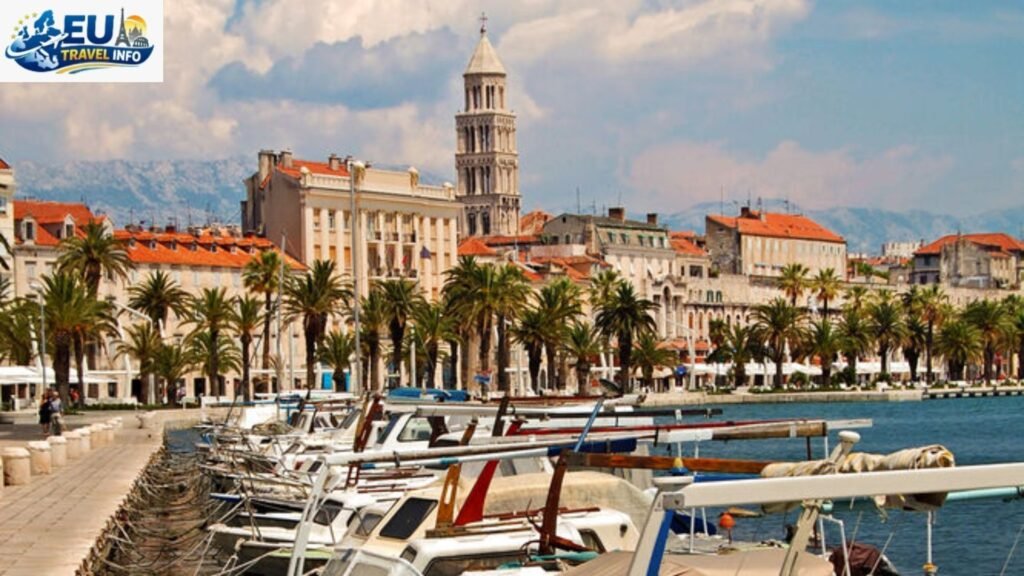
Split is a major city on the coast. It is built around a Roman palace. It is a great starting point for sailing trips.
Dubrovnik is in the far south. It is known as the Pearl of the Adriatic. Its massive stone walls are world-famous.
Istria is the peninsula in the northwest. It feels a bit like Italy. It is the place for truffles, wine, and pretty hilltop towns.
The Best Time for Sailing
If your dream is to be on a boat, you must time it right. The prime sailing window is from late May to early October. During this time, the seas are calm and the winds are predictable.
May is for those who want peace. You will see blooming landscapes. Marinas are quiet.
July and August are for the socialites. The sea is at its warmest. Marinas are full of life. You should expect to pay peak prices for charters.
September is the “best of both worlds”. The sea is still warm from the summer heat. The marinas have more space for your boat.
October is for the budget sailor. You can get big discounts on boat rentals. However, the weather is more unpredictable. You must watch out for the Bura and Jugo winds.
A Deep Dive Into Plitvice Lakes
You cannot visit Croatia without seeing Plitvice Lakes National Park. It is a UNESCO World Heritage Site. I recommend you spend at least two mornings here.
The best time to visit Plitvice is during the spring (April-May) and autumn (September-October). The waterfalls are full and the greenery is lush. Also, the crowds are much smaller than in the summer. You should avoid the park in the middle of summer if you can. The narrow wooden walkways get very crowded and frustrating.
On Day 1, you should explore the Upper Lakes. You start at Entrance 2 and take a shuttle bus to Station 3. You walk down past beautiful falls like Veliki Prštavac.
On Day 2, you should focus on the Lower Lakes. You start at Entrance 1 to see Veliki Slap. This is the tallest waterfall in Croatia at 78 meters. You can also see the Šupljara Cave, which is a cool hidden gem.
You must buy your tickets online in advance. The park limits the number of visitors each day. I suggest you arrive at the gates by 7:00 AM or 8:00 AM to beat the tour buses.
Combining Your Trip with Neighbors
Many people ask about the best time to visit croatia and greece or the best time to visit croatia and slovenia.
If you want to see Greece and Croatia together, I suggest June or September. Both countries are very hot in July and August. In June and September, you get great beach weather in both places without the extreme heat.
If you are looking at Slovenia, May and June are perfect. You can hike in the Julian Alps of Slovenia and then head down to the Croatian coast for the start of the summer. Both countries are green and beautiful at that time.
Finding the Cheapest Time to Visit
Travel can be expensive. You might want to know the cheapest time to visit croatia.
The lowest prices are found in January and February. However, you will not be able to swim or visit many islands.
If you want a mix of good weather and low cost, October and May are your best bets. Chartering a boat in October can be significantly cheaper than in August. Hotels in the shoulder season are often 30% to 50% cheaper than in the peak of summer.
Gradually, the prices rise as you get closer to July. Finally, they drop again in mid-September.
Essential Tips for Your Trip
You should pack comfortable shoes. You will walk on a lot of cobblestones and wooden paths.
You should carry a reusable water bottle. The water is safe to drink.
You should learn a few basic words like Hvala (Thank you). The locals will appreciate your effort.
You should always check the wind forecast if you are on a boat. The Bura can be very strong and sudden.
You should try the local food. Every region has something special. In the north, try the Štukli pastry. On the coast, eat as much fresh fish as possible.
FAQ
Which month is best to visit Croatia?
I believe September is the best overall month. The sea is still warm enough for swimming. The extreme summer heat has faded. Most importantly, the huge crowds have gone home. You get all the benefits of the summer with much more breathing room.
What is the cheapest month to visit Croatia?
January is the cheapest month. Flight and hotel prices are at their lowest levels because it is the middle of winter. If you want to visit when it is still warm, October offers the best value for your money.
What part of Croatia is the most beautiful?
This is a hard choice, but Dalmatia is often considered the most beautiful. It has the famous walled city of Dubrovnik, the historic palace in Split, and hundreds of stunning islands like Hvar and Vis. However, the waterfalls of Plitvice Lakes are a strong rival for the top spot.
What is the average temperature in Croatia by month?
The temperatures vary between the coast and inland. On average, you will see these highs:
- January: 7°C
- February: 9°C
- March: 12°C
- April: 16°C
- May: 21°C
- June: 25°C
- July: 28°C
- August: 28°C
- September: 24°C
- October: 19°C
- November: 13°C
- December: 8°C.
Concluding Words
Croatia is a gem that offers something special every month of the year. You should choose the summer for sun and parties, the shoulder season for the best balance of weather and crowds, or the winter for cultural festivals and quiet cities. I hope this guide helps you plan your dream trip for 2026. Croatia is waiting for you with open arms and clear blue water.