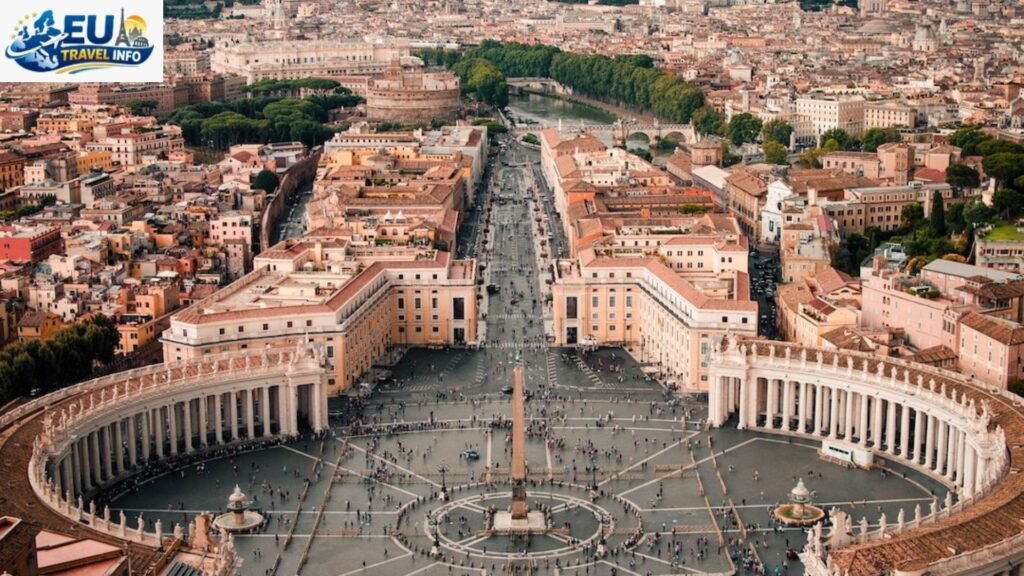
You stand in the middle of a cobblestone street. The sun warms your face. You smell fresh pasta and ancient stone. You are in Rome. Planning a trip to the Eternal City is a dream for many travelers like you who love history and culture.
However, the timing of your journey changes everything. The city you see in the cold of January is not the same city you find in the heat of July. You need to know When Is the Best Time to Visit Rome to make your adventure perfect. This 2026 Guide will help you choose the right moment for your visit.
Strategic Timing for the Mature Traveler
You might think Rome is great any day of the year. That is true. However, the experience shifts as the calendar turns. One month offers empty museums. Another month brings long lines and a brutal sun. You must balance what matters to you. Is it the price? Is it the weather? Is it the food? In 2026, certain dates like Easter (April 5) will bring huge crowds. You need a plan.
Rome rewards the traveler who pays attention to the clock and the calendar. The best time to visit Rome is generally April, May, late September, and October. These months offer the best mix of mild weather and manageable crowds. You can walk for hours without feeling too hot or too cold. Additionally, the city is heading into a busy Jubilee year in 2026, so the desire to get away from the crowds will increase.
Best Time to Visit Rome 2026: The Gold Standard
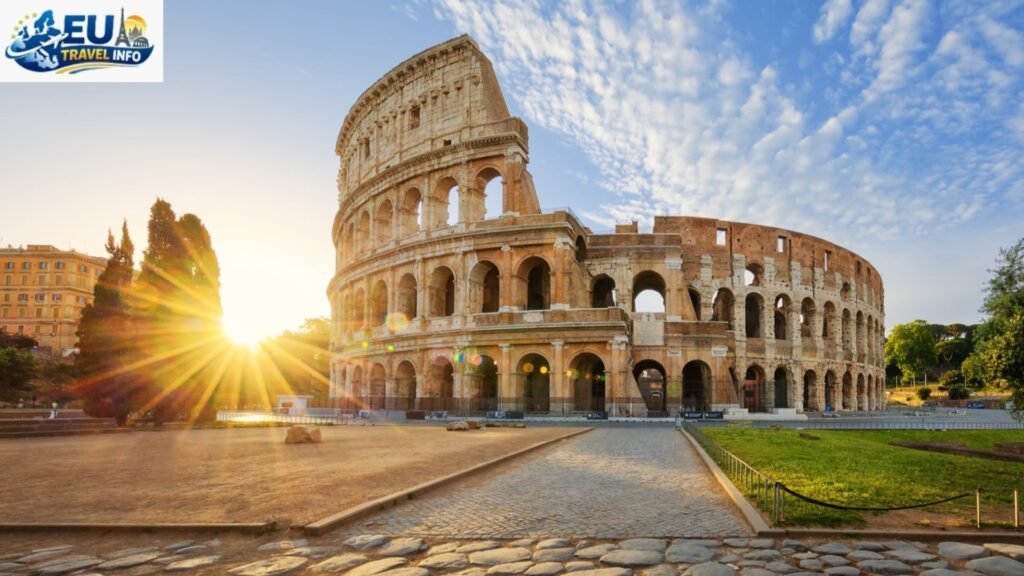 May 2026 stands as the optimal month for your visit. It combines excellent weather with an average of 22°C (72°F) and minimal rain. The crowds are manageable after the Easter pilgrims depart. You will see spring flowers throughout villa gardens. Pricing is moderate before summer premiums begin. The month offers more than 14 hours of daylight. This enables a full schedule for you. You can walk extensively without the risk of heat exhaustion.
September rivals May for the title of best month. It is warm but bearable with highs around 26°C (79°F). You will find reduced crowds as families return to school. The month marks the start of the harvest season. This creates excellent dining experiences with fresh seasonal ingredients like porcini mushrooms and early truffles. Similarly, October provides a cooler alternative with an average of 19°C (66°F). Hotel rates remain moderate while the weather stays reliably dry.
Is October a Good Time to Visit Rome?
You will often hear travelers ask, is october a good time to visit rome? The answer is a loud yes. It is arguably the best month of all for many. The “golden hour” light is perfect for your pictures of ancient ruins. Professional photographers consider October the best time for architectural shots because the lower sun produces warm tones.
On top of that, the food is incredible. Truffles, chestnuts, and porcini mushrooms dominate the menus. The crowds begin to thin out significantly. You can walk into some galleries with only a few days of notice. The visitor count drops to between 35,000 and 40,000 daily. This allows you to have a deeper engagement with the sites. You can enjoy a relaxed exploration that is impossible in the summer.
Is March a Good Time to Visit Rome?
You might also wonder, is march a good time to visit rome? March is early spring and a wonderful time to go. Trees begin to bud. The city feels optimistic. The average high is 15.9 °C (60.6 °F). You will see a gradual increase in visitors, but it is not overwhelming yet.
First of all, you should pack layers for a March trip. The mornings are crisp. Later, the afternoons become mild. You get about 6 hours of sunshine daily. Additionally, the Rome Marathon occurs on March 30, 2026. This brings over 20,000 runners to the streets. It creates some crowd complications. However, it provides a unique chance to see a mass sports event among UNESCO heritage sites.
Is April a Good Time to Visit Rome?
April offers beautiful spring conditions. Gardens come alive with wisteria and roses. However, you must account for Easter Sunday on April 5, 2026. During Holy Week from March 29 to April 5, the city is packed. You might see 70,000 to 80,000 daily visitors in the center.
Therefore, you should avoid the first week of April unless you are there for religious reasons. At that time, hotel rates surge 40% to 50%. Wait until late April instead. The crowds depart. The weather is ideal with highs of 18.8 °C (65.8 °F). You can also celebrate Natale di Roma (Rome’s Birthday) on April 21. This features historical parades and special museum openings without the extreme crowds of Easter.
Is February a Good Time to Visit Rome?
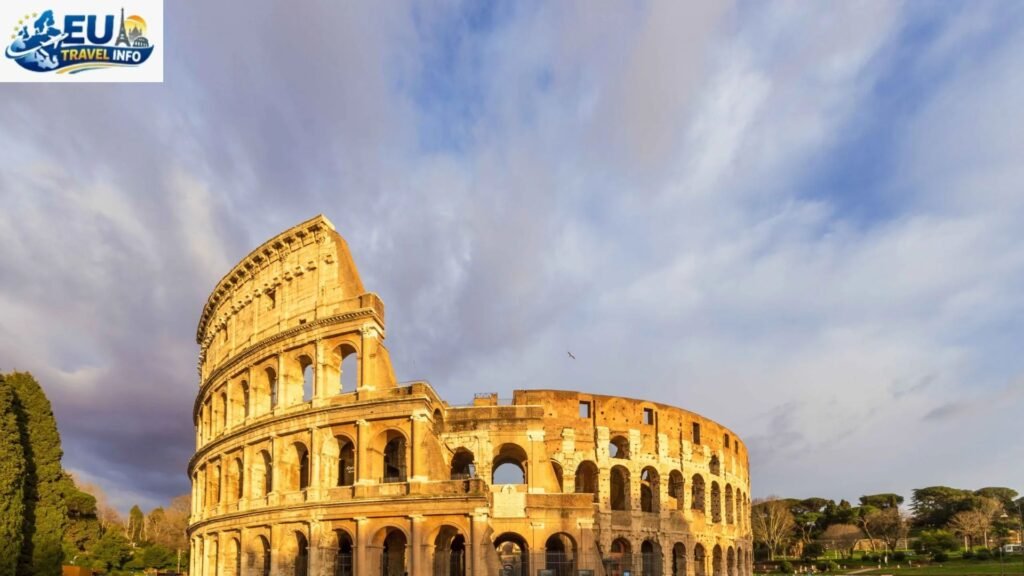
If you seek value, you should ask, is february a good time to visit rome? February is a transitional month where winter value meets improving weather. Temperatures begin to climb toward spring levels. You will see an average of 9°C (48°F) with many mild 14-16°C (57-61°F) days.
Crowds remain minimal. You can walk into restaurants easily. You can photograph ancient sites without hundreds of tourists in the frame. Carnival celebrations occur from February 14 to 17, 2026. This brings colorful parades to districts like Trastevere and Piazza Navona. Also, February is the peak time for traditional Roman artichokes (carciofi). You can enjoy them at their best quality in the markets and restaurants.
The Cheapest Time to Visit Rome
The cheapest time to visit rome is definitely January and February. During these months, hotel rates can be 30% to 40% lower than in the summer. January delivers the absolute lowest prices. You will find minimal crowds. This creates nearly private museum experiences for you. You can walk directly into the Borghese Gallery without weeks of advance planning.
Though it is cold, it rarely freezes in Rome. The average high is 12°C (54°F). You might face some rain on 7 or 8 days of the month. However, you will have the Trevi Fountain almost to yourself at sunrise. You can enjoy winter comfort food like oxtail stew and pasta with chickpeas. This period is perfect for budget-conscious travelers who prioritize heritage over warm weather.
Summer in Rome: A Test of Endurance
Summer in Rome is lively but challenging. From June to August, the days are long. The nights are vibrant. However, you must be ready for the heat. June is a transition month with highs of 27.1 °C (80.8 °F). The Estate Romana festival begins now. It offers outdoor concerts and cinema.
July and August are the most difficult months for tourists. Temperatures often exceed 33 °C (92 °F). Some heat waves push the mercury past 40 °C (104 °F). August represents the worst time to visit rome for many. You will face brutal heat and maximum international crowds. Around August 15 (Ferragosto), many locals leave for the beach. Many authentic small shops and restaurants will close.
Best Time to Visit Rome and Venice
If you are planning a larger tour, you should consider the best time to visit rome and venice. Rome has a milder winter than northern cities like Venice or Florence. These northern cities can get very cold and foggy in the winter.
For Venice, spring and fall are best. This helps you avoid the smell of the canals in summer heat. It also avoids the “high water” flooding of late autumn. Therefore, if you visit in May or September, you will find a great balance across both cities. These months offer the best walking weather for art lovers in both locations.
Finding Peace in Local Neighborhoods
Rome’s city center has the highest concentration of landmarks. Therefore, it is also the busiest part of the city. To escape the worst of the crowds, you should visit residential neighborhoods. These areas offer a real, authentic Roman atmosphere.
- Trieste Salario: This is a green, leafy area about a 20-minute bus ride from Piazza Venezia. It is upscale and residential. You can see the unique Quartiere Coppedè district here.
- Monteverde: This neighborhood sits beside Trastevere. It has a local, authentic feel with tremendous charm. You can visit Villa Doria Pamphili, which is one of the biggest and most beautiful parks in Rome.
- Garbatella: This area has small houses and common gardens. It embodies Rome as locals remember it from the past. You will find good earthy food at normal prices here.
- Aventino: This is a stunning, quiet neighborhood on Aventine Hill. You can find beautiful views from the Orange Garden and the Aventine Keyhole.
- Prati: This is a large, residential neighborhood near the Vatican. It has beautiful architecture and high-quality restaurants.
Seasonal Eating: A Roman Tradition
Eating seasonal in Rome is not just about vegetables. It is about festivals and traditions. Certain dishes are only available in specific periods.
- Spring: You must look for artichokes (carciofi). They are round and purple. You can have them fried Jewish-style or stewed with herbs. You will also find fresh fava beans with pecorino cheese.
- Summer: Focus on refreshing plates. Try prosciutto with melon. Chicken stewed with bell peppers is a classic summer treat.
- Autumn: This is the time for mushrooms, truffles, and chestnuts. You can find these on many menus in September and October.
- Winter: Enjoy heavy, warm dishes. Oxtail stew and pasta with chickpeas are local favorites. Salt cod (baccalà) is often eaten on Fridays.
Practical Advice for Your 2026 Trip
You want a trip that is comfortable. Rome can be tough on the feet. The city is full of cobblestones. These are hard to walk on. You must wear sturdy, comfortable walking shoes. Do not worry about fashion. Additionally, you should consider a golf cart tour to see sites without walking miles.
You must book tickets for the Vatican and Colosseum online in advance. Do not wait until you arrive. The lines can be three hours long. For a May or October trip, you should book your hotel at least 60 to 90 days in advance. For summer, book 90 to 120 days ahead for the best selection.
Finally, you should stay hydrated. Use the free nasoni fountains around the city. There are over 2,500 of these fountains providing fresh water. This is an easy way to save money and stay healthy during your exploration.
FAQ
What is the cheapest month to visit Rome?
January is the cheapest month to visit Rome. Hotel rates are often 30% to 40% lower than during the summer peak. You will also find the fewest crowds at major attractions.
Which season of Rome is the best?
The shoulder seasons of Spring (March to May) and Fall (September to October) are considered the best. These months provide the most comfortable weather and manageable crowd levels for sightseeing.
What is the coldest month in Rome?
January is generally the coldest month in Rome. The average temperature is about 8°C (46°F), though it can reach 12-15°C (54-59°F) on sunny afternoons.
Is it warm in Rome?
Yes, Rome enjoys a Mediterranean climate with more than 280 sunny days every year. Summers are very hot, often exceeding 35°C (95°F), while winters remain mild compared to northern Europe.
Concluding Words
Planning your visit to Rome in 2026 requires a balance of weather, cost, and crowd tolerance. You will find the best time to visit Rome is during the shoulder months of May and October for perfect conditions. If you want to save money, the winter months of January and February offer the best value. You should avoid mid-August and Easter week if you want to escape extreme heat and massive crowds. With the right timing, your journey to the Eternal City will be an exceptional experience.