
You want to stand under the warm Mediterranean sun. You want to feel the history of ancient streets beneath your feet. You are ready to experience the magic of the Iberian Peninsula. However, you need to know the right time to pack your bags. This guide will show you What Is the Best Time to Visit Spain in 2026. You will learn about the weather, the festivals, and the secret budget hacks.
The Perfect Season for Your Soul
The shoulder season is the sweet spot for your journey. This period includes the months of April to June and September to October. During these times, the crowds are thin and the prices drop. The sun still shines bright, but it does not scorch the earth. You will find that the vibe is authentic and local.
Seville in the spring is a dream for your senses. The scent of orange blossoms fills the air. You can explore the Alcázar without standing in long queues. Additionally, you can enjoy tapas in shaded courtyards or catch a flamenco show in the Triana district. Later, in the autumn, the golden light turns the city into a paradise for your camera.
Mild temperatures make these months ideal for sightseeing on foot. You will have more space on the sand in places like San Sebastián. It is easier to book a table at a Michelin-starred restaurant in May or late September. On top of that, you avoid the summer humidity in Valencia while still enjoying sunny skies.
The Cheapest Time to Visit Spain
 You might want to save your hard-earned money. If so, you should look at the off-season. The cheapest time to visit Spain falls between late autumn and early spring. Business owners compete for fewer visitors, so they lower their rates.
January and February are the absolute cheapest months. You can find flights from €35 to €80. In contrast, summer flights often cost more than €200. Hotels are 40% to 60% cheaper during this post-holiday lull. Similarly, November to mid-December offers excellent deals before the Christmas rush.
Transportation costs plummet in the winter. Budget airlines like Ryanair and Vueling slash prices to fill seats. Roundtrip flights from major cities like London or Paris can drop to €35-70. Plus, train travel within the country becomes more affordable. You can find advance booking discounts more easily when fewer people are traveling.
Is March a Good Time to Visit Spain?
You may wonder, is march a good time to visit spain? The answer is a loud yes. This month is a bridge between winter and spring. It offers unique cultural experiences that you cannot find at any other time.
Las Fallas in Valencia is a must-see event from March 1 to March 19, 2026. The city transforms into an open-air museum of fire and art. You will see gigantic sculptures called fallas that can reach over 20 meters in height. Some of these cost hundreds of thousands of euros to create.
Every day at 2:00 PM, you can experience the mascletà in Plaza del Ayuntamiento. This is a rhythmical explosion of sound and firecrackers. It is not a traditional fireworks show; it is a performance of rhythm and intensity. Finally, on March 19, the city celebrates the Cremà. All the sculptures are set on fire in a spectacular farewell to the festival.
March temperatures in Valencia are mild, ranging from 15°C to 22°C. The daylight hours grow longer. The atmosphere is lively throughout the city. Therefore, March is perfect if you want to see Spain at its most vibrant and explosive.
The Grandeur of Easter 2026
Easter Sunday falls on April 5, 2026. This day crowns the Holy Week, known as Semana Santa. Roughly 750,000 spectators flock to cities like Seville, Málaga, and Granada. Seville is the unrivaled center of this celebration. It features up to 100 brotherhoods and 60 processions.
You will see massive floats called pasos sway through narrow streets. In Málaga, you can witness the “Morning of the Legion” march on Good Friday. This event combines military precision with raw devotion. You might hear saetas, which are spontaneous flamenco cries sung to religious statues from balconies.
First of all, you must book your trains and rooms months in advance. Accommodations in Seville and Málaga book up fast. Prices for hotels like Hotel Alfonso XIII can range from €450 to €650 during this peak time. However, you can find more budget-friendly options in Valladolid for €180 to €250.
You should arrive at the procession venues early. In Seville, try to reach the main area by 7:00 PM. In Málaga, arrive by 6:00 PM to grab a good spot on the curb. You should also wear comfy shoes to navigate the cobblestone streets. On top of that, dress modestly to honor the sacred atmosphere.
Summer Realities: The Heat and the Crowds
July and August are the peak summer months. These are often considered the worst time to visit spain if you hate heat and high prices. Seville in the summer is literally sizzling. The intense heat makes sightseeing difficult during the day.
Hotel rates in major cities like Barcelona can be €200+ per night. In the winter, those same rooms might cost only €60 to €90. Major attractions have long queues. You will find that many locals leave the cities for their own vacations.
However, this is the best time to visit spain beaches if you love to swim. The water temperatures are perfect for a dip. You will find a lively atmosphere in coastal resorts. Similarly, the northern regions like San Sebastián are more pleasant because they are cooler than the south.
Best Time to Visit Spain Barcelona
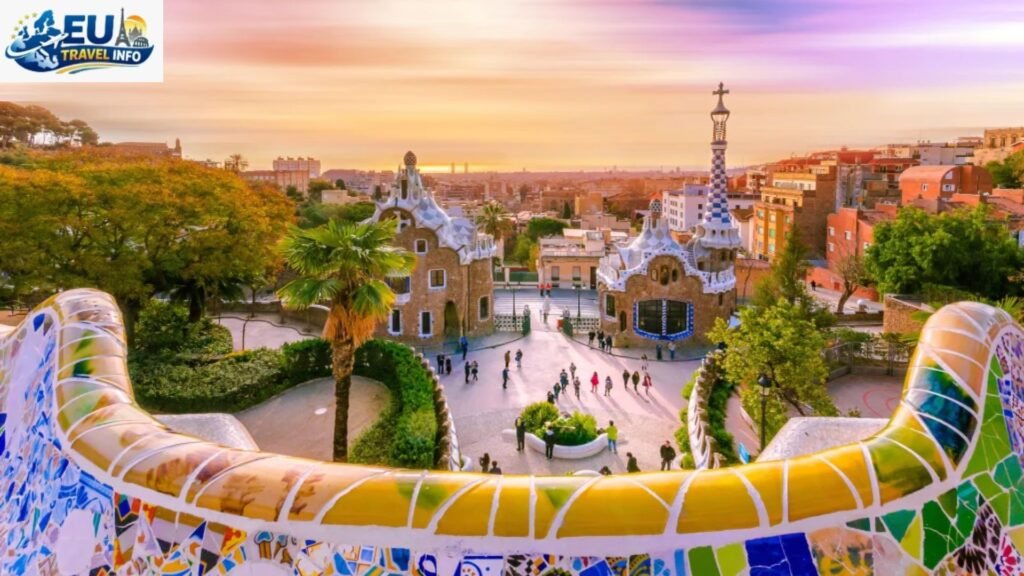
Barcelona is a gem that you can enjoy year-round. But what is the best time to visit spain barcelona? You should aim for the shoulder seasons of May, June, or September. The weather is warm enough for the beach but cool enough for a walk through Park Güell.
Winter in Barcelona is also a great choice if you want to avoid crowds. You can have famous sites like the Sagrada Familia practically to yourself. You will save a lot of money on hotels. Though the water is too cold for swimming, the city remains vibrant with its many tapas bars and museums.
Wine and Harvest in the Autumn
If you love wine, you should visit La Rioja in September or October. This is the grape harvest season, also known as vendimia. The region is vibrant and festive. You can visit world-famous wineries like Marqués de Riscal or Bodegas Muga.
Spring is also a wonderful time for a wine tour. The vines are budding and there are fewer tourists. You can take a day trip from Bilbao or San Sebastián. A full day of exploration will give you a deep look into the winemaking tradition. You should limit yourself to two or three wineries per day to avoid fatigue. Additionally, you should book your tours in advance.
Skiing in the South
You might not think of skiing when you think of Spain. But Granada offers a unique experience. The Sierra Nevada ski season runs from late November to early May. It is one of the rare places where you can ski in the morning and sit on a beach in the afternoon.
The mid-season from January to March has the most reliable snow. The resort has high altitude and great snowmaking machines. You can stay in the Lecrín Valley at a place like La Esperanza Granada. You can relax by a fireplace after a day on the slopes. Later, you can drive just 40 minutes to enjoy tapas in the city of Granada.
Cross-Border Adventures
Many travelers ask about the best time to visit spain, portugal and morocco. You should plan this trip for the spring or autumn. These regions share similar climate patterns. You will avoid the blistering heat of the Moroccan desert and the crowded beaches of the Portuguese Algarve.
What is the best time to visit spain and portugal? Again, the shoulder season is your best friend. You will find that both countries are more affordable and less crowded in May or October. Similarly, if you are looking for the best time to visit spain and italy, these same months offer the best balance of weather and price for Mediterranean exploration.
A 6-Day Easter Itinerary for You
If you decide to visit for the 2026 Holy Week, here is a plan for you:
- Day 1 (March 29): Arrive in Seville. Explore the Santa Cruz district. Watch the first procession of the week.
- Day 2 (April 1): Visit the Royal Alcázar in the morning to avoid crowds. Walk in Maria Luisa Park.
- Day 3 (April 2): See Plaza de España. Attend the La Madrugá procession at night. This is the most powerful night of the event. Listen to the flamenco-style religious songs.
- Day 4 (April 3): Explore Casa de Pilatos. Walk along the Guadalquivir River. Attend the quiet El Silencio procession at midnight.
- Day 5 (April 4): Take a two-hour train to Málaga. Visit the Picasso Museum and Malagueta Beach. See the powerful “Cristo de Mena” procession.
- Day 6 (April 5): Attend Easter Mass at the Seville Cathedral. Shop for local crafts and souvenirs in the afternoon.
Practical Tips for Your Trip
You should book your flights and hotels 6 to 8 weeks in advance. This is true even during the cheap months. Use price comparison sites to find the best deals. Departures on Tuesday or Wednesday often cost less than weekend flights.
Winter days are shorter. The sun sets around 6:00 PM in January. You should plan indoor activities like museums for the late afternoon. However, the weather in the south stays mild. You can still enjoy outdoor strolls in Andalusia or the Canary Islands.
Pack layers of clothing. You will need a warm jacket and an umbrella for the north or central regions. Madrid can get chilly, with temperatures between 5°C and 15°C. On the contrary, the south will feel much warmer. Wear comfortable walking shoes because you will cover a lot of ground.
Final Thoughts on Your Journey
Spain is a country that draws you back again and again. Each visit reveals a new layer of culture or a new region to love. Traveling in the shoulder season allows you to savor a slower pace. You will have the space to connect with the people and the landscape.
You will find that the days are warm but never stifling. The crowds are manageable. You can truly immerse yourself in the local way of life. Whether you are sipping wine in Rioja, skiing in Sierra Nevada, or watching the giants burn in Valencia, your 2026 trip will be unforgettable.
FAQ
What is the best month to travel to Spain?
May, June, and September are generally considered the best months. You get the perfect mix of warm weather and manageable crowds.
What is the 97 rule in Spain?
information regarding a “97 rule” is not found in the provided sources. You may want to independently verify if this refers to a specific local regulation or perhaps a misunderstanding of the 90-day Schengen rule.
Which is the cheapest month to go to Spain?
January is the cheapest month. You will find the lowest prices for flights and hotels right after the New Year holiday.
What is the rainiest month in Spain?
The rainy season typically peaks in November and December. Northern regions see more rain than the south.
Concluding Words
The best time to visit Spain in 2026 depends on your goals. You should choose January or February for the lowest prices and fewer crowds. You should aim for March or April to witness spectacular festivals like Las Fallas and Easter. Finally, the shoulder seasons of spring and autumn offer the most pleasant weather for exploring cities and beaches across the entire country.