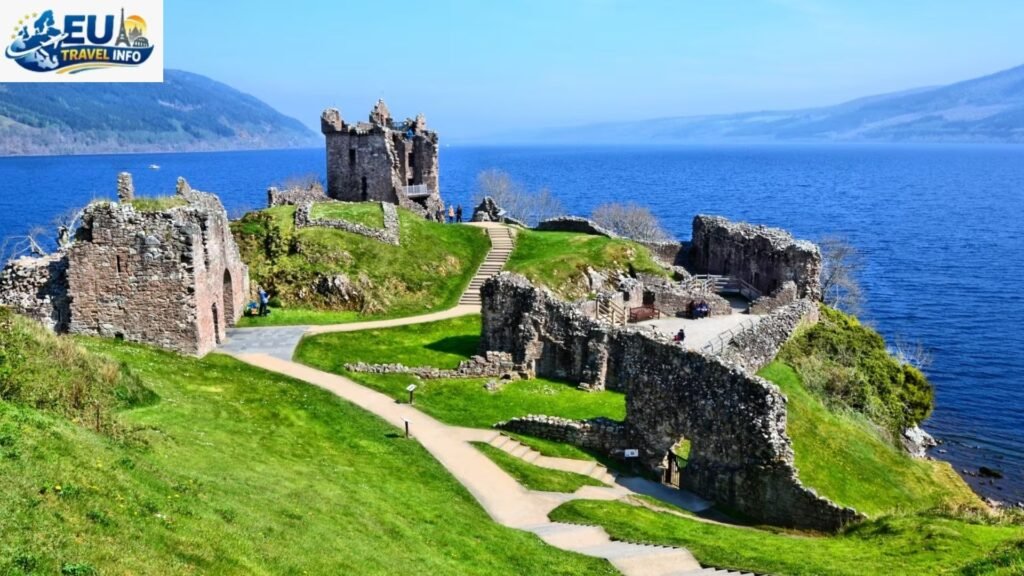
You stand on a rugged cliffside. The wind whisks through your hair. Below you, the deep blue water of a loch sparkles under a soft sun. You feel the history of the ancient stones beneath your boots. Scotland is a land of dreams for every traveler who loves a good story and a beautiful view. However, you must pick the right moment to arrive. If you choose poorly, you might face heavy rain or tiny biting bugs. This guide helps you find the perfect window for your 2026 trip.
The Golden Question: What Is the Best Time to Visit Scotland?
First of all, you should know that the answer depends on what you want to see. Most people agree that late March to May and September to November are the top choices. These months are the “shoulder seasons.” During these times, the weather is often mild, and the massive groups of tourists are much smaller.
May is a personal favorite for many locals and frequent visitors. It sits right on the edge of the busy season. You get temperate weather without the massive summer crowds. Additionally, the countryside turns into a beautiful quilt of colors as wildflowers and rhododendrons start to bloom. On top of that, the days are very long. You have extra hours to see the wild Highland landscapes because the sun stays up late. In central Scotland, you might enjoy 17 and a half hours of daylight by the end of June.
How to Avoid the Worst Time to Visit Scotland
You might wonder about the worst time to visit Scotland. For some, this is the deep winter. January and February are the coldest months. In January, the air is bitterly cold. The east side of the country feels an icy wind from the coast. Temperatures in Edinburgh during January often hover around 43°F (6°C), but they can drop to freezing. Much of the land sits under a blanket of snow.
Similarly, the high summer can be a struggle. July and August are the warmest, with average temperatures around 66°F (19°C). However, these are also the months when schools are out. Everything is very busy. Prices for hotels and flights reach their highest levels. You will find that the worst time to visit scotland is whenever your personal deal-breakers occur. If you hate crowds and high prices, avoid August. If you hate the dark and the cold, avoid January.
Finding the Best Time to Visit Scotland to Avoid Crowds
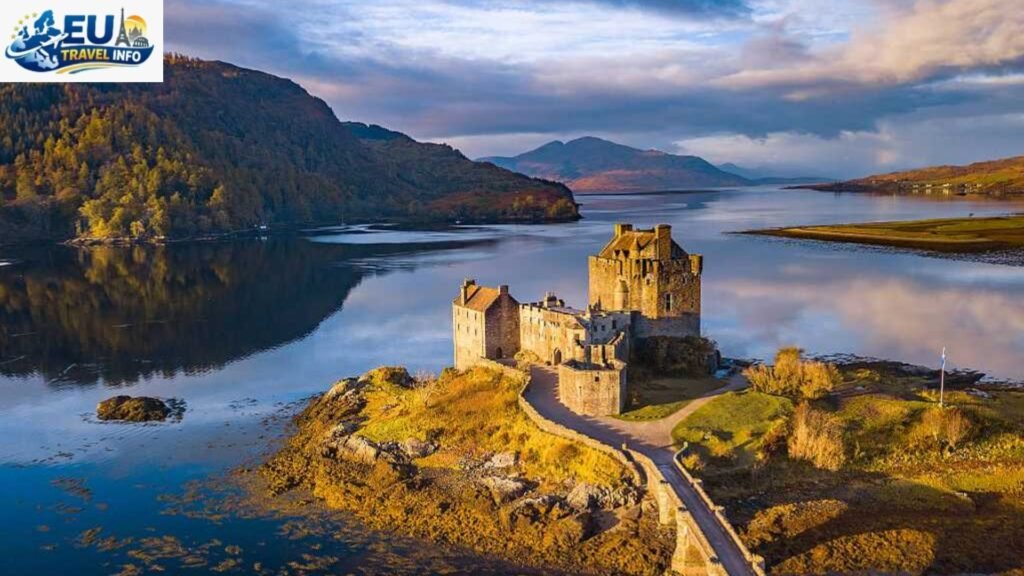 Peace and quiet are important for a mature traveler. You want to see the sites without a sea of selfie sticks. The best time to visit scotland to avoid crowds is during the spring or late autumn.
April and May are excellent choices. In April, the southern part of the country starts to feel like spring. Edinburgh is actually at its driest in April. You can walk the Royal Mile without bumping into thousands of people. Later, in September and October, the summer rush dies down. The kids go back to school. The paths become quiet again.
Gradually, the crowds disappear completely by late October. You can visit famous places like Edinburgh Castle or the Isle of Skye at a slow pace. You will feel a deeper connection to the local culture when the streets are not packed.
The Battle with the Bugs: Best Time to Go to Scotland to Avoid Midges
You must prepare for the midges. These are tiny flying insects that bite. They are not dangerous, but they are very annoying. They love damp, marshy areas and still air. The best time to go to scotland to avoid midges is definitely outside of the summer months.
Midges usually appear in June and stay until the end of September. They are most active at dawn and dusk. If you want to be safe, the best time to visit scottish highlands to avoid midges is in the spring (March to May) or the autumn (October).
Therefore, if you plan a hiking trip on the West Highland Way, aim for May or September. However, the west of Scotland is much worse for midges than the east. Wind is your best friend. A breeze of just 8 km/h (5 mph) is enough to blow them away. If you do go in the summer, buy a local repellent like Smidge or a midge net to wear over your head.
Winter Magic: Best Time to Visit Scotland in Winter
Scotland in the winter is not for everyone, but it has a special charm. The best time to visit scotland in winter is in December. This month is often relatively dry and can have crisp, clear, sunny days. You will see spectacular winter scenes and enjoy roaring log fires in cozy pubs.
At that time, you can experience Hogmanay, which is the Scottish New Year festival. It is famous for live music, fireworks, and fire dancers. You could also visit in late January for Burns Night on the 25th. This is a celebration of the poet Robert Burns. You can eat haggis, drink whisky, and listen to poetry.
Plus, winter is the cheapest time to go. Between November and March, hotel rates are at their lowest. You must accept the trade-off of short days. In December, the sun sets very early, giving you only about 6.5 to 7 hours of light.
Autumn Colors: Best Time to Visit Scotland in Autumn
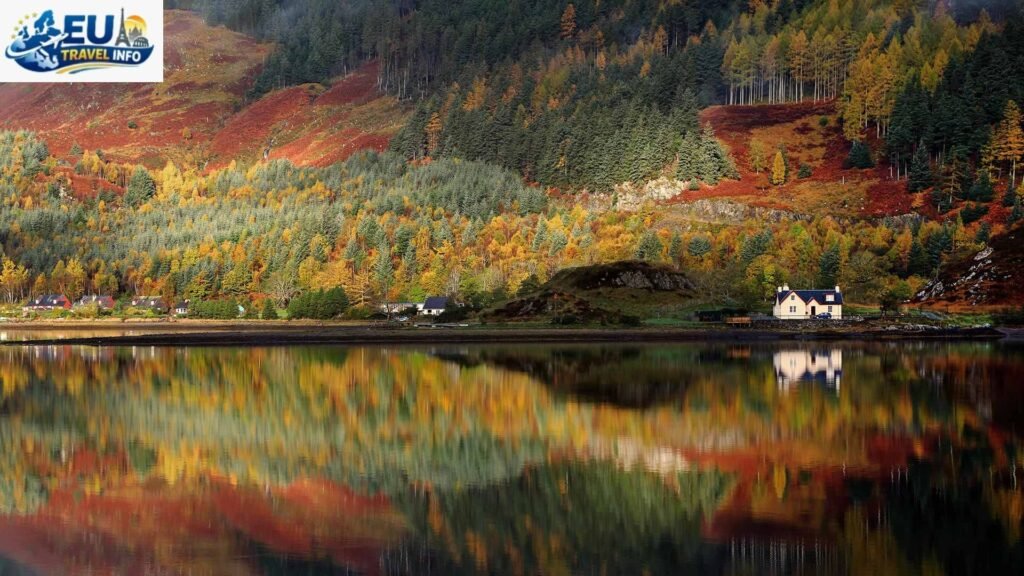
The best time to visit scotland in autumn is October. The vibrant foliage reaches its glorious peak toward the end of the month. The air is cool and usually drier than in September.
Gradually, the landscape turns into shades of gold, orange, and red. It is the perfect time for photography. Finally, the Northern Lights become more visible as the nights get longer and darker. You should look for them between September and March. Places like Loch Lomond or Rannoch Moor offer dark skies away from city lights.
City Life: Best Time to Visit Scotland Edinburgh
Edinburgh is a city of festivals. The best time to visit scotland edinburgh depends on your love for the arts. If you want the world’s largest arts festival, you must go in August for the Edinburgh Festival Fringe. The city is electric. You can see comedy, dance, and theater on every corner.
On the contrary, August is the most expensive and crowded time for the city. If you want a calmer trip, choose April. As mentioned before, it is the driest month for Edinburgh. You can enjoy the views from Calton Hill or Arthur’s Seat without the rain.
Highland Adventures: Best Month to Visit Scotland Highlands
The Highlands are the heart of the country. Many travelers ask for the best month to visit scotland highlands. May is often the winner. The snow is mostly gone from all but the highest peaks. Wildflowers are everywhere.
Additionally, September is a great month for the Highlands because of the Highland Games. The most famous one, the Braemar Gathering, happens in September. You can see heavy athletic events like tossing the caber and listen to bagpipes. Though September is the wettest month in Scotland, the cultural experience is worth a little rain. Fort William can receive up to 11 or 12 inches of rain in the autumn months.
Statistical Data for Your Trip Planning
You should look at the numbers before you book your flight. Here is a look at the average high temperatures and rainfall for key spots in Scotland:
| City/Region | May (Temp/Rain) | Aug (Temp/Rain) | Oct (Temp/Rain) | Jan (Temp/Rain) |
| Edinburgh | 59°F / 2″ | 66°F / 3″ | 55°F / 3″ | 43°F / 2″ |
| Fort William | 55°F / 5″ | 61°F / 7″ | 52°F / 12″ | 39°F / 12″ |
| Inverness | 57°F / 2″ | 66°F / 3″ | 54°F / 3″ | 41°F / 3″ |
| Isle of Skye | 55°F / 4″ | 61°F / 6″ | 52°F / 10″ | 43°F / 8″ |
First of all, notice how much wetter the west (Fort William and Skye) is compared to the east (Edinburgh and Inverness). Later, you will see that August is warm but often rainier than May.
Planning for 2026: Costs and Value
You want to make the most of your budget. The cheapest period is definitely November to March, excluding the Christmas holidays. You will find the lowest hotel rates and discounted flights.
However, the shoulder seasons (April-May and September-October) offer the best value. You get better weather than winter but lower prices than the peak summer months. On top of that, there is more availability for the best hotels and tours. You might actually be able to book that castle hotel you have always wanted.
Final Tips for Your Adventure
You must pack layers. The weather in Scotland changes fast. One minute it is sunny, and the next it is pouring rain. Therefore, bring a good waterproof jacket and sturdy shoes.
Also, keep an eye on the midge forecast if you travel between June and September. Use the local maps to see where the bugs are thickest. If you want to see the Northern Lights, download an app like AuroraWatch UK to track solar activity.
Scotland is ready for you in 2026. Whether you want the fire of a winter festival or the purple heather of the autumn hills, you will find a land that stays in your heart forever.
Frequently Asked Questions
What is the cheapest time to go to Scotland?
The cheapest time is during the off-peak winter months from November to March. During this window, you will find the lowest prices for hotels and flights. Just remember to avoid the weeks around Christmas and New Year when prices spike again.
What time of year to visit Scotland to avoid midges?
You should visit in the spring (late March to May) or the late autumn (October to November) to avoid midges. These pests are mostly active from June to September. They do not like the cold or the wind, so winter is also a bug-free time.
What is the prettiest place in Scotland to visit?
Beauty is everywhere, but the Isle of Skye and the Highlands are world-famous for their landscapes. Loch Lomond and Glencoe also offer breathtaking views of mountains and water. In the autumn, the forests near Pitlochry are stunning with their changing leaves.
Is Scotland very rainy?
Yes, Scotland can be quite wet, especially on the west coast. September is often the wettest month overall. Places like Fort William can get 12 inches of rain in a single month during the winter or autumn. However, the east coast, including Edinburgh, is much drier and receives only about 2 to 3 inches of rain per month.
Concluding Words
The best time to visit Scotland in 2026 depends on your priorities. For the best weather and fewer bugs, aim for May or June. If you want to see the famous festivals and enjoy warm days, choose August. For budget travelers, the winter months of November to March offer the best deals, while the shoulder seasons of spring and autumn provide the perfect balance of price, weather, and quiet.