You stand in the middle of a cobblestone street. The air smells like fresh espresso and ancient stone. You have dreamed of this moment for years. Now, you are finally ready to plan your trip to the Eternal City. But you have one big question. What Is The Best Time To Visit Rome? This is not just a simple question about the weather.
It is about the soul of the city. You want to see the Colosseum without forty thousand people in your way. You want to eat the perfect artichoke at the exact right moment. You want to save money without freezing. I have walked these streets and felt the sun on my face in every season. I am here to share exactly how you should time your 2026 adventure.
The Short Answer for Your 2026 Calendar
If you want the perfect balance, mark your calendar for May 2026 or September 2026. These months are the gold standard. The weather is warm but not brutal. The crowds are there, but they do not crush you. Best time to visit rome 2026 means finding that sweet spot between 18°C and 25°C. At that time, the city is alive.
However, you might have different priorities. Maybe you want the cheapest time to visit rome. Perhaps you want to avoid the worst time to visit rome at all costs. Let us dive deep into the details so you can choose your own perfect moment.
Spring: The Awakening of the City
 Spring is a magical time. You see the city wake up from its winter sleep. Flowers bloom in the Villa Borghese gardens. The streets buzz with energy.
Is march a good time to visit rome? Yes, it is the start of the awakening. You will see temperatures climb to an average of 14°C. The daylight hours grow longer, reaching about 11.5 hours by mid-month. Early March offers a great deal. Prices are still 20% to 25% lower than the summer peak. Plus, you might catch the Rome Marathon on March 30, 2026. Thousands of runners pass the ancient monuments. It is a sight to behold.
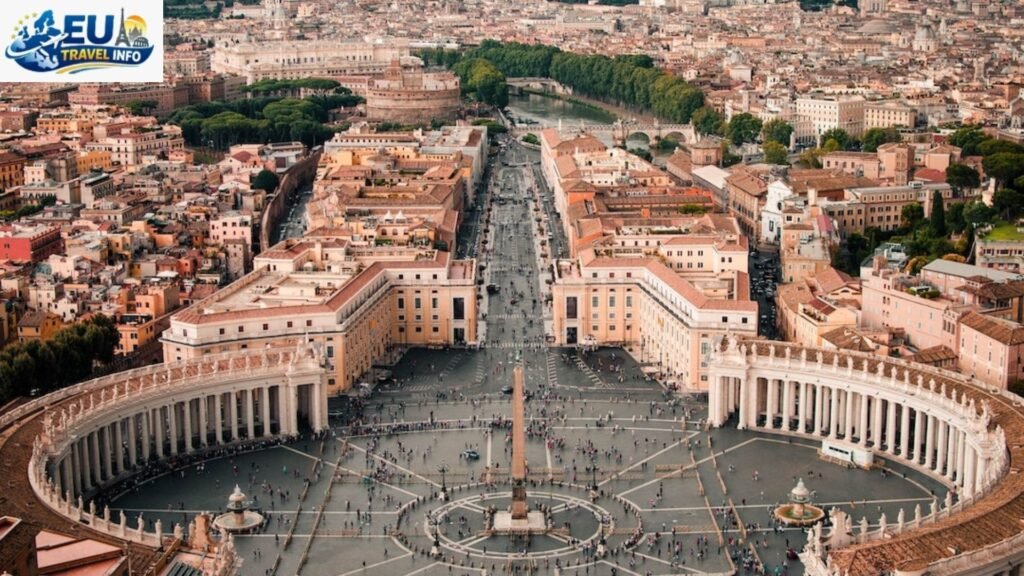
Is april a good time to visit rome? This is a tricky one. April 2026 has two faces. Early April is very busy because of Easter. Easter Sunday falls on April 5, 2026. During that week, the city is packed. You will see 70,000 to 80,000 visitors every day. Hotel rates jump 40% to 50%. Additionally, religious sites like St. Peter’s Square become almost impossible to enter.
On the contrary, late April is a secret treasure. The Easter crowds leave. The weather stays beautiful at around 17°C. You can even celebrate Rome’s Birthday on April 21. At that time, you will see parades and historical shows in the streets.
Finally, we have May. May 2026 is widely considered the absolute best month. The average high is 22°C. Rain is very rare, with only about 40mm for the whole month. You get 14 hours of sunlight to explore. It is the perfect walking weather.
Summer: The Season of Heat and Energy
Summer in Rome is intense. It is loud, hot, and vibrant. June through August brings long sunny days and festivals along the Tiber River.
First of all, you must prepare for the heat. June starts with a warm 26°C, but July and August can easily exceed 35°C or even 38°C. Rainfall is almost zero. This is the peak season. You will pay a 30% to 40% premium on your hotel room.
The worst time to visit rome is likely August. It is a month of extremes. The heat is brutal. On top of that, many locals leave for their own vacations. This tradition is called Ferragosto, and it peaks around August 15. You might find your favorite local restaurant closed for two weeks. Similarly, the crowds at the Colosseum and Vatican remain massive.
However, summer has its perks. The Estate Romana festival runs from June to September. You can watch movies or listen to music in the ancient ruins at night. Later, you can walk along the river and eat gelato under the stars.
Autumn: Golden Light and Harvest
Many travelers believe autumn is the true best time to visit rome 2026. The summer heat fades. The light turns golden. It is beautiful for photography.
Is october a good time to visit rome? Absolutely. It is one of my favorite months. The average temperature is a comfortable 19°C. The crowds drop to about 35,000 people a day. You do not have to book everything weeks in advance. On top of that, October is harvest season. You will find fresh mushrooms, chestnuts, and new wine on every menu.
Gradually, the rain increases. November is the rainiest month in Rome. It gets about 100mm of rain. Though it is wet, it is also cheap. Prices for hotels drop 30% to 35% below summer levels. If you love museums, this is your time. You can stand in front of a masterpiece without a crowd blocking your view.
Winter: The Budget Traveler’s Dream

Do you want to see the Eternal City without breaking the bank? You should look at winter. January and February are the quietest months.
Is february a good time to visit rome? It is the coldest month, but “cold” in Rome is mild. Temperatures average around 9°C. You will rarely see snow. This is the cheapest time to visit rome. You can save 35% to 40% on your stay. Additionally, late February brings Carnival celebrations. You will see colorful parades and eat special fried treats like frappe.
Similarly, early December is a great choice. You get to see the Christmas markets in Piazza Navona. The city is full of holiday magic. However, the week between Christmas and New Year is very busy and expensive.
A Seasonal Guide to Eating Like a Roman
You cannot visit Rome without thinking about your stomach. The food changes with the calendar. Romans are very proud of their seasonal ingredients.
- Winter (December – February): This is the time for artichokes. The true carciofo romanesco appears in February. You must try them fried or stewed. You will also find puntarelle, a bitter green with anchovy dressing.
- Spring (March – May): You eat abbacchio, which is baby lamb. It is the classic Easter dish. Also, look for tiny strawberries called fragolina in mid-spring.
- Summer (June – August): The food gets lighter. You should try chicken with fresh bell peppers (pollo con i peperoni). Because of the heat, everyone wants fried calamari and cold white wine.
- Autumn (September – November): This is the season for porcini mushrooms and truffles.
Additionally, remember the “days of the week” rule.
- Thursday: Gnocchi.
- Friday: Chickpeas and salt cod (baccalà).
- Saturday: Tripe.
- Sunday: Pastries in the morning and pizza at night.
As the famous Roman saying goes, “Giovedì gnocchi, Venerdì ceci e baccalà, Sabato trippa”. You will see these specials on chalkboards outside every local trattoria.
Planning Your Multi-City Trip: Rome and Venice
Are you wondering about the best time to visit rome and venice? Rome has a much milder winter than Venice. Venice can be very cold and foggy in January. Therefore, if you are visiting both in the winter, save more time for Rome. However, the shoulder seasons of April-May and September-October are perfect for both cities. You will find similar pleasant weather and manageable crowds in both locations during these months.
Booking Strategies for 2026
You need a plan to get the best deals.
- Spring/Fall: Book your room 60 to 90 days ahead.
- Summer: Book 90 to 120 days ahead.
- Winter: You can be flexible. 30 to 45 days is usually enough.
- Midweek Travel: Fly on a Tuesday or Wednesday to save 15% to 25% on your airfare.
On top of that, do not forget your tickets for big sites. The Colosseum and Vatican Museums require reservations. In the summer, you should book these at least 30 to 45 days in advance.
What to Pack for Your Roman Holiday
Your suitcase depends on the month.
- Summer: Light cotton or linen clothes. You need a hat and high SPF sunscreen. Plus, bring a refillable water bottle. Rome has over 2,500 free water fountains called nasoni.
- Winter: Layers are your best friend. Bring a waterproof jacket and a warm scarf.
- The “Church Rule”: Many churches have a dress code. You must cover your shoulders and knees. Carry a light shawl in your bag just in case.
Statistical Summary for 2026 Planning
| Month | Avg Temp | Crowd Level | Price Level |
| January | 8°C | Very Low | Lowest |
| February | 9°C | Very Low | Lowest |
| March | 12°C | Moderate | Low |
| April | 14°C | High (Easter) | High |
| May | 21°C | Moderate | Low/Mid |
| June | 23°C | High | Highest |
| July | 26°C | Maximum | Highest |
| August | 24°C | Maximum | Highest |
| September | 22°C | High | High |
| October | 18°C | Moderate | Low |
| November | 13°C | Low | Low |
| December | 10°C | Low/High | Mid/High |
Final Thoughts on Timing Your Trip
Rome is the Eternal City for a reason. It is always there, waiting for you. Whether you choose the blooming gardens of May or the quiet museums of January, you will find something to love. You just need to decide what matters most to you. Is it the heat of the sun? Is it the price of the room? Or is it the taste of a fresh artichoke?
Additionally, remember that Rome is best enjoyed slowly. Do not rush. Sit in a piazza. Drink your coffee. Watch the world go by. That is the true Roman experience.
Frequently Asked Questions
What’s the best month to travel to Rome?
May is the top choice for most travelers. It offers the best mix of 22°C weather, 14 hours of sun, and manageable crowds.
What’s the cheapest month to visit Rome?
January and February are the cheapest months. You can find hotel rates and flights that are 35% to 40% lower than in the summer.
What is the rainiest month in Rome?
November is the wettest month. It averages about 100mm of rainfall. October and December are also quite wet.
Which season of Rome is the best?
Spring (March to May) is often called the best season. It combines mild temperatures with blooming flowers and many cultural events.
Concluding Words
Planning your 2026 trip to Rome requires a bit of strategy. You should aim for the shoulder seasons of May or September to get the best weather and moderate crowds. If you are on a tight budget, the winter months of January and February offer the best value. Always avoid the peak heat and closures of mid-August if you can. No matter when you go, the history and food of this ancient city will surely leave you speechless.