
You stand on the edge of a deep blue lake. The air smells like fresh rain and salt. You look up at mountains that touch the clouds. This is New Zealand. You are ready to plan your big adventure for 2026. You want to know What Is the Best Time to Visit New Zealand. It is a big choice. Your whole experience changes based on the month you pick. You might want warm beaches. You might want snowy peaks. Perhaps you want quiet roads. This guide will help you decide.
New Zealand is a land of magic. It has glaciers and volcanoes. It has vineyards and national parks. Every season shows you a different side of the country. You will see Auckland with its sunny harbors. You will see Queenstown with its snowy peaks.
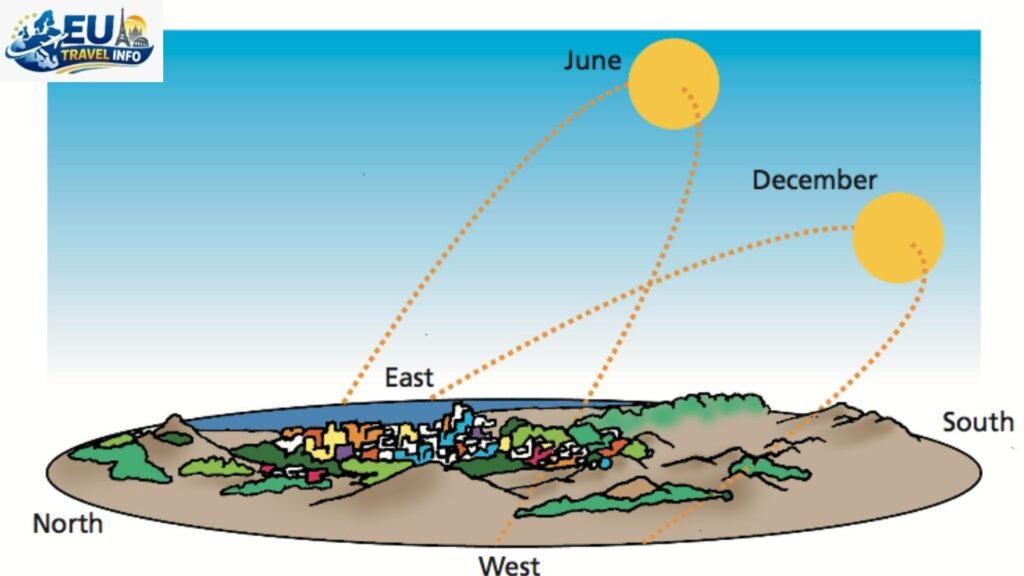
First of all, you must understand one thing. The seasons in New Zealand are the reverse of the Northern Hemisphere. When it is summer in London or New York, it is winter in New Zealand. This often surprises people who visit for the first time. However, this flip makes it a perfect place to escape the heat or the cold of home.
Understanding the Rhythm of the Land
You should know that the weather here changes fast. People say you can see four seasons in one day. You might have sun in the morning and rain by noon. Therefore, you must be ready for anything. The country has two main parts. The North Island is warmer. It feels almost subtropical. The South Island is cooler. It has a central mountain spine that changes the weather.
Summer starts in December and ends in February. Autumn follows from March to May. Winter brings the snow from June to August. Finally, spring arrives from September to November. Each of these times offers a unique trip. You must think about what you love. Do you love hiking? Do you love wine? Do you love skiing? Plus, you must think about your budget.
The Warmth of Summer: December to February
 You will find that summer is the most popular time to visit. The days are long and bright. You can enjoy up to 15 hours of daylight. The average high temperatures stay between 20°C and 30°C. This is the time for outdoor fun. You can swim at the beaches of the North Island. You can kayak in the Bay of Islands. Also, you can hike the famous “Great Walks” in the national parks.
January is the hottest month. It is a very busy time. You will see many festivals and events. However, this is also the most expensive time to visit. Flights and hotels cost more. You must book your stay many months early. If you do not, you might miss out on the best spots.
Many travelers want to see two countries at once. You might ask about the best time to visit New Zealand and Australia. The answer is November to March. At that time, both countries have warm summer weather. You can visit the beaches in Sydney and then fly to the green hills of Auckland. It is easy to move between them. Similarly, this is the peak time for both nations. You will find crowds at the big landmarks like the Opera House or Milford Sound.
February is a special month. It is often the most reliable for good weather. The water is warm for swimming. You can visit Cathedral Cove and see its natural arches. On top of that, you can celebrate Waitangi Day on February 6th. It is a big national holiday. You can learn about the local Maori culture and history.
The Golden Hues of Autumn: March to May
Gradually, the heat of summer fades. Autumn is a peaceful time. You will see the trees turn red and gold. The air is crisp but still mild. Temperatures usually stay between 15°C and 25°C. Many people think this is the best time to visit New Zealand campervan style. The roads are clear of the summer rush. You can drive through the mountains and stop wherever you like.
March is perfect for those who love to walk. It is the best time to visit New Zealand for hiking because the trails are dry. The crowds of January are gone. You can walk the Tongariro Alpine Crossing without thousands of other people. Additionally, the wine regions start their harvest. You can visit Marlborough or Central Otago for wine tours. The grapes are ripe. The vineyards look beautiful in the autumn sun.
April brings even more colors. The Otago region on the South Island looks like a painting. You will see vibrant oranges and yellows. Plus, there are many wine festivals to enjoy. You can taste local food and drink. However, you should pack some layers. The nights start to get cool.
May is a smart month for the budget-conscious. This is when you find great travel deals. It is a shoulder season month. You can stay in nice hotels for less money. The North Island hot springs are a great way to stay warm. You can soak in the hot water while the air is cool. Therefore, you get a luxury experience for a lower price.
The White Magic of Winter: June to August

Winter is a time of contrast. The mountains are white with snow. The cities stay mild but cool. For some, this might be the worst time to visit New Zealand if they want to lie on a beach. But for others, it is the highlight of the year. If you love winter sports, this is your time.
The ski season usually runs from June to October. The peak months are July and August. You can go to Queenstown or Wanaka for world-class skiing. The views are incredible. You carve down the powder with blue lakes below you. It is a transcendent moment. Similarly, you can visit Mt Ruapehu on the North Island to ski on a volcano.
July is the coldest month. Temperatures in the South Island can drop to 3°C. This is the perfect time for a cozy getaway. You can stay in a lodge with a big fireplace. Also, you can visit the New Zealand International Film Festival in Wellington. On top of that, you can enjoy the Queenstown Winter Festival. There is live music and fireworks.
August offers the most reliable snow. Resorts like The Remarkables and Coronet Peak are full of life. You will find the slopes are well-groomed. The snow is light and fluffy. It feels like you are floating on clouds. Plus, you can find good deals on city hotels during this time. Cities like Auckland are quiet and peaceful.
The Burst of Life in Spring: September to November
Spring is a season of rebirth. The countryside turns bright green. Waterfalls flow with strength from the melting snow. This is the best time to visit New Zealand for wildlife. You will see newborn lambs in the fields. Wildlife tours start to run again. You can go whale watching or see rare birds.
September is the best time to visit New Zealand for flowers. The gardens in the North Island are full of blossoms. You can walk through the Botanic Gardens in Auckland. The air is fresh and the crowds are small. It is a balanced time for photography. At that time, you can capture the white mountains and the green valleys in one shot.
October is the best time to visit New Zealand for lupins. These purple and pink flowers cover the shores of Lake Tekapo. It is a sight you will never forget. Additionally, the weather stays mild. It is between 11°C and 17°C. This is the best time to visit New Zealand North Island if you want to avoid the summer heat but still enjoy the sun. You can explore the national parks with ease.
November is one of the best months overall. The weather is warming up. It is the “pre-summer” season. You get the long days but not the high prices of December. You can visit the Bay of Islands or the hot springs in Rotorua. However, prices start to rise at the end of the month. You should plan to finish your trip before the Christmas rush starts.
Picking Your Island and Your Budget
You might wonder where to go first. The North Island has Auckland and Wellington. It has the warm beaches of Northland. It is the best time to visit New Zealand North Island during the summer if you love the ocean. The South Island has the big mountains and the glaciers. It is the place for adventure and snow.
If you want the cheapest time to visit New Zealand, look at May through August. This is the off-peak and winter season. You can find discounts on flights and tours. You can save a lot of money. This extra cash can be used for a special dinner or a helicopter flight. On the contrary, if you visit in January, you will pay the highest prices.
Practical Tips for Your 2026 Journey
You must prepare well for your trip. First of all, pack for layers. Even in summer, the mornings can be cool. You need a waterproof jacket. New Zealand gets a fair amount of rain. Second, stay connected. You can use a New Zealand eSIM for your phone. This helps you find your way on the maps and book your next hotel. It is much easier than looking for public Wi-Fi.
Driving is the best way to see the country. However, the roads can be winding and steep. You should allow extra time for your drives. Do not rush. The scenery is too beautiful to miss. Also, make sure you have travel insurance. It is a must for any outdoor adventure.
FAQ
What is the cheapest time to visit New Zealand?
The cheapest time to visit is during the winter and shoulder months, which are May, June, July, and August. During this period, you will find lower prices for hotels and flights. Many tourist spots are less crowded, so you might also find deals on tours and activities.
What is the rainiest season in New Zealand?
New Zealand does not have one single rainy season, but rain is more common in certain times and places. The West Coast of the South Island is the wettest area all year long. Generally, spring (September to November) and late autumn (April to May) see more rain showers than other times.
Is 80% of New Zealand empty?
The sources do not give a specific percentage for how much of the country is empty. However, they describe New Zealand as having many national parks, remote valleys, and quiet landscapes. While cities like Auckland are busy, much of the countryside is open and filled with nature rather than people. This makes it feel very peaceful.
Is New Zealand very expensive?
New Zealand can be expensive, especially during the peak summer months of December and January. Prices for accommodation and activities go up when many tourists arrive. However, traveling during the shoulder seasons or winter can make the trip much more affordable.
Concluding Words
Picking the right time for your 2026 trip to New Zealand depends on your personal taste. Summer offers warm beaches and vibrant festivals but comes with higher costs and more people. Autumn provides a golden landscape and quiet roads that are perfect for a campervan journey. Winter is a dream for those who love the snow and world-class skiing on the South Island. Spring brings the country to life with blooming flowers and newborn wildlife. No matter when you choose to go, the stunning views and friendly people will make your visit a moment you will remember forever.