You are about to embark on a journey to a land that is both rough and beautiful at the same time. It is a place that will definitely surprise you. Iceland is unique. Pure magic. What is The Best Time to Visit Iceland is the question that probably keeps you up at night as you plan your 2026 adventure. You want the perfect trip. You want the memories that last a lifetime.
First of all, you must understand that Iceland is a destination for the whole year. It does not matter if you love the heat of a summer sun or the crisp bite of a winter breeze. Every season offers something special. However, your expectations will decide your calendar. Do you want to see the sky glow green? Do you want to walk on a glacier under a sun that never sets? Your choice matters.
The year 2026 is a very special time to visit this island. Solar activity is at a high point. The sun reached the peak of its 11-year cycle recently. This means the chances for dramatic light shows in the sky are higher than they have been in a decade. You are in for a treat.
The Magic of the Winter Skies
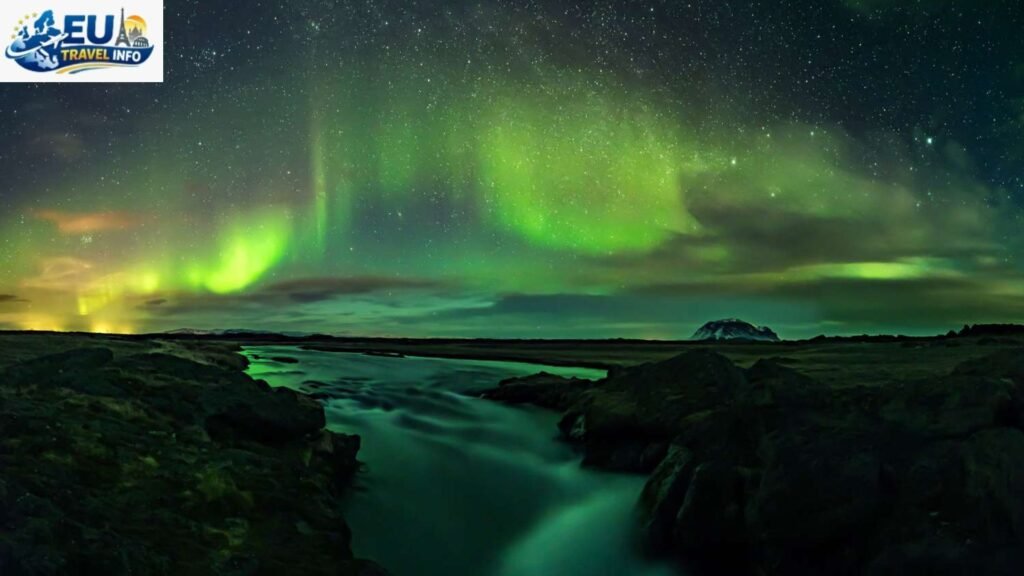
If your heart is set on the aurora, you should know the best time to visit iceland for northern lights is from late August or September through mid-April. Darkness is your best friend here. In midwinter, you will only have four to five hours of daylight. This sounds short. But the darkness gives the lights a stage to dance on.
Best time to visit iceland february is a popular choice for many travelers. Why? Because the nights are still very long, but the deep freeze of January starts to soften just a little bit. You still get plenty of snow-covered landscapes. It is a photographer’s dream. Similarly, the best time to visit iceland november offers a great chance to see the lights before the heaviest winter storms of the late season arrive.
You might find yourself in a snowstorm even in the early winter months. It is unpredictable. One day you are in a whiteout. The next day the sun is out. Additionally, you will find that prices for hotels and car rentals are often lower during these winter months. This is a great benefit if you are a traveler who likes to save a bit of money for more excursions.
Chasing the Lights in 2026
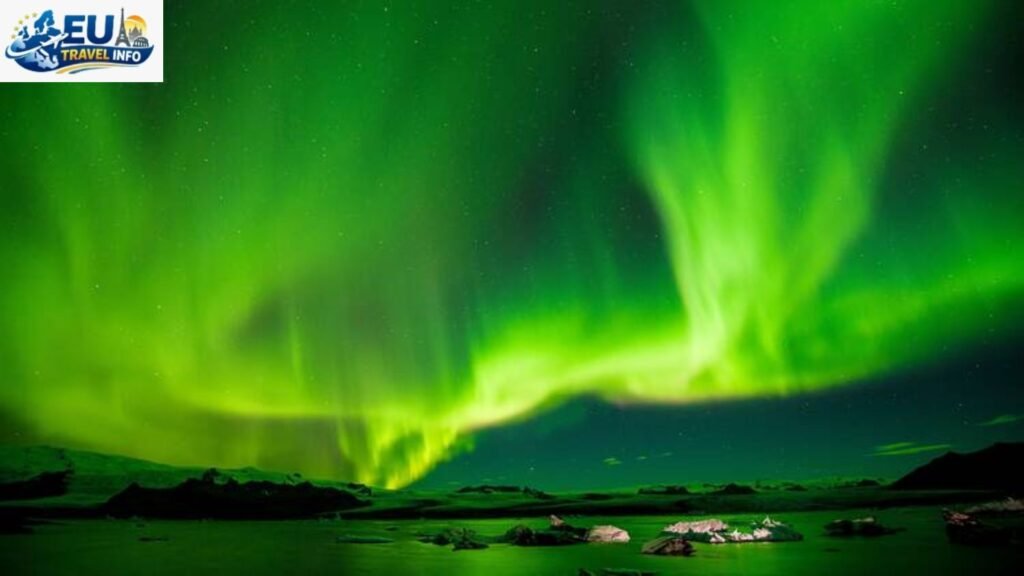 You need to remember four main things for a successful hunt. One: strong solar activity. Two: clear skies. Three: as little light as possible. Four: good space weather metrics. You should check the aurora forecast every single day.
The best time to visit iceland reykjavik for these lights is actually when you can get away from the city lights. You can sometimes see them from the city center, but the Grotta Nature Reserve is much better. It is darker there. On top of that, you could join a super jeep tour to get into the deep dark of the countryside. The experience is silent. It is powerful. You will feel small under that vast, glowing sky.
Summer: The Land of the Midnight Sun
On the contrary, if you prefer long days and green hills, summer is for you. June through August is the time for endless light. You can do much more sightseeing because the days are literally endless. You will not have to rush to beat the sunset. There is no sunset.
Summer is also the best time to visit iceland for whale watching. Between April and October, migratory whales come to the nutrient-rich waters. You can see the giants of the sea. Humpbacks. Minke whales. Even the massive blue whale if you are very lucky.
Husavik is known as the “whale watching capital of Europe”. You should definitely go there if you love marine life. The success rate for spotting whales in the summer is nearly 100 percent in the north. Plus, you can see puffins nesting on the cliffs until early August. They are adorable. They are the icons of the Icelandic summer.
The Call of the Highlands
If you want to explore the heart of the island, you must wait for summer. The F-roads, which are the mountain roads, only open in mid-June or early July. You cannot drive a regular car here. By law, you need a 4×4 vehicle. These roads take you to places like Landmannalaugar. You will see colorful rhyolite mountains. You will see natural hot springs.
At that time, the weather is much drier and warmer. Though, “warm” in Iceland usually means 15 to 18 degrees Celsius. It is rarely hot. You should still pack a sweater. Always. The wind can be sharp even in July.
The Beauty of the Shoulder Seasons

September and April are the bridge months. Many people think September is the perfect balance. The crowds of summer are gone. The roads are still open. However, the dark nights return. You get the first chances to see the northern lights. It is a sweet spot for travelers who want a bit of everything.
Similarly, April is the best time to visit iceland hot springs if you want to avoid the summer rush. The air is still cold, which makes the warm water feel even better. You can visit the best time to visit iceland blue lagoon all year round, but the contrast of the steam against the spring air is wonderful.
Important Destinations and Tips
You should not miss the South Coast. It is home to the most famous waterfalls like Skogafoss and Seljalandsfoss. You can also visit the Katla Ice Cave near Vik. This is the only natural ice cave you can visit all year. Most other ice caves melt in the summer and are only safe from November to March.
The Katla cave is special because it sits under a volcano. You will see blue ice mixed with black volcanic ash. It is a visual wonder. You must book a tour for this. It is not safe to go alone. The ice shifts. The caves change.
Managing the “Worst” Time
Is there a worst time to visit iceland? Not really. But there are times that are more challenging. December and January can be very dark and very stormy. If you do not like driving in snow or wind, this might be a difficult time for you. The weather is always unpredictable. You must be flexible with your plans. Sometimes roads close. Sometimes flights are delayed.
Gradually, you will learn to “use the weather” like the locals do. If the sun is out, you go out. If the storm hits, you find a cozy cafe in Reykjavik.
Final Practical Advice for 2026
When you plan your 2026 trip, you should consider your gear carefully. Waterproof clothing is a must. Cotton is your enemy because it stays cold when it is wet. You should wear layers. Wool is your friend.
For your car rental, a 4×4 or an SUV is usually better than a small car, especially if you leave the main city area. You want stability on the gravel roads. You want to feel safe if a sudden rain hits.
Iceland will change you. The silence of the glaciers. The roar of the waterfalls. The dance of the lights. It is all waiting for you in 2026. You just have to pick your date.
FAQ
What’s the cheapest month to visit Iceland?
The off-peak travel period is generally the winter months and the shoulder seasons like September. During this time, flights and accommodation often cost less than in the peak summer months of June, July, and August. You will also find that car rental prices are lower when there are fewer tourists around.
What is the temperature of Iceland by month?
Temperatures vary quite a bit. In September, the average is around 8.5°C (47°F), with highs near 11°C (50°F). In the peak of summer, like July, maximum temperatures usually reach 15-18°C (59-64°F), though they can occasionally top 20°C (68°F). Winter temperatures often hover around freezing, but the wind can make it feel much colder.
Is there snow in Iceland in April?
Yes, snow is quite common in April. While the days are getting longer, winter conditions can still linger. You might even see snow as late as June in some parts of the country, like Akureyri.
What month is the Northern Lights in Iceland?
The northern lights season officially runs from late August or early September until mid-April. The best visibility occurs during the darkest months of November, December, and January. However, many travelers enjoy the clearer weather of the equinox months in September, October, March, and April.
Concluding Words
Picking the best time to visit Iceland 2026 depends on your personal travel goals. Summer offers endless daylight, whale watching, and access to the Highland F-roads. Winter provides the magic of the northern lights, ice caves, and frozen waterfalls with fewer crowds and lower prices. The shoulder seasons of September and April offer a balanced mix of both worlds. No matter when you choose to go, the raw beauty of Iceland will provide an unforgettable experience.