You are standing on a jagged cliff. The wind carries the scent of salt and ancient ice. Above you, the sky swirls with neon green light. This is not a dream. It is the reality of a Northern Norway trip. You feel the pulse of the Arctic. It is a place that stays in your soul forever. Whether you seek the midnight sun or the aurora borealis, this region offers a raw beauty that few places on Earth can match. You are about to embark on an adventure of a lifetime. I have traveled these roads in both campervans and electric cars. I know the hidden corners and the best spots for a cinnamon bun.
First of all, you must decide when to go. A northern norway itinerary summer is very different from one in the cold months. Between mid-May and mid-July, the sun never sets. You can hike at 2:00 a.m. and it will look like a golden sunset. On the contrary, northern norway in winter is a land of blue twilight and dancing lights. The sun stays below the horizon, but the landscape glows with pink and purple hues. Therefore, your choice of season will define your whole experience.
The Practicalities: Planning and Budgeting

You need to think about your wheels. A campervan gives you the ultimate freedom. You can sleep almost anywhere thanks to the allemannsretten, which is the right-to-roam law in Norway. Diesel usually costs around 15 NOK per liter. Additionally, you will save money on hotels. However, an electric car (EV) is also a fantastic choice. Norway has a massive network of rapid chargers. You can charge your car for about 4.5 NOK per kWh at stations like Ionity or Circle K. On top of that, standard cars are cheaper on the many ferries you will take.
Budgeting is a vital part of your plan. A campervan trip for one person usually costs about £163 per day. This includes the vehicle hire, fuel, and food. If you prefer a car and a hotel, the cost rises to about £232 per day. You can save money by shopping at Coop Extra stores. These large shops are 30% to 40% cheaper than the small markets on the islands. Plus, they have a great selection of local food.
The 14-Day Ultimate Northern Norway Itinerary
This norway itinerary 14 days summer or winter will take you through the most iconic spots. It covers roughly 1,500 kilometers of stunning coastline.
Day 1: The Gateway of Tromsø
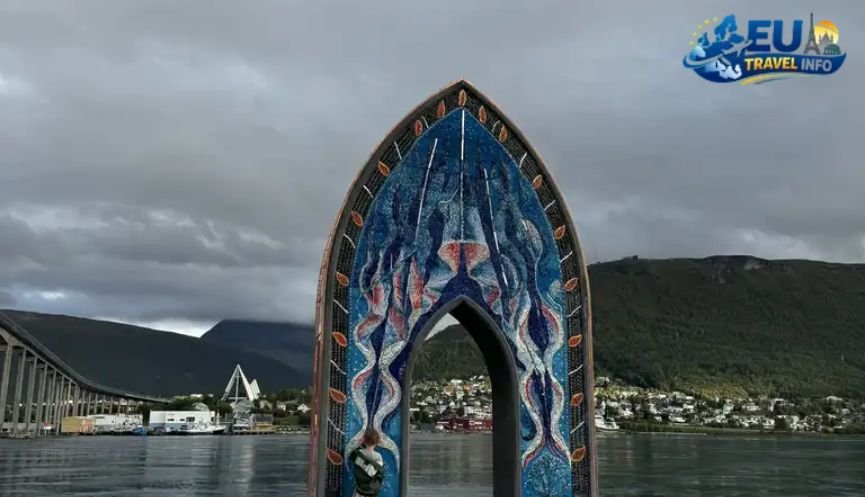
You will land at Tromsø Airport. Pick up your rental car or van right at the terminal. First of all, head to the city center. Grab a flat white and a cinnamon bun at Smørtorget. It is a cute café that also sells antiques. Later, cross the big bridge to see the Arctic Cathedral. You should ride the Fjellheisen Cable Car for sunset. From the top, the city looks like a pile of jewels surrounded by snowy peaks.
Day 2: Fjords and Whales of Kvaløya
You will drive to the island of Kvaløya. The fjords here are deep and blue. Stop at Kaldfjord for photos. If you visit between November and January, you might see humpback whales or orcas right from the shore. Additionally, the village of Ersfjord is a must-see. The mountains rise straight out of the water like giant teeth.
Day 3: Into the Lyngen Alps
You will travel east to the Lyngen Alps. People call this area “the little Alps of Norway”. The mountains here reach 1,833 meters high. You can take a ferry from Breivikeidet to Svensby to get deep into the heart of the range. If you feel active, hike to Blåisvatnet. The water in this lake is a blue so bright that it looks fake.
Day 4: Dog Sledding Adventures
You cannot visit the north without meeting the huskies. Dog sledding is a popular activity when the snow is deep. These dogs love to run. You will feel the power of the team as they pull you through the quiet forest. Later, you can warm up in a lavvu, which is a traditional Sami tent.
Day 5: The White Sands of Sommaroy
You will drive back towards the coast to Sommarøy. This is a beautiful group of islands with white sand and clear water. It looks like the Caribbean, but the water is much colder! It is a perfect spot for a peaceful evening. You can stay at the Sommaroy Arctic Hotel for a great view of the ocean.
Day 6: Crossing to Senja
You will take the ferry from Brensholmen to Botnhamn. This 45-minute trip often features views of sea eagles or even whales. Once on Senja, follow the National Scenic Route. The Bergsbotn Viewpoint has a platform that hangs 44 meters over the fjord. It is a thrilling place to stand.
Day 7: Hiking the Knife-Edge Peaks
You should rise early to hike Segla. The trail is steep and rises 639 meters. If you want a view of Segla, hike Hesten instead. Gradually, the landscape will reveal its secrets. Finally, you will reach the summit and see the ocean spread out below you.
Day 8: Whale Watching in Andøya
You will take a ferry to Andøya. This island is the best place in Norway to see sperm whales. These giants can be 20 meters long. You can join a boat tour from Andenes. The deep water nearby is a “buffet” for the whales all year round. On top of that, you can visit the Andøya Space visitor center to learn about rockets.
Day 9: Entering the Lofoten Islands
You will drive south into the famous Lofoten Islands. Stop at the village of Nyksund, which was once an abandoned ghost town. Now, it is full of artists. Later, cross the Hadsel Bridge for a view of the glaciers. You will arrive in Svolvær, the heart of Lofoten, in the afternoon.
Day 10: History and Surf
You will visit the Lofotr Viking Museum. They have a full reconstruction of a Viking longhouse. It is not just for show; you will learn how these people actually lived. Afterward, head to Unstad Beach. You might see surfers in the freezing Arctic water. Make sure you grab a “kannelbolle” (cinnamon roll) at the local café.
Day 11: The Most Beautiful Villages
You will drive through Nusfjord, a UNESCO-listed fishing village. You have to pay about 150 NOK to enter, but the history is worth it. Later, explore the beaches of Ramberg and Flakstad. The sand is gold and the water is turquoise.
Day 12: Reine and the End of the World
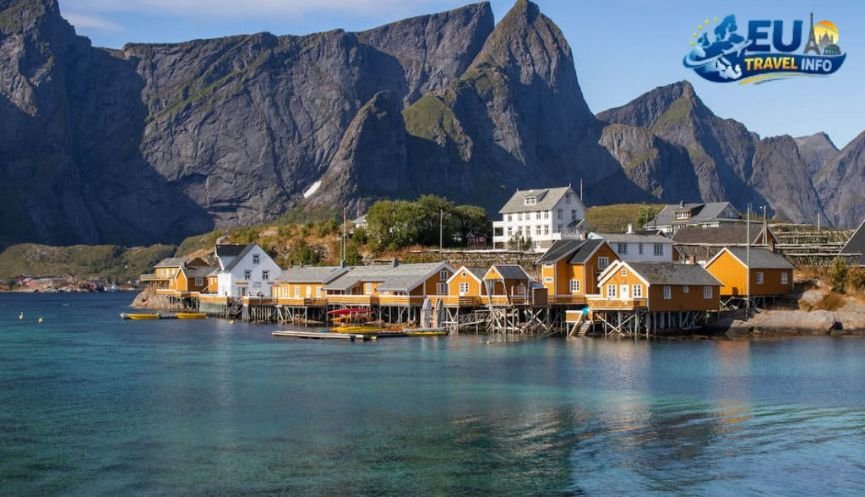
You will reach Reine, which is often called the most beautiful village in the world. The red cabins on stilts are called rorbuer. You can hike Reinebringen for the ultimate view. The government built 1,500 stone stairs to make the climb safer. Finally, drive to the village of Å. It is at the very end of the road.
Day 13: Narvik and War History
You will leave the islands and head to Narvik. This town has a deep history from World War II. You can visit the Narvik War Museum to learn about the battles for the iron ore port. If you have time, take the cable car up the mountain for a view of the fjords.
Day 14: Return to Tromsø
You will make the final drive back to Tromsø. It takes about 4.5 hours from the islands if you go directly. Pick up some souvenirs at Juhls Silver Gallery or the Tromsø Gift Shop. You can enjoy one last reindeer taco at Mathallen before your flight.
A Special Trip to Alta: The City of Northern Lights
If you want an even deeper Arctic experience, consider a norway northern lights itinerary that includes Alta. Alta is famous for its stable weather, which makes it easier to see the lights. The first northern lights observatory in the world was built here in 1899.
You should visit the Sorrisniva Igloo Hotel. It is carved entirely from ice and snow every year. You can visit for about 350 NOK or spend the night in a suite with ice sculptures. Additionally, the Alta Museum features rock carvings that are 6,000 years old. However, you can only see the outdoor carvings in summer when the snow is gone.
For a fancy meal, visit Trasti & Trine. They offer a fine dining tasting menu for about 1,595 NOK per person. You will taste local ingredients like reindeer, salmon, and Arctic berries. It is an expensive treat, but it is one of the best meals in Norway.
The Art of Safe Winter Driving
Driving in the north during winter is no joke. Norwegians even have a special part of their driving school for “slippery driving”. You must be prepared for ice, snow, and strong winds.
1. Preparation is Key
You must check the weather at yr.no every single morning. Conditions change fast. You might enter a tunnel in sunshine and exit into a blizzard. Additionally, keep your fuel tank full. Gas stations can be far apart in rural areas.
2. The 3-Second Rule
You should always stay at least three seconds behind the car in front of you. Count it out: one thousand, two thousand, three thousand. If the road is very icy, make that gap even bigger. You need extra space to stop without sliding.
3. Curve Driving 101
Never hit the brakes while you are in a curve. This is a common way to lose grip and slide off the road. You must slow down before the curve starts. Let go of the gas and let the car slow down naturally. Only speed up again when the road is straight.
4. Watch for Wildlife
Moose are a real danger on the roads. These animals are huge and do not care about your car. They are most active at dawn and dusk. If you see a warning sign, slow down and keep your eyes on the trees. Reindeer are also common, especially in the far north.
5. Use the High Beams
Many roads in the north do not have streetlights. You will need your high beams to see. However, you must dim them as soon as you see another car coming. If you forget, the other driver will definitely let you know with a flash of their lights.
A Norway Family Itinerary: Fun for All Ages
Norway is a great place for families. Kids will love the Polar Park near Bardufoss. You can see wolves, bears, and lynx in large, natural areas. On top of that, reindeer sledding is a magical experience for children. You can visit a Sami camp and feed the reindeer.
For a norway family itinerary, consider staying in a rorbu. These red cabins often have multiple bedrooms and a kitchen. You can cook your own meals, which saves a lot of money. Plus, the kids can fish right off the dock.
The Magic of Sami Culture
The Sami people are the indigenous people of the north. Their culture is thousands of years old. Reindeer herding is at the heart of their lives. You should always be respectful when visiting Sami areas.
Respectful Tourism
If you join a reindeer safari, choose a Sami-led tour. This ensures the money goes back to the community. Inside a lavvu, wait for an invitation before you enter. Remove your boots if asked. Never touch personal family items.
Sami Terms to Know
- Sápmi: The Sami homeland.
- Joik: A traditional type of Sami song.
- Gakti: Beautiful traditional clothing with specific family patterns.
- Siida: A group that manages reindeer herding.
What to Pack for Your North Norway Trip
You need the right gear to enjoy the Arctic. The weather is unpredictable. You can experience rain, snow, and sun all in one hour.
- Wool Layers: Wool is your best friend. It stays warm even if it gets wet.
- Warm Coat: You need a windproof and waterproof outer layer.
- Micro-spikes: These are small metal teeth you pull over your boots. They are essential for walking on icy sidewalks or trails.
- Power Bank: Cold weather kills phone batteries very fast.
- Thermos: A hot drink can save your mood on a cold day.
Statistical Data for Your Trip
- Population Density: Northern Norway has only 4.27 people per square kilometer. You will find plenty of quiet space.
- Area: The region covers over 112,000 square kilometers. That is about 35% of mainland Norway.
- Temperature Records: The coldest recorded temp was -51.4°C in Karasjok. The warmest was 35°C in Mosjøen.
- Daylight: In Tromsø, the sun does not rise at all from November 26 to January 15.
FAQ
Is tap water safe to drink in Northern Norway?
Yes, the tap water in Norway is some of the cleanest and best-tasting in the world. You do not need to buy bottled water. Just bring a reusable bottle and fill it up anywhere.
Do I need to carry cash for my trip?
Norway is a very “cashless” country. You can pay for almost everything with a credit card or your phone. However, having a small amount of cash can be helpful for “honesty boxes” at some farm stands or tiny parking lots.
Is there a lot of traffic on the roads in the north?
The roads are usually very quiet compared to other countries. However, in July and August, the narrow roads in Lofoten and Senja can get crowded with campervans. You should be a confident driver if you visit during these peak months.
Concluding words
A Northern Norway trip in 2026 is the ultimate escape for any travel lover. You will see the magic of the Northern Lights, meet friendly huskies, and explore the rugged beauty of the Lofoten Islands. This guide provides everything you need, from a 14-day itinerary to essential winter driving tips. Pack your wool layers and prepare for an Arctic adventure that you will never forget.