
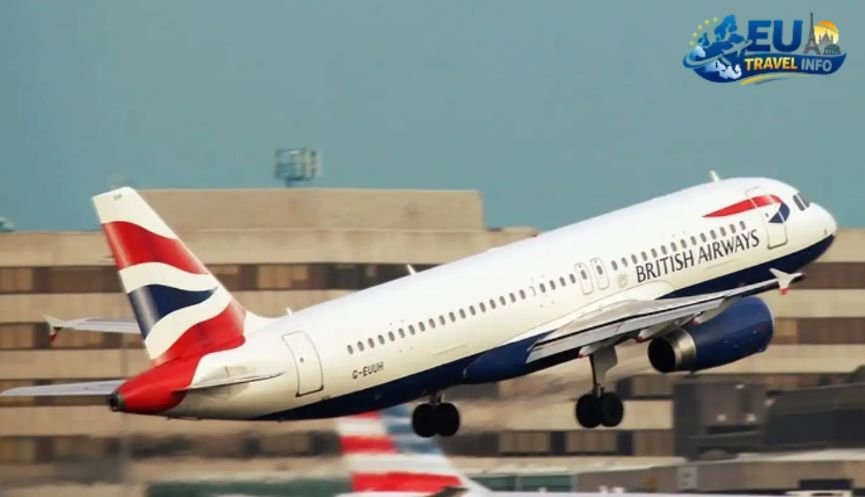
You stand in the middle of a crowded terminal. Your suitcase feels heavy. Your heart beats a little faster. You look at the massive departure board and wonder if you left enough time. We have all been there. Travel should be a joy, but the rules of the game changed recently. If you love to tour the world, you need a new plan. This guide will show you exactly how early to get to airport for European flight paths so you can relax with a coffee instead of sprinting to the gate.
Europe is a dream of old streets and great food. However, the way you enter these countries is now different. A new digital system called the Entry/Exit System (EES) started in late 2025. It changed everything. Before, a simple stamp in your passport was enough. Now, the computers want your fingerprints and facial scans. This change caused a 70% increase in the time it takes to check your passport. Because of this, you must think differently about your schedule.
First of all, let us talk about the big question. Are flights within Europe considered international? This confuses many people. If you fly from London to Paris, that is international. If you fly from New York to Rome, that is international. But what if you fly from Paris to Berlin? Both are in the Schengen Area. These are often treated like domestic flights because there is usually no passport control between them. But wait. You still need to arrive early. Security lines do not care if your flight is short or long.
The New Reality of European Borders

You must understand the April 10, 2026 deadline. This is the date when the EES becomes fully mandatory across 29 countries. Right now, airports only process about 35% of travelers through this system. Even at this low level, people have faced 7-hour queues at Lisbon Airport. Imagine standing in line for seven hours. Your legs would ache. Your patience would vanish.
Additionally, Geneva Airport saw waits of 5 to 6 hours during the winter. Why? The hardware cannot keep up with the people. There are not enough kiosks. Sometimes the machines simply break. Therefore, the old rule of arriving two hours early is dead for many travelers. You need a new strategy.
Exactly How Early To Get To Airport For International Flight Success
You generally want to aim for three hours before your flight departs. This is the golden rule for 2026. If you are a non-EU citizen, like an American, Brit, or Canadian, you are now a “third-country national”. The computer needs to register you the first time you enter the Schengen Area.
- First-time registration: This takes the longest. You scan your passport chip. You give four fingerprints. You let a camera take your photo.
- Subsequent visits: These are faster because the system already knows you.
- Manual checks: If the kiosks fail, a border officer does it by hand. This adds 10 to 25 minutes per person.
Plus, you have to think about the size of the airport. A massive hub like London Heathrow or Paris Charles de Gaulle is a different beast than a small regional strip. At Heathrow, peak hours are between 6 am and 9 am and 4 pm to 7 pm. Security can take 45 to 60 minutes during these times.
Knowing Your Flight Type
You might ask what time to get to airport for domestic flight trips. In the United States, we usually say 90 minutes to two hours. Within Europe, if you are flying between two Schengen countries, two hours is usually safe. Though, you should still check the airport website. Some smaller spots like Bilbao might let you through in 20 minutes, but you cannot count on that luck every time.
However, if you have bags to check, add more time. Airlines like easyJet open their bag drop three hours before the flight. Jet2 desks open about two to three hours before. If you miss the cutoff, you do not fly. Most airlines close their check-in desks 40 to 60 minutes before the plane leaves.
The Chaos at Specific Hubs
You should hear about the “Red List” of airports. These places have the worst records for delays in 2026.
- Lisbon (LIS): They actually had to suspend the EES for three months because the lines were too long. A 7-hour wait is a safety hazard.
- Geneva (GVA): British skiers faced 6-hour waits. Too many people, too few machines.
- Paris Charles de Gaulle (CDG): This is a tricky one. Their automated “Parafe” gates often do not work for US or UK passports yet. You have to join the manual lane with everyone else.
- Madrid and Barcelona: Processing times here are 70% longer than they used to be.
Similarly, Prague Airport had a total system failure where officers had to collect fingerprints by hand. This created a nightmare in the terminal. You do not want to be part of that story. Therefore, you must arrive early.
Factors That Steal Your Time
You have to consider more than just the flight time. Several factors eat your minutes.
The Time of Year Matters. Travel during the summer or Christmas is intense. The airports are packed. Lines for everything are longer. On top of that, bank holidays bring out the crowds.
The Time of Day Changes Things. Early morning flights are often the busiest. Business travelers and vacationers all arrive at once. Midday is usually quieter. Late night can also be calm, but some security lanes might close, which slows things down again.
Group Size Slows You Down. You are fast when you are alone. You are slow when you are with a group. If you travel with family, you have more bags. You have more people to keep track of. Children under six do not need to give fingerprints, but they still need their photos taken. This all takes time.
Checking Bags is a Big Step. You cannot just walk to security if you have a large suitcase. You must wait for the desk to open. You must wait in the bag drop line. If the airline is busy, this can add an hour to your journey.
Ways to Beat the Lines
You do not have to be a victim of the chaos. There are smart ways to move faster.
First of all, use the pre-registration tools. An optional portal for EES opened in early 2026. Use it. It allows you to put your data in before you reach the border. Also, check if your airline has an app. Ryanair is moving to a fully digital system where you must check in on your phone. No more paper. No more desks.
Look into Trusted Traveler Programs. If you fly from the US, Global Entry is a lifesaver. It includes TSA PreCheck. It makes coming home much easier. For $120, you get five years of faster lines. Similarly, CLEAR Plus uses your eyes or fingerprints to verify who you are. It is a private program that costs more, but it is very fast.
Consider Fast Track Security. Many European airports, like Heathrow, sell a “Fast Track” pass. It usually costs around £12.50. This allows you to skip the main security line. If you are running late, this is the best money you will ever spend.
The Coming Challenge: ETIAS and ETA
You think the EES is enough? There is more. Later in 2026, the ETIAS will launch. This is a travel authorization. You will have to apply online and pay a small fee before you even go to the airport. It will be valid for three years.
Gradually, the UK is also enforcing its ETA system. As of February 25, 2026, visitors from 85 countries, including Canada and the US, must have this permit. It costs about £16. You need it even if you are just connecting through a UK airport. Finally, the world is becoming more digital. You must keep your phone charged and your apps updated.
Real Advice for Your Next Trip
You should give yourself a 3-hour buffer for any major hub. If you connect through a place like Frankfurt or Amsterdam, give yourself at least three hours between flights. Do not book a 60-minute connection. You will not make it through the new passport checks in time.
Also, watch the news for strikes. Europe has many transport strikes. A strike can turn a 2-hour wait into a 5-hour nightmare. Check the airport website the night before you fly.
On top of that, know your lane. Non-EU travelers must stay in the “All Passports” or “Non-EU” lanes. Do not try to use the EU lane just because it is shorter. Border guards are stressed. They will send you back to the end of the correct line, or worse, they might detain you for a violation.
A Note on Digital Boarding Passes
You should be aware that some airports still do not like mobile phones. Ryanair noted that airports in Turkey and Morocco sometimes cannot scan a mobile pass. Always have a backup. Print a copy of your boarding pass just in case. easyJet warns that a PDF on your phone might not scan at security. Use their specific app instead.
Similarly, British Airways allows you to print passes at kiosks up to three hours before you fly. They have different deadlines for different airports. At London City, you only need 30 minutes. But at Heathrow, you need at least an hour for long-haul flights.
Staying Comfortable in the Wait
You will spend a lot of time in terminals this year. Make it easy on yourself.
- Hydrate: Drink water before you board.
- Eat: Grab a snack before the line gets long.
- Lounge: If you have a long wait, pay for a lounge. It is worth the cost for a comfortable seat and free food.
- Power: Keep a portable battery for your phone. You need that digital boarding pass to work.
Later, you will look back on your trip and remember the sights, not the lines. But to get to those sights, you have to survive the airport. Follow these rules. Arrive early. Be patient with the staff. The new EES system is hard for them too.
FAQ
What is the airport 45 minute rule?
This rule usually means you must be checked in and have your bags dropped at least 45 minutes before departure. Many airlines, like British Airways and Jet2, use this as a strict cutoff. If you arrive at the desk 44 minutes before, they may refuse to let you on the plane.
What is the 45 minute rule?
In some airports, this also refers to the time the gate closes. For example, easyJet closes their gates 30 minutes before the flight, but you must be through security much earlier. It is a reminder that the “departure time” is when the plane moves, not when you should be walking to the gate.
Is 2 hours enough for a European flight?
If you are flying within the Schengen Area and have no bags, two hours is usually fine. However, if you are flying internationally into the Schengen Area from the US or UK, two hours is very risky because of the EES passport checks. You should aim for three hours in those cases.
Is it okay to reach 2.5 hours before an international flight?
It is better than two hours, but still tight. If there is a system crash or a long security line, 2.5 hours can disappear quickly. To be safe and relaxed, three hours is the recommended time for international travel in 2026.
Concluding words
To summarize, getting to the airport for a European flight in 2026 requires more time than ever before. The new Entry/Exit System (EES) has increased passport processing times by up to 70%, leading to massive queues at hubs like Lisbon and Geneva. You should aim to arrive three hours early for international flights to handle biometric registration, security, and potential technical delays. While domestic-style flights within the Schengen Area may only need two hours, you must remain alert to airport-specific rules and peak travel periods. By planning ahead and using digital tools, you can ensure a smooth start to your European adventure.