

You stand at the check-in counter with your bags packed and a heart full of excitement for your European tour. The agent looks at your passport and then looks at your one-way ticket. A silence fills the air.
You wait for the boarding pass. Instead, you hear a question that stops your heart. The agent asks to see your return flight. This moment brings pure stress. Do I Need a Return Flight to Enter Europe? You might think a one-way ticket is the ultimate way to feel free. However, the law often tells a different story.
First of all, you must understand that entry rules are not just a suggestion. They are strict requirements. Most travelers believe they can just wing it. On the contrary, border officials in the Schengen Area and the United Kingdom have specific checklists.
You do not want to be the person who gets sent back on the next plane. Similarly, you do not want to be the traveler who loses thousands of dollars on a trip that never starts. Therefore, you should learn the new passport rules for europe and the entry laws before you leave your house.
The Big Question: Is a Return Ticket Mandatory?
You wonder if you truly need that return leg booked. The short answer is yes. Technically, you need proof that you will leave the country before your time is up. The law for the Schengen Area states that you must show a return ticket or have enough money to buy one. This rule applies to non-EU nationals who visit for a short stay. Though some border guards might not ask to see it, the airline almost certainly will. Airlines face heavy fines if they let you fly without the right papers. Plus, they have to pay for your flight home if a country denies you entry.
Later, you might find that some countries are stricter than others. The United Kingdom is famous for its tough stance. Officials there consistently demand to see your exit plan. Additionally, you may face questions about your funds and where you will sleep. On top of that, the new passport rules for europe mean that checks are faster and more digital. A mistake on your ticket can lead to a denial of boarding in seconds.
Passport Requirements for Europe: The 3-Month Rule
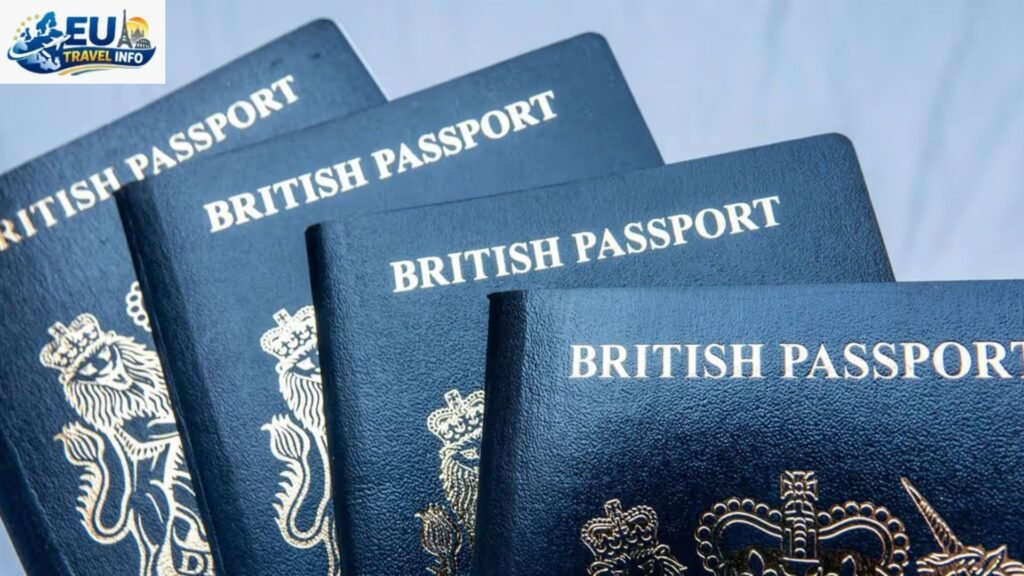 First of all, check your passport expiration date. You might think you are safe if your passport is still valid today. However, you should look closer. How long do you need on your passport to travel to europe? Most of the 29 countries in the Schengen Area require your passport to be valid for at least three months after you plan to leave. Additionally, your passport must be less than ten years old. If you enter on October 1 and plan to leave on October 15, your passport must be valid until at least January 15 of the next year.
Gradually, you will realize that some airlines have their own rules. They might want you to have six months of validity just to be safe. You should ask which countries do not require 6 months of passport validity before you book. While the official law says three months for Schengen, some travelers face trouble if they have less than six. Therefore, you should always aim for six months of validity. Also, your passport must have at least two blank pages for stamps.
Schengen Area vs. The United Kingdom
You must know the difference between these two zones. The Schengen Area covers 29 European countries like France, Italy, and Spain. Within this zone, there are usually no border checks between countries. On the contrary, the United Kingdom is not part of Schengen. If you fly from London to Paris, you will go through a full border check. Similarly, the rules for a return ticket are much tougher in the UK.
Do i need a return ticket to enter schengen? Yes, you do. However, many travelers on Reddit share stories about lax guards in Spain or Italy. You might get lucky and walk through with a smile. On the other hand, you might meet a guard who wants to see every single document. You cannot rely on luck. Therefore, you should have your passport requirements for europe ready at all times.
New Technology: The Entry/Exit System (EES)
The world of travel is about to change. A new system called the Entry/Exit System (EES) will start on October 12, 2025. This is a digital way to track every person who enters or leaves 29 European countries. Instead of a ink stamp in your passport, a computer will record your face and your fingerprints. Finally, the days of manual passport stamps are coming to an end in most places.
Additionally, the EES will help catch people who stay too long. It will track exactly how many days you have spent in the area. You are allowed only 90 days in any 180-day period for short stays. Later, in 2026, the ETIAS will also launch. This is a travel permit that will cost about 7 Euros. You will need to apply for it online before you fly. These are the new passport rules for europe that you must remember.
Residence Permits and Expired Passports
You might have a residence permit for a country like France. If so, you may ask: can i travel within europe with my residence permit without passport? The answer is generally no. You still need a valid travel document to cross borders, even if you live there. Your residence permit is a stay document, but it is not a passport. Additionally, you cannot fly or cross borders with an expired document. Can you travel with an expired passport within europe? No, you cannot. You will be denied entry at the border.
The Solution for Spontaneous Travelers: Onward Tickets

You might love the idea of a one-way trip. You want to see where the wind takes you. However, you still need to satisfy the law. A popular fix is to use a service for an onward ticket. This is a real flight reservation that stays valid for a short time. It shows that you have a plan to leave. Later, the reservation cancels automatically.
Additionally, you can book a refundable ticket. You buy a real flight, pass through customs, and then ask for your money back. Just be careful with the fine print. Some airlines only give you credit instead of cash. On top of that, some travelers buy the cheapest possible bus or train ticket to a non-Schengen country like Morocco or Turkey. These can cost as little as $15 or $20.
Financial Proof: How Much Money Do You Need?
You must prove you can afford your stay. France has very clear rules for this. If you have a hotel booking, you must show you have at least 65 Euros for every day of your stay. If you do not have a hotel booking, that amount jumps to 120 Euros per day. If you stay with a friend, you only need 32.50 Euros per day, but you need a special certificate from the local town hall.
Gradually, you will see that other countries have similar requirements. Officials look at your cash, your credit cards, and your bank statements. They want to know you will not run out of money and try to work illegally. Therefore, you should carry a copy of your bank statement just in case. Similarly, you should have proof of your travel insurance. It must cover medical costs and a flight home if you die. This insurance is a must for almost everyone who enters.
Real Stories: Lessons from the Road
A traveler on Reddit shared a “horror story” about a flight to Germany. She had a one-way ticket and a big smile. The airline agent told her she could not board because her return flight was more than 90 days away. She had to argue that she planned to visit non-Schengen countries like Croatia to stay legal. At that time, Croatia was not in the Schengen zone. Today, Croatia is part of Schengen, so that trick would not work.
Another person was held in a lockdown area in Munich for hours. A customs agent in another country had stamped his passport with the wrong date. This small mistake caused a huge delay and a lot of fear. These stories show that you must check your stamps and your dates carefully. Plus, you should always be polite to the officers. They have the power to let you in or send you home.
Quick Checklist for Your Trip
You should use this list to make sure you are ready for your European tour:
- Check your passport. It must be valid for 6 months to be safe.
- Book a return or onward ticket. Do not risk a one-way ticket without a plan.
- Get travel insurance. Make sure it covers medical costs and repatriation.
- Print your hotel bookings. Or have a certificate if you stay with friends.
- Check your funds. Have enough money for every day of your trip.
- Learn about EES. Be ready for facial scans and fingerprints if you travel after Oct 2025.
The Importance of Consistency
You must keep your story straight. If your visa says you are staying for ten days, but your return ticket is for thirty days, you will face questions. Similarly, if you say you are visiting Paris but your return flight is from Athens, you should have an explanation. Border guards look for patterns that do not match. Therefore, you should keep your documents organized in a single folder or a clear PDF on your phone.
Finally, do not try to fake a ticket. Some people think they can edit a PDF to look like a real flight. This is a crime. If a guard catches you, they might ban you from Europe for years. It is much better to spend a few dollars on a real onward ticket or a cheap bus fare.
Final Thoughts on Your European Adventure
You are now ready to tackle the rules of the road. Europe is a beautiful place to see. From the lights of Paris to the ruins of Rome, your tour will be amazing. However, you must respect the passport requirements for europe and the entry laws. A little bit of planning today will save you a lot of pain at the airport tomorrow.
Additionally, you should stay updated on the new passport rules for europe like the EES and ETIAS. The world of travel is moving toward a digital future. Embrace it, plan for it, and you will have the trip of a lifetime. Safe travels!
FAQ
Do I need a return ticket when travelling to Europe?
Yes, most countries require proof of onward or return travel to ensure you do not stay illegally. Airlines may also deny you boarding if you do not have one.
Is a return ticket mandatory for a Schengen visa?
Yes, the visa application process usually requires a confirmed return or onward ticket to prove your intent to leave the area.
What is the requirement to enter Europe?
You need a valid passport (usually valid for 3-6 months after departure), a visa if required, proof of enough money for your stay, proof of accommodation, and a return or onward ticket.
Can I fly without a return ticket?
You can try, but it is risky. Airlines often check for return tickets at the gate. You might be forced to buy an expensive ticket on the spot or be denied boarding.
Concluding Words
You now know that a return flight is a key part of travel to Europe. While a one-way ticket sounds like freedom, the laws in the Schengen Area and the United Kingdom require you to show an exit plan. You must also follow the new passport rules for europe, including the 3-month validity rule and the upcoming EES biometric system. By preparing your documents, money, and tickets in advance, you can enjoy a stress-free tour of the continent.