

You stand in your kitchen and look at that bag of premium basmati rice. It is the only kind you like. You are planning your big dream trip across the ocean. The cobblestone streets of Rome and the lights of Paris wait for you. But a question bugs you. Is Rice Allowed in International Flight to Europe? You do not want a customs officer to take your precious grains away. You definitely do not want a fine. Travel should be about joy and not about legal headaches.
The Big Grain Question
First of all, you must know that the rules depend on where you start and where you land. If you are flying within the European Union, life is easy. You can carry rice without much worry if it grew in an EU country. However, many travelers come from further away. If you come from a non-EU country, the rules get strict. Can we carry raw rice in international flight to a place like Germany or France? The short answer is yes, but there are hoops to jump through.
Rice is a plant product. European authorities worry about pests. They want to protect their farms from tiny bugs you cannot even see. Therefore, most plant products need a phytosanitary certificate. This is an official paper from your home country. It proves your rice is clean and safe. Without this paper, a customs officer might toss your bag in the bin.
Understanding the Rice Categories
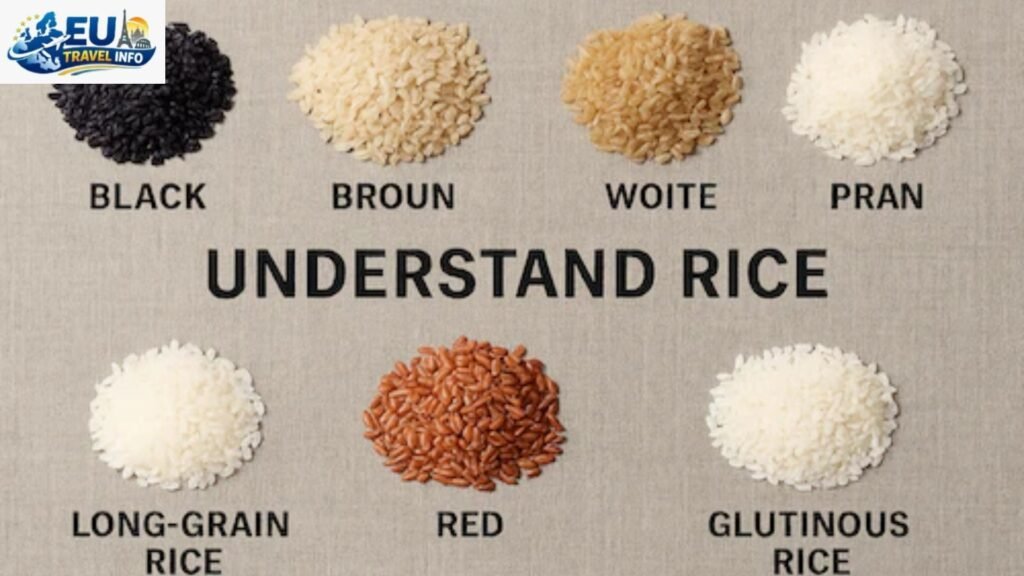
Not all rice is the same in the eyes of the law. You might think rice is just rice. On the contrary, customs officials use very specific codes. They look at Heading 1006 for rice.
- 1006 10 is rice in the husk. This is rough paddy rice.
- 1006 20 is husked or brown rice. The husk is gone but the bran layer stays.
- 1006 30 is semi-milled or wholly milled rice. This is the white, polished rice most people eat.
- 1006 40 is broken rice. These are fragments from the milling process.
Why does this matter to you? It matters because different countries have different limits on these types. For example, if you go to Great Britain, you can bring certain grains like rice from outside the EU for personal use without that fancy phytosanitary certificate. But if you cross from the UK into the EU after Brexit, the rules change again.
The Brexit Reality Check
The world changed for travelers recently. You might ask, what food can i take to europe after brexit? If you travel from Great Britain to an EU country, you are now treated as a traveler from a non-EU country. This means you cannot just pack a ham sandwich and a bag of rice and hope for the best. The EU is very strict about what enters from the UK now.
Previously, you could move goods freely. Now, you must check the lists. Most fruits and vegetables from the UK need a certificate to enter the EU. Rice also falls under these rules for many EU nations. Plus, you must remember that Great Britain and Northern Ireland have different rules. Northern Ireland still follows many EU internal rules. It is a bit of a maze.
Hand Luggage vs. Checked Baggage
Where should you put your rice? You might want to keep it close. If you put it in your carry-on, be ready for a delay. Is Rice Allowed in International Flight to Europe in your hand luggage? Yes, it is allowed. However, it looks strange on an X-ray machine. It looks like a dense block of organic material. Security officers might pull you aside for “secondary screening”.
A traveler on a popular forum once asked about a 4.4 lb bag of rice in their carry-on. A verified officer suggested taking the rice out of the bag and putting it in a separate bin. This helps the X-ray see through it. If you have TSA Precheck in the United States, it might help you get through the line faster, but it does not change the food rules.
Checked baggage is often a better choice for heavy items. You can pack more there. Just make sure the bag is sealed tight. You do not want rice all over your fancy vacation clothes. Also, check the weight limits of your airline. Some airlines allow 40kg of total luggage, while others are much stingier.
The Liquid Legend and New Rules
You cannot talk about flights without talking about liquids. It is the rule we all hate. You know the one. The flight liquid limit europe is usually 100 ml (3.4 oz) per container. All these containers must fit in one clear, quart-sized plastic bag.
But what is a liquid? To the airport security, it is not just water. It is anything you can pour, spread, or spray. This includes:
- Honey
- Jams
- Peanut butter
- Yogurt
- Soups and sauces.
If you have a jar of expensive rice sauce that is 200 ml, it will go in the trash at the checkpoint. No exceptions. Additionally, there are liquids in hand luggage new rules coming to some airports with better scanners. Some places might let you keep larger liquids in your bag soon. However, do not count on it yet. Stick to the 3-1-1 rule to be safe.
If you fly a budget airline like Wizz Air, they are very strict about bag sizes. Liquids on plane wizz air must still follow the 100 ml rule. If your liquid bag makes your hand luggage too big, they will charge you a high fee at the gate. Therefore, keep your liquids small and your bags smaller.
Liquids in checked baggage international flights are much easier. You can pack a whole bottle of wine or a giant jar of honey there. There is no 100 ml limit for checked bags. But you might wonder how much liquid can you take on a plane in checked baggage? There is no set limit for non-alcoholic liquids, but you must stay under your total weight allowance. If you pack 20 liters of sauce, customs might think you are a business and not a tourist.
The Meat and Dairy Ban
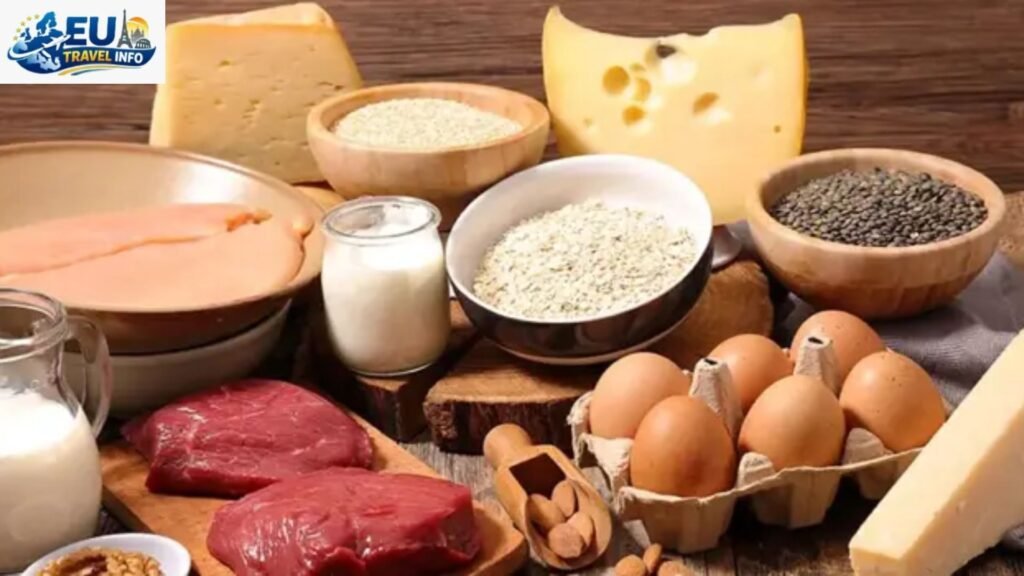
This is the most important part of the guide. Can i bring meat on a plane international flight to Europe? If you come from outside the EU, the answer is a big NO. You cannot bring:
- Fresh meat
- Dried meat (like jerky)
- Canned meat
- Milk or cream
- Cheese.
Why? Because of diseases like foot-and-mouth disease. These diseases do not care about your dinner plans. They can ruin an entire farming industry. If you bring a ham sandwich from the USA to London, you might get away with it because the UK has its own rules. But if you take it to Paris, the officers will take it.
There are small exceptions. You can bring up to 2 kg of powdered infant milk or baby food. It must be a branded product and the seal must be unbroken. You can also bring some food for medical reasons if it does not need a fridge.
Statistical Data for the Smart Traveler
Numbers matter when you pack. Here is a quick look at some limits for people entering the EU from outside:
- Fish: You can bring up to 20 kg or one whole fish, whichever weighs more.
- Honey and Eggs: You are limited to 2 kg per person.
- Dry Ice: You can carry up to 5.5 lbs (2.5 kg) if the package is vented and labeled.
- Sturgeon Caviar: You can only bring 125 g without a special permit.
- Mushrooms: In Germany, you can bring up to 2 kg of edible mushrooms for personal use.
If you exceed these numbers, you need commercial papers. You do not want to be a “commercial importer” by mistake.
Is It Worth Carrying Rice?
Let us be honest for a second. You love your rice. But do you want to carry 5 kg of it across the world? A student once asked about bringing rice from India to Germany. Many people told them not to do it. Why? Because rice is heavy. Rice is also cheap in Europe.
In most big European cities, you will find Asian or international grocery stores. You can buy a 10 kg bag of rice for a very low price. You could use that suitcase space for something else. Maybe more clothes? Maybe souvenirs? Also, if you bring a small pouch of rice from a farm, you risk bringing insects into the EU. That is a risk that is not worth a few bowls of grain.
Similarly, spices are a better thing to pack. They are light and expensive in Europe. Just make sure they are in sealed, labeled bags. Do not bring loose powders that look like something illegal. Label everything in English.
Special Rules for Other Regions
If you are a traveler from the USA, you might ask, is rice allowed in international flight to usa? The USA has its own version of the TSA and Customs and Border Protection. Like Europe, they are very careful about “husked” rice. If the husk is on, it is usually a no-go. If it is white rice from certain countries, it might be okay. But always declare it.
If you are traveling within the EU, the rules are much lighter. You can carry meat or dairy for your own use as long as it is from another EU country. This includes the 27 EU nations plus places like Switzerland, Norway, and Iceland.
The Final Steps of Your Journey
Before you zip that bag, do one last check. Is your rice sealed? Is it labeled? Do you have your phytosanitary certificate if you are going to a strict EU country?
If you are flying Wizz Air or another budget carrier, double-check your bag size. They will not care if you have the world’s best rice if your bag is two inches too wide. Finally, arrive at the airport early. Food items often trigger extra searches. You do not want to miss your flight because of a bag of basmati.
Practical Tips for Smooth Travel
- Use Zip-Lock Bags: Consolidate your food into one clear pouch. This makes it easy to pull out at security.
- Keep it Accessible: Do not bury your rice at the bottom of your suitcase. You will have to dig for it.
- Label Everything: If it is a home-made spice mix, write the name on the bag in clear letters.
- Declare it: If a customs form asks if you have food, say “Yes.” It is much better to have it taken away than to pay a €500 fine for lying.
- Check the Local Supermarket: Look up “grocery stores” in your destination city. You might find your favorite brand is already there.
Traveling is a beautiful adventure. It is about new tastes and new sights. While a little bit of home is nice, do not let it weigh you down. Enjoy the bread in Germany. Eat the pasta in Italy. The rice will be there when you get back, or you can find it in a local shop.
FAQ
What foods cannot be taken into the EU?
You cannot bring any meat or dairy products from outside the EU. This includes ham, cheese, and even some chocolate with high milk content. Most fresh fruits and vegetables are also banned unless you have a phytosanitary certificate. Potatoes are strictly prohibited because they can spread disease.
Is it okay to carry rice in flight?
Yes, you can carry rice. If it is in your hand luggage, expect the security team to inspect it closely. If it is in your checked bag, ensure it stays within weight limits. For international travel into the EU from a non-EU country, you technically need a phytosanitary certificate for grains like rice.
What food is not allowed on international flights?
Forbidden items usually include fresh meats, milk, and many fresh fruits. For hand luggage, any “liquid-like” food over 100 ml is not allowed. This means no big jars of salsa, honey, or creamy peanut butter.
Do you have to declare rice?
Yes, you should always declare any food items on your customs form. If the officer decides it is not allowed, they will simply take it. If you do not declare it and they find it, you could face a fine or even criminal charges.
Concluding Words
To wrap things up, carrying rice to Europe is possible but comes with many rules. You must navigate the post-Brexit landscape and strict EU laws against meat and dairy. While solid rice is allowed in hand luggage, it might cause extra screening at security. Remember the 100 ml liquid limit for your sauces and spreads. Ultimately, it is often easier and cheaper to buy your rice at a local European market and save your luggage space for something special.