
You step into the airport. The air feels electric with the hum of a thousand suitcases rolling over tile. You look up at the departure board and see a sea of destinations. London. Paris. Rome. Your heart beats faster because you are finally heading across the Atlantic. But a thought crosses your mind. You wonder if you will be squeezed into a middle seat for eight hours. You want to know How Full Are Flights To Europe before you lock in those non-refundable tickets.
The world of aviation in 2026 is moving at a breakneck pace. Statistics show that the airline industry is busier than ever. International traffic expanded by 5.9% year-on-year in January 2026. The industry-wide passenger load factor reached a record high of 82.0% for that month. This means that out of every one hundred seats, eighty-two are occupied.
European airlines specifically posted a 6.0% increase in passenger traffic. You might think this means every plane is a packed sardine can. However, the data for the upcoming summer tells a different and very surprising story.
The Great Summer Mismatch of 2026
You might expect summer flights to be impossible to book. On the contrary, latest reports indicate a massive gap between supply and demand for July 2026. Airlines added 2.1% more seats from the United States to Europe compared to last year. At that time, bookings from the United States to Europe actually dropped by 7.2%.
This creates a “sweet spot” for you as a traveler. There are more seats available but fewer people are currently buying them. This mismatch is a perfect recipe for lower prices. You might find a great deal because airlines need to fill those empty spots. Why are flights to Europe so expensive usually? High demand and limited seats drive prices up. But this summer, the extra capacity might finally give your wallet a break.
First of all, you should look at the specific cities where bookings are down. Frankfurt saw a staggering 29% decrease in bookings from the United States. Dublin, Munich, and Milan all saw a 13% drop. Therefore, if you aim for these hubs, your chances of an empty middle seat are much higher.
How Many Plane Flies a Day?
You might wonder about the sheer scale of the sky right now. If you look at the data from Eurocontrol, the network had an average of 24,671 flights per day in January 2026. This is about 630 flights per day more than in January of the previous year. The busiest day recorded was Friday, January 2nd, with 27,815 flights.
Istanbul was the busiest airport, handling 1,444 flights per day. London Heathrow followed closely with 1,246 flights per day. Paris Charles de Gaulle and Madrid Barajas also stayed near the top of the list. Similarly, the mainline segment of airlines grew by 4.4%, which means major carriers like Turkish Airlines and LOT Polish Airlines are adding dozens of flights every day.
Plus, low-cost carriers like Ryanair remain incredibly busy. Ryanair was the busiest operator in Europe, with an average of 2,386 movements per day. Wizz Air also saw double-digit growth as they expanded their fleet. All of this activity means the sky is crowded, even if the individual planes are not always full.
The Transatlantic Crown: Who is Flying You?
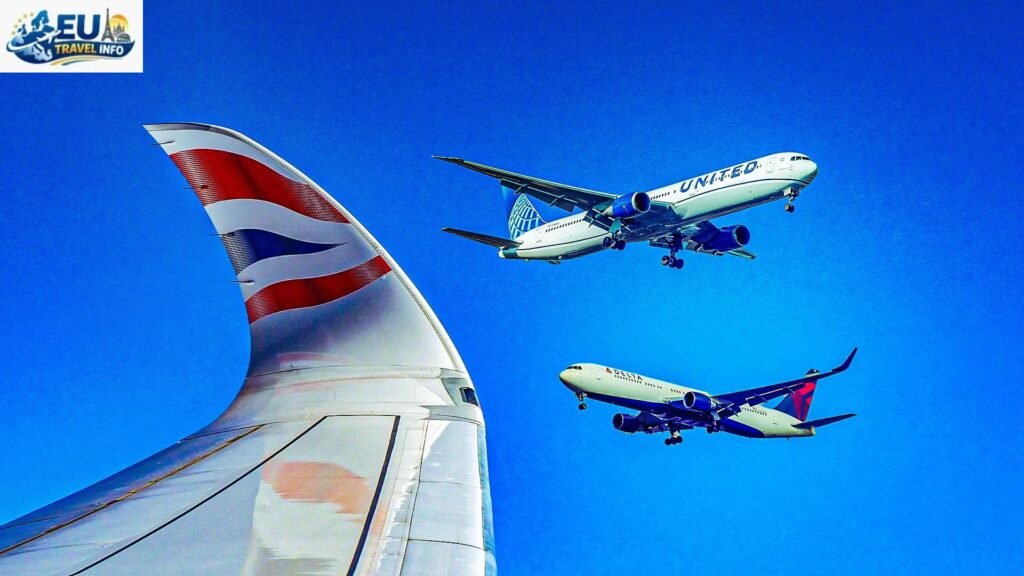
United Airlines currently wears the crown for transatlantic travel. They operate more than 6,700 transatlantic flights in a single month like July. This outpaces Delta Air Lines and American Airlines by a significant margin. United flies to 38 cities in Europe, including unique spots like Faro in Portugal.
Delta Air Lines is also a major player. They offer over 650 weekly flights to Europe. They recently announced nonstop service from Atlanta to places like Marrakech and Riyadh. Additionally, Delta plans to start using new Boeing 787-10 aircraft in the future to expand their reach.
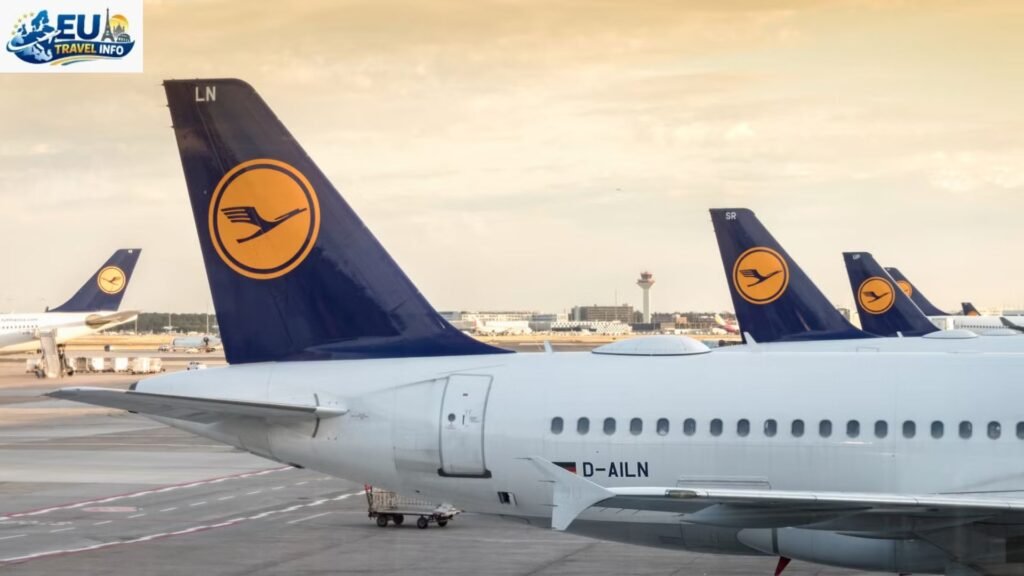
Lufthansa remains a giant in Germany. However, their recovery has been slower than others. Their capacity in Europe is down 22% compared to 2019 levels. They still dominate hubs in Frankfurt and Munich, where they hold over 50% of the market share. If you book a europe ka flight with Lufthansa, you are likely connecting through one of these two major cities.
Understanding Flights to Europe Length
You should prepare for a long journey when you cross the ocean. The flights to Europe length varies depending on your destination and the wind. For example, a flight from Lisbon to Orlando takes about 9 hours and 50 minutes heading west. The return trip east is faster at 7 hours and 50 minutes because of the tailwinds.
A standard hop from London to New York takes between 7.5 and 8.5 hours. If you are flying from Frankfurt to Chicago, expect to be in the air for 8.5 to 9.5 hours. Technology is helping to make these long trips better. New planes like the Boeing 787 Dreamliner and Airbus A350 are more fuel-efficient and more comfortable for your long-haul journey.
Gradually, airlines are also adding more premium seats. United is rolling out “Polaris Studio” suites with privacy doors and oversized screens. Delta is focusing on its “Delta One” suites to capture travelers who want luxury. These upgrades make the length of the flight feel much shorter.
Weather and War: The Chaos Factors
You must realize that air travel is not always smooth. January 2026 saw significant disruptions due to severe winter weather. Snowfall and low visibility at Amsterdam Schiphol and Paris Charles de Gaulle caused massive delays. On one specific day in January, airlines at Schiphol had to reduce their schedules by 70% because of snow.
On top of that, geopolitical conflicts are causing headaches. The war in the Middle East led to the closure of airspace over Iran, Iraq, Israel, and several other countries. This forced major hubs in Dubai, Abu Dhabi, and Doha to halt operations temporarily. Thousands of flights were cancelled, and hundreds of thousands of travelers were stranded.
Airlines like British Airways and Virgin Atlantic had to reroute their planes to avoid these zones. Later, the UK government even planned a massive evacuation of citizens from the region. These events show that even the best-laid plans can be ruined by things outside of your control. Therefore, you should always check your flight status online before you leave for the airport.
How to Check How Full Your Plane Is
You do not have to guess if your flight is crowded. There are several strategies you can use to get a clear picture.
First of all, you can call the airline directly. You should ask the agent for an estimate of how many seats are booked. Though they might not give you an exact number, they can tell you if the flight is “light” or “heavy”.
Later, you should check the seat map during the check-in window. Seat maps can be misleading weeks before a flight because many people do not pick seats until the last minute. However, within a few hours of departure, the map becomes much more accurate.
Finally, you can use advanced tools like “ExpertFlyer”. This service shows you “fare buckets” which indicate how many seats are left for sale in different price categories. If you see a “J9” or “Y9,” it means there are at least nine seats available in those cabins. If you see a “0,” that section is likely sold out.
Timing Your Booking for the Best Value
You should book your summer 2026 trip in February to save money. This month is known as the “sweet spot” for pricing. By mid-March, prices often climb by 15% to 25% as availability tightens. You could save $200 to $400 per ticket just by booking early.
International flights usually hit their best pricing 2 to 4 months before departure for economy seats. For premium cabins, you should look 3 to 5 months out. If you see an economy fare between $650 and $900 for a major hub route, you are in the right window.
Also, consider “open-jaw” routing. This means you fly into one city, like Rome, and fly out of another, like Paris. It often costs the same as a standard roundtrip and saves you from backtracking across the continent.
Frequently Asked Questions
What is the 45 minute rule?
This rule generally refers to the minimum time you must be checked in and at the gate before an international flight. If you arrive later than forty-five minutes before departure, the airline may cancel your reservation and give your seat to a standby passenger.
Is it safe to fly through the Middle East right now?
The situation is very unstable. Many countries have issued “against all travel” advisories for Iran and Israel. Airspace closures are common due to military strikes. You should avoid the region if possible and check the latest government travel warnings before you go.
What is the 3:1:1 rule for international flights?
This is a security rule for liquids in your carry-on bag. You are allowed containers of 3.4 ounces or less. All containers must fit into one clear, quart-sized plastic bag. Only one bag is allowed per traveler.
How to check how full a flight is international?
You can use the airline’s seat map through their app, call customer service for an estimate, or use a professional tool like ExpertFlyer to see real-time seat availability and fare classes.
Concluding Words
Flights to Europe in 2026 are seeing record-high traffic, but a unique gap between high capacity and lower-than-expected summer bookings offers a great chance for travelers to find deals. While January was hit by winter weather and Middle East conflicts caused major rerouting, the overall outlook for the year remains positive with expanded routes and new premium cabin options.