Imagine you are standing in the heart of a city where the air smells like sweet sugar and rich clarified butter. You are in Vienna, the only place on this planet that has a style of cooking named after the city itself.
This is Wiener Küche, or Viennese cuisine. It is a mix of history and flavor that you will not find anywhere else. First of all, you should know that in the year 2026, the food scene here is more alive than ever. You are about to go on a trip through taste buds and time.
Vienna has around 8,000 food outlets. This includes everything from simple sausage stands to some of the finest austrian restaurants in vienna that have earned three Michelin stars. You will find that Austrian Food in Vienna is a bridge between the past and the future. The city uses about 15% of its land for farming.
This means your vegetables are often grown right inside the city limits. Plus, two out of every three cucumbers grown in Austria come from Vienna. This commitment to local food makes every austrian dinner vienna offers feel fresh and real.
The Golden Standard: Wiener Schnitzel
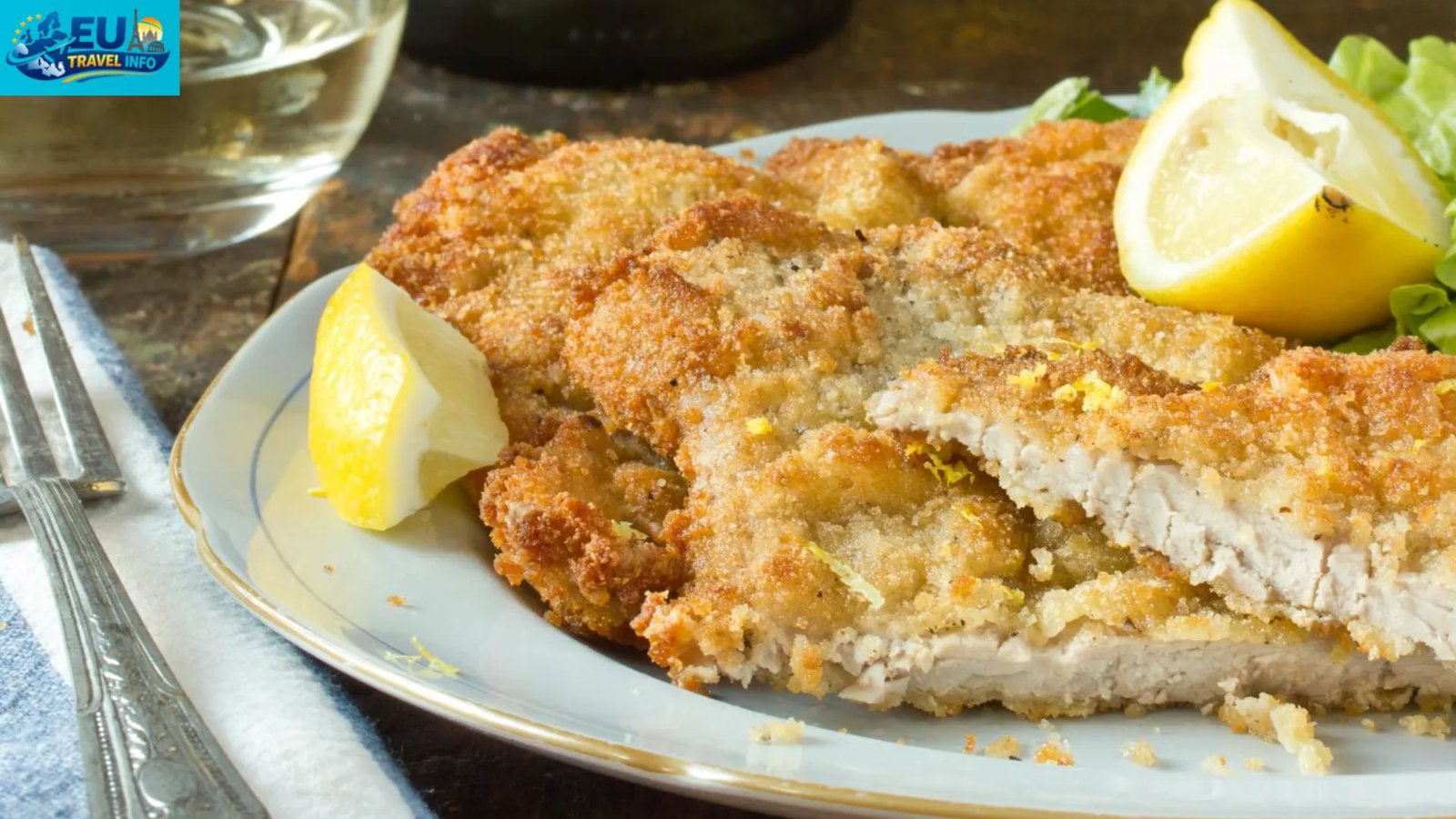
You cannot visit this city without trying the most famous dish of all. The Wiener Schnitzel is a legend on a plate. Though people think it came from Italy, the first mention of it in a cookbook here was in 1831. To be called a real “Wiener Schnitzel,” the meat must be veal. However, many places also offer pork or turkey versions for those who prefer it.
The process of making it is an art form. First, the chef takes a piece of meat and pounds it until it is very thin. Later, the meat is dipped in flour, then beaten eggs, and finally breadcrumbs. You must remember that the breadcrumbs are not pressed down hard. This allows the coating to “soufflé” or puff up during frying. The schnitzel then swims in hot clarified butter for two to four minutes until it is golden brown.
For the best austrian food in vienna, many locals head to Figlmüller. When you cut into that crispy crust, you will understand why this dish is a symbol of the city. The crunch. The gold color. The perfect squeeze of lemon. It is simple but so satisfying. Additionally, you will usually find it served with a cold potato salad or parsley potatoes.
A Meal for an Emperor: Tafelspitz
If you want to eat like royalty, you must order Tafelspitz. This was the favorite meal of Emperor Franz Joseph I, who ruled for many years. It is boiled beef, but do not let that simple name fool you. It is a complex dish that requires patience. The beef, specifically the “cap of rump,” is simmered with root vegetables and spices for about 3 to 3.5 hours.
At that time, the Emperor sat at the head of the table and ate very quickly. His guests often left the table hungry because they had to stop eating as soon as he finished. You, however, can take your time. Traditional austrian food in vienna like this is meant to be savored. The meat is sliced into finger-thick pieces and served with a variety of sauces.
First of all, you will see a chive sauce and an apple sauce with horseradish. These sharp flavors cut through the richness of the beef perfectly. Also, hash browns, known as Röstkartoffeln, are a must-have on the side. Similarly, some places serve it with Semmelkren, which is bread boiled with soup and horseradish. Therefore, this dish provides a full range of textures and tastes. It is a hearty and authentic austrian food in vienna experience that connects you to the imperial past.
The Sweet Soul of the City: Austrian Desserts in Vienna
You must save room for the sweets. Vienna is famous for its Mehlspeisen, or flour-based desserts. The most iconic of these is the Sachertorte. It was created in 1832 by a young man named Franz Sacher. It is a rich chocolate cake with a layer of apricot jam inside.
There is a famous rivalry in the city over who makes the best version. On one side, you have Café Sacher, which follows the original recipe. On the other side, you have Demel, which was a former supplier to the imperial court. At Demel, they put the jam right under the chocolate glaze instead of in the middle. Plus, they serve a version called the “Eduard Sacher Torte.” You should try both and decide which you like more. It is a delicious way to spend an afternoon.
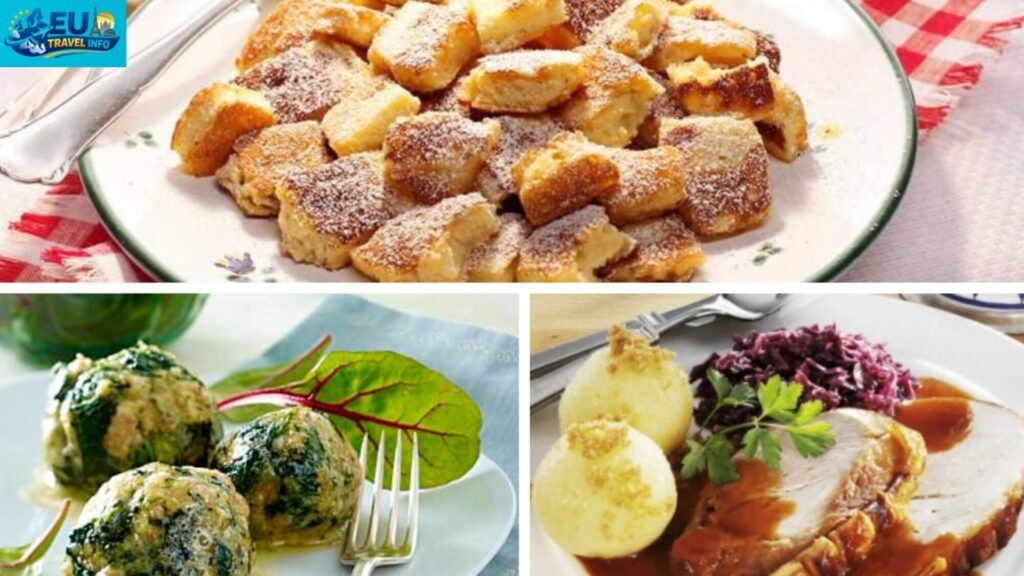
Another favorite is Kaiserschmarrn. The name translates to “Emperor’s Mess“. Legend says that Empress Elisabeth, or Sisi, wanted a light dessert to keep her waistline small. When the chef made this rich shredded pancake, she refused to eat it. Her husband, Franz Joseph, stepped in and said, “Now let me see what ‘Schmarrn’ our chef has cooked up”. He loved it, and so will you. It is served with a plum compote called Zwetschkenröster and a generous dusting of powdered sugar.
Additionally, do not forget the Apfelstrudel. The dough is stretched until it is so thin that you could read a newspaper through it. It is filled with apples, cinnamon, and raisins. Gradually, as you eat your way through the austrian desserts in vienna, you will realize that sugar is a core part of the city’s identity.
The Magic of the Coffee House
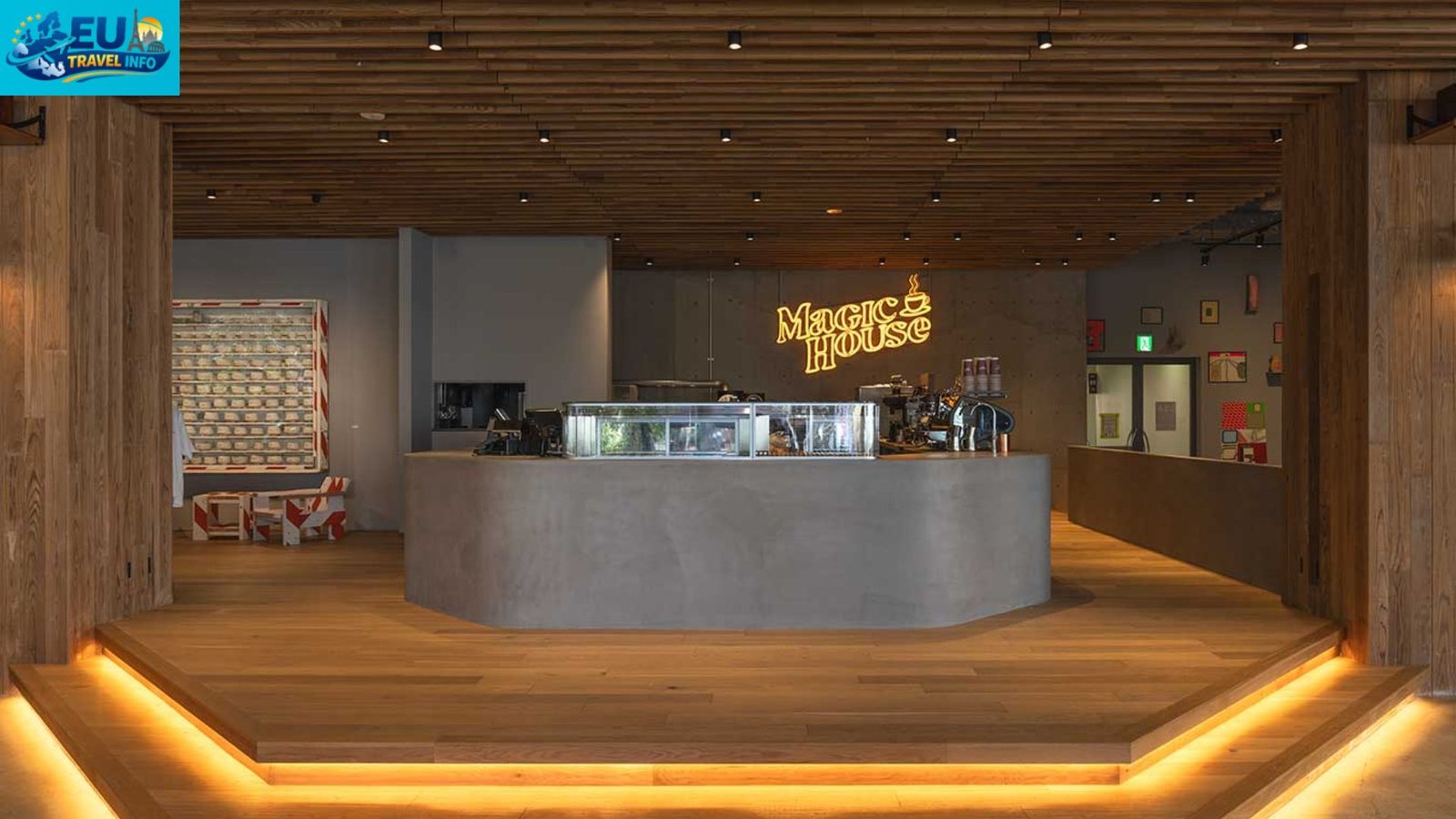
You are not just buying a drink when you enter a Viennese coffee house. You are buying time. UNESCO has even listed the Viennese coffee house culture as an intangible cultural heritage. It is described as a place where “time and space are consumed, but only the coffee is found on the bill”.
Inside places like Café Central or Café Sperl, you will see marble tables and historic Thonet chairs. First of all, the waiter will bring you a glass of cold tap water with your coffee. If you stay a long time, he will bring you more water without you even asking. Also, you will find a wide range of newspapers to read. It is like a democratic club where anyone can sit for the price of one cup of coffee.
The most popular drink is the Melange. It is a mix of espresso and steamed milk topped with foam, very similar to a cappuccino but slightly lighter. If you want something stronger, try the Einspänner. This is strong black coffee in a glass with a huge dollop of whipped cream on top. It is the perfect companion to a slice of cake while you watch the world go by.
The Cozy Life of the Beisl and the Heurige
You must find a Beisl if you want a down-to-earth meal. These are cozy, rustic taverns that serve hearty food at fair prices. They are the heartbeat of the city. One hip spot to try is Reznicek, where they have updated old pub favorites with a modern touch. Similarly, Gasthaus Grünauer has served authentic tavern food for decades.
At a Beisl, you can explore the art of offal cooking. This might sound scary, but dishes like Beuschel—a ragout made from veal lungs and heart—are beloved by locals. Another specialty is Fried Chicken, or Backhendl. It is juicy, crispy, and perfect for a casual lunch.
Later, you should head to the edges of the city to find a Heuriger. These are wine taverns that serve wine from their own vineyards. You can recognize a real one by the pine bushes hanging outside and a sign that says “Ausg’steckt”. They serve cold dishes and hot buffets in a very relaxed atmosphere. Some are even located right in the middle of the vineyards. It is a place where you can feel good and everyone is welcome.
Modern Twists and Vegetarian Delights
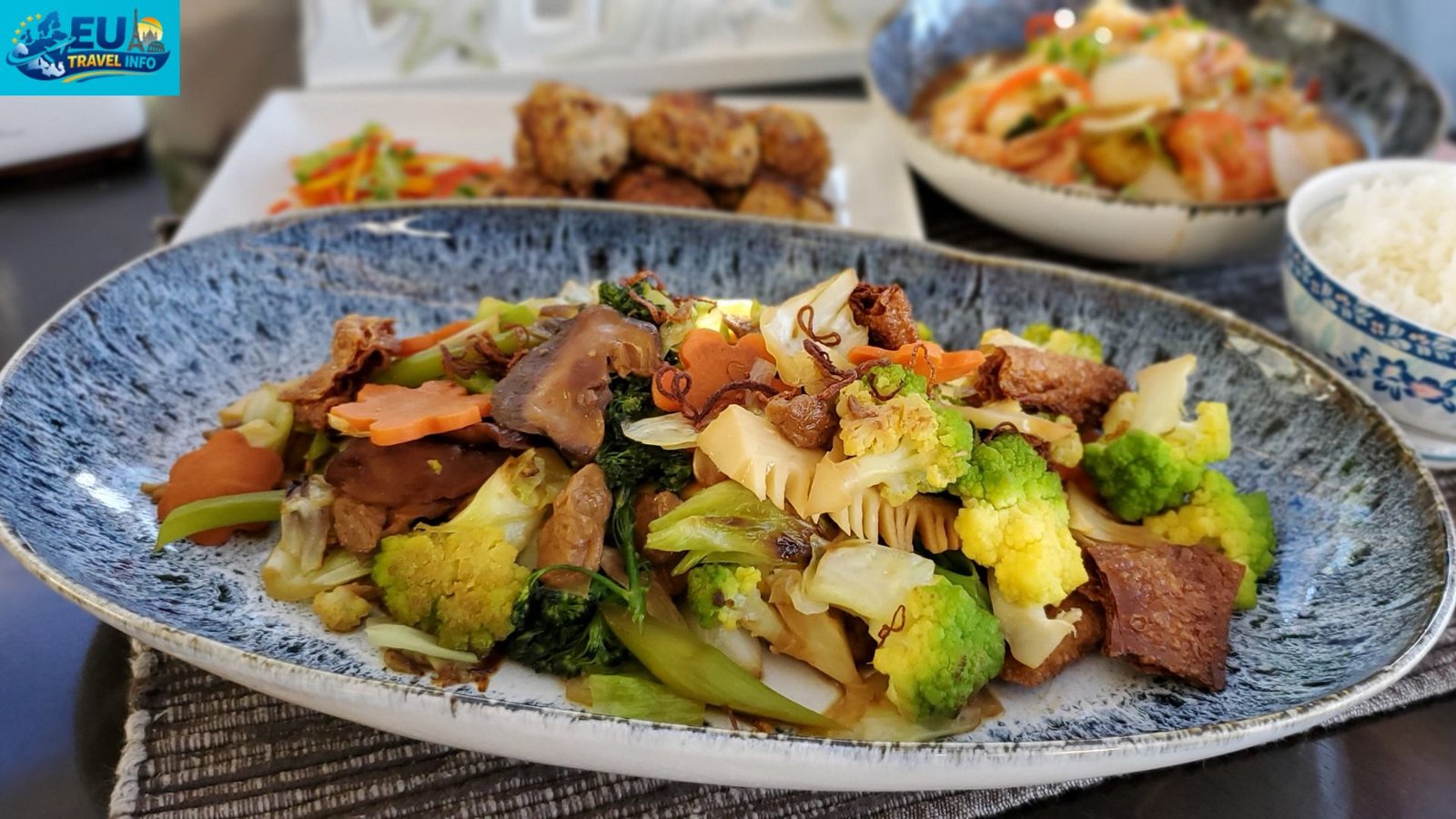
You might think austrian cuisine in vienna is only about meat. However, that is changing fast. Today, many chefs are putting plants at the center of the plate. There are now hundreds of vegetarian and vegan restaurants in the city.
Tian Bistro is a great example. It has a Michelin star and serves amazing plant-based food. Chef Paul Ivić wants to show people that vegetables are not just “sidekicks” to meat. He creates art on a plate using ingredients like winter purslane and sea buckthorn berries. Additionally, you can find a vegetarian version of the schnitzel made from oyster mushrooms. These mushrooms often grow in recycled coffee grounds from the city’s cafes. On top of that, many fine-dining spots like Steirereck im Stadtpark focus on regional and seasonal products with incredible finesse.
Numerical Data and Facts to Remember
As you explore the best austrian food in vienna, keep these facts in mind:
- Vienna has 101 Michelin-starred restaurants in the 2026 guide across Austria, with top spots like Amador and Steirereck in the city.
- There are 14 Viennese restaurants recognized by Michelin, including two with three stars.
- The city has about 2,050 coffee houses.
- Vienna has 600 hectares of vineyards and 166 wineries within the city limits.
- About half of the wine-growing area is organic.
- You will find about 3,500 Schanigärten, which are outdoor cafe terraces, across the city.
Fine Dining and Awards
If you want an unforgettable austrian dinner vienna experience, look at the stars. Steirereck im Stadtpark and Amador both kept their three Michelin stars in 2026. Chef Michael Bauböck at Steirereck uses regional products to create unique dishes. At Amador, you will find modern, creative food that is perfectly balanced.
Additionally, some smaller spots are making big waves. JOLA in Vienna serves outstanding vegan food and even earned a Green Star for being responsible with nature. Addiert offers a tiny, intimate “chef’s table” experience with Korean influences. These places show that while tradition is important, new ideas are always welcome in the kitchen.
FAQ’s
What are the most popular traditional Austrian foods in Vienna?
The most famous dishes you will see are Wiener Schnitzel (fried veal), Tafelspitz (boiled beef), and various sausages. For sweets, Sachertorte and Apfelstrudel are the top choices.
Where can I try authentic Austrian food in Vienna city center?
You should visit a Beisl like Appiano or head to famous spots like Figlmüller for schnitzel and Café Sacher for cake. The 1st district is full of historic spots.
What local dishes should first-time visitors try in Vienna?
You must try the Wiener Schnitzel and a slice of Sachertorte. Also, do not miss the chance to have a Melange coffee in a traditional coffee house.
Is Austrian food in Vienna expensive for tourists?
It varies. A high-end meal at a Michelin-starred restaurant like Steirereck will be expensive. However, eating at a Beisl or a sausage stand provides an authentic and affordable experience.
Are there vegetarian options in traditional Austrian cuisine in Vienna?
Yes, the city is becoming very “plant-centric”. You can find mushroom schnitzels and full vegetarian tasting menus at places like TIAN Bistro.
Which restaurants serve the best Wiener Schnitzel in Vienna?
Figlmüller is widely considered a top choice for schnitzel. For the original veal version, Hotel Sacher is also a great destination.
What desserts are famous in Austrian food culture in Vienna?
The Sachertorte, Kaiserschmarrn (shredded pancakes), and Apfelstrudel are the most iconic desserts you will find.
Concluding Words
You are now ready to eat your way through one of the greatest food cities in the world. From the first bite of a crispy schnitzel to the last spoonful of a chocolatey Sachertorte, every meal tells a story. Vienna is a place where you can sit in a room where famous thinkers like Freud once sat. It is a place where you can drink wine grown just a few miles away.
Gradually, you will find your own favorite spot. Maybe it will be a busy Beisl or a quiet coffee house. Finally, you will realize that the food here is about more than just fuel. It is about culture. It is about character. It is about a city that is truly good enough to eat.