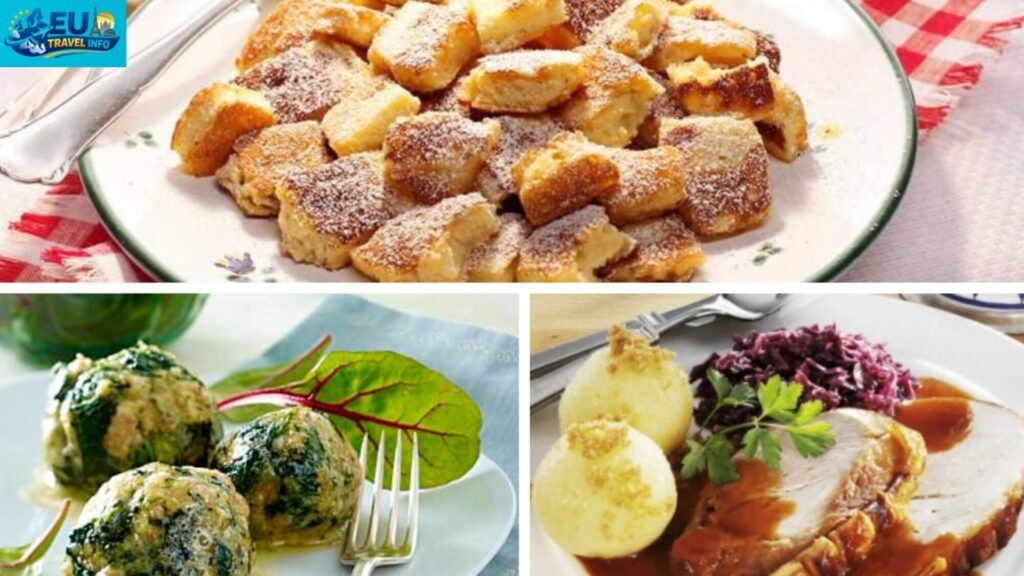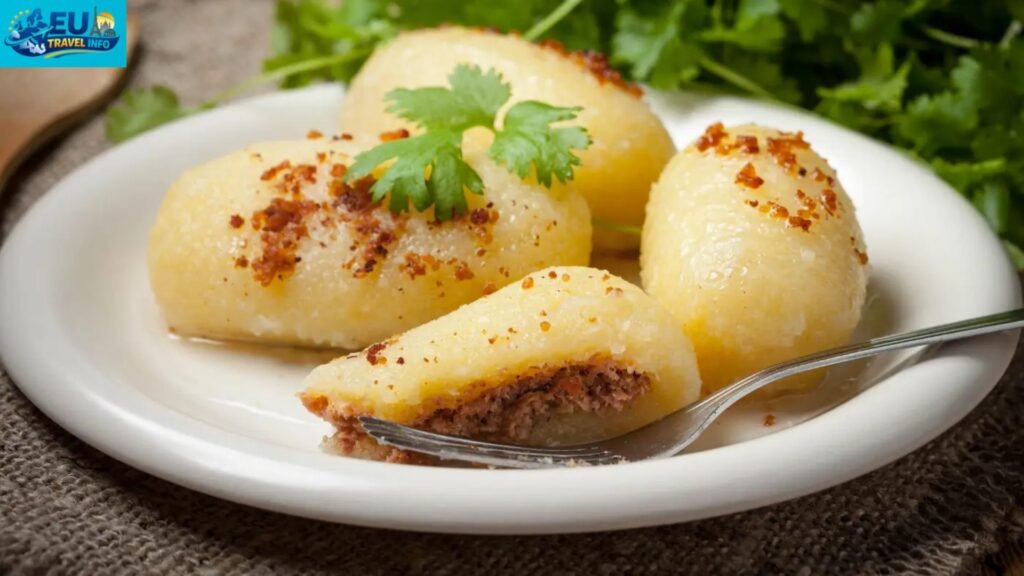
You step off the train and the air feels different. It is fresh. It is welcoming. You are in the heart of Styria. Is Graz in Austria? Yes, it is the second-largest city in the country and it sits in the southeast. People call this region the “Green Heart” of Austria because of its lush forests and fertile farms.
What is Graz Austria known for? It is famous for its narrow medieval streets, its futuristic art, and its stunning courtyards. However, the real reason you are here is the food. The city is the culinary capital of the country. You will find a mix of old farmhouse recipes and modern cooking. Austrian Food in Graz is not just a meal. It is a way of life.
First of all, you must understand why the locals are so proud. They focus on fresh, seasonal items from nearby farms. They respect nature. They use traditional methods. You will see “Steirisch” on many menus.
This word means “Styrian” and it is a mark of quality. The city even earned the title of a UNESCO City of Design, partly because of its food culture. You are about to embark on a journey of taste that covers everything from “liquid gold” to crispy chicken.
The Legend of Liquid Gold

You cannot talk about graz austria food without mentioning Steirisches Kürbiskernöl. This is the famous Styrian Pumpkin Seed Oil. Locals call it “Green Gold” because of its dark, rich color and high value. It has a nutty flavor that you will never forget. It tastes like fresh bread crust and light caramel.
The statistics behind this oil are impressive. A farmer needs 30 to 35 pumpkins to produce just one liter of this oil. On top of that, an average ripe oil pumpkin weighs between 8 and 10 kilograms. These pumpkins are special because their seeds have no hard shell. This mutation happened naturally around 1870. Now, Styria grows about 90 percent of all Austrian pumpkins.
You will see this oil everywhere. People drizzle it over salads and add it to thick soups. They even put it on vanilla ice cream. It is very healthy too. It has no cholesterol. It is full of vitamins A and E. What to buy in Graz Austria? A bottle of this oil is the perfect gift. Look for the “g.g.A.” label. This ensures the oil is authentic and follows strict regional rules.
The Crispy Kings: Backhendl and Salads
Next, you must try the Backhendl. This is Styrian Fried Chicken. It is a classic meal that has been popular since the 18th century. Back then, elite families loved the “Sulmtal poultry” from this region. Today, it is still a favorite.
The chicken is juicy inside. The breadcrumb coating is light and crispy. Chefs often season the meat with salt, lemon juice, and spices. They fry it in clarified butter or plant oil until it turns golden brown.
You will usually get it with a side of potato salad. Similarly, the Backhendlsalat is a big hit. This is a salad topped with warm strips of breaded chicken. Of course, it always has a splash of pumpkin seed oil.
If you want a lighter salad, look for the Käferbohnensalat. This is the Styrian Runner Bean Salad. It uses large, purple-speckled beans. People call them “beetle beans”. Farmers grow almost 90 percent of these beans near the town of Bad Radkersburg. The salad is simple. It has beans, onions, vinegar, and that famous oil. It is a regional superfood.
Also, you should try the Grazer Krauthäuptel. This is a local butterhead lettuce. You can identify it by the red edges on its tender leaves. It is a protected product that has grown here for hundreds of years.
A Taste of the Countryside: The Buschenschank
You need to experience a Buschenschank to truly know the local culture. These are traditional wine taverns. Most are family-run. They follow an old rule from the year 1784.
At that time, Emperor Franz Josef II decreed that winegrowers could serve their own products to travelers. Therefore, these taverns only serve cold food and drinks they make themselves. You cannot even get a cup of coffee there because they do not produce coffee beans.
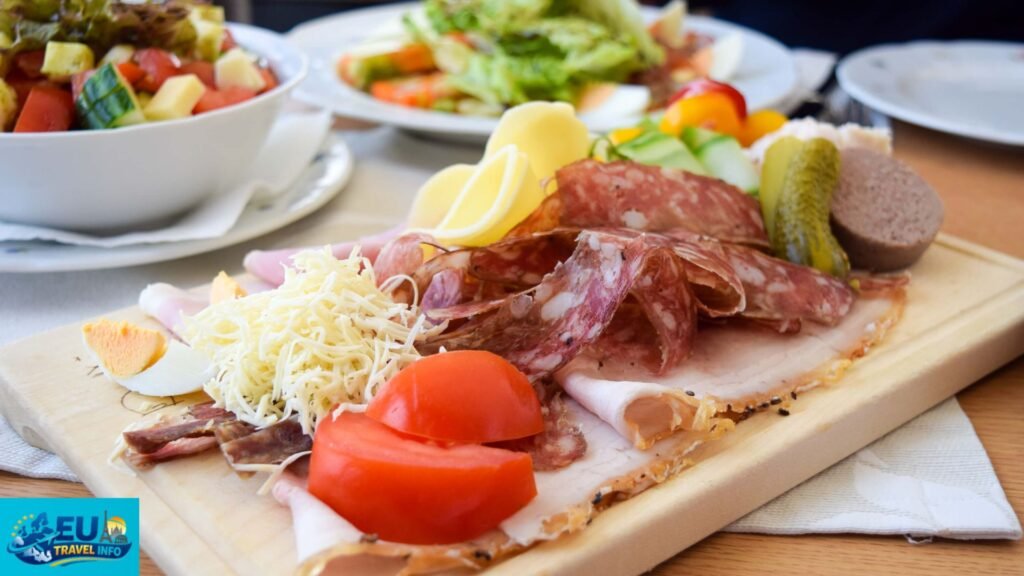
The star of the show at a Buschenschank is the Brettljause. This is a rustic wooden platter. It is loaded with local treats. You will find smoked ham, sausages, and bacon. It also includes Verhackert, which is a spread made from finely chopped smoked bacon and garlic. Additionally, there are pickles and fresh black bread. It is the perfect meal to share with a friend while you sip on local wine.
Where to Find the Best Austrian Food in Graz
You have many choices for austrian restaurants in graz. If you want a casual vibe, go to Der Steirer. It is a favorite because it serves “Styrian tapas”. These are mini versions of classics like beef salad or fried chicken. It is a great way to taste the whole menu without getting too full.
For a bit of history, visit Gösser Bräu. It has been around for over 120 years. It offers a rustic atmosphere and traditional dishes like sour beef or pasta with cabbage. Another cozy spot is the Altsteirische Schmankerlstube. It has dark wood and a very warm feel. If you want something modern, try Laufke. A young team there uses regional products to create authentic meals in a charming, wood-paneled building.
If you feel fancy, you should head up the mountain. Restaurant Schlossberg sits at an altitude of 464 meters. It has a fantastic view of the city. In 2026, it earned two hats from Gault Millau and three forks from Falstaff. It is a place for creative cuisine and high-end traditional plates.
The Magic of the Farmers’ Markets
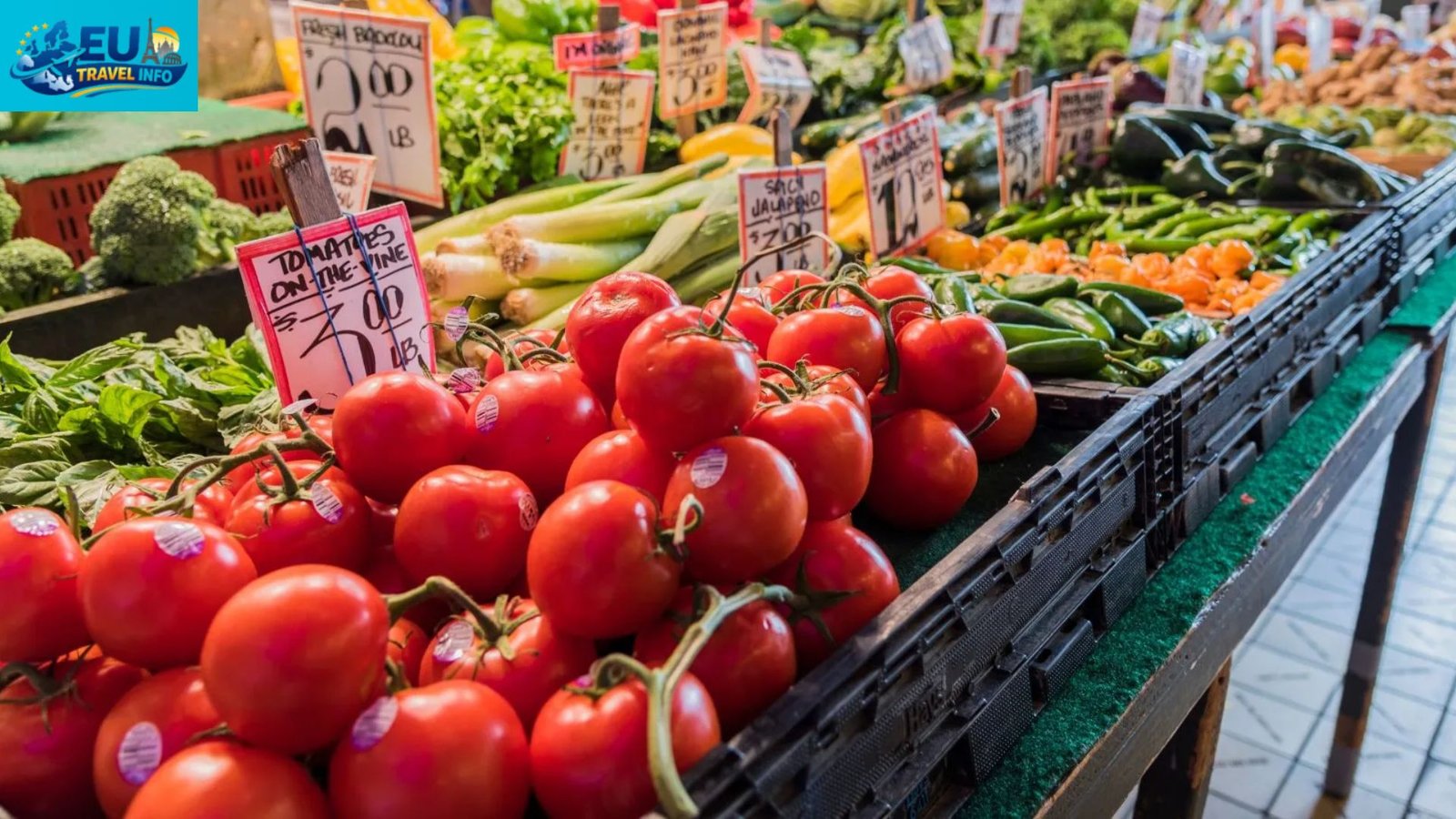
You must wake up early to see the heart of the food scene. Kaiser-Josef-Platz is home to the largest farmers’ market in the city. There are about 350 farmers in the Graz region who bring their goods here. The market starts at 6 am and closes at 1 pm. You will find fresh fruits, organic vegetables, and homemade cakes.
Apples are a big deal here. Styria grows nearly 80 percent of all Austrian apples. At the market, you can find old, aromatic types like Kronprinz Rudolf or Schafnase. You can also buy homemade bacon, smoked sausages, and fresh flowers. It is a sensory delight. A true cultural experience.
Hearty Alpine Comfort
When the weather gets cold, you want something warm. Steirische Käsespätzle is the answer. These are handmade egg noodles mixed with melted mountain cheese and topped with fried onions. It is a rich and satisfying meal after a long day of sightseeing.
Another traditional dish is Steirischer Wurzelfleisch. This is boiled pork with root vegetables like carrots and celery. It comes with a spicy horseradish sauce and potatoes. Steirischer Heidensterz is another local favorite.
It is a buckwheat mush that people call the national dish of Styria. It dates back to the 15th century. Back then, it was a simple meal for peasants. Now, even fancy restaurants serve it.
You might also see Klachelsuppe on the menu. This is a hearty Pork Knuckle Soup. It has many herbs and a dash of white wine. It is often paired with the buckwheat mush.
Sweet Treats and World-Famous Chocolate
You cannot leave without dessert. The Apfelstrudel is a sweet tradition. Since Styria is famous for apples, the strudel here is extra special. It often comes with vanilla sauce or whipped cream. For something modern, try the Kürbiskernparfait. This is a pumpkin seed parfait that you can find in upscale restaurants. It mixes pumpkin seed paste with cream and chocolate.
On top of that, you must explore Zotter Chocolate. This is the biggest independent chocolate maker in Austria. They are unique because they handle every step of the process in-house.
They offer over 400 different kinds of chocolate. Some flavors are very strange. You can find chocolate with avocados, bacon bits, or even cheese and walnuts. Their factory in the village of Bergl is a dream for any chocolate lover.
Raising a Glass: Local Drinks
Your meal needs the right drink. Styria is a land of wine and beer. Schilcher is a unique rosé wine that you will only find here. It is made from a special grape called Blauer Wildbacher. It has a zingy, citrus flavor. For white wine lovers, try a Sauvignon Blanc or a Welschriesling.
If you prefer beer, you are in luck. The region has a long history of brewing. Gösser and Puntigamer are two of the most popular brands. You can also find great craft beers from small breweries like Bevog or Noom.
Planning Your Food Tour
What is the best Austrian food in Graz? It depends on your mood. A Brettljause is perfect for a sunny afternoon at a tavern. A warm plate of Käsespätzle is best for a chilly evening. Best Austrian restaurants in Graz often have seasonal menus.
Spring is great for fresh salads and herbs. Summer is the time for cold platters. Autumn is the best season for food lovers. This is when you can try new wine and eat dishes made with fresh pumpkins and game meat. You can also attend the Graz Food Festival in August. It features dinners with top chefs, workshops, and culinary tours.
Tips for Travelers
First of all, you should eat where the locals eat. Look for families dining in traditional taverns. Use the markets in the morning for the freshest snacks. Ask the waiters for seasonal specials. Try pumpkin seed oil on everything.
You will find that prices are quite fair. A main dish usually costs between 12 and 20 Euros. A Brettljause is around 8 to 15 Euros. Even if you are a vegetarian, you have many options. You can enjoy bean salads, cheese noodles, and mushroom goulash.
Finally, do not rush. Styrian hospitality is about slowing down. Enjoy the views of the rolling hills. Taste the “Green Heart” of Austria in every bite. Graz will feed your soul and your stomach.
FAQ’s
What are the most popular Austrian foods to try in Graz?
You should definitely try Backhendl (fried chicken), Brettljause (cold cut platter), and any dish with Styrian Pumpkin Seed Oil. Käferbohnensalat (bean salad) and Apfelstrudel are also huge favorites.
Where can I find authentic Austrian food in Graz?
Authentic spots include traditional taverns like Der Steirer, Gösser Bräu, and Altsteirische Schmankerlstube. For a rural experience, visit a Buschenschank like Buschenschank Wastl.
What traditional dishes is Graz famous for in Austria?
Graz is famous for its Pumpkin Seed Oil, Styrian Fried Chicken, and Verhackert (bacon spread). It is also known for the Grazer Krauthäuptel lettuce and Steirischer Kren (horseradish).
Are there affordable places to enjoy Austrian food in Graz?
Yes, traditional taverns (Gasthaus) and wine taverns (Buschenschank) are usually cheaper than fine dining. Market snacks at Kaiser-Josef-Platz are very affordable, costing between 3 and 6 Euros.
What is the best time to explore Austrian food in Graz?
Autumn is the absolute best time because of the pumpkin harvest and new wine. However, every season has its own perks, like fresh herbs in spring or hearty stews in winter.
Do restaurants in Graz serve vegetarian Austrian dishes?
Yes, vegetarians can enjoy many local plates like Steirische Käsespätzle (cheese noodles), Käferbohnensalat (bean salad), and pumpkin soups. Many places now also offer plant-based versions of classics.
How does Austrian food in Graz differ from other regions?
Food in Graz focuses heavily on the local Pumpkin Seed Oil and products from the Styria region like runner beans and apples. It has a unique mix of Alpine and Mediterranean influences that you do not find in the north.
Concluding Words
Graz is a true paradise for anyone who loves good food. You can enjoy everything from simple farm-to-table salads to award-winning creative meals.
Whether you are sipping on Schilcher wine at a Buschenschank or tasting strange chocolate flavors at Zotter, you will feel the deep traditions of the region. The “Green Gold” and the “Green Heart” wait for you.