You step off the Stefanie ferry and the cool air of the lake hits your face. Lake Hallstatt looks like a mirror that reflects the giant Dachstein mountains. This village is a UNESCO World Heritage Site for a very good reason. It is a place where you can find visual therapy just by looking around. You are about to go on a food journey that is 7,000 years in the making. Austrian Food in Hallstatt is not just about eating. It is about history on a plate.
First of all, you must understand how important salt is here. People call it “white gold” because it was used to keep meat fresh for a long time. This tiny village has only about 800 to 1,000 local residents. However, more than one million visitors come here every year to see the sights and taste the treats. You are one of the lucky ones who will eat like a local.
The Fresh Catch of the Lake
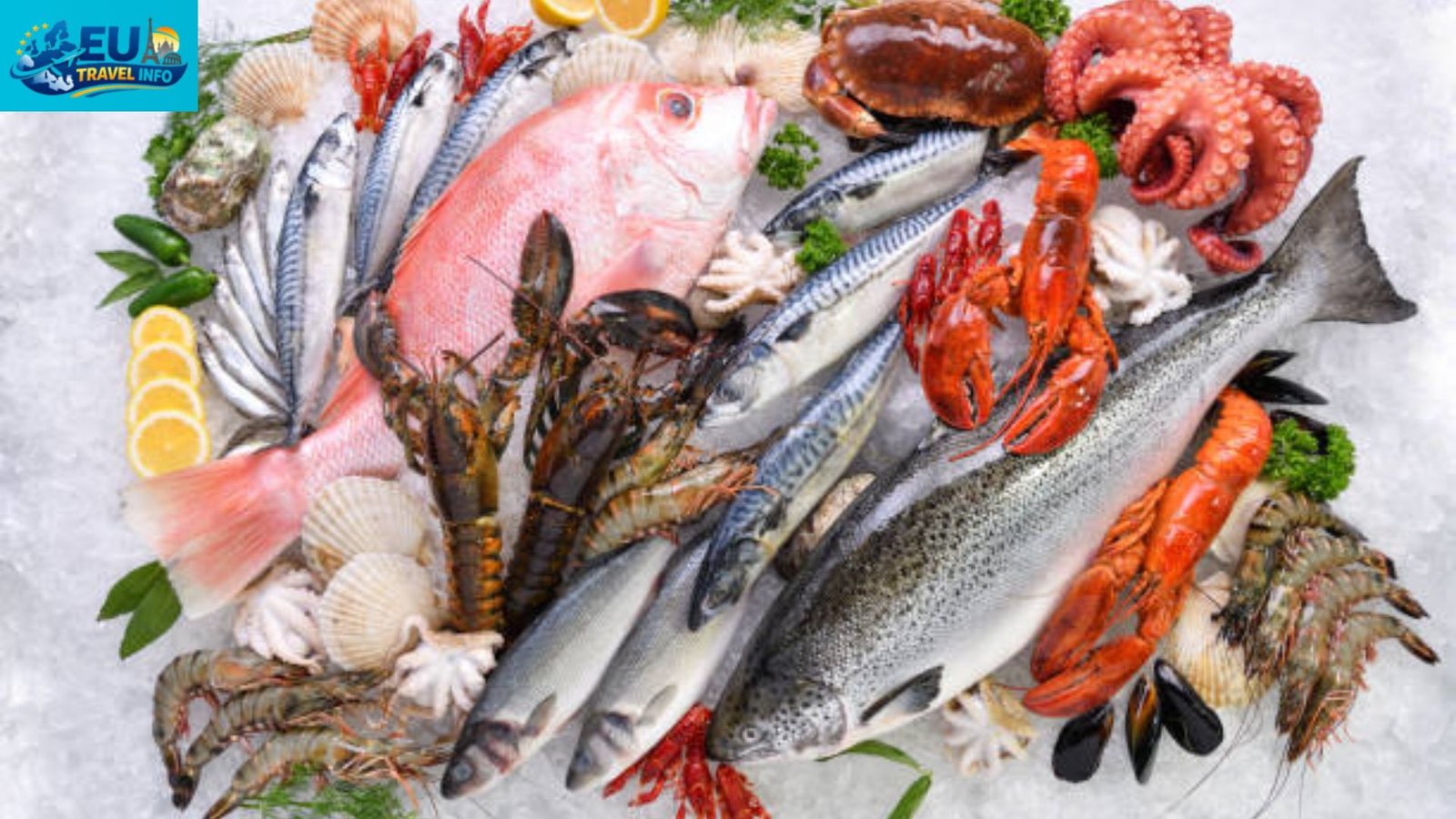
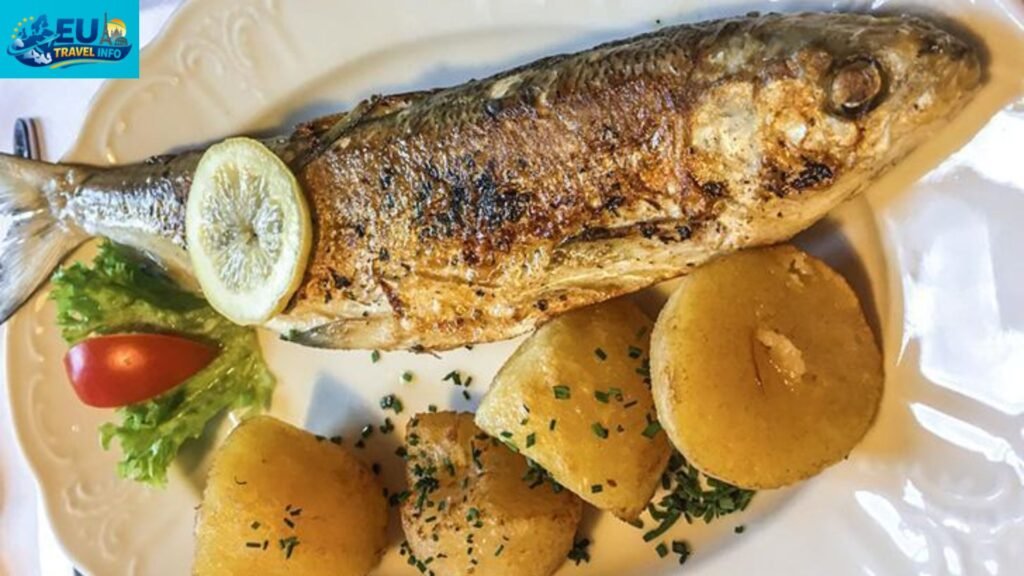
You cannot visit a lakeside village without trying the fish. Reinanke, also known as whitefish, is a prize here. Local fishermen catch it fresh from the clear water. Similarly, you will find Char or Saibling on almost every menu. A very special dish you must try is Lake Hallstatt char in a mountain-salt crust. This is a local version of a famous Italian classic. The fish is baked inside a hard layer of salt from the local mines.
Later, when you sit at a restaurant like Gasthof Zauner, you will see how they care about quality. They have been a family business for more than 150 years. They only use local products like herbs and organic meat. The fish often comes to your table with the head still on. It is as fresh as it gets. Additionally, you can try Arctic cod or trout at the Bräugasthof. This restaurant is in an old building that used to sell salt.
Golden Schnitzel and Hearty Meats
First of all, everyone knows Wiener Schnitzel. It is the most famous dish in all of Austria. In Hallstatt, you will find it made with pork or veal. The meat is pounded until it is very thin. Therefore, it feels light even though it is fried. It has a golden brown crust that is very crispy.
At that time, you might expect fries on the side. However, traditional restaurants serve it with a lemon wedge and parsley potatoes. A tart cranberry sauce or lingonberry jam is often on the side too. This sweet and sour taste cuts through the rich meat perfectly. Plus, you might get a side of Erdäpfelsalat, which is Austrian potato salad. It uses a vinegar and oil dressing instead of heavy mayo.
On top of that, you should look for Beef Goulash. This is a thick stew that came from Hungary but became an Austrian favorite. It uses beef, onions, and a lot of paprika. It is pure comfort food for a cold day. Gradually, you will notice that Austrian food is very filling.
The Magic of Dumplings and Pasta
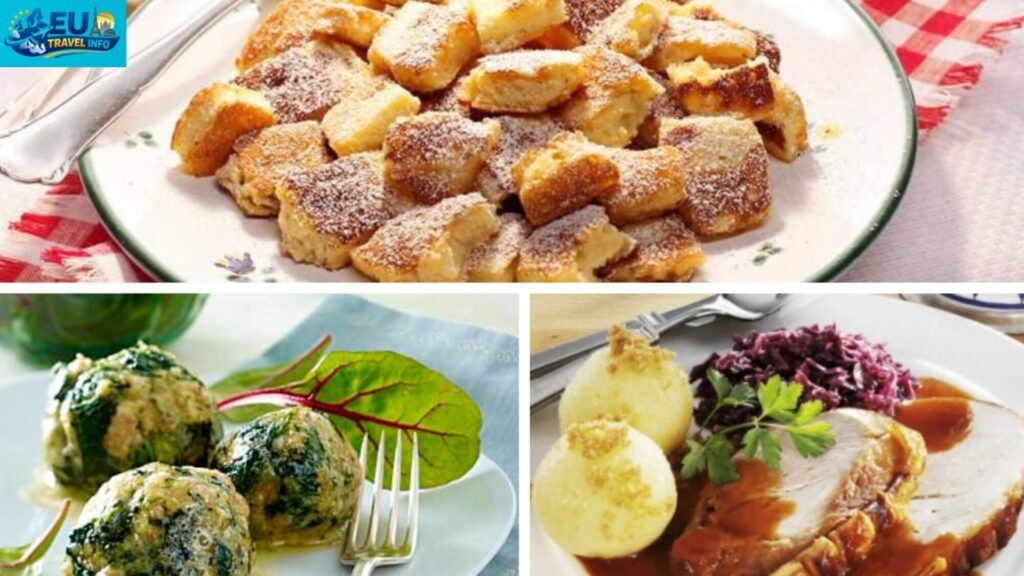
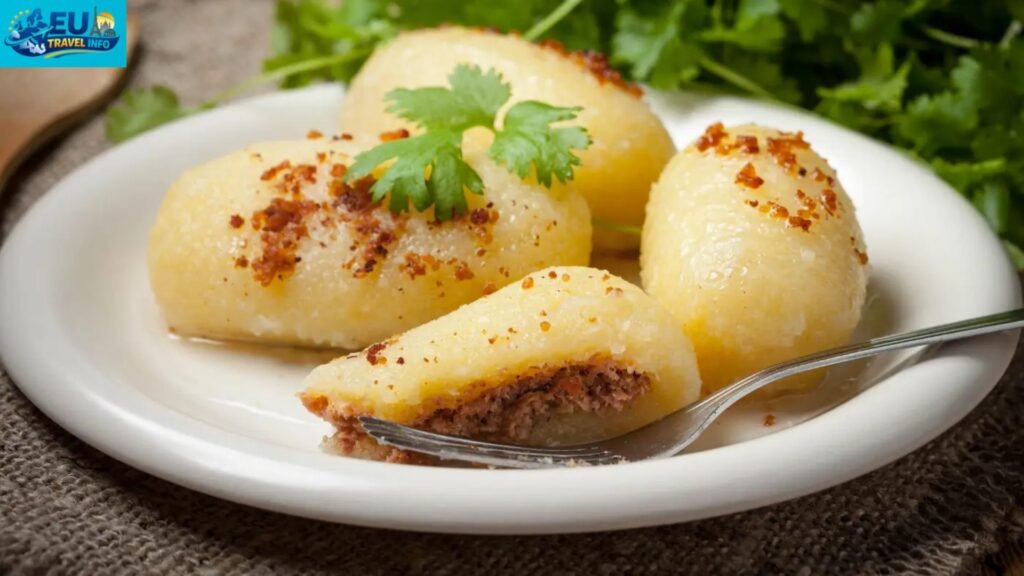
You must try the Knödel. These are round dumplings made from bread or potatoes. They are a huge part of the local diet. Similarly, Kasnocken or cheese noodles are a must. These are like a much better version of macaroni and cheese. The noodles are small and gnocchi-like. They are mixed with Bergkäse, which is a sharp mountain cheese. Finally, they are topped with crispy fried onions.
Additionally, you might find dumplings with cheese and caramelized onions at places like Uferwirt Seeraunzn. These dumplings have a pillowy inside and a golden crust. They are very cheesy and very satisfying. On the contrary, some dumplings are filled with meat and served with sauerkraut.
Sweet Ends and Bakery Treats
Finally, you must save room for dessert. The Apple Strudel in Hallstatt is world-class. It is filled with sweet apples and cinnamon. You can have it with whipped cream, ice cream, or warm custard. Later, you might want to try Kaiserschmarrn. This is a shredded pancake that is very fluffy. It was a favorite of the Emperor. It usually comes with a fruit compote or jam.
First of all, you should visit the Maislinger Bakery. It is a family-run spot that has been around for many years. You can grab a raisin croissant or a piece of traditional cake. Locals recommend their toast with ham and cheese for a quick snack. Plus, look for Schaumrollen. These are cream rolls that are baked fresh in the oven. They are light, crispy, and sweet.
Scenic Spots to Eat
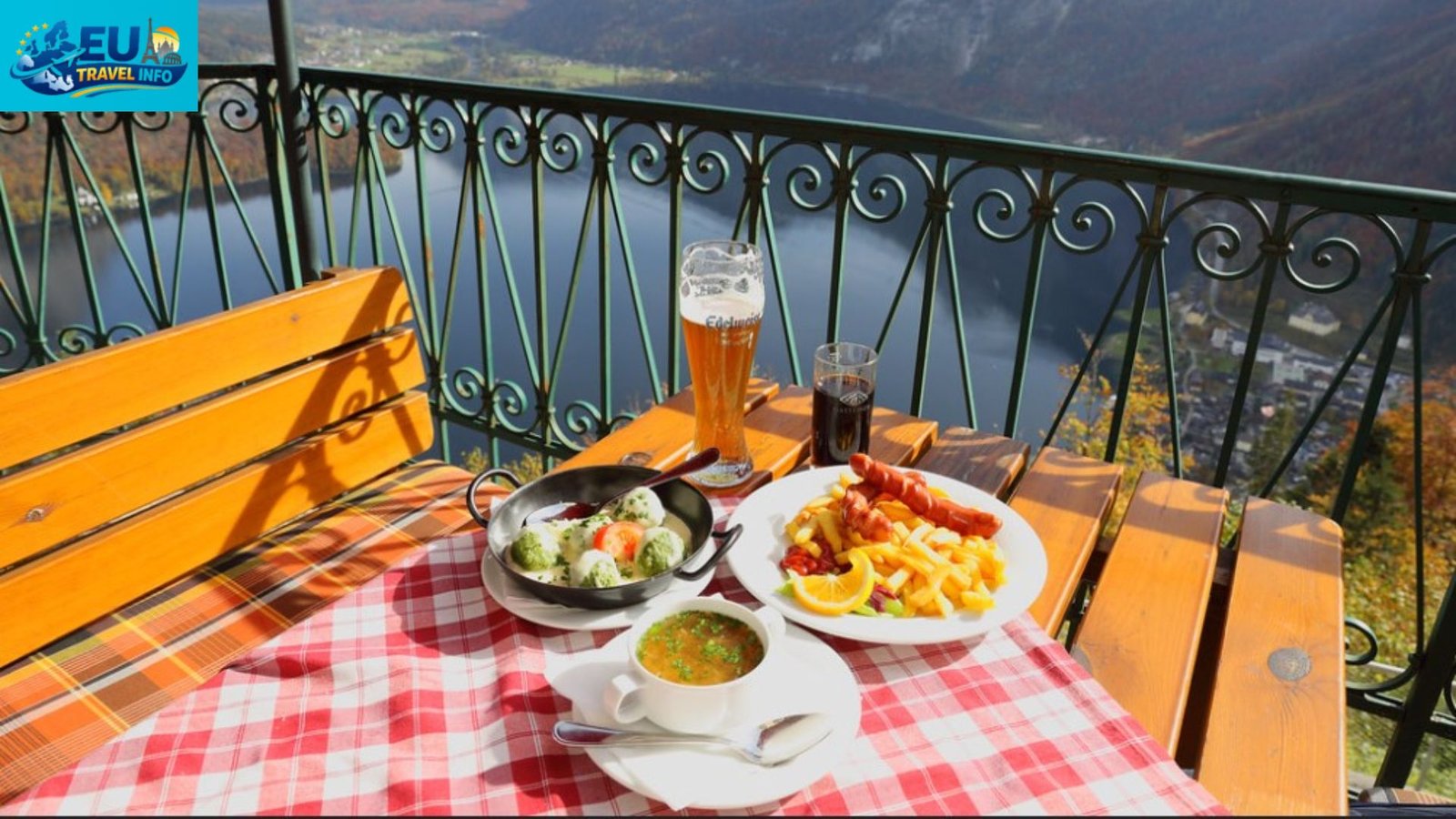
Though the food is great, the views make it better. Rudolfsturm is a restaurant in an old 13th-century watchtower. You must take a funicular train or hike up a steep trail to reach it. It sits 360 meters above the village. You can sit on the terrace and look at the Dachstein mountains while you eat local dishes.
Similarly, the Goiserer Mühle sits right by a babbling stream. You can watch ducks swim while you enjoy regional food. They use natural products from local farmers. They even make their own noodles for their pasta dishes. Therefore, every bite tastes like the mountains.
A Taste of Ancient History
You might not know that food history here goes back to the Iron Age. Scientists found evidence of blue cheese and beer in the salt mines from 2,700 years ago. The cool and salty conditions in the mine kept these ancient snacks preserved.
Gradually, researchers learned that these early miners were very good at fermenting food. They used the same kind of yeast we use today for brewing. Therefore, when you drink a cold beer in the Marktplatz, you are sharing a tradition with miners from thousands of years ago.
Practical Tips for Your Food Tour
First of all, get to the village early. Big groups of tourists arrive around 9:00 AM. You should try to stay one night so you can see the village when it is quiet in the evening. However, if you only have a day, make sure you take the ferry for the best views. The ferry costs 2.50 euro and meets every train.
Additionally, visit the Weekly Farmer’s Market at Pfannhausbühel. It opens at 8:00 AM on certain days starting in March. You can find goat and sheep milk products, sausages, and fresh butter. You can even get coffee and cake at a special price. It is a great place to meet locals and see the regional products.
On top of that, remember to be quiet and respectful. People actually live in those beautiful homes. Therefore, follow the signs and keep the noise down. You will find that the hospitality is very warm if you are a kind guest.
FAQ’s
What are the most popular Austrian foods to try in Hallstatt?
The most popular items include Wiener Schnitzel, Reinanke (fresh lake fish), Käsespätzle (cheesy pasta), and Apple Strudel. These dishes represent the heart of local and national traditions.
Where can you find authentic Austrian food in Hallstatt?
You can find authentic meals at Gasthof Zauner, Bräugasthof, and Rudolfsturm. The Maislinger Bakery is also a great spot for traditional baked goods.
Is traditional Austrian food in Hallstatt expensive for tourists?
Prices vary, but some places like Goiserermühle focus on being affordable for everyone. You can expect to pay standard European prices for a high-quality meal in a tourist area.
What local dishes are unique to Hallstatt in Austria?
The Lake Hallstatt char in a mountain-salt crust is a very specific regional dish. Reinanke whitefish caught directly from the lake is also a specialty you will not find everywhere.
Are there vegetarian options available in Austrian food in Hallstatt?
Yes, you can enjoy Käsespätzle, cheese dumplings, and various soups without meat. Many restaurants also offer Italian-style pasta and pizza with vegetarian toppings.
When is the best time to enjoy Austrian food in Hallstatt?
Summer is wonderful for eating on lakeside terraces. However, arriving early in the morning helps you beat the crowds and enjoy a peaceful breakfast at a local bakery.
Which restaurants serve the best Austrian food in Hallstatt?
Rudolfsturm is highly recommended for its views and traditional dishes. Gasthof Zauner and Bräugasthof are also top choices for fresh fish and authentic flavors.
Concluding Words
Hallstatt is a dream for anyone who loves good food and beautiful views. You can eat fresh lake fish, crispy schnitzel, and sweet strudel while looking at the mountains.
This village offers a taste of 7,000 years of history through its salt-themed dishes and ancient traditions. Every meal is a chance to connect with the UNESCO World Heritage culture of this magical place.