

You are likely sitting at your kitchen table with a hot cup of coffee. You have a map of the world or perhaps just a tablet open. You are ready to plan that big adventure through the old streets of Rome or the sunny coasts of Portugal. To travel is a joy. To save money while you travel is a victory.
You want to know When To Buy Flights Within Europe so you can spend your hard-earned cash on a nice dinner in Paris instead of a plastic seat on a plane. I have spent years watching the numbers dance on my screen. I have learned the secrets that the big airlines do not want you to know. 2026 is going to be a huge year for travel. You must be ready.
First of all, you need to understand that the old ways of booking are gone. You cannot just wait until the last minute and hope for a miracle. Cheap flights within Europe require a plan. If you want the best tips for cheap tickets 2026, you have come to the right place. I will share everything I know about the timing, the tech, and the traps.
The Magic Window: When to Book Flights to Europe
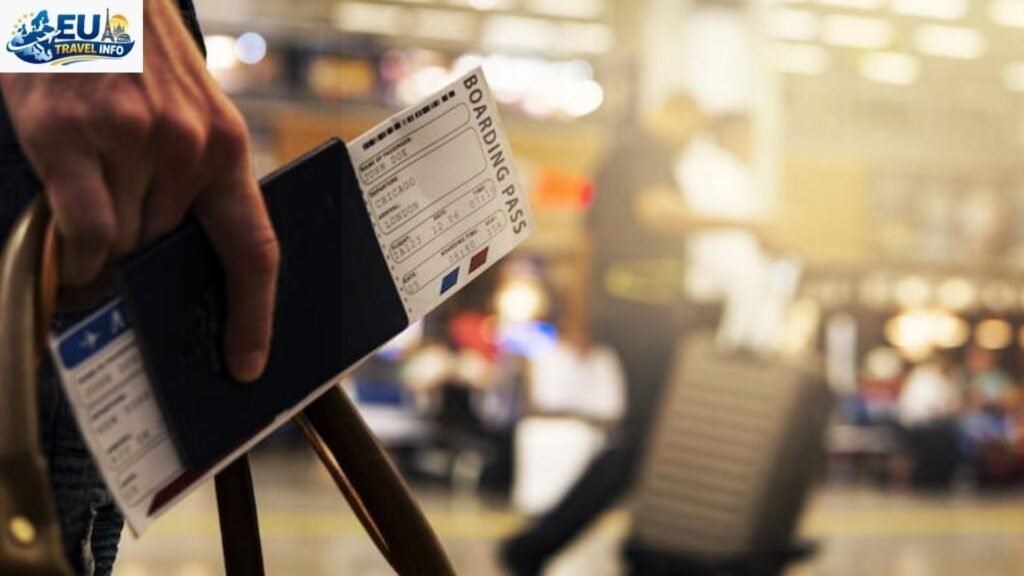
The most common question I hear is simple. When is the best time to buy flights within Europe? For most short flights inside the continent, you should look for a window between two and six months before you leave. This is the sweet spot. If you book too early, the airline might not have released its best prices yet. If you book too late, you will pay a “procrastination tax.”
Prices for seats usually start to climb fast in the final two weeks before a flight. You do not want to be that person. You should aim to have your tickets locked in at least 48 days before your departure. For domestic flights within a single country, you can sometimes wait a bit longer. You might find a good deal about 39 days out. However, if you are a mature traveler who likes a firm plan, stick to that two-month rule.
Additionally, you should know that when to book flights to Europe depends on the season. If you want to visit in the spring of 2026, you should ramp up your search in January or February. This puts you ahead of the crowds. You will find that most airlines have released their tickets by then. You will also avoid the stress of a last-minute price surge.
The Best Days to Fly and Buy
You might think that the day you buy the ticket matters most. That is a half-truth. While some data suggests that Sunday is a great day to book to save money, the day you actually get on the plane is more important. You should avoid the “weekend tax” at all costs.
Most people want to leave on a Friday and come back on a Sunday or Monday. The airlines know this. They raise the prices because demand is high. On the contrary, Tuesday, Wednesday, and Thursday are your best friends. If you fly midweek, you can save an average of 13% on your ticket price. On some popular routes like Amsterdam to Barcelona, a Tuesday flight might be €30 to €80 cheaper than a Friday flight.
First of all, check your calendar. Can you shift your trip by just one or two days? If you fly on a Tuesday instead of a Saturday, you might save enough for a whole extra day of sightseeing. Similarly, Tuesday is often the least busy day to fly. You will deal with fewer crowds at security. You will have more room in the overhead bins. It is a much more pleasant experience for a mature traveler who values peace and quiet.
When is the Cheapest Time to Buy Flights Within Europe?

Seasonality is the biggest driver of cost. If you are looking for when is the cheapest time to buy flights within Europe, the answer is the winter. Specifically, January, February, and March are the bargain months. Once the New Year rush ends, airlines slash prices to fill seats. You can find flights that are 40% to 60% cheaper than summer fares during this time.
Early November and the first two weeks of December are also excellent for low fares. You should avoid travel near the Christmas and New Year holidays. Prices during that time can rival the highs of the summer season.
On top of that, June is surprisingly the most budget-friendly month for international travel according to some 2026 data. Fares in June can be 68% lower than in December. This is a great tip for anyone wondering when to buy flights to Europe for summer. If you can go in early June, you will beat the July heat and the July prices.
A Deep Dive into Summer 2026
If your heart is set on a summer vacation, you need a specific strategy. You are likely asking when to buy flights to Europe for summer 2025 or even 2026. The answer is February. February is the “window of opportunity” for summer travel.
By mid-February, you should have your peak summer dates finalized. If you wait until March or April, you might see prices jump by $200 to $400 per ticket. That is a lot of money to lose just because you waited a few weeks.
- For July travel: Book by February 15.
- For August travel: Book by February 28.
- When to buy flights to Europe for July: You must act early because school is out and everyone is traveling.
If you see economy fares between $650 and $900 roundtrip for major hub routes like New York to London or Boston to Paris, you are in the right window. Do not wait for a “perfect” price that may never come. A good price today is better than a nonexistent price tomorrow.
Avoiding the 2026 Holiday Peaks
You must be careful with certain dates in 2026. Europe has many public holidays that send prices through the roof. If you travel on these days, you might pay two to three times the normal price.
First of all, watch out for Easter Sunday on April 5, 2026. School holidays across Europe will run from late March through mid-April. This is a very expensive time to fly. Similarly, May 1 is May Day. It is a major holiday in France, Germany, and Italy. You should also avoid May 13 (Ascension Day) and May 24 (Whit Monday) if you want to keep your costs low.
On top of that, August is the month when almost all of Europe goes on vacation. If you are traveling with a family, like the user hooveliz on the Rick Steves forum, you should buy as soon as you have your dates for an August trip. There are no last-minute deals in August. The flights will be full. The prices will only go up.
The Budget Airline Reality Check
Europe is famous for its low-cost carriers. You have likely heard of Ryanair, easyJet, and Wizz Air. They offer fares as low as €9.99 or €20. Though these prices look amazing, you must be careful.
Ryanair is often the cheapest, but they fly to secondary airports. For example, London Stansted is over 60 miles from central London. It can take two hours to get there by bus. You might save money on the flight but spend it all on a taxi.
Wizz Air is the champion of Eastern Europe. They have a modern fleet and a great discount club for frequent travelers. However, their baggage costs can be high.
easyJet is often called the “premium” budget option. They fly to main airports like Gatwick or Paris Charles de Gaulle. Their prices are usually 20% to 30% higher than Ryanair, but the convenience is often worth it.
You must remember that not all airlines are created equal. Before you click “buy,” you should calculate the total trip cost, not just the headline fare. A €50 easyJet flight that includes a carry-on might be a better deal than a €30 Wizz Air flight that charges €25 for that same bag.
The Secret of the “Greek Islands Trick”
One of my favorite methods for saving money is the Greek Islands Trick. The idea is simple. You focus on getting across the ocean as cheaply as possible to a major hub like London, Dublin, or Paris. Once you are in Europe, you use the inexpensive regional airlines or trains to reach your final destination.
Europe is relatively small. It is very easy to move between cities. If a direct flight to Naples is too expensive, fly to Rome first. You can then take a fast train or a budget flight for very little money. This “positioning” can save you hundreds of dollars.
Technology and the Cookie Myth
You have probably heard that you should clear your browser cookies to get better prices. This is a classic travel myth. Airlines are not raising fares just because your laptop looked “too interested”. Large studies have shown that the base fare does not change because of your search history.
However, clearing your cookies can still save you money. It is not about the airline stalking you. It is about the “wrapper” around the price. Cookies can store:
- Your currency preference.
- Your previous baggage selections.
- A specific “bundle” that was pre-selected.
- A specific country version of the site.
If you clear your cookies, you reset the site to its default state. This can help you avoid dynamic currency conversion fees or sneaky add-ons that were “remembered” from your last search. It is a good idea to use a “clean” browser session or a private window for your final booking.
Watch Out for Hidden Fees
The budget airlines are masters of the upsell. You must be a “stealth traveler” to avoid their traps. Here is what you should watch for:
- Baggage: Many airlines only allow a small personal item for free. If your bag is 2cm too big, they will charge you at the gate.
- Seat Selection: You might pay €5 to €30 just to sit next to your travel partner.
- Airport Check-in: Never do this. Some airlines charge €30 to €55 if you do not check in online.
- Printing Boarding Passes: Ryanair has been known to charge €20 to print a pass at the airport.
Plus, you should always check the luggage rules for trains if you choose that route. While trains do not usually charge for bags, you are responsible for carrying them on and off yourself. Pack light. You will thank me when you are walking across a cobblestone street in Florence.
Alternative Transport: Trains, Buses, and Ferries
Flying is not always the best way to get around. If you are going from one city center to another, a train ride can be just as fast as a flight. When you factor in the time to get to a distant airport, clear security, and wait at the gate, the train often wins.
European train stations are usually right in the heart of the city. You can walk off the train and be at your hotel in ten minutes. For longer distances, you should look into overnight sleeper trains. You save the cost of a hotel room for one night. It is a classic way to travel that many mature tourists love.
If you are on a very tight budget, consider the bus. You can get across much of the continent for as little as €15 to €20. For coastal trips, a ferry can be a scenic and affordable option. You can plug your destination into a tool like Rome2rio to see all these options side-by-side. Do not assume flying is the only way.
The 7-Day Booking Workflow
To stay in control, you should follow a routine. Here is how I do it:
- Day 1: Pick two tools. Use one search engine like Google Flights and one airline-direct site.
- Day 2: Set price alerts for three different date ranges.
- Day 3: Run a “same itinerary” test. Compare the price on your phone versus your desktop. Sometimes the app has a “new user” discount.
- Day 4: Create your “no surprise” rules. For example, decide now that you will never pay for “priority boarding” unless you truly need it.
- Day 5: Use cookie-clearing as a reset button if the prices look weird.
- Day 6: Book direct with the airline if the price is close to the search engine price. This gives you more control if something goes wrong.
- Day 7: Lock the flight and stop checking the price. Your peace of mind is worth more than a few Euros.
Your Rights as a Passenger
Sometimes, things go wrong. Flights are delayed or cancelled. In Europe, you have strong passenger rights. Under laws like EU 261, you might be entitled to up to €600 in compensation for a major disruption.
If your flight is delayed, you should document everything. Take a photo of the departure board. Ask the airline staff for the specific reason for the delay. Keep all your receipts for food or hotels. Do not accept vague vouchers without reading the fine print. You can use services like Skycop to help you claim this money if the airline makes it difficult.
Gradually, you will become an expert at navigating the European skies. You will know that when to buy flight tickets Europe is about timing, but also about being smart with your choices. You will look for the Tuesday departures. You will pack a light bag. You will book your summer trip in February.
Finally, you will be standing in that square in Naples. You will have a slice of the best pizza in the world in your hand. You will smile because you know you did not pay too much to get there. You are a smart traveler. You are ready for 2026.
FAQ
What is the best time to buy a domestic flight?
For flights within a single country, the best time is often about 39 days in advance. You can sometimes find good deals even closer to the date, but the one-month mark is a safe bet for a good price.
What is the airport 45 minute rule?
This rule usually refers to the minimum time you must be checked in and have your bags dropped before a flight. Many airlines will close the gate or the bag drop exactly 45 minutes before departure. If you are one minute late, you will not be allowed to board. For budget airlines in Europe, this rule is often very strict.
How early should you be for a flight within Europe?
You should aim to be at the airport at least two hours before a short-haul flight. If you have checked bags or if the airport is very large, like London Heathrow, you should allow even more time. If you are connecting from an international flight, give yourself at least three hours to go through immigration and security again.
How to get cheap flights across Europe?
The best way is to combine several strategies. Fly midweek (Tuesday or Wednesday), book 2-6 months in advance, and use budget carriers but watch for hidden fees. Also, check alternative airports and consider using the “Greek Islands Trick” by flying into a major hub first.
Concluding Words
Planning your 2026 trip to Europe does not have to be a headache. To find the lowest prices, you should book your flights two to six months ahead, especially for summer travel where February is the key booking month. Always choose midweek flights on Tuesday or Wednesday to save about 13% and avoid the expensive weekend crowds. Be a smart shopper by checking for hidden fees on budget airlines and comparing the total trip cost instead of just the base fare. With these tips, you will keep your budget intact and your travel stress low.