I have spent many years traveling with my children across the European continent. This journey taught me that a perfect family holiday requires a balance of safety, fun, and easy access. I have walked on hundreds of shores to find the best family beach vacation in europe. This guide shares my personal experiences to help you plan safe family trips. Europe offers a vast variety of coastlines that cater to all ages. Whether you have a tiny baby or a picky teenager, there is a sandy paradise waiting for you.
Safety First – The Colors of the Coast
I always look for specific awards when I choose a destination. First of all, you should know about the Blue Flag. This trademark belongs to the Foundation for Environmental Education. It means a beach meets high standards for quality, safety, and water cleanliness. As of 2025, Spain leads the world with 642 Blue Flag beaches. Additionally, I look for the Green Flag in Italy. This award comes from a group of over 2,000 pediatricians. They pick beaches that have soft sand, shallow water, and plenty of space between umbrellas. This helps ensure the health and well-being of your children.
However, safety is not just about awards. I always check for the presence of lifeguards. Additionally, I look for beaches with a gentle slope into the sea. Therefore, your little ones can splash around without the water getting deep too fast. Plus, I check for nearby facilities. Clean toilets and snack bars are a must for any parent. At that time, I did not realize how important a wooden walkway could be for a stroller. Now, I know better.
Spain – The King of Family Beaches
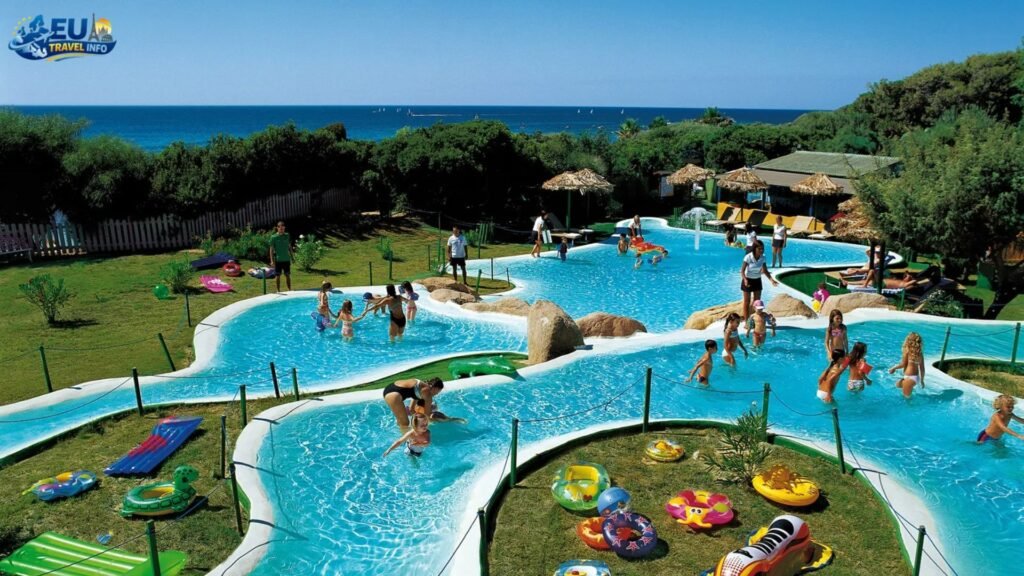
I have found that Spain is one of the most kid friendly countries in europe. The variety of its coasts is truly impressive. My favorite spot is Playa de Muro in Mallorca. This beach is 6 kilometers long. It has soft white sand and the water stays shallow for a long time. Children can wade out 50 meters and the water only reaches their knees. It is nature’s largest paddling pool. On top of that, there are many beach resorts in europe for families located right here. I suggest the Iberostar Playa de Muro because it has a great splash park.
Alcúdia Beach is another champion for all ages. It offers 7 kilometers of golden sand. Spanish families bring three generations here for Sunday lunch. The seafront promenade is a traffic-free zone. Perfect for kids on scooters. Similarly, Cala Galdana in Menorca is a dream. It is a calm horseshoe bay with turquoise waters. It feels like the Caribbean but with a Mediterranean twist. Gradually, you will fall in love with the pine trees that provide natural shade.
Costa del Sol also has a gem called Playa del Cristo in Estepona. It is well sheltered and the Mediterranean is as calm as a pool. I love that you can park almost right on the sand. Later, we traveled to the Canary Islands. Tenerife is home to Playa de Las Vistas. This beach is famous for its accessibility. It has wooden walkways that go directly to the water. Over 17.8 million tourists visited the Canary Islands in 2024 because the weather is mild all year.
Portugal – The Sunny Algarve
I believe the Algarve is one of the best international beaches for families. Portugal is known for being very welcoming to children. Waiters often coo over babies at dinner. Praia da Falésia is a top contender. It stretches between Albufeira and Vilamoura with golden sand and dramatic cliffs. The sand is flat for several kilometers. Ample space for sandcastles. Additionally, the region has over 300 days of sun every year.
Praia da Rocha in Portimão is another iconic spot. It has a huge sandy area and very calm waves. On the contrary, if you want a secret spot, try Praia da Salema. It is further west and feels very local. Toddlers love watching the fishermen clean their nets. Similarly, Ilha de Tavira offers a unique experience. You take a short ferry ride to reach an island with 11 kilometers of sand. There are no busy streets here. Only peaceful nature.
Praia do Anção near Faro is perfect if you want a quiet day. It sits in a luxury area called the “Golden Triangle”. The water is well-protected from winds. Therefore, it is safe for little swimmers. I also recommend a walk on the boardwalk at Praia da Quinta do Lago. The white sand and Atlantic views are breathtaking.
Greece – Ancient History and Pink Sands
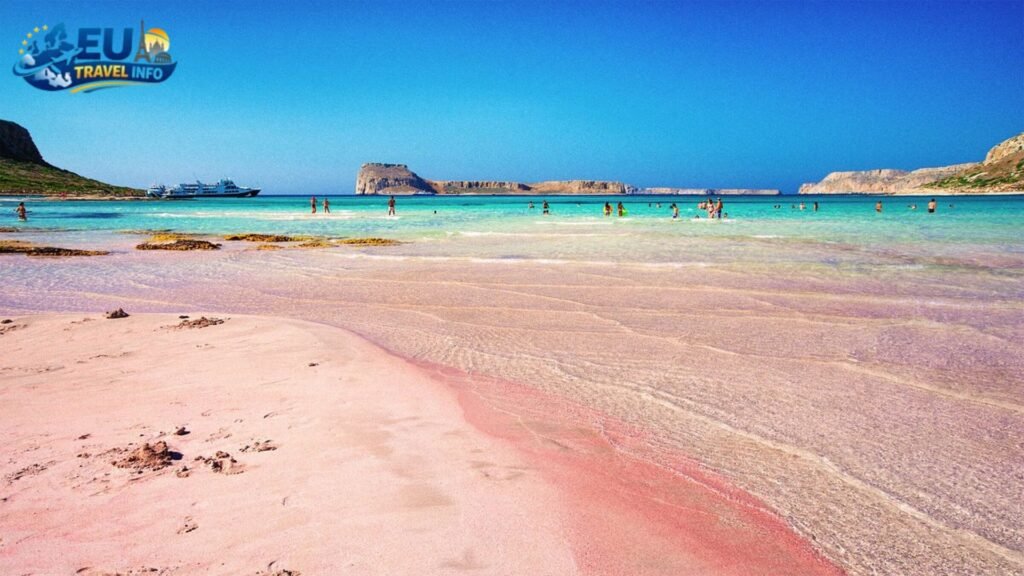
The Greek islands are among the most family friendly international destinations. I suggest starting with Crete. It is the largest island and has something for everyone. Elafonissi Beach is famous for its pink-colored sand. The water is warm and only knee-deep for a long way. It is one of the most beautiful sandy beaches in europe. First of all, arrive early. It is a popular spot and the parking fills up.
Agios Panteleimonas in South East Crete is another great choice. It avoids the choppy seas often found in other parts of the island. The water is calm and perfect for paddling. Plus, you can hire sunbeds and umbrellas. Additionally, the Balos Lagoon offers shallow, warm waters and stunning scenery. You can reach it by boat or a hike. I prefer the boat with kids.
Naxos is an island I highly recommend. It is less touristy than Santorini. Agios Prokopios has soft sand and calm, shallow water. Similarly, Plaka Beach is great for younger kids. Corfu is home to Glyfada Beach. It is backed by pine-covered mountains. The sea stays shallow for a long way out. This gives children a sense of freedom while staying safe.
Italy – The Land of the Green Flag
I have found that Italy is one of the best family holiday ideas europe has to offer. The bandiera verde system makes it so easy to pick a spot. San Vito Lo Capo in Sicily is a top choice. It has a three-kilometer stretch of white sand. The turquoise water has no currents. Also, the “Maldives of Salento” at Pescoluse in Puglia is amazing. It has five kilometers of white sand and warm, quiet waters.
Sardinia has nearly 2,000 kilometers of coastline. Cala Brandinchi is called “Little Tahiti”. The shallow seabed and large pine forest make it perfect for little ones. Similarly, Cala Gonone on the east coast is an authentic Italian favorite. It has a mix of sand and pebbles, so I suggest bringing beach shoes. The long promenade is great for finding a family restaurant.
Lido di Jesolo near Venice is a classic. The beach is 15 kilometers long. It is very well-organized with many sunbeds and gelato stands. Gradually, you will see why families love the Adriatic coast. The water is clean and very calm. Therefore, it is a great place for children learning to swim. Plus, you can take a boat trip to Venice in less than an hour.
Cyprus – Warm Waters and Golden Shores
Cyprus is a go-to for safe, sunny beach days. The water temperature is around 25°C from May to September. Fig Tree Bay in Protaras is often voted one of the best beaches in Europe. It has fine golden sand and a small island you can swim to. Additionally, it has free Wi-Fi for teenagers who need their social media. However, it gets very crowded in the summer. Arrive early to get a spot.
Nissi Beach in Ayia Napa is one of the most photographed places on the island. It has crystal clear water and is very popular with teens. On the contrary, Makronisos Beach is a bit quieter and very safe for little ones. It has a Blue Flag and lifeguards on duty. Similarly, Finikoudes Beach in Larnaca has a calm and gentle entrance to the water. It sits along a long promenade with ice cream stalls and entertainment.
Croatia – Hidden Gems and Pebble Horns
Croatia has become a favorite for those seeking unusual family holidays europe. The Adriatic Sea is incredibly clear. Zlatni Rat on Brač Island is the most iconic beach. It is a unique V-shaped spit of golden pebbles. The shape changes with the wind and tides. One side is always calm for swimming. First of all, bring water shoes. The pebbles can be tough on small feet.
Rajska Plaža on Rab Island is known as “Paradise Beach”. It is a rare sandy beach in Croatia. It stretches for 2 kilometers and has very shallow, warm water. Children can splash around safely. Additionally, Dubrovnik offers an incredible mix of history and sea. Walking the city walls provides amazing views of the red roofs and blue water. My kids loved the short ferry ride to Lokrum Island to see the wild peacocks.
France and Northern Europe – Cool and Clean
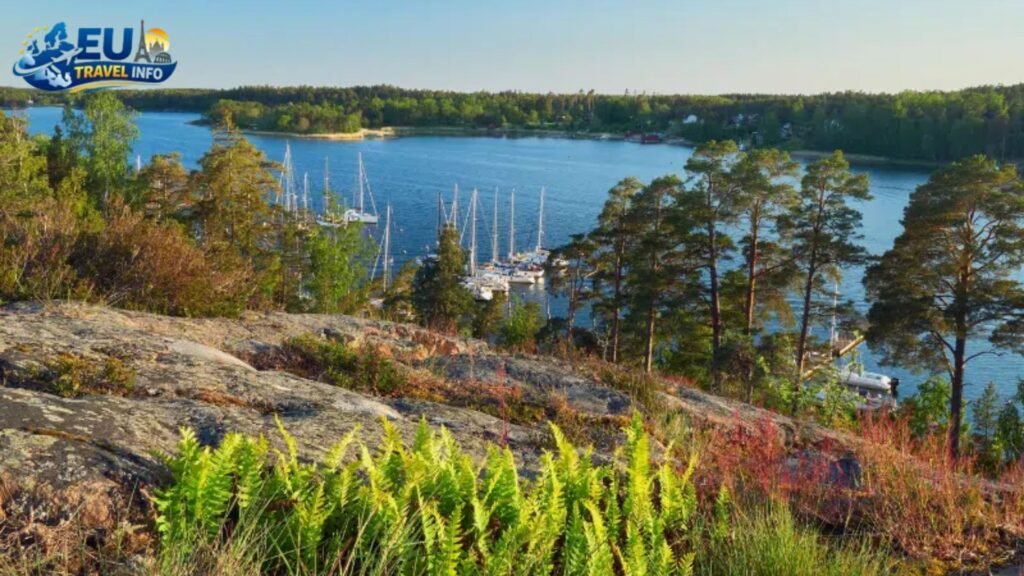
I have also found great beach resorts for families in France. Plage du Parc in Hossegor is a tidal lagoon. It has golden sand and no big waves. Plus, it has a fun playpark for toddlers and clean toilets. La Grande-Motte on the Mediterranean coast is a leader in accessibility. It offers water wheelchairs that float in the sea. Therefore, everyone can enjoy the water.
Similarly, Pärnu Beach in Estonia is the country’s summer capital. The water is shallow for a long way and warms up quickly. Gradually, you will notice the nostalgic feel of the historic changing cabins. In the Netherlands, Noordwijk Beach is wide and backed by dunes. It is a peaceful spot with great bike trails. Finally, do not forget Camber Sands in England. It has enough space for 61 beach towels per person. A massive stretch of sand for endless play.
Tips for a Smooth Beach Trip
I have learned a few tricks to make trips easier. First of all, arrive early. Popular beaches like Playa de Muro fill up by 9 am. Additionally, bring a pop-up tent or a large umbrella. The Mediterranean sun is very strong. On top of that, I always pack reef-safe sunscreen with at least Factor 50. Kids burn much faster than adults realize.
Gradually, I learned to schedule my days. We explore in the morning when it is cool. We take a long lunch and a nap during the peak heat. Later, we return to the water around 4 pm. This is when the Spanish families arrive. The vibe is much more relaxed. Therefore, your children can make new friends while you watch the sunset.
Rent a car if you plan to visit multiple beaches. It gives you the flexibility to bring all your gear. However, check if your destination has good public transport. Cities like Barcelona or Lisbon are easy to navigate without a car. If you have a toddler, bring a stroller with large wheels. This helps with the old stone streets and wooden walkways.
FAQ
Is the water quality at European beaches safe for babies?
Yes. You should look for the Blue Flag award. This certification ensures the water is tested regularly for bacteria and pollution. Many beaches also have Green Flags, which means they are specifically recommended by doctors for children.
Are there many sandy beaches in Croatia?
Most Croatian beaches have pebbles. However, you can find sandy spots like Rajska Plaža on Rab Island or Bijeca Beach in Medulin. These are perfect for toddlers who want to dig in the sand.
Do I need to pay for sunbeds and umbrellas?
On many popular beaches in Spain, Italy, and Greece, you must pay a daily fee for a set of sunbeds and an umbrella. This usually costs between €15 and €30. Many beaches also have free sections where you can bring your own towel.
What is the best month for a beach trip to the Mediterranean?
May, June, and September are the best months. The weather is warm but not too hot. Additionally, the crowds are smaller than in July and August. If you want year-round sun, the Canary Islands are your best bet.
Are European beaches accessible for people with disabilities?
Many Blue Flag beaches are required to have access for the physically disabled. Places like Playa de Las Vistas in Tenerife or La Grande-Motte in France have paved or wooden walkways and specialized water wheelchairs.
Concluding Words
Europe is home to the best beaches for families. From the pink sands of Crete to the massive shores of Mallorca, there is a perfect spot for every traveler. Choosing a beach with a Blue Flag or Green Flag ensures a high level of safety and cleanliness. By planning your days around the sun and choosing the right base, you can create a relaxing and fun holiday. These top 10 family destinations in europe offer memories that will last a lifetime for both parents and children.