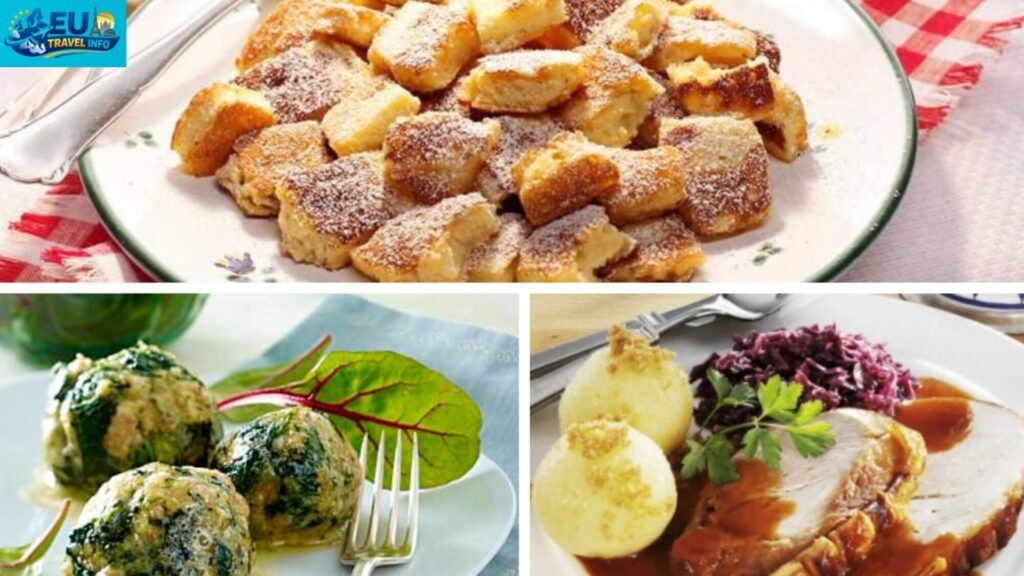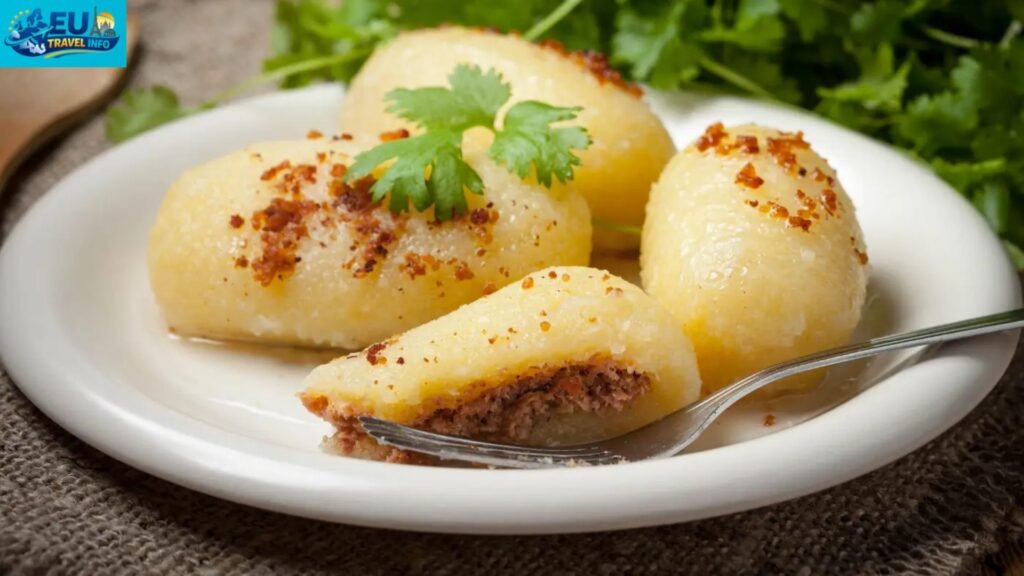
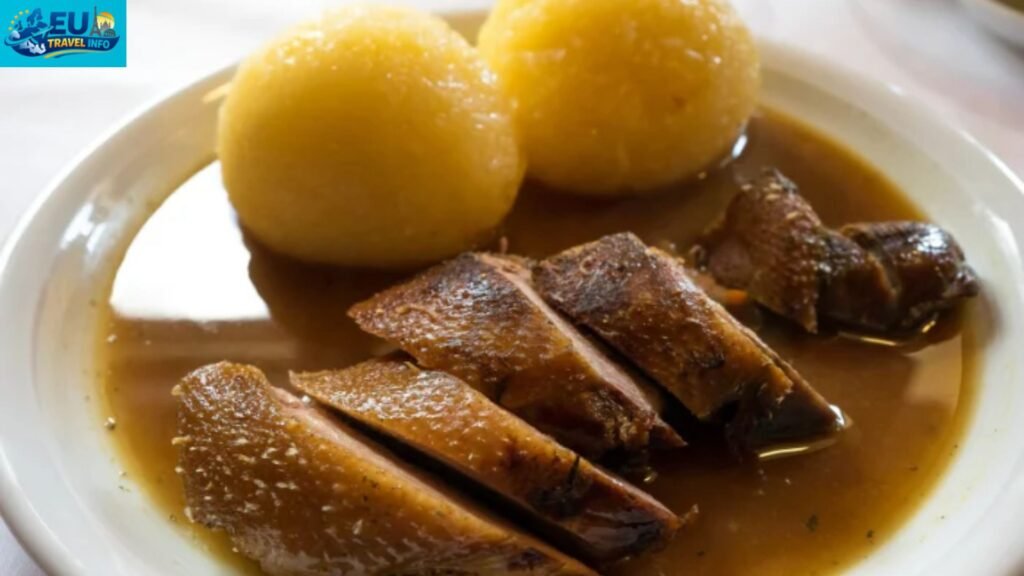
Imagine you are standing in a crowded Viennese sausage stand at midnight. The mustard drips onto the dark cobblestones as you take your first bite of a warm roll. You quickly realize that the traditional food of Austria is not just about feeding your hunger. It is about a feeling of cozy comfort that locals call Gemütlichkeit .
This concept shapes every meal you will eat in this beautiful country. You will find that Austrian food is masterful in its simplicity. Chefs here transform humble ingredients into a national cuisine of Austria that will become a major part of your travel story.
You must think bigger than the borders of the country you see on a map today. The national dish of austria hungary was a mixture of traditions from many different lands. Recipes flowed into the imperial kitchens from everywhere in the old Empire. Bohemian and Hungarian traditions were very important, plus influences from northern Italy joined the mix too.
The people of this region were quick to try new ingredients. They smoothed out tastes that did not match and made refined dishes feel more like home. First of all, you should know that this history is why you see such a great variety of dishes today.
The Gold Standard: Wiener Schnitzel
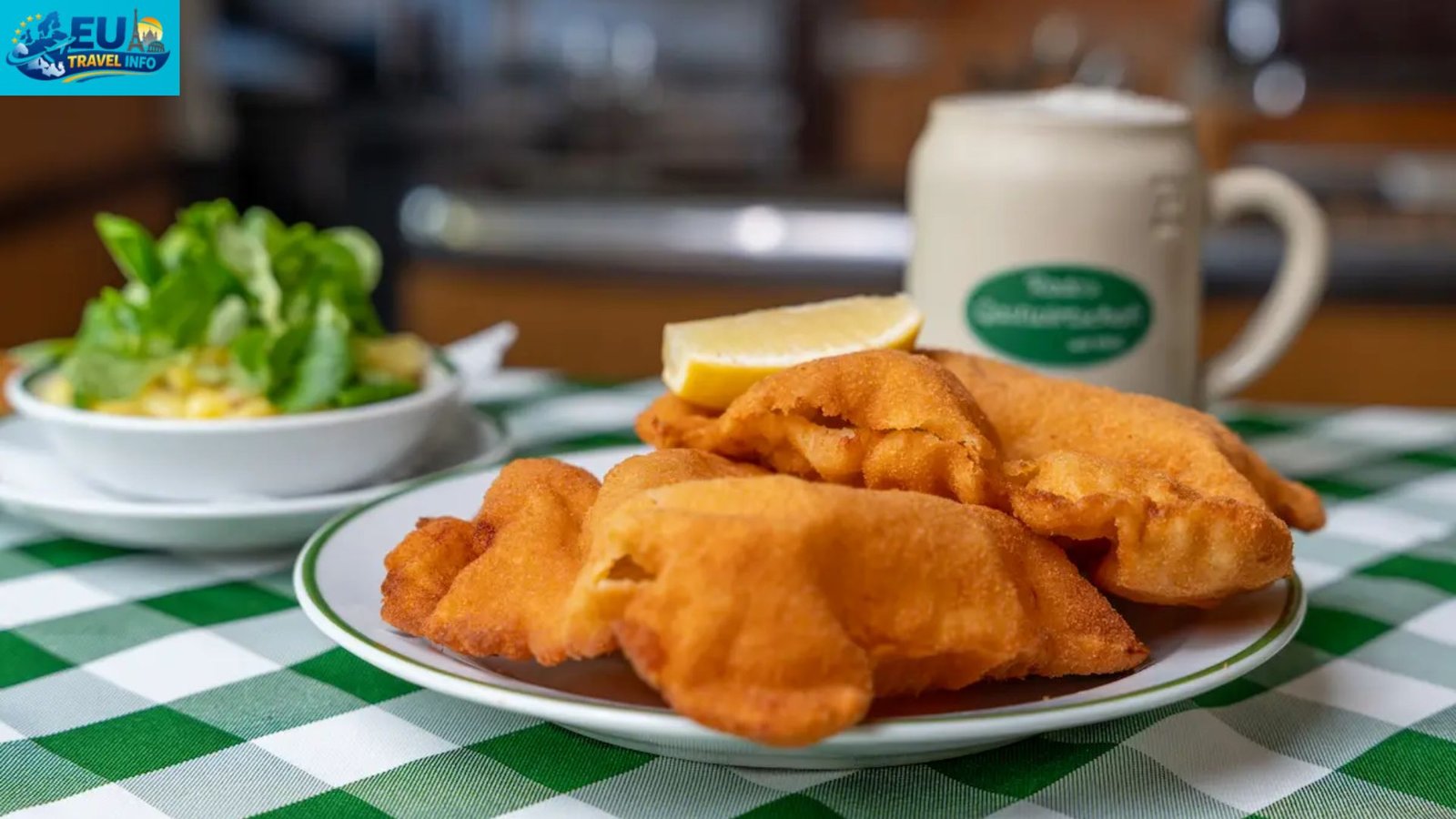
You cannot visit this country without eating a real Wiener Schnitzel. This is the most popular traditional national dish of Austria for a reason. It is an exercise in perfect technique. A true version uses a thin veal cutlet. A chef beats the meat until it is nearly see-through. Additionally, the breading must follow a strict three-layer method of flour, beaten egg, and fresh breadcrumbs. The chef fries it briefly in clarified butter or lard until the outside is a deep gold color.
You will notice a “wow” effect when your plate arrives. The breadcrumbs should not be pressed into the meat. They should “soufflé” or puff up so they separate from the veal. This gives the dish a light and airy texture. Therefore, a proper schnitzel is always served without sauce to let that crisp crust shine. Sometimes travelers ask what is the national food of australia by mistake when they are looking for this dish, but you will find the real thing right here in the heart of Europe.
You should know that Austrian law is very strict about this dish. To be called a “Wiener Schnitzel” on a menu, it must be made of veal . If a restaurant uses pork, they must call it a “Wiener-style” schnitzel instead. At that time in the 19th century, people believed Field Marshal Radetzky brought the recipe from Italy in 1857, but researchers found the dish in cookbooks as early as 1831. You can expect to pay between 22 and 35 euros for a high-quality veal schnitzel in a top Vienna restaurant.
The Imperial Soul: Tafelspitz
You will find that if the schnitzel is the glory of the nation, then Tafelspitz is its soul. This is the national food of Austria that the Emperor Franz Joseph I loved most. He ate this boiled beef dish almost every single day for over 60 years. The name comes from the specific cut of beef used, which is the “table point” or tri-tip.
The preparation is very slow and patient. A chef boils the beef gently in a vegetable broth for about 90 minutes . This makes the meat so tender that you can cut it with a fork. Additionally, the broth includes celery root, parsnip, carrots, and onions to add deep flavor. You will often receive this meal in two courses. First, you sip the rich broth from a cup to warm your body. Later, the sliced beef appears with roasted potatoes and special sauces.
You must try the apple-horseradish sauce and the chive sauce that come on the side. They add a sharp and fresh taste to the savory meat. Therefore, this dish feels like you are eating a piece of imperial history. A full Tafelspitz service will usually cost you between 26 and 38 euros . It is a meal that takes time and should be enjoyed slowly.
Alpine Comfort: Tiroler Gröstl
You might head to the mountains for skiing or hiking. If you do, you will encounter Tiroler Gröstl on almost every menu. This is mountain food in its most basic and satisfying form. It is a hearty fry-up of potatoes, onions, and bacon or beef. Gradually, this dish moved from being a way for farmers to use leftovers to a respected specialty.
The technique is important because the potato slices must be crisp and golden. The chef crowns the dish with a fried egg that has a liquid yolk. Finally, you should eat it straight from the pan to get the full experience. It is the ultimate reward after a cold morning on the slopes. You can find this dish for about 13 to 19 euros at mountain huts. Similarly, some regions add cheese to make it even richer.
Hearty Main Courses to Explore
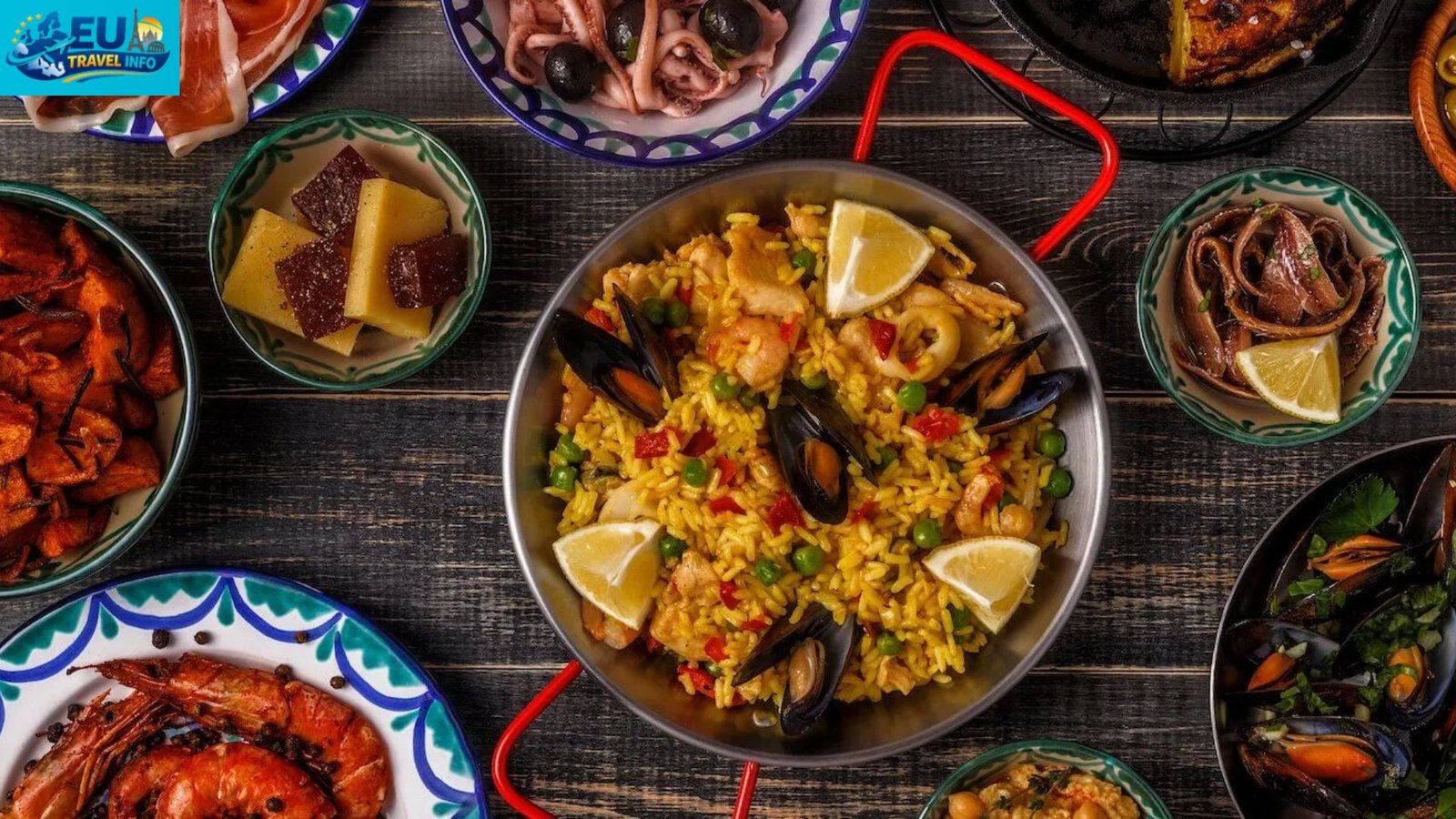
You should also look for Schweinebraten, which is a slow-roasted pork loin or shoulder. The meat is seasoned with salt, pepper, and caraway seeds. It is roasted until the outside has a dark, tasty crust while the inside stays juicy. Additionally, it always comes with bread dumplings and sauerkraut. The dumplings soak up the rich gravy perfectly. You will find this dish for about 18 to 26 euros at a traditional countryside inn.
On top of that, you must try the Austrian version of Gulasch. This is a thick beef stew that uses a lot of onions and paprika. Unlike the Hungarian version, Austrians do not put other vegetables in the pot. The chef sears the beef until it is very brown to create a deep flavor. Later, the meat braises for two or three hours until it dissolves on your tongue. You will usually see it served with egg noodles called Spätzle .
Plus, you should seek out Backhendl, which is the Austrian take on fried chicken. This chicken is marinated in buttermilk and garlic before it is breaded and fried. It is much more refined than other types of fried chicken because the meat is pounded thin and cooked until the crust is very delicate. You will often see it served with a fresh potato salad and lemon. Therefore, it is a very popular choice for a weekend lunch.
The Mastery of Starch: Noodles and Dumplings
You will love Käsespätzle, which is the Austrian version of mac and cheese. These are handmade egg noodles mixed with melted Emmentaler or Gruyere cheese. The chef tops them with caramelized onions that are deep brown and sweet. Additionally, fresh chives are scattered over the top. The texture is soft and cloud-like with a slight chew. Therefore, it is the perfect comfort food for a cold day.
You should also try Krautfleckerl, a simple dish of square pasta and caramelized cabbage. The chef cooks the cabbage with bacon and caraway seeds for a long time until it is very sweet and dark. Though it was once a meal for poor families, it is now loved for its genuine flavor. It is a great example of what food is austria known for beyond just meat.
Austrians are masters of the Knödel or dumpling. You will see many different types during your visit.
- Semmelknödel are bread dumplings made from stale bread cubes, milk, and eggs. They should float like clouds and soak up gravy.
- Speckknödel incorporate salty bits of bacon into the bread dough. They add a smoky depth to any meal.
- Kaspressknödel contain cubes of cheese that melt into the interior of the dumpling. They are often served in a clear soup.
Sweet Dreams: Icons of the Pastry Case
You must save room for dessert because Austrian sweet culture is world-famous. The most iconic cake is the Sachertorte . This dense chocolate cake has a thin layer of apricot jam and a dark chocolate glaze. Gradually, it became a symbol of Austrian culinary skill. There was even a long legal battle between Hotel Sacher and Café Demel over who could use the “original” recipe. Finally, they reached an agreement in 1965. You should always eat your slice with a large dollop of unsweetened whipped cream to balance the richness.
On the contrary, you might prefer a warm Apfelstrudel . This is not a pie. The pastry is stretched by hand until it is paper-thin. You should be able to read a newspaper through the dough. It is filled with tart apples, raisins soaked in rum, and toasted breadcrumbs. The chef rolls it tightly and bakes it until it is crisp. Additionally, it is served warm with vanilla ice cream or cream.
You should also try Kaiserschmarrn, which is named after the Emperor. These are light, fluffy pancakes torn into irregular pieces while cooking. The chef caramelizes them in the pan with butter and sugar. Later, they are served with a plum compote. It is so filling that many people eat it as their main lunch in mountain huts. Plus, you must try Marillenknödel during the summer. These are whole fresh apricots wrapped in a soft dough and rolled in toasted breadcrumbs. They are a true taste of summer.
The Rituals: Coffee Houses and Wine Taverns
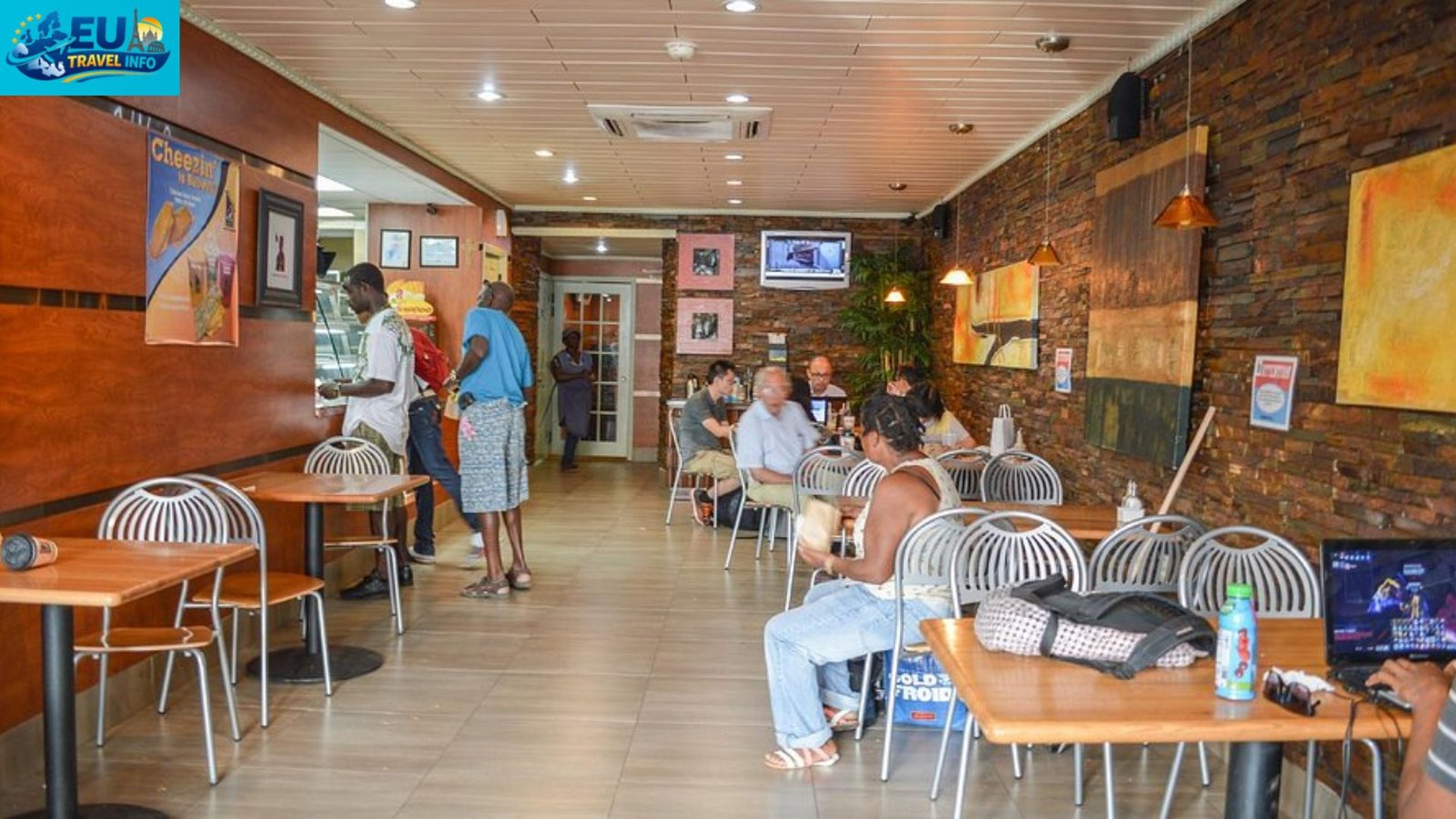
You will find that the coffee house is an essential part of life here. UNESCO recognizes this tradition as a special cultural heritage. You are encouraged to order one cup of coffee and sit for hours to read or talk. Historic places like Café Central or Café Sperl feel like they have not changed in over a hundred years. Therefore, time seems to slow down when you are inside.
You should also visit a Heuriger, which is a traditional wine tavern. These places only serve wine made on their own land. The food is usually a cold spread called a Brettljause . It features cold cuts, mountain cheeses, and pickled vegetables on a wooden board. First of all, you should look for a pine branch hung outside to know if the tavern is open. The atmosphere is very casual and full of community spirit.
Numerical Data and Travel Tips
You should plan your budget based on these common costs:
- Sachertorte slice: 9 to 13 euros.
- Apple Strudel: 7 to 11 euros.
- Leberkäse sandwich: 4 to 7 euros at a stand.
- Daily food budget: 45 to 70 euros per person.
Gradually, you will notice that every region has its own specialties. Tyrol is the place for hearty mountain food like Gröstl. Styria is known for pumpkin seed oil and fried chicken. Vienna is the home of refined imperial dishes and cakes. Additionally, what food is austria known for varies by season. Summer is for apricots, and winter is for hearty stews at Christmas markets.
FAQ’s
What is considered the national food of Austria?
The most famous dishes are Wiener Schnitzel and Tafelspitz. Wiener Schnitzel is a breaded veal cutlet, and Tafelspitz is a special boiled beef meal that was the Emperor’s favorite.
Why is Wiener Schnitzel so important in Austrian cuisine?
It represents the high quality of Austrian ingredients and imperial history. It is a point of national pride that a real version must use veal and be fried to golden perfection.
What ingredients are commonly used in traditional Austrian dishes?
Common ingredients include veal, pork, potatoes, onions, cabbage, and caraway seeds. Chefs also use a lot of dairy like butter and quark cheese, plus seasonal fruits like apples and apricots.
Which desserts are famous as national foods in Austria?
The Sachertorte is the most famous chocolate cake in the world. You should also try Apfelstrudel and the caramelized “Emperor’s pancake” known as Kaiserschmarrn.
How does Austrian national food vary by region?
Mountain areas like Tyrol focus on heavy fuel for hikers and skiers, such as bacon dumplings and potato fry-ups. Cities like Vienna focus on elegant cakes and boiled beef served in multiple courses.
Is Austrian cuisine influenced by other European countries?
Yes, it is a mix of traditions from the old Empire. You will find influences from Hungary in the goulash, from Bohemia in the pasta dishes, and from Italy in the schnitzel.
Where can travelers try authentic national food in Austria?
You should visit historic restaurants like Figlmüller for schnitzel, Hotel Sacher for cake, and traditional wine taverns called Heuriger for local wine and cold meats.
Concluding Words
You will find that the National Food of Austria is a wonderful journey through history and culture. From the thin and crispy Wiener Schnitzel to the tender boiled beef of the Emperor, every dish tells a story.
You should take your time in the coffee houses and mountain huts to truly understand the spirit of Gemütlichkeit . Whether you are eating a whole apricot dumpling in the summer or a rich beef goulash in the winter, you will discover that Austria is the culinary heart of Central Europe.